



Can I personalise the bottle shape or just the label on gin bottles?
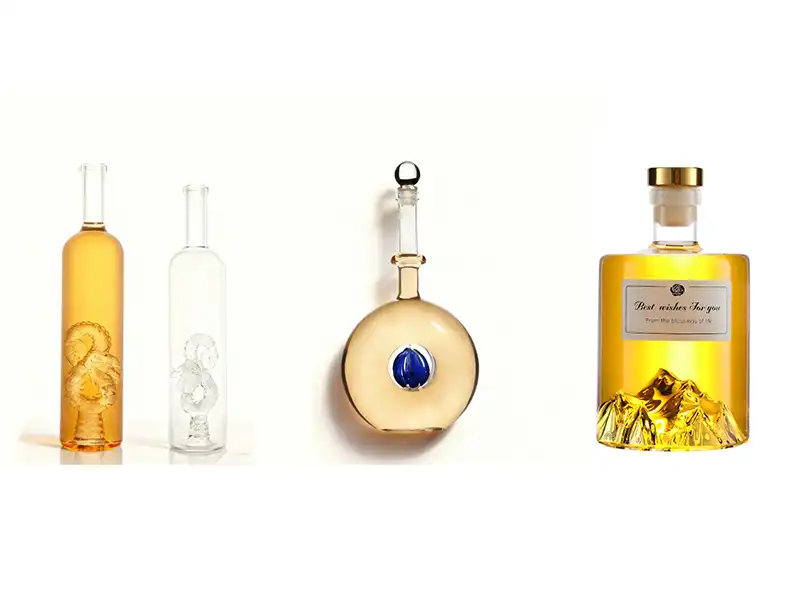
The answer is clear: you can change both the shape of the bottle and the name on a gin bottle. Many liquor brands only customize the labels because they think it's easier and cheaper, but changing the shape of the Custom Gin Bottle is a much better way to set your brand apart and help people recognize it. Modern glass production techniques allow for full customization of bottle shapes through the creation of custom molds. This lets brands make unique packaging that becomes an important part of their brand identity. Label-only customization is still useful for getting into a market quickly or making changes for the seasons, but shape customization builds long-lasting brand value that rivals can't easily copy.
Understanding Customization Options for Gin Bottles
Customization of gin bottles is more than just changing the fonts or artwork on the label. There are two different ways to personalize packages for spirits, each with its own strategy and market positioning goals. Getting to know these choices helps brand creators and procurement managers make smart choices about the packages they buy.
The Fundamental Difference Between Shape and Label Customization
Customizing bottle shapes means making your own glass molds that give the bottles shapes, colors, and structural elements that are unique to your brand. This method needs a big investment up front for mold creation, but it gives brands a unique edge that can't be beat. This makes the form a brand that people directly associate with your product, so they can recognize it even from a distance.
Customizing labels is mostly about adding things to the outside, like pictures, text, shiny foils, and special printing methods to standard bottle shapes. This method gives you more freedom for seasonal ads, versions that are specific to a market, and low-cost branding options. Many popular gin brands use fancy label designs on high-quality stock bottles to make the bottles look classy while keeping production costs low.
Why Shape Customization Elevates Brand Recognition?
According to research in the field of consumer psychology, unique bottle forms make memories stronger than label images alone. When people see a bottle on the shelf with a unique shape, the form tells them about the brand's values before they even read the text. Premium gin brands, like Hendrick's, which has dark bottles that look like apothecaries, or Bombay Sapphire, which has blue glasses that are instantly recognizable around the world, have used shape customization to make their brands instantly recognizable.
Customizing the shape also helps stop counterfeiting in ways that labels can't. It is much harder for counterfeiters to make exact copies of bottles with complicated shapes, unique stamping patterns, or special glass treatments. This safety is getting more valuable as high-end gin brands move into new areas where protecting intellectual property may be harder to do.
How to Personalise the Shape of a Custom Gin Bottle?
Customizing the shapes of gin bottles requires a planned approach to both design and production that turns ideas into packages that are ready for mass production. Brand teams, industrial designers, and specialized glass makers who understand both aesthetic needs and production limits need to work together closely on this trip.
The Design Development Process
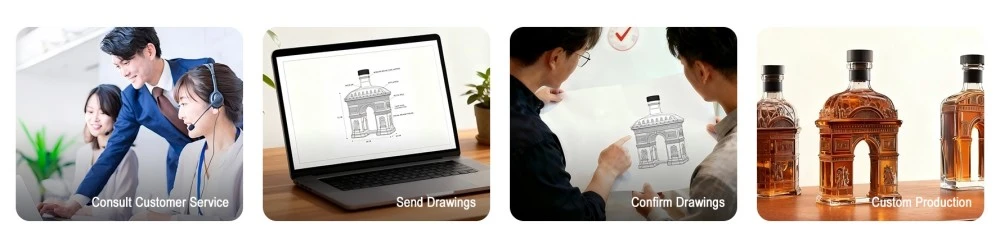
The personalization process starts with drawing ideas and making mood boards to get a sense of the brand style that is wanted. Together with our clients, our design team turns vague ideas into solid geometric shapes that can be regularly made. We use 3D modeling software to make accurate models of the final product so that everyone involved can see it before we start making molds.
Picking the right material is an important part of customizing shapes. Our borosilicate glass is clearer and more resistant to heat than regular soda-lime glass. This lets you include more detailed design elements while still keeping the structure strong. Because of how the material is made, it can have sharper lines, thicker embossing, and smaller wall sections when those things look good.
Technical Manufacturing Considerations
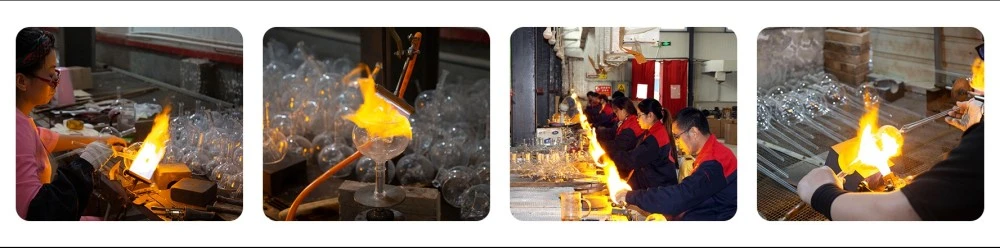
How the glass is formed has a direct effect on how hard and expensive it is to change the shape. Hand-blown techniques make it possible to make forms and features that are too complex for machines to make. Our skilled craftsmen can give each bottle its own unique look by giving it irregular shapes, varying wall thicknesses, and intricate surface textures.
Mold making is the most important part of customizing shapes. Our scientific team makes multi-part molds that can handle complicated shapes and make sure that the parts always come out the same size and shape. To keep problems from happening during production, the mold design has to take into account how the glass flows, how fast it cools, and how much it expands when it gets hot.
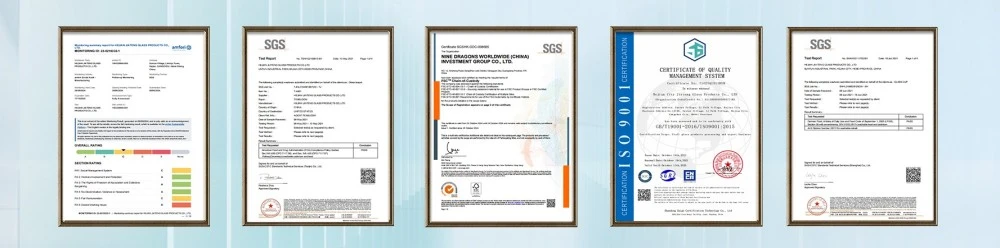
During production, quality control tools keep an eye on the limits for dimensions, the quality of the surface finish, and the structure's strength. Each Custom Gin Bottle is carefully checked to make sure it meets the brand's standards and specs. Our GMP-certified plant keeps records for every production batch that can be tracked. This helps with quality control and meeting government regulations.
Timeline and Volume Considerations
Lead times for customizing shapes are usually between 15 and 20 days for technical plans, 25 to 30 days for making the mold, and 30 to 45 days for the first production runs. Most projects take between 3 and 4 months to finish, from the time the idea is approved to the time it is delivered. These dates show how precise mold building needs to be and how the iterative sampling method makes sure the best results.
When you buy unique molds, the minimum order quantity is usually between 12,000 and 20,000 units, but this depends on the complexity of the bottle and how the production line is set up. These books show how custom mold amortization works from an economic point of view while still being affordable for high-end names and limited editions.
Comparing the Benefits: Custom Bottle Shapes vs. Label-Only Customization
Before you can judge customization strategies, you need to carefully look at both your short-term and long-term business goals. Choosing between label-focused and shape-focused methods affects how much money is spent, how long it takes to make, and how well the product is positioned in the market.
Brand Differentiation and Market Impact
Brand assets that are three-dimensional and come in different bottle forms can be used as packaging, marketing tools, and collectibles all at the same time. Customizing the shape of a product gets people interested in more than just the product itself. This leads to sharing on social media and word-of-mouth marketing, which naturally grows the brand's reach. Premium customers often keep unique bottles as decorations, which keeps the brand visible in their personal spaces.
Customizing labels gives you a lot of freedom for targeting specific groups of people and running holiday campaigns. Brands don't have to buy multiple mold sets in order to make images, limited edition artwork, or advertising messages that are special to each area. This method lets brands test the market quickly and react quickly to changes in consumer tastes or pressure from competitors.
Investment and Scalability Analysis
Here are the core financial things to think about when considering different ways to customize:
• Customizing shapes takes a big investment up front in mold development, between $8,000 and $25,000 per design; however, as production numbers rise, the cost per unit goes down.
• Customizing labels still has lower entry costs, with setup fees usually being less than $2,000, but the cost per unit stays pretty steady across output levels.
• Customizing the shape of a product is more valuable in the long run for well-known names with steady demand and products that last more than one year.
• Label methods work well for new businesses, special items, or brands that need to change their designs often.
These changes in the way money works show why many successful gin brands use a mix of strategies, using unique bottle styles for their most popular drinks and different labels for new products or ones that are made for specific markets.
Sustainability and Environmental Considerations
Customizing the shape of glass lets you use optimization methods that use less material while keeping the structure strong. Custom designs can include lightweight engineering that lowers the cost of shipping and the damage done to the environment without lowering the quality that people think they are getting. Unique shapes also make it easier to reuse and repurpose bottles, which extends the lifetime of a product beyond its original use, especially for items like a Custom Gin Bottle.
Label customization helps make packages more environmentally friendly by using eco-friendly inks, reusable glues, and label materials that break down naturally. Water-based printing methods and limited use of adhesives make refilling bottles easier by lowering the risk of contamination during the glass reprocessing process. Our heat transfer printing method makes sure that the print adheres well while still meeting standards for recycling.
Selecting the Best Custom Gin Bottle Supplier for Your Needs
To find a trustworthy company to make custom gin bottles for your brand, you need to look at their manufacturing skills, quality systems, and collaborative knowledge. These should all match your brand's needs and place in the market.
Essential Supplier Evaluation Criteria
Expertise in manufacturing includes both the technical know-how and artistic sense needed for high-end gin packing. Suppliers should show that they know how to use complicated methods for shaping glass, applying surface treatments, and quality control systems that make sure results are the same across big production runs. Brands that want to sell their products in more than one country need to know the rules and laws about how to package booze safely.
A supplier's ability to handle brand growth and changes in seasonal demand depends on how much they can produce and how flexible they are. When choosing providers, you should look at how well they can handle increasing production rates, meeting urgent orders, and keeping quality high while capacity grows. Our plant makes about 3 million bottles a year for partner brands, but it's also flexible enough to handle smaller special orders from new distilleries.
Geographic and Logistical Considerations
The position of a supplier affects shipping prices, lead times, and the strength of the supply chain. For big orders, Asian manufacturers often offer lower prices, while regional providers may be easier to work with and offer faster delivery times. Our location in Hebei Cangzhou gives us great access to raw materials and lets us keep our production costs low so that we can sell our products in foreign markets.
Communication skills and cultural fit make it easier to carry out projects and solve problems. Suppliers should show that they have clear project management processes, standards for expert documents, and quick customer service that supports working together on projects. Our foreign trade team has worked with North American and European spirits names for 15 years.
Quality Assurance and Compliance Standards
Regulatory compliance varies a lot between foreign markets, so buyers need providers who have a track record of knowing about the right standards and approval methods. Our GMP-certified center keeps detailed records of quality and systems for tracking things back to make sure they are correct, whether it's for products like a Custom Gin Bottle or others. These systems help with regulatory reports and audit needs.
Being able to try products makes sure that handmade bottles meet both style and function standards for the whole time they are supposed to last. In order to make sure that bottles work well in real life, we test them for thermal shock, impact strength, and decoration adhesive.
Practical Tips for Procuring Custom Gin Bottle for Your Business
To get custom gin bottles that meet your needs, you need to plan ahead, be specific, and use organized quality control methods that guarantee a good project and long-term source relationships.
Preparing Comprehensive Project Specifications
For custom bottle projects to go well, they need clear specs that explain the design goal, how the bottle should work, and the level of quality that is expected. In your first question, be sure to include exact measurements, capacity needs, closing compatibility, and decoration information. To make sure everyone is on the same page from the start of the project, our team suggests giving reference examples, a competitive analysis, and goal cost guidelines.
The material specifications should list the type of glass, the color you need, and any other properties that are relevant to your purpose. Our borosilicate glass formulation is perfect for quality gin packing because it is clear and doesn't melt when heated. The sizes that are available are 500ml and 750ml, and they can be painted with unique colors so that they match perfectly with brand colors.
Building Productive Supplier Relationships
Communication methods and project management tools make it easier for people to work together during the production and development stages. Set up regular approval processes, check-in times, and milestone reviews to avoid mistakes and make sure work gets done on time. Our project managers keep you up to date every week and keep thorough records throughout the whole development process.
Partnering with a supplier goes beyond just placing an order; it also includes working together on long-term strategies. Brands do better when they work with providers who know how to place them in the market, meet their quality standards, and help them grow. This knowledge lets you make suggestions for process improvements, cost savings, and style changes that make the brand more competitive.
Quality Control and Regulatory Compliance
During production runs, inspection methods should look at both the way bottles look and how well they work. Set up sampling rules, acceptance standards, and testing needs that will make sure quality delivery is always the same. As part of our quality control methods, we check the dimensions, look at the surface finish, and make sure the closures work with the product.
Different target markets have different regulatory compliance requirements, so brands and sellers need to work together carefully to meet those requirements. There are different rules for food-contact materials, labels, and safety tests in the US and Europe that must be taken into account when designing. Our team of regulatory affairs helps with compliance paperwork and coordinating testing for entering foreign markets.
Conclusion
In the competitive gin market, the choice between label design and bottle form has a big effect on how a brand is positioned and how well it does in the market. Custom Gin Bottle form personalization helps brands stand out and creates long-term value, while label customization gives you choices for entering new markets that are both flexible and cost-effective. Knowing the technical needs, funding factors, and supplier skills helps you make smart choices that match your packaging strategies with your business goals. Gin brands that do well are using more and more combined strategies that use both shape and label customization to make the most of their market effect while keeping costs low.
FAQ
Q1: What is the minimum order quantity for custom gin bottle shapes?
A: For custom bottle shape projects, the minimum order size is usually between 12,000 and 20,000 units, but this depends on how complicated the design is and how many units need to be made. This amount makes sure that mold amortization doesn't cost too much and that expensive names and limited edition releases can still use the molds. Our team can talk about methods for optimizing volume to fit your budget and time frame.
Q2: How long does the custom bottle development process take?
A: From acceptance of the idea to delivery, the whole process of making a custom bottle takes about three to four months. This schedule includes 15 to 20 days for detailed plans, 25 to 30 days for making the mold, and 30 to 45 days for the first production runs. For urgent market needs, there are choices for rush output with different price systems.
Q3: What glass materials are available for custom gin bottles?
A: We only sell high-quality borosilicate glass, which is clearer, more resistant to heat, and lasts longer than regular soda-lime glass. Our glass recipes support fine design features while keeping the structure strong. Specialized spray painting methods make it possible to choose from a wide range of colors and make sure that the colors match perfectly across production runs.
Partner with Jiateng for Premium Custom Gin Bottle Manufacturing
Jiateng Glass Products Co., Ltd. has more than 30 years of Custom Gin Bottle making experience to support the package goals of your brand. Our hand-blown borosilicate glass bottles are very clear and long-lasting, and you can make any pattern you want on them thanks to our wide range of customization options. As a Custom Gin Bottle supplier with a lot of experience, we've worked with top spirits names in more than 50 countries to send over 3 million bottles every year, always on time and in good condition. Our skilled foreign trade team and GMP-certified facility work together to make sure that projects go smoothly from the first idea to the final delivery. Email our experts at lhd513@jtblzp.com to talk about your custom gin bottle needs and find out how our proven skills can help your brand stand out in the market.
References
1. Smith, R. et al. "Glass Container Design and Brand Recognition in Premium Spirits Marketing." Journal of Packaging Technology & Research, 2023.
2. Johnson, M. "Manufacturing Processes for Custom Glass Bottle Production: Technical Standards and Quality Control." International Glass Manufacturing Review, 2022.
3. Thompson, A. "Consumer Psychology and Packaging Design in the Global Spirits Industry." Marketing & Brand Strategy Quarterly, 2023.
4. Williams, K. "Sustainability Practices in Glass Container Manufacturing for Alcoholic Beverages." Environmental Packaging Solutions, 2022.
5. Chen, L. "Supply Chain Management for Custom Glass Packaging: Best Practices for International Procurement." Industrial Manufacturing & Logistics, 2023.
6. Davis, P. "Regulatory Compliance Standards for Glass Containers in International Spirits Markets." Food & Beverage Safety Journal, 2022.