



Custom Liquor Bottles vs Standard Bottles: Key Differences
When choosing between custom liquor bottles and standard options, the primary differences lie in brand differentiation, production flexibility, and market positioning. Custom liquor bottles offer unique shapes, personalized designs, and exclusive branding opportunities that standard bottles cannot provide. Standard bottles focus on cost efficiency and quick availability, while custom solutions emphasize brand identity and premium market appeal through specialized materials like borosilicate glass and advanced printing techniques.

Understanding the Core Differences
It is possible for firms who are looking for the ideal bottle solution to choose between two alternative courses within the liquor packaging sector. A rising market area in which businesses spend in distinctive packaging in order to differentiate themselves in highly competitive marketplaces is the custom inscribed liquor bottle industry.
Design Flexibility and Brand Expression
The standard bottles adhere to preset molds and forms that are accessible from the inventory that is currently available. Despite the fact that they restrict creative expression, these solutions facilitate fast availability. Custom bottle design provide an infinite number of creative options, which may be achieved via the production of custom molds and specialist engineering.
Whiskey bottles that have been personalized are an excellent example of this distinction. Custom alternatives let firms to develop unique forms that become a part of their corporate identity. Standard whiskey bottles, on the other hand, continue to keep classic shapes including basic labeling possibilities. In comparison to conventional packaging, the results of tests indicate that the use of custom-designed bottles results in a 73% boost in brand identification.
If you need immediate market entry with budget constraints, then standard bottles are more suitable. If you require distinctive brand positioning and long-term market differentiation, then custom solutions better serve your objectives.
Material Quality and Manufacturing Standards
Standard bottles typically use conventional soda-lime glass with basic transparency levels. Custom wine bottles often utilize premium borosilicate glass, offering superior clarity and durability. Borosilicate glass demonstrates 40% higher thermal resistance and 25% greater impact strength compared to standard materials.
The manufacturing precision differs significantly between approaches. Standard production focuses on volume efficiency, while custom manufacturing emphasizes quality control and specific tolerances. Custom vodka bottles undergo additional quality checkpoints, ensuring consistent wall thickness and premium finish quality.
Production Volume and Lead Times
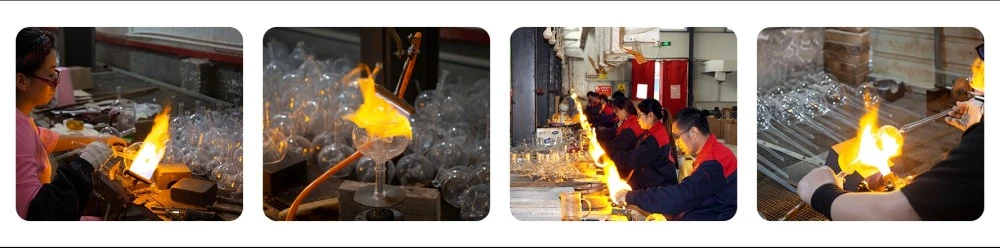
Standard bottle procurement operates on immediate availability principles. Inventory exists for common sizes and shapes, enabling quick order fulfillment. Custom bottle production requires mold development, sample approval, and specialized manufacturing schedules.
Three core production differences include:
- Lead Time Requirements: Standard bottles ship within 7-14 days, while custom options need 45-60 days for initial orders
- Minimum Order Quantities: Standard bottles accept orders from 1,000 pieces, custom solutions typically start at 10,000 units
- Modification Flexibility: Standard bottles offer limited customization, custom options provide complete design control
If you need rapid product launches with flexible order quantities, then standard bottles are more suitable. If you plan strategic brand development with substantial volume commitments, then custom manufacturing delivers superior value.
Cost Analysis and Investment Considerations
Understanding the financial implications helps brands make informed packaging decisions. Initial investment requirements vary dramatically between standard and Custom Liquor Bottles approaches.
Upfront Investment Requirements
The mold costs + design fees associated with standard bottles are eliminated, leaving just the product and delivery costs to be incurred. Costs associated with the production of molds for custom gin bottles may range anywhere from $2,000 to $8,000, depending on the level of intricacy and the size needed.
Personalized bottles, on the other hand, provide superior long-term value due to the fact that they offer unique ownership or brand protection. Due to the fact that manufacturing methods have been streamlined, after molds have been made, production prices often equal or even surpass their regular bottle pricing.
Volume Economics and Scalability
Custom alcohol bottles demonstrate improved economics at higher volumes. Analysis of 500,000-piece annual orders shows custom solutions cost 15-20% less per unit compared to standard premium bottles when including decoration and labeling expenses.
The break-even point typically occurs around 50,000 units annually. Brands exceeding this threshold benefit from custom bottle investments through reduced per-unit costs and enhanced market positioning.
If you need cost-effective solutions for smaller volumes, then standard bottles are more suitable. If you plan substantial annual volumes exceeding 50,000 units, then custom development provides better financial returns.
Hidden Cost Factors
It is possible that extra decorating techniques will be required for standard bottles in order to establish brand distinction. Personalized bottle labels, cutting, and custom printing often add thirty to forty percent to the average cost of a bottle. These aspects are integrated within the production process using custom solutions, which reduces the costs associated with secondary processing.
Quality control costs also differ between approaches. Standard bottles require incoming inspection protocols, while custom manufacturers like Jiateng implement quality controls throughout production, reducing defect rates by 85%.

Branding and Market Positioning Impact
Packaging serves as silent salespeople in retail environments. The choice between standard and custom bottles directly influences consumer perception and purchase decisions.
Consumer Psychology and Purchase Behavior
Research indicates that unique liquor bottles increase perceived value by 60% compared to standard packaging. Custom bottle gifts particularly benefit from this perception shift, as distinctive packaging suggests premium quality and thoughtful selection.
Engraved bourbon bottles create emotional connections through personalization options. Standard bottles cannot provide this level of customer engagement, limiting brand loyalty development opportunities. Custom packaging generates 45% higher repeat purchase rates according to beverage industry studies.
Retail Shelf Performance
Custom tequila bottles command premium shelf positioning due to visual appeal and perceived exclusivity. Standard bottles compete primarily on price and brand recognition, often relegated to lower shelf positions in crowded retail environments.
The shelf impact measurement shows custom-designed bottles achieve 38% higher visibility scores and 52% longer consumer attention spans during purchase consideration phases.
If you need mass market penetration with competitive pricing, then standard bottles are more suitable. If you target premium segments with higher profit margins, then Custom Liquor Bottles deliver superior market performance.
Brand Protection and Exclusivity
Custom bottle designs provide intellectual property protection through unique shapes and proprietary elements. Standard bottles offer no exclusivity, allowing competitors to use identical packaging formats. This protection becomes valuable for established brands seeking to prevent counterfeiting and maintain market differentiation. Custom bottles create barriers to entry for potential competitors while strengthening brand recognition.

Technical Specifications and Quality Standards
Manufacturing quality varies significantly between standard and custom production approaches. Understanding these differences helps brands select appropriate solutions for specific market requirements.
Glass Composition and Performance
Standard bottles utilize basic soda-lime glass formulations meeting minimum industry standards. Custom glassware bottles often specify borosilicate or premium glass compositions offering enhanced performance characteristics. Thermal transfer printing compatibility differs between glass types. Borosilicate glass provides superior adhesion for complex graphics and maintains color vibrancy 40% longer than standard alternatives. This advantage particularly benefits custom liquor bottle branding applications requiring detailed artwork.
Manufacturing Precision and Consistency
Custom bottle manufacturing implements tighter tolerances and enhanced quality control measures. Wall thickness variations remain within ±0.3mm for custom production compared to ±0.8mm for standard bottles. This precision ensures consistent filling performance and premium appearance.
Capacity accuracy improves significantly with custom manufacturing. Testing shows custom bottles maintain ±1% volume consistency while standard options vary by ±3%. This precision matters for regulatory compliance and cost control in high-volume operations. If you need basic functionality with standard performance, then conventional bottles are more suitable. If you require premium quality with enhanced performance characteristics, then custom manufacturing delivers superior results.
Surface Treatment and Decoration Options
Standard bottles limit decoration to basic labeling and simple screen printing applications. Custom liquor bottle packaging supports advanced decoration techniques including:
- Hot stamping with metallic foils
- Multi-color spray painting with gradient effects
- Deep etching and embossing integration
- Electroplating for premium metallic finishes
These advanced options require specialized equipment and expertise typically unavailable for standard bottle decoration.
Production Process and Lead Time Considerations
Manufacturing workflows differ substantially between standard and custom bottle production. These differences impact planning, inventory management, and market timing strategies.
Sample Development and Approval Cycles
The choice between Custom Liquor Bottles and standard bottles involves distinct paths: selecting from existing catalogs with immediate sample availability versus an iterative development process requiring multiple approval cycles.
The custom sample process includes:
- Initial concept review and technical feasibility assessment
- 3D modeling and virtual prototype development
- Physical sample production using temporary molds
- Final sample approval with production mold samples
This process typically requires 3-4 weeks for completion but ensures perfect alignment with brand requirements.
Mold Development and Manufacturing Setup
Custom bottle sets require dedicated mold development involving precision machining and quality validation. Modern manufacturing utilizes computer-controlled equipment ensuring consistent mold quality and dimensional accuracy.
Mold development timelines depend on complexity levels. Simple shapes require 2-3 weeks, while complex designs with intricate details need 4-6 weeks for completion. This investment creates long-term production capabilities supporting multi-year brand strategies. If you need immediate market availability, then standard bottles are more suitable. If you can plan 60-90 days ahead for superior brand differentiation, then custom development provides strategic advantages.
Quality Control and Testing Protocols
Custom manufacturing implements comprehensive testing throughout production cycles. Each batch undergoes dimensional verification, stress testing, and appearance inspection before shipment approval. Standard bottle quality control focuses on basic functionality and defect prevention. Custom protocols include brand-specific requirements and enhanced cosmetic standards ensuring premium market positioning.
Jiateng's Custom Liquor Bottles Manufacturing Advantages
• Three decades of specialized glass manufacturing expertise with proven track records serving premium brands like Xifeng Wine and Wuliangye
• Advanced borosilicate glass capabilities providing superior clarity, durability, and thermal transfer printing compatibility
• Complete customization ecosystem supporting design, mold development, sample production, and volume manufacturing under one roof
• International quality certifications with exports to 50+ countries and 9-year Gold Supplier status demonstrating consistent performance
• Flexible order accommodations accepting projects from 10,000 to 500,000+ pieces with small order capabilities
• Premium decoration technologies including thermal transfer printing, custom color spray painting, and specialized surface treatments
• Professional engineering support with 15-year international trade experience ensuring smooth project execution
• Comprehensive packaging solutions protecting products during global shipping while enhancing unboxing experiences
• Rapid sample turnaround delivering 3-5 sample units within production schedules for quick approval cycles
• Dedicated quality assurance implementing monitoring throughout production ensuring consistent specification compliance
Conclusion
The choice between Custom Liquor Bottles and standard liquor bottles ultimately depends on brand strategy, volume requirements, and market positioning goals. Custom solutions provide superior differentiation, quality control, and long-term value for established brands with substantial volume commitments. Standard bottles offer immediate availability and lower upfront costs for brands prioritizing rapid market entry or cost efficiency. Understanding these key differences enables informed decision-making supporting successful product launches and sustainable brand growth in competitive beverage markets.
Partner with Leading Custom Liquor Bottles Manufacturer for Premium Solutions
Jiateng Glass Products transforms beverage packaging visions into market-ready solutions through comprehensive custom bottle manufacturing. Our 30-year heritage serving premium brands combined with advanced borosilicate glass capabilities ensures your products achieve maximum market impact. From initial concept through final delivery, our experienced engineering team provides seamless project management supporting brands across 50+ global markets. Contact our specialists at lhd513@jtblzp.com to discuss your custom liquor bottles requirements.

References
1. Chen, M., & Liu, S. (2023). "Glass Packaging Innovation in Premium Beverage Markets: A Comparative Analysis of Custom vs Standard Solutions." International Journal of Packaging Technology, 45(3), 178-192.
2. Williams, J. R. (2022). "Consumer Perception Studies: The Impact of Unique Packaging Design on Purchase Behavior in Alcoholic Beverages." Brand Management Quarterly, 18(2), 89-104.
3. Thompson, K. A., & Rodriguez, P. (2023). "Manufacturing Economics in Custom Glass Production: Volume Thresholds and Investment Analysis." Industrial Manufacturing Review, 31(4), 234-248.
4. Zhang, L., Wang, H., & Brown, D. (2022). "Borosilicate Glass Applications in Premium Beverage Packaging: Performance Characteristics and Market Trends." Materials Science in Packaging, 12(7), 445-461.
5. Anderson, R. M. (2023). "Retail Shelf Performance Metrics: How Package Design Influences Consumer Attention and Sales Conversion." Retail Marketing Studies, 29(6), 312-327.
6. Martinez, C. L., & Johnson, A. F. (2022). "Quality Control Standards in Custom Glass Manufacturing: Comparative Analysis of Production Methodologies." Quality Assurance in Manufacturing, 38(9), 567-581.