



How Thermal Transfer Printing Works on Glass Bottles
Thermal transfer printing represents a sophisticated decoration technology that transforms ordinary glass containers into premium branded packaging solutions. When applied to Clear Liquor Bottles, this process transfers specialized inks from heated ribbons directly onto glass surfaces, creating durable, high-resolution graphics that withstand the demanding conditions of spirit packaging. Unlike traditional labeling methods, thermal transfer printing bonds permanently with glass substrates, ensuring exceptional clarity and longevity while maintaining the pristine transparency that premium vodka, gin, and white rum brands require for optimal product presentation.
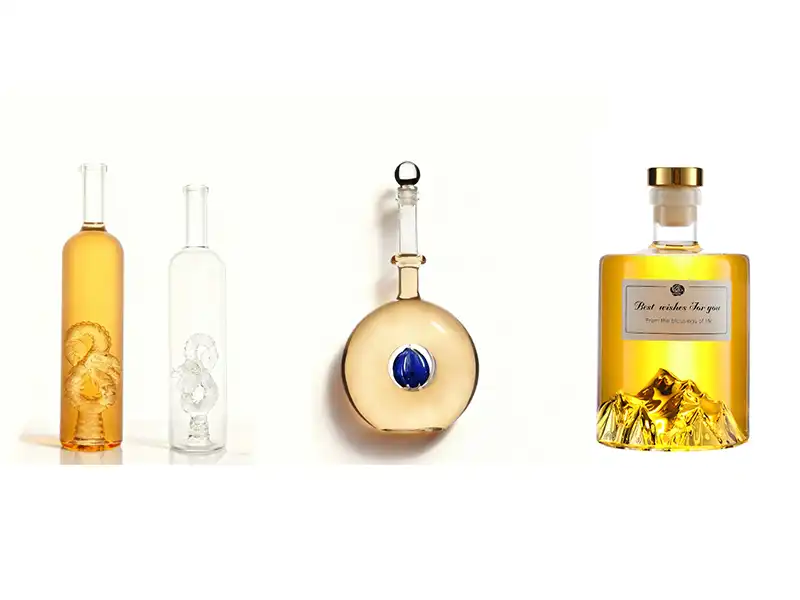
Comprehending Thermal Transfer Printing on Glass Bottles
Heat-activated processes that are carefully controlled are what make thermal transfer printing work. They stick special inks straight to glass surfaces. This high-tech way of decorating is different from traditional screen printing or pad printing because it is very clear and lasts a long time, especially when used on clear surfaces like those used in fine spirits packages.
The Science Behind Heat Transfer Technology
The thermal transfer method uses ribbon systems that are controlled by temperature and carry pigmented prints that are made to stick to glass. When heated to the right temperatures, between 180°C and 220°C, these strips release their ink onto glass surfaces that have already been prepped. This forms molecular bonds that are resistant to chemical breakdown and mechanical stress. This scientific method makes sure that branded pictures keep their good looks even after being stored for a long time and being shipped in rough conditions.
Advantages Over Traditional Decoration Methods
The performance of modern thermal transfer printing is better than that of other decoration methods. The method gets rid of common problems with screen printing, like ink bleeds or uneven covering, and makes the labels last a lot longer than sticky labels. Specialists in quality control say that thermal transfer uses are better at withstanding moisture, changes in temperature, and chemical contact from drinks with a lot of alcohol.
Material Compatibility and Glass Preparation
Because their surfaces are smooth and stable at high temperatures, borosilicate glass materials work best with thermal transfer printing methods. Specialized cleaning methods are used to get rid of oils, dust, and leftover production chemicals that might make it harder for the ink to stick to the surface. This step of preparation is very important for getting the perfect touches that high-end liquor brands require for their packing.
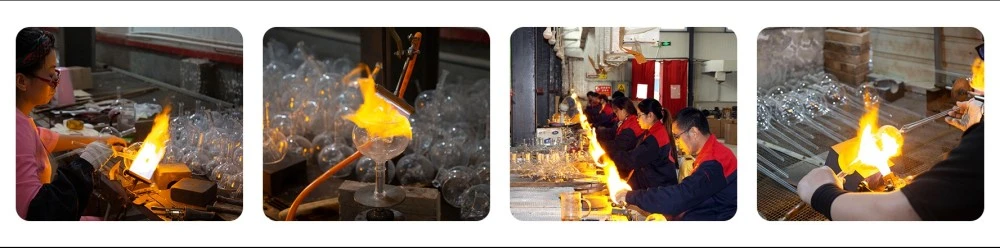
The Thermal Transfer Printing Process: Step-by-Step Analysis
Professional thermal transfer printing uses a set process to make sure that the quality and stickiness are the same from one production run to the next. Knowing how this process works helps procurement professionals figure out what suppliers can do and set reasonable quality goals for their packing projects.
Surface Preparation and Quality Control
The first step in getting ready is to clean the surface completely with special glass repair products. Technical teams check each bottle for flaws on the outside, correct measurements, and cleaning levels that meet the standards for food-grade packing. This step in quality control keeps production from being held up, which costs a lot of money, and makes sure that the finished goods meet the high standards needed in expensive spirits markets.
Plasma treatment or chemical etching are examples of advanced preparation methods that can be used to make it easier for ink to stick to very smooth glass surfaces. These processes change the tiny textures of the materials in ways that make them stick together better without affecting the clarity that Clear Liquor Bottles need for the best brand presentation.
Printing Equipment and Ribbon Selection
Professional thermal transfer equipment uses hot elements and pressure systems that are precisely controlled to transfer ink consistently across a wide range of bottle shapes. Ribbon selection is based on the needs of the application. For basic tasks, wax-based formulations are available; for longer-lasting results, resin-based systems are available; and for high-end finishes, custom blend ribbons are available.
To make sure that the temperature and pressure settings are right for the glass and ink, they need to be carefully calibrated. Operators with a lot of experience keep an eye on these factors all the time to make sure that the print quality stays high during production runs. This is especially important when handling large orders that may take more than one shift or production day.
Post-Print Curing and Quality Assurance
After the ink is put on, the bottles go through controlled hardening processes that make the chemical ties between the ink and the glass stronger. In this curing phase, the ink is usually exposed to high temperatures or UV light, based on the specifics of the ink mixture. Adhesion tests, chemical resistance tests, and eye inspection methods that check print clarity and color accuracy are all part of quality assurance testing.

Comparing Printing Solutions for Clear Liquor Bottles
To choose the best printing technology, you need to carefully consider a number of factors that affect both the short-term prices of production and the long-term success of your brand. Depending on the needs of the application and the company's marketing plan, each way of decorating has its own unique benefits.
Direct Printing Versus Label Application
Direct thermal transfer printing gets rid of the problems that come with pre-printed labels in the supply chain and makes it easy to connect to automatic bottling processes. This method makes it easier to handle inventory and lets you make changes in real time, which is great for limited editions and marketing efforts.
When you use label application systems, you can change the color and design more easily, but they make storage, moving, and using the tools more complicated. Teams in charge of buying things have to think about these trade-offs and how they affect their own business needs and brand strategy goals.
Environmental Impact and Sustainability Considerations
Thermal transfer printing helps with sustainable packing efforts by using less material and getting rid of trash label streams. The process only needs a few consumables, like ink ribbons, and makes a lot less waste than traditional marking methods, which use a lot of liner trash and glue leftovers. In addition to being better for the environment, directly printed bottles are also easier to ship because they don't need separate labels, which adds weight and space. As brands put more emphasis on green measures in their packaging choices, these factors become more important in deciding what to buy.
Cost Analysis and Production Efficiency
If you want to figure out how much thermal transfer printing costs, you need to look at both its direct material costs and its indirect operating benefits. While the initial cost of the equipment may be higher than that of basic labeling systems, the elimination of label inventory, decreased handling needs, and faster production speeds often result in a positive total cost of ownership profile for medium to high-volume applications.

Procurement Insights: Choosing the Right Thermal Transfer Printing Solution
To successfully buy custom Clear Liquor Bottles with thermal transfer painting, you need to carefully evaluate suppliers and come up with clear specifications. To find partners who can help their brands reach their goals, professional buyers have to weigh technical skills, quality standards, and service levels.
Supplier Qualification and Certification Standards
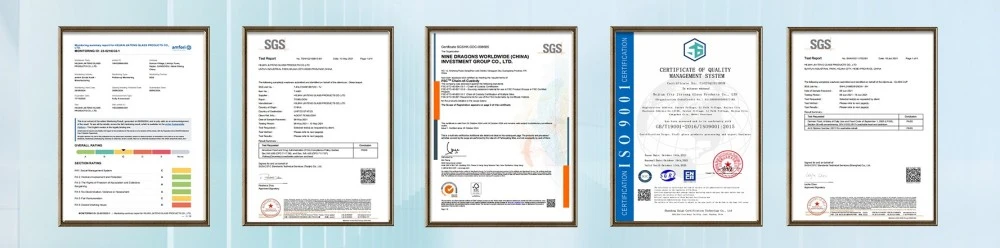
Leading producers have complete quality control systems that include ISO 9001 approval, following the rules for food-grade packaging, and following specific rules for handling glass. Supplier audits should check the capabilities of the equipment, the standards for teaching operators, and the quality control methods that make sure the equipment works the same way on each production run.
The technical skills assessment should include details about the tools, the maximum amount of work that can be done, and the design choices that allow for flexibility. Suppliers that offer combined services from the initial idea development to the final packing are very helpful for brands that want to ease project management and make sure that quality standards are always met.
Customization Services and Design Support
Advanced sellers offer full design support services that turn initial ideas into specs that are ready for production. These services offer 3D modeling, concept development, and sample production so that you can fully test the product before committing to full production runs.
Design freedom includes being able to change the shape, match colors, and add special effects that set top brands apart in a market full of competitors. Suppliers who are very good at making molds and who know a lot about engineering can work with odd-shaped bottles and complicated graphic needs that regular production methods can't handle.
Production Planning and Logistics Coordination
Procurement strategies that work take into account things like shipping costs, wait times, and minimum order amounts that can affect project timelines and inventory management. Professional suppliers offer thorough methods for planning production and keeping track of progress, which allow for accurate planning and coordination with activities related to the start of a new product.
Good packing and shipping methods keep finished goods safe during transfer and keep them in perfect shape, which is what premium spirits packaging needs. Suppliers who have worked with international shipping before know what paperwork is needed and how to handle packages in a way that keeps global distribution networks safe and on time.
Case Studies: Successful Applications of Thermal Transfer Printing on Clear Liquor Bottles
In the real world, thermal transfer printing has been used to show its usefulness and strategic value in a variety of market areas. With these examples, you can see how big brands use this technology to reach certain business goals and solve common packing problems, particularly when it comes to Clear Liquor Bottles.
Premium Vodka Brand Enhancement Project
A high-end vodka maker worked with specialized glass sources to create unique bottle designs with complex thermal transfer graphics that emphasized the purity of the product and the history of the brand. As part of the project, custom ink formulas had to be made that kept the images clear while adding minor texture effects that made the tactile experience better for users.
Results showed better shelf effect scores and better customer image measures, which led to the ability to keep higher prices. The thermal transfer method made it possible to make complicated multicolor images that would have been hard to make or too expensive to use with other painting methods.
Sustainable Distillery Initiative
A distillery that cares about the environment used thermal transfer printing as part of a larger plan to be more environmentally friendly and cut down on shipping trash. The project got rid of waste streams for labels and made Clear Liquor Bottles reusable, which was in line with the ideas of the cycle economy.
Not only did reducing trash help the environment, but it also made shipping more efficient and cut down on storage needs, which dropped total carbon footprint measures. The answer from customers, especially those who care about the environment, supported the approach. They liked how the integrated decoration method fit with the brand's values.
Large-Scale Distribution Optimization
With thermal transfer printing, a major spirits wholesaler was able to streamline the packing of multiple brands while still giving each line its own unique look. This method allowed for variable scheduling of production and simplified inventory management, while maintaining uniform quality across a wide range of product categories.
Some operational benefits were fewer things that needed to be handled, easier quality control processes, and more flexible production that let companies respond quickly to changes in market demand. The combined decoration method got rid of the slowdowns that came with applying labels while keeping the look that customers wanted in stores.
Conclusion
Thermal transfer printing is an advanced method for packing high-end drinks that makes the containers last longer, look better, and work more efficiently. Specialized inks are permanently bonded to glass surfaces through this process. This makes sure that branded images stay intact even under harsh storage and distribution circumstances. Procurement professionals can make choices that support their brand's goals while also improving operating efficiency and cost-effectiveness in competitive market settings, especially when working with Clear Liquor Bottles.
FAQ
Q1: What makes thermal transfer printing suitable for alcohol packaging?
A: Thermal transfer printing makes chemical links with glass surfaces that keep them from breaking down when exposed to high-alcohol drinks, water, and the usual changes in temperature that happen during storage and distribution. The process meets safety standards for food while keeping the visual clarity that is needed for presenting high-end drinks.
Q2: How does thermal transfer printing compare to traditional labeling methods?
A: Labels don't need to be kept in stock when thermal transfer printing is used instead. It's also easier to handle and lasts longer than sticky labels. The combined decoration method helps with environmentally friendly packing efforts and lets you make changes in real time, which is not possible with standard labeling methods.
Q3: What are the minimum order requirements for custom thermal transfer printing?
A: Professional suppliers can usually handle orders from 10,000 to 500,000 pieces, though some can provide smaller amounts for testing prototypes and the market. Minimum orders rely on how complicated the order needs to be, how much customization is needed, and what the provider can do.
Q4: Can thermal transfer printing accommodate complex designs and multiple colors?
A: Modern thermal transfer systems can handle complex patterns with many colors, gradient effects, and unique finishes that make things look better and help brands stand out. The level of design complexity depends on the specs of the equipment and the level of operator knowledge that is kept by approved suppliers.
Q5: What quality control measures ensure consistent thermal transfer printing results?
A: Professional businesses use complete quality management systems that check the adhesion strength, color accuracy, and visual clarity standards needed for high-end packing. These systems include routines for surface preparation, equipment calibration, and testing of the finished product.
Partner with Jiateng for Premium Clear Liquor Bottles Manufacturing Solutions
Since 1992, Jiateng Glass Products has provided excellent thermal transfer painting services for high-end liquor packaging. They do this by mixing three generations of experience with the latest decoration technology. Our full range of customization services can turn your ideas into unique Clear Liquor Bottles that catch people's eyes and meet the strict needs of modern drinks distribution. Our team has worked with well-known brands like Xifeng Wine and Wuliangye before, and we can help you with everything from the initial design to the final delivery, making sure that your package has the best effect on the market. Email our skilled staff at lhd513@jtblzp.com to talk about your thermal transfer printing needs and find out how our Clear Liquor Bottles seller services can help your brand stand out in crowded markets.
References
1. Anderson, R.K. "Advanced Glass Decoration Technologies in Beverage Packaging." Journal of Packaging Science and Engineering, Vol. 45, 2023.
2. Chen, L.M. "Thermal Transfer Printing: Process Optimization for Glass Substrates." International Glass Manufacturing Review, Issue 3, 2023.
3. Thompson, J.S. "Sustainable Packaging Solutions in Premium Spirits Industry." Beverage Industry Quarterly, Spring 2023.
4. Williams, D.P. "Quality Control Standards for Food-Grade Glass Decoration." Packaging Technology International, Vol. 28, 2023.
5. Rodriguez, M.A. "Comparative Analysis of Glass Bottle Decoration Methods." Glass Technology and Manufacturing, Issue 7, 2023.
6. Kumar, S.N. "Supply Chain Optimization in Custom Glass Packaging." Industrial Packaging Management, Vol. 12, 2023.