



Rakija Bottle: How to Choose the Right Bottle for Your Distillery
Selecting the right rakija bottle for your distillery involves balancing heritage authenticity with modern production demands. As this traditional fruit brandy expands into international markets, bottle choice directly influences product preservation, brand identity, and distribution efficiency. Distilleries must consider material durability, size standards, custom design options, and supplier reliability to ensure their packaging protects quality while resonating with target consumers and supporting long-term business partnerships.
Understanding Rakija Bottles: History, Types, and Materials
The Heritage Behind Spirit Bottle Evolution
The way rakija is packaged shows hundreds of years of European distilled practice. Rakija used to be stored in simple glass or ceramic cases, but as production technologies changed, so did the bottles. In order to meet both legal standards and customer expectations, modern distilleries use bottles that honor tradition while also meeting modern needs. The change from storage containers to brand-defining packaging is similar to how the drinks marketing industry as a whole is moving toward premiumization and authenticity.
Glass Material Options and Their Impact
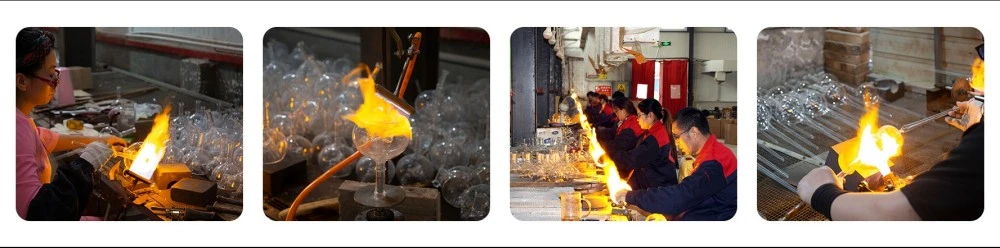
Because it is better at resisting chemicals and keeping its shape at high temperatures, borosilicate glass has become the standard for high-quality spirit packing. This substance keeps the spirit from reacting with the container, so the delicate fruit aromas and flavors of rakija are kept for longer periods of time. Borosilicate glass, unlike regular soda-lime glass, can handle changes in temperature during shipping and filling without losing its structural integrity. The sturdiness and inertness of this material make it especially useful for distilleries that make high-proof spirits because they keep the product's stability from production to consumption.
Standard Sizes and Their Market Applications
The 350ml size is a good middle ground for rakija packing because it can be used for both selling the drink and giving it as a gift. This size is popular for limited editions and special releases because it lets people try high-end expressions without having to buy bigger volumes. Larger style bottles are used for well-known brands with loyal customers, while smaller forms are better for promotional and tasting events. Distilleries can make the most of their product line for all of their customers by learning how bottle size affects how much people think something is worth and how likely they are to buy it.
Key Criteria for Choosing the Right Rakija Bottle for Your Distillery
Aligning Bottle Design with Production Capacity
The actual bottle specifications and supplier ties depend on how much you produce. Distilleries that make between 10,000 and 500,000 units per order need suppliers that can keep quality high across big batches while also meeting reasonable wait times. Since 2008, Jiateng has been making about 3 million bottles a year for partners, showing that we can keep up the production level needed for growing operations. Because of this experience, shipping plans can be predicted to match up with distilleries' bottling runs. This keeps production from being held up and prevents inventory gaps that affect the market supply.
Material Safety and Flavor Preservation
Long-term quality results depend on how the package and product work together. Because borosilicate glass is chemically neutral, it keeps out unwanted tastes and contamination, which is important for keeping rakija's fruity flavor. The low porosity of the material gets rid of the rust worries that come with spirits in containers that aren't as stable. When combined with glass lids that fit properly, this makes an airtight seal that keeps volatile odor chemicals inside. These safe qualities keep the taste the same from production to final consumption, which is especially helpful for distilleries that focus on aging programs or long shelf lives.
Shape, Aesthetics, and Brand Identity
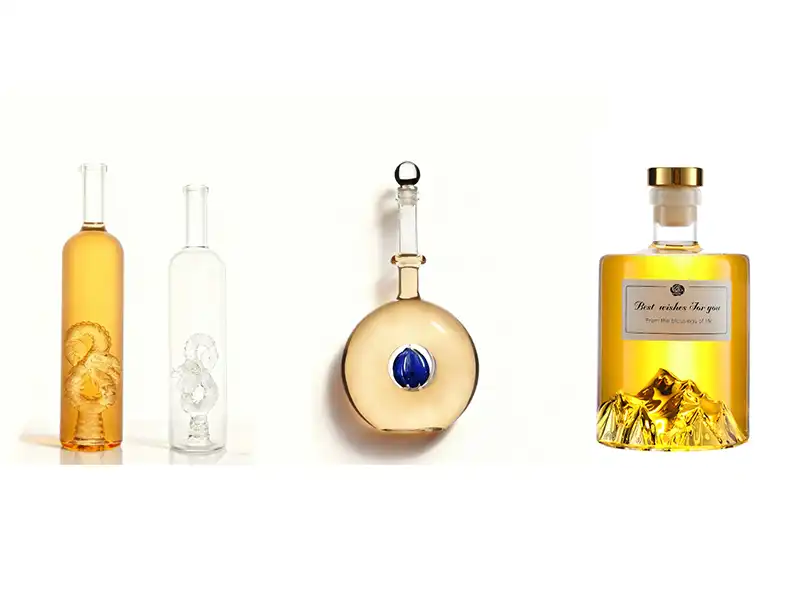
The shape of the Rakija Bottle tells people about your business before they even taste your product. Long, traditional forms suggest history and craftsmanship, which appeals to people who want to have real experiences. Modern, angular designs bring in younger people who are interested in craft spirits by signaling innovation and change. Clear glass lets the natural color changes of rakija from different fruit bases and aging ways show off, making it more interesting to look at on store shelves. Distilleries can make their goods stand out in competitive markets by using custom stamping, thermal transfer printing, and color spray painting. Standardized base designs help them keep production costs low.
Logistics Efficiency and Handling Durability
Packaging has to be able to handle the challenges of global supply chains. The weight of the bottle affects how much it costs to ship, especially for foreign sales that use more than one method of transport. The structure's design must keep it from breaking while it's being palletized, stored, and handled by customers. At the same time, it should use as little material as possible to keep costs down. Standardized measurements make it easier to package cases and make sure they work on shelves in a variety of store settings. At Jiateng, our bottles go through strict testing procedures to make sure they arrive whole. High-quality packaging protects goods on their way from our plant in Hebei Cangzhou to places in more than 50 countries.

Comparing Rakija Bottles with Other Bottling Solutions
Glass Versus Alternative Materials
Even though stainless steel containers are more durable in some situations, glass is still the best material for packing quality rakija. Glass is completely clear, so customers can see how a product looks and be sure it's real. Glass cases don't let any flavors pass, which is important for drinks where subtle fruit notes affect how good they taste. The high status of rakija in foreign markets is similar to how glass is seen as valuable and associated with heritage. This supports higher prices that represent the skill and quality of the ingredients used in production.
Size Variations and Market Segmentation
Capacity choices help divide markets and use times more efficiently. The 350ml size is good for giving gifts, traveling, and high-end sampling, all situations where presentation is just as important as content. This size makes the prices more reasonable for people who want to try craft drinks but don't want to commit to bigger bottles. Larger sizes are more cost-effective for repeat customers and hospitality groups that buy in bulk. Offering different sizes within the same product line meets the needs of a wide range of customers and improves production runs by using common design elements for different capacity levels.
Decorative Features Versus Functional Simplicity
Decorations on every Rakija Bottle should be smart and not just add extra work for the sake of it. Embossed logos help people remember brands and get involved with them when they handle them. Frosted finishes make limited versions stand out from regular sales and give them a more high-end look. But too much decoration can make cleaning harder, raise the number of items that are rejected during quality control, and make production costs higher than the market value. Successful distilleries find a mix between unique design elements and the practicalities of making the bottles. This way, they can make bottles that stand out while keeping production costs low and predictable across large orders.
Procurement Guide: How to Source the Best Rakija Bottles for Your Business?
Identifying Reliable Manufacturing Partners
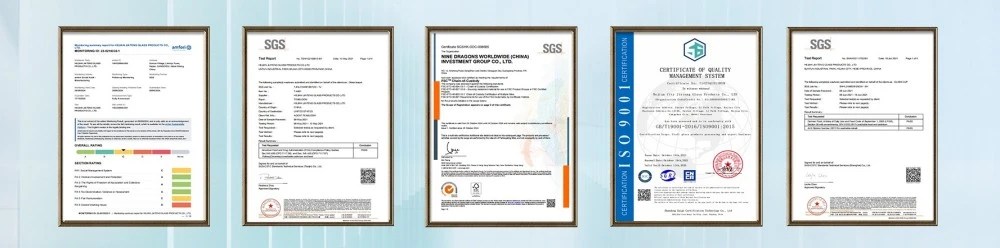
Established sellers are different from casual vendors because they have been in the business for thirty years. Since 2008, Jiateng has worked with well-known Chinese brands like Xifeng Wine and Wuliangye. These agreements show that Jiateng can provide the quality stability and dependability that are needed for long-term relationships. As an Alibaba Gold Supplier for 9 years with $4 million in confirmed deals, we can show clear performance measures that lower the risk of buying from us. When companies look at possible partners, they should look at their production history, how well they keep customers, and any safety licenses that show their manufacturing standards meet international standards.
Custom Design and OEM/ODM Capabilities
To set one brand apart from others, custom package options that fit each market are becoming more and more important. The first step in customizing something is getting your design ideas, which can be rough sketches or detailed technical models. Then, our engineering team comes up with official specs for you to review, which include neck size, height, diameter, and weight. With three-dimensional printing, you can make real samples before making the mold. This iterative process makes sure that the final bottles exactly fit the brand's vision while still being able to be manufactured at the number you expect to order.
When distilleries use full design services, they get the following main benefits:
- Exclusive mold design makes bottle forms that rivals can't copy, making the brand stand out on the shelf and protecting its identity in crowded spirits categories.
- Flexible decoration options including thermal transfer, screen printing, hot stamping, and spray painting allow multi-product differentiation within unified design systems that speed up production while keeping unique SKU names.
- Technical consultation from teams with 15 years of experience in foreign trade and specialized technical knowledge helps you figure out how to meet regulatory requirements, improve logistics, and avoid costly design mistakes before production starts.
Managing Minimum Orders and Lead Times
For project-based buying to work, you need to know about the output schedules and supplier capacity limits. Depending on how complicated the design is and how you want it to be decorated, the minimum order for a custom Rakija Bottle is usually between 10,000 and 50,000 units. Smaller initial orders may be able to be filled with standard bottle designs that don't need much customization. From acceptance of the sample to delivery, the lead time is 45 to 90 days. This includes making the mold, doing production runs, inspecting for quality, decorating, and sending internationally. By planning buying cycles around when products come out and how demand changes with the seasons, you can avoid running out of goods and avoid high carrying costs.
Logistics and Quality Assurance
International shipping rules and laws make operations planning very difficult without experience. Breakage that puts whole packages at risk can be avoided with the right palletizing, protective packing, and loading methods for containers. To make sure that things go smoothly across foreign lines, our team handles export paperwork, customs compliance, and freight forwarding. Before being approved for export, each production batch is checked for flaws, its dimensions are confirmed, and the closures are tested to make sure they work. This quality control lowers the number of rejected bottles and makes sure they work the same way everywhere in the production area. This protects the big investments companies make every time they buy something.
Best Practices for Rakija Bottle Usage in Distilleries
Storage Protocols That Preserve Product Integrity
The right way to handle every Rakija Bottle starts before they are filled. Keep old bottles in places with controlled temperatures, away from big changes in temperature that could stress the glass. Keep things clean by storing them undercover, which stops dust from building up and needing a lot of pre-fill cleaning. Set up your inventory so that the first items that come in are the first ones that go out. This is especially important when using bottles that have written dates or batch codes. These steps lower the risk of infection, cut down on the time needed to prepare for production, and make sure that the look of each production run is the same.
Maximizing Bottle Design as Brand Communication
Packaging acts as your quiet salesperson in lines of distribution where you can't talk to the customer directly. When used strategically, stamping shows that something is handcrafted and of high quality by engaging the senses. When you spray paint or tint glass, the colors you choose make emotional connections and send category signs that help people decide what to buy. Thermal transfer printing lets you use complicated images and story elements that talk about history, where ingredients come from, and how the product is made. We can directly add custom artistic ideas, famous locations, or architectural elements to bottle designs, turning packaging into memorable brand experiences that support high prices and encourage customers to buy again.
Handling and Maintenance Throughout Production
Setting clear rules for how bottles should move during filling, capping, labeling, and case packing stops damage that slows down production. Teach your staff the right way to lift things and move so that there are fewer touch spots and collisions. Set up checking points where broken bottles are taken out before moving on to the next step in the production process. Regular repair on equipment like marking applicators, capping machines, and conveyor systems keeps them running easily and doesn't damage the bottles' looks or cause them to stress. These practical guidelines will help you get the most out of your bottle purchase by cutting down on waste and keeping the look that people expect from high-end drinks.
Conclusion
To pick the right rakija bottle, you have to find a balance between historical authenticity, current production needs, and brand differentiation strategies. Material quality, especially borosilicate glass, helps keep the taste true and supports expensive placement. The 350ml volume makes it useful for a variety of gift, retail, and advertising uses. Distilleries can make unique packaging that communicates brand values and supports higher prices with custom design options. Working with producers with a lot of experience guarantees steady quality, on-time delivery, and full support from the idea stage to production.
FAQ
What bottle sizes work best for rakija distribution?
In the rakija business, the 350ml capacity has become the standard, which is good for both producers and customers. This size makes the right price points for premium placement while still being easy for gift-buying and tourist markets to reach. Larger 500ml and 750ml sizes are used for well-known brands where customers want better value, while smaller 200ml bottles are better for special samples and tasting programs. Size choice should be based on your target market and delivery methods.
How does borosilicate glass compare to standard glass for spirits?
Borosilicate glass is better at resisting chemicals and staying stable at high temperatures than soda-lime glass, which is often used to package wine. This substance keeps flavors from getting messed up when containers touch, which is very important for keeping rakija's delicate fruity smells while it's being stored for a long time. The thermal qualities make it safe to handle spirits that are full at different temperatures without the risk of cracking.
Can distilleries order custom bottle designs with minimum quantities?
Distilleries can get a custom Rakija Bottle design as long as they order at least 10,000 to 50,000 units, based on how complicated the design is. The steps include getting advice on the design, making technical drawings, making a 3D prototype, casting the mold, making samples, and then making the whole run. From approval of the idea to delivery, the lead time is usually between 60 and 90 days. Individual tooling costs money up front, but unique bottle designs give brands long-lasting advantages over generic packaging through brand differentiation. This is especially helpful as rakija grows in international markets where shelf presence affects buying decisions.
Partner With Jiateng for Premium Rakija Bottle Manufacturing
Custom spirit boxes made to stand out and work well will help your distillery get a better place in the market. Jiateng is a well-known Rakija Bottle supplier with 30 years of experience making glasses. They can give mid- to high-end distilleries the quality stability and style freedom they need. Our full range of services includes coming up with the initial idea to delivering the finished product. We have experienced engineers and foreign trade experts on hand to help you with the complicated process of getting packing for spirits.
Our team can help you with everything you need for your production, from standard 350ml borosilicate glass bottles decorated with thermal transfer to fully unique designs made with our own molds. Email us at lhd513@jtblzp.com to talk about how you want to package your rakija and find out how our production skills can help your brand grow in global markets.
References
1. Anderson, P. (2019). Craft Spirits Packaging: Design Strategies for Premium Market Positioning. Beverage Industry Press.
2. European Spirits Organisation. (2021). Glass Packaging Standards for Traditional Fruit Brandies. Brussels: CEPS Publications.
3. Harrison, M., & Chen, L. (2020). Material Science in Beverage Packaging: Borosilicate Glass Applications. Journal of Food Packaging Technology, 34(2), 156-171.
4. Kovačević, D. (2018). Rakija Production and Marketing in Global Markets. Belgrade: Balkan Spirits Institute.
5. Thompson, R. (2022). Sustainable Packaging Solutions for Small-Batch Distilleries. Craft Beverage Quarterly, 18(3), 45-62.
6. Wilson, J., & Martinez, S. (2021). Supply Chain Management for International Spirits Distribution. New York: Global Trade Publishing.