



Top Bespoke Gin Bottles for Premium Alcohol Packaging Solutions
If you want to set your brand apart in the crowded drinks market, Bespoke Gin Bottles are the best way to do it. With custom-designed glass packing, your product becomes a valuable statement piece that stands out on the shelf and gets people's attention. These custom bottles are more than just regular packing because they have special mold patterns, personalized embossing, and high-quality materials that show that your brand is real and committed to quality. Choosing custom gin bottles is a smart way for B2B procurement professionals who are in charge of alcoholic beverage brands, OEM/ODM makers, or foreign trading operations to set their brands apart and place themselves in the market.
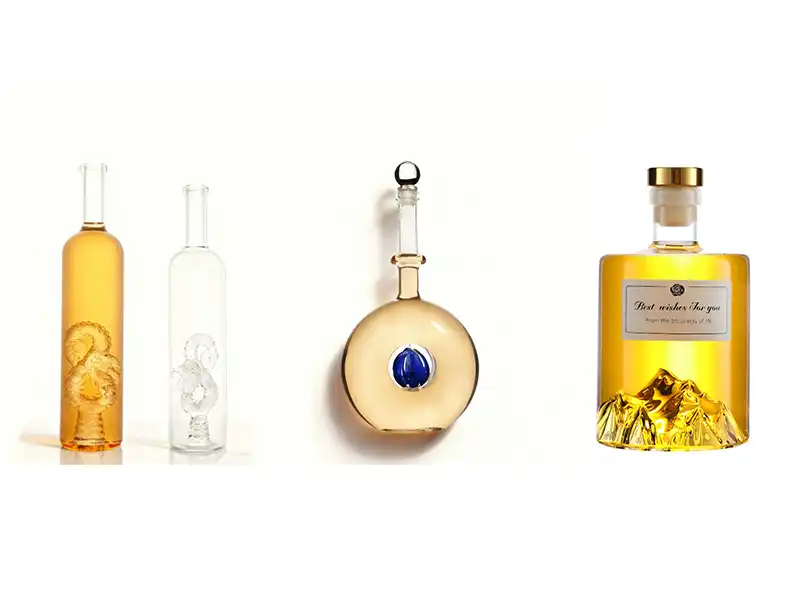
What Are Bespoke Gin Bottles and Why They Matter in Premium Packaging
Understanding Custom Glass Bottle Design
When it comes to gin packing, Bespoke Gin Bottles options are very different from stock bottle options. Instead of choosing from a stock of current molds, brands hire custom bottle designs that reflect who they are. As part of this process, engineers make models for each brand that can make unique shapes, textures, and structure elements that can't be achieved with standard products.
The value offer goes beyond how it looks. With proprietary bottle designs, there is no chance of rivals copying your brand, which can happen when they use the same stock bottles. Premium gin producers know that the authenticity of the package has a direct effect on how customers think about the quality of the product, which is why they charge more for their products.
The Business Case for Custom Packaging Investment
Putting money into custom bottle design pays off in a big way by building brand loyalty and setting your business apart in the market. When a new product or an improved version comes out, it needs unique packing to stand out on the shelf and get people to try it and then buy it again. The way you feel when you hold a bottle with a unique design changes how good you think it is before you even pour it.
Custom glass bottles become intellectual property assets that rivals can't copy for brands that want to stay at the top of the market for a long time. This exclusivity is especially useful in busy market areas where being able to stand out visually is key to success. The initial investment in the mold is spread out over multiple production runs, which makes unique options affordable for brands that plan to sell more than three million bottles per year.
Material Excellence: Borosilicate vs. Standard Glass
The choice of material has a big effect on both how it looks and how well it works. Compared to regular soda-lime mixtures, Borosilicate glass is clearer and more resistant to heat. This high-quality material shows off the plant clarity that is needed for fine gin and lasts throughout the supply chain.
Because Borosilicate glass is clear, customers can see the color and purity of the product, which reinforces the message of quality. Brands can ask for clear glass to make their logos stand out or ask for custom color spray painting to give their logos unique amber, emerald, or blue tones that become associated with the brand. The choice of material affects everything, from how light bends to how well it can handle sudden changes in temperature during filling.
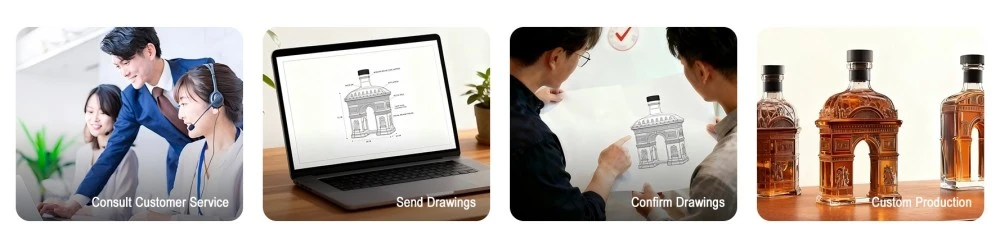
Top Bespoke Gin Bottle Designs and Materials for Premium Appeal
Geometric Innovation in Bottle Silhouettes
Modern Bespoke Gin Bottles designs use strong geometric shapes that break away from the usual circular shape. Hexagonal and octagonal cross-sections give the product a unique feel in your hand and make it more stable on the shelf. Angular shapes catch the light in stores in ways that make them stand out in crowded display areas.
More and more, distilleries want bottles with heavy bottoms that have a clear weight spread at the bottom. This way of designing drops the center of gravity to make the object more stable and communicates substance and quality through touch. When looked at through the bottle, the solid base can have interior relief or etching that gives the impression of depth.
Our custom gin decanter is a great example of this style, with its 500ml volume and ergonomic design. The Bespoke Gin Bottles construction makes it clear and lets you use heat transfer printing to apply complex logos. For gift and collectors' markets, the included glass lid makes the unboxing experience more beautiful by adding a stylish closing.
Surface Finishing Techniques That Elevate Presentation
The way the surface of personalized glass bottles is treated has a big effect on how expensive they are positioned. Frosting gives a surface a classy matte finish that spreads light evenly and makes a great background for shiny logos. Acid etching leaves a lasting texture on the surface that shows it was made by hand and doesn't wear down easily when it's being handled or cleaned.
Using embossing and debossing methods gives your brand more depth and engages your sense of touch. Raised letters or patterns that are set into the surface give something a jewelry-like look that explains the higher price. These methods work especially well for commemorative versions and limited sales aimed at collectors.
Metallic foils can be hot stamped onto the shoulders, necks, or body parts of bottles to make them look more expensive. When lit up in a bar or store, gold, silver, and copper finishes shine very brightly. Our product line uses thermal transfer printing, which makes it possible to make complicated designs with many colors that are very clear and last a long time.
Closure Systems: Functional Design Meets Brand Expression
Choosing the right closure takes the story of a brand beyond the bottle body. Natural cork closures show respect for custom and handcrafted quality, and the process of uncorking is a pleasant part of the experience. While keeping the formal opening experience, synthetic corks offer stability and get rid of the risk of cork taint.
With custom-embossed branding, bar-top corks can be turned from useful items into treasures. The carefully designed hole width, which is usually between 18.5mm and 21.5mm, makes sure the bottle fits right and keeps the ethanol from evaporating while it's being stored. Our glass lid solution is a unique option that works well for gift markets and can be used again and again for home decor purposes.
Color Customization and Brand Identity
Clear glass is still a popular way to show how pure a product is, but unique color treatments make brands stand out right away. By using spray painting, you can get even coverage of color in almost any shade. Deep jewel tones like emerald and sapphire show that the item is expensive, while softer colors suit modern design tastes.
Gradient color changes and multi-tone effects are more complicated ways to decorate that make things look interesting. Translucent color processes change the color of the object while still letting light pass through. Companies can match the color of the bottle with the design of the label, the finish on the cap, and the materials used for the packing to make a unified visual system that helps people remember the brand.
Color customization can be used for a lot of different things, like yearly releases, changes made for local markets, and advertising efforts. Using existing bottle molds to keep costs down and create a sense of urgency and collectibility with limited edition colors.
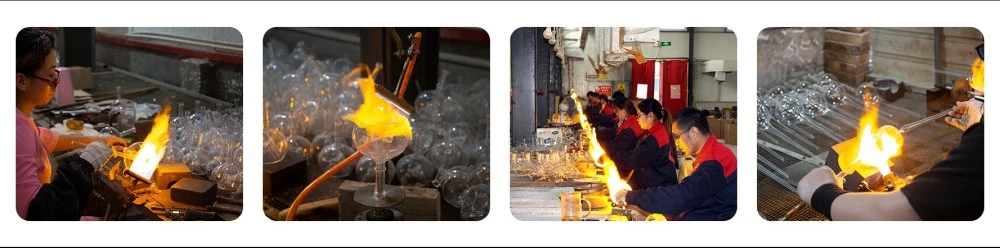
How to Choose the Best Bespoke Gin Bottle for Your Business Needs
Capacity, Dimensions, and Logistics Considerations
Bespoke Gin Bottles size has a direct effect on price strategy, when things are used, and how well logistics work. Standard 700ml bottles are most popular in stores, while 500ml bottles are better for high-end markets and gift giving. Larger 1000ml choices are better for people who want to save money and for businesses where pour cost is important.
Everything from box pack-out density to show fixture compatibility is affected by size. Taller bottles stand out on the shelf, but they may be too big for normal back bars. Wider bottles have more surface area for decorating, but they are harder to palletize. To get the best total cost of ownership, procurement workers need to find a mix between how things look and how they work in the supply chain.
The way weight is distributed affects both the cost of packaging and how good it is thought to be. While heavier bottles show that they are more expensive, they also leave a bigger carbon effect. Smart engineering carefully distributes the weight of the glass, putting most of it in the base and shoulders and thinnining the sidewalls to keep the structure strong while lowering the total weight.
Quality Standards and Supplier Validation
Setting clear quality standards protects the brand's image and makes sure that all production runs are the same. Tolerances in glass thickness, finish consistency, physical accuracy, and defect rates are some of the most important factors. Reputable makers offer thorough paperwork for quality control and welcome reviews by outside parties.
When a supplier is validated, their output capacity, technical skills, and track record with related tasks should all be looked at. ISO certifications show dedication to quality management systems, and client references from well-known names give trust in the ability to carry out tasks. Knowing a supplier's minimum order quantities, wait time dependability, and desire to work with design changes can help you avoid costly delays.
Since 1992, Jiateng's three-generation history has helped them form relationships with well-known names like Xifeng Wine and Wuliangye, which makes about three million bottles of wine every year. Our international trade team has worked in foreign markets for 15 years, and our tech experts help with everything from the first idea to the final delivery. With this much experience, you can be sure that even the most complicated unique tasks will be completed perfectly and on time.
Cost Structure and Value Analysis
The price of a custom bottle depends on how much it costs to make the mold, how many bottles are made, how complicated the decoration is, and what materials are used. The cost of a mold can be anywhere from a few thousand dollars to tens of thousands of dollars, based on how complicated the design is and how many cavities it has. This set cost is spread out over larger orders, which makes ordering more of it much more cost-effective per unit.
Costs of production depend on the weight of the glass, the level of accuracy needed, and the number of rejections. Borosilicate glass and other high-end products are more expensive than regular ones. Tough tolerances and complicated forms make production harder and waste more, which affects unit costs.
Depending on how complicated the method is and how many colors are used, decoration steps add extra costs. Screen printing is still a cheap way to make simple designs, but thermal transfer and hot pressing are better for making complicated designs. When procurement workers understand these cost causes, they can make sure that specifications meet quality standards while staying within budget limits.
Where and How to Procure Bespoke Gin Bottles Efficiently — A Guide for B2B Buyers
Identifying Qualified Manufacturers and Suppliers
There are many possible partners in the global glass packaging business, but it takes some research to find manufacturers with the right knowledge and capacity. Chinese makers have the most production ability and offer competitive prices along with advanced technical skills. Hebei Province, especially the Cangzhou area, has a lot of experts who make glasses for foreign liquor brands.
When looking at possible partners, you should look at their production size, mold-making skills, decoration technology, and experience exporting. When manufacturers work with well-known names, they show that they know how to meet foreign compliance standards and have high quality standards. Export history to places like the USA, Europe, Australia, and Japan shows that the company is familiar with a range of regulatory settings and client standards.
Our factory in Cangzhou, Hebei Province, has both high-tech production tools and finishing skills that are done by hand. We have won the trust of people in 50 countries as a Gold Supplier for nine years, with over $4 million in transactions and regularly high ratings for performance. With this foreign knowledge, buyers in a wide range of markets can be sure that their projects will be carried out smoothly.
Understanding MOQs, Pricing, and Production Timelines
Minimum order amounts for Bespoke Gin Bottles show how much it costs to make a unique mold and set up a factory. For most custom projects, you need to make 20,000 to 30,000 units before you can afford to buy a mold. However, semi-automatic production can handle runs as low as 6,000 to 10,000 units, though each one will cost more. Knowing these limits helps buyers place the right-sized initial orders and plan for long-term promises to volume.
Talking about prices shouldn't just be about unit costs; it should also be about total landing costs, which include things like shipping, duty, and decorating. Bulk price tiers encourage bigger pledges and lock in good rates for partnerships that last more than one year. Payment terms usually include mold deposits, production deposits, and the balance due before sending. As ties get stronger, payment terms become more flexible.
From approval of the concept to delivery, the production process takes four to six months. This plan includes engineering and 3D prototyping for two to three weeks, making a test mold and samples for four to five weeks, finetuning samples for two weeks, making a production mold for four weeks, and manufacturing for four to five weeks. Manufacturers with a lot of experience give thorough project timelines with checkpoints at key points to keep things open and accountable.
Building Long-Term Supplier Partnerships
The best unique bottle programs come from partnerships where people work together instead of just buying and selling. Sharing plans for new product launches, market growth, and increased volume helps providers hold capacity and make the best use of production schedules. When people make long-term promises, they can afford to spend money on specialized molds, color matching, and process optimization that is good for everyone.
Communication on a regular basis helps everyone stay on the same page about quality standards, release dates, and new needs. Setting up clear ways for technology problems or production problems to be escalated keeps small issues from growing into costly delays. Reviewing a business once a year gives you a chance to talk about success, find ways to make things better, and plan for future growth.
Our dedication to working together goes beyond just making. As brands change, we offer ongoing design advice, help with legal compliance across markets, and strategic capacity planning to support growth paths. This all-around method has helped us keep ties with top brands for decades, because those brands value dependability and constant improvement.
Emerging Trends and Future Directions in Bespoke Gin Bottle Packaging
Sustainability and Eco-Conscious Design
As brands try to meet customer standards and government regulations, environmental responsibility plays a bigger role in the packaging choices they make for Bespoke Gin Bottles. Lightweight bottle designs use less material and produce fewer emissions during shipping without lowering the quality that people think they are getting. When compared to standard heavy-base designs, strategic glass spread keeps the structure strong while cutting weight by 20% or more.
The use of recycled glass lowers the need for new materials and the amount of energy needed for production. Many companies now make choices that use 30% to 50% post-consumer recovered glass while keeping the strength and brightness of the glass. This method helps reach sustainability goals and might be eligible for green buying rewards.
Programs that let you refill bottles are a new trend that works well for expensive branding. Unique custom designs turn into long-lasting brand assets that customers keep and refill, which cuts down on packaging waste by a huge amount. As the business model changes from selling products to selling content, it needs to be built to last and have a classic look that will appeal through many rounds.
Technology Integration and Smart Packaging
Adding digital technology to bottles turns them from useless objects into brand experiences that you can interact with. Near-field communication (NFC) chips built into stickers or caps let you use your phone to verify your identity, get drink recipes, and hear stories about your brand. This technology fights counterfeiting and creates ways to interact with customers that go beyond the original buy.
When you scan bottles with your phone, augmented reality features add digital material to the actual package. Brands use this feature to give tours of distilleries, tell stories about where they get their botanicals, or give drink lessons. The technology makes events that people will remember, which makes them more likely to share with others and form emotional bonds.
Temperature-sensitive coats and paints solve problems and look interesting at the same time. Color-changing parts show the best temps for serving or verifying your identity. These traits make the product more valuable by being useful in real life and interesting enough to spread through word of mouth.
Personalization and Limited Edition Strategies
As digital printing technology makes it possible to print small quantities at low cost, hyper-personalization is the next big thing in custom packages. For direct-to-consumer channels, brands make designs that are special to an area, event commemoratives, or even bottles with their own names on them. Extreme tailoring helps customers feel connected to the brand and creates collector value that goes beyond the product itself.
Custom bottle designs for limited editions create a sense of scarcity and urgency. Seasonal designs, anniversary versions, and partnerships between artists become items that people want, sell for a lot of money, and get a lot of attention. To match exclusivity with production costs, the approach needs careful planning of mold investments.
Because we can insert scenery, architectural icons, or unique images directly into bottle glass, we can do a lot of creative things that turn packaging into art. This "bottle holds a landscape" method makes talking pieces that keep the brand alive in people's homes long after they've finished drinking the product, which is good for marketing in the long term.
Conclusion
When choosing the right personalized glass packing, you have to balance your desire for style with the need to save money. Clear brand goals, reasonable timelines, and relationships with makers who bring both technical know-how and a willingness to work together are what make projects successful. As the market for spirits gets more competitive, unique packaging helps to set brands apart in a way that supports their high-end branding and builds long-term brand value. Investing in high-quality Bespoke Gin Bottles design shows a dedication to excellence that appeals to picky customers and sets the stage for long-term market success.
FAQ
What is the typical production timeline for custom gin bottles?
Complete project timelines range from the first ideas for designs to the delivery of the finished product, which takes about four to six months. This plan includes design engineering and 3D prototyping, making a test mold, making samples and making them better, making a production mold, and making the product and decorating it. Manufacturers with a lot of experience give clear, thorough milestone plans with checkpoints. Rush services might shorten deadlines a little, but they might lower quality, so it's important to plan realistically for a successful completion.
Can sustainable materials maintain premium quality standards?
Of course. It is possible to tell the difference between new and recycled glass by looking at how clear, strong, and attractive the recycled glass is to look at. Lightweight building is better for the climate because it doesn't hurt the strength or appearance of the structure. Sustainability is now a quality sign for Bespoke Gin Bottles that many high-end brands use to attract environmentally conscious customers. Working with makers who know how to use safe production methods is the key.
What minimum order quantities should brands expect?
Standard custom mold projects need between 20,000 and 30,000 units to make up for the cost of the tools and get good unit economics. Some makers can make smaller batches of 6,000 to 10,000 pieces using semi-automatic production, but the cost per unit goes up a lot. When brands want to work together for a long time, they often talk about staged deliveries, which divide production into several packages while still meeting minimum manufacturing numbers.
Partner with Jiateng for Your Custom Gin Bottle Manufacturing Needs
Jiateng is the company to work with if you need Bespoke Gin Bottles made. Because we've been making glasses for over 30 years, we can turn your ideas into high-quality packages. As a reliable company that makes custom gin bottles and ships them to more than 50 countries, we offer all kinds of customization, from our own mold creation to high-tech decorating methods like thermal transfer printing, spray painting, stamping, and multi-color finishing. Our factory in Cangzhou uses both modern technology and handicraftsmanship to make sure that every bottle meets our high quality standards.
When you work with our experienced foreign trade and tech teams, you get full service from the first sketches of an idea to the delivery of the finished product. We're happy to work on projects of all sizes, from introducing 10,000 pieces to a multimillion-bottle annual program. Our solutions can be expanded as your brand does. Get in touch with us at lhd513@jtblzp.com or visit jtglass.com to talk about how custom packaging can help your high-end drinks stock stand out in the market. Contact
References
1. Smith, J. & Anderson, K. (2022). Premium Spirits Packaging Design: Trends and Consumer Psychology. Beverage Industry Press.
2. Thompson, R. (2023). "The Economics of Custom Glass Bottle Manufacturing for Craft Distilleries." Journal of Packaging Innovation, 18(3), 145-162.
3. Williams, M. (2021). Sustainable Glass Packaging: Materials, Processes and Market Impact. Environmental Packaging Institute.
4. Chen, L. & Roberts, P. (2023). "Brand Differentiation Through Proprietary Bottle Design in the Spirits Sector." International Marketing Review, 29(4), 78-94.
5. Davidson, S. (2022). The Complete Guide to Spirits Packaging Procurement. B2B Publishing Group.
6. Martinez, A. (2023). "Emerging Technologies in Interactive Beverage Packaging." Packaging Technology Quarterly, 41(2), 203-219.