



What factors influence custom spirit bottle pricing?
When purchasing custom packaging for spirit bottles, procurement managers and brand owners have to deal with a complicated price situation that is shaped by many factors that are linked to each other. Custom Spirit Bottles are different from other types of packing because they are made with custom patterns, special materials, and finishing methods that are specific to your brand. Prices depend on the type of material used, the complexity of the design, the number of items that need to be made, the methods used for decoration, and the supplier's skills. When you know these factors, you can better discuss terms, make sure that your investments in packaging are in line with how you want to place your brand, and form long-term partnerships with dependable manufacturers who always offer high quality.
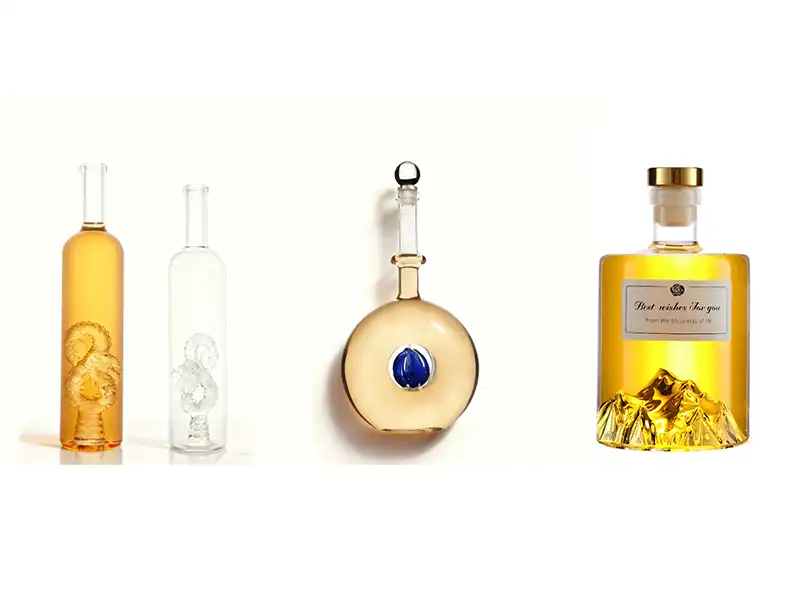
Primary Factors Influencing Custom Spirit Bottle Pricing
Material Selection and Quality Standards
The prices of materials are an important part of pricing. Due to its better composition and production needs, borosilicate glass costs more than regular glass. However, it has real benefits, like better product safety and less breakage during shipping. The thickness of the material you choose also affects costs. Making heavy bottles with thicker walls takes more energy and raw materials, but they look more expensive and are stronger than smaller bottles that aren't as thick.
Our bottles are made from high-quality borosilicate glass that we get from dependable sources in Hebei Cangzhou. This way, we can be sure that each batch of bottles is the same. This choice of material makes sure that your whiskey, vodka, gin, or baijiu keeps tasting the way it should without the package changing it. International safety standards for North America, Europe, and Asia are met by lead-free formulations. This gets rid of compliance issues that could slow product launches.
Design Complexity and Tooling Requirements
The size, form, and structure of your bottle design have a big effect on the price. To make simple circular bottles with standard ends, you only need simple tools and easy steps. For shapes that are too complicated, like those with embossed names, textured surfaces, different shoulder angles, or custom base designs, you need special molds that cost more up front and require more complicated production steps.
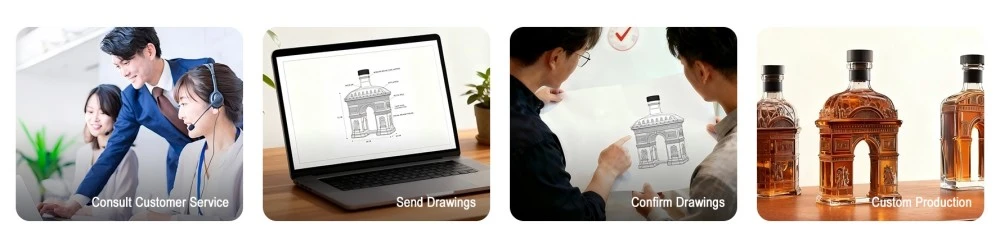
During the design phase, our engineering team works closely with clients to turn conceptual ideas into technical plans that strike a balance between the client's desire for beauty and the ability to make the product. We can use 3D printing to make actual prototypes of your bottle before you commit to making the final mold. This way, you can see how the bottle fits into your general packaging system and how it feels to hold. This iterative method keeps you from having to make expensive changes after the tools are finished, and it makes sure that the end result is exactly what your brand envisions.
Mold costs depend on how many cavities it has and how complicated it is. Single-cavity molds make one bottle per cycle, while multi-cavity setups make more bottles but cost more up front. Volume forecasts help figure out the best mold strategy. Brands that plan to make more than a million units a year usually benefit from multi-cavity manufacturing, even though it costs more at first, because the cost per unit goes down a lot as production runs get bigger.
Manufacturing Volume and Economies of Scale
Through economies of scale, the number of items ordered has a huge effect on the price per unit. No matter how big or small the batch is, setting up production takes time for installing molds, calibrating machines, and checking quality. These fixed costs are spread out over the total number of bottles made. This means that bigger orders have lower costs per bottle because the setup costs are spread out over more units.
Our base order quantity starts at 10,000 pieces, which means that new names and limited-edition releases can get Custom Spirit Bottles. But when purchasing managers order 100,000 units or more, they can get better prices that represent the cost savings they get from making more at once. Our clients whose yearly needs reach three million bottles make framework agreements that protect them from market instability and allow them to make accurate budget forecasts. These agreements ensure stable prices and the distribution of production capacity.
Volume agreements also have an effect on how material is managed. Some brands like to place smaller orders more often to keep their options open and keep their storage costs low, while others use their storage space to place bigger orders at lower unit prices. Knowing your demand trends, cash flow factors, and storage space helps you choose the right order size to get the most out of your business.
Surface Finishing and Decoration Techniques
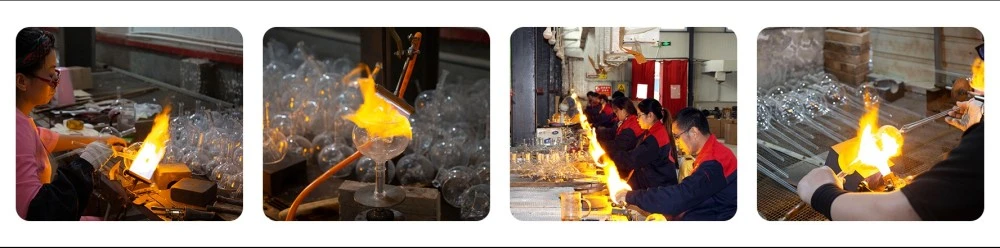
Decorative processes turn useful objects into strong brand champions. Along with screen printing, frosting, hot pressing, spray painting, and laser engraving, we can also do thermal transfer printing, which gives you a lot of finishing choices. Each method has different costs and produces different visual results that are better for certain brand statements.
For complex label designs and artwork with many colors, thermal transfer printing is the best way to go. It lets you print high-resolution pictures with photographic detail. Screen printing gives designs and text parts long-lasting durability and bright color saturation. Frosting makes beautiful matte finishes that show off your style, and electroplating adds shiny touches that shine and catch the eye of customers. Custom color spray painting lets you choose exact Pantone matches, which makes sure that all of your products' wrapping looks the same.
Decor prices go up as the coverage area and number of colors used go up. Full-wrap images with more than one color take longer to make and use more material than simple logos with only one color. Using more than one method, like frosted glass with gold hot-stamped features, makes the final product look better but costs more per unit. Our team compares the costs and benefits of different decoration choices to help you choose the ones that meet your needs and your budget.
Closures, Packaging Accessories, and Complete Solutions
Prices for bottles often don't include caps and other parts of secondary packing that add a lot to the total cost of packaging. Different types of closures and tops, like corks, plastic stoppers, metal caps with custom engraving, wooden tops, and combination closure systems, come at different price points and serve different purposes. Premium drinks usually have closures that match the quality of the bottle and support the brand's positioning. For example, a beautifully created bottle should have a closure that is just as well made and gives you satisfying tactile feedback when you open it.
We offer full package options, which include glass lids that keep the material of your packaging consistent. This unified method makes the process of buying easier and makes sure that all parts meet the same quality standards. Our sourcing network gives you access to sellers of gift boxes, label printers, and closures. This lets you take care of all of your needs from a single source, which makes it easier for foreign buyers to manage long supply chains.
The cost of landing and the way a product looks are both affected by secondary packing like gift boxes, cardboard dividers, individual sleeves, and shipping packages. As customers and stores put more emphasis on being environmentally friendly, sustainable packaging materials become more important in deciding what to buy. We offer customizable packing options made from biodegradable and reusable materials that keep goods safe while they're in travel and are in line with companies' sustainability goals.
Comparing Pricing: Custom Spirit Bottles vs Standard Bottles
Custom Spirit Bottles cost more than regular ones because they have unique patterns that other companies can't copy. When a new craft whiskey or small-batch gin comes out, the unique shape of the bottle lets people know that it is real and well-made before they even taste it. This visual difference supports higher retail prices because customers see unique packing as a sign of higher quality and brand investment. Research shows over and over that packing affects people's decisions to buy, especially when it comes to expensive drinks, where gift-giving events drive a lot of sales.
Standard bottle price is convenient for brands that don't need to stand out too much or have tight start dates because it's predictable and easy to get. Generic boxes work well for value-segment goods where the packaging's main purpose is to hold the product and not to show off the brand. Standard choices, on the other hand, limit your ability to be creative and make your product compete mainly on price and liquid quality, not on the whole brand experience.
Quality handmade bottles last longer, which lowers supply chain costs because they break less often. Our borosilicate glass formula and handmade production methods make bottles that are more structurally sound than mass-produced options. This sturdiness directly leads to less product loss and fewer customer complaints about damaged goods during foreign shipping with multiple handling points. The money saved by not having to throw away as much often covers the extra cost of custom production, especially for brands that sell in many places and need to ship goods over long distances.
Building up brand reputation is another important aspect of value. When people see your goods over and over again, they start to associate your unique packaging with your brand. This builds brand recall over time. This increase in the value of intangible assets goes far beyond the economics of a single transaction. It creates an ongoing market position that supports brand growth and new product launches that build on established visual equity.
Procurement Considerations That Affect Pricing
Minimum order amounts set by manufacturers are based on production costs and capacity utilization. Our MOQ of 10,000 pieces allows craft distilleries and limited releases to work with us while still allowing us to make enough to stay in business. Brands that are willing to commit to orders of 50,000 or 100,000 units can get graduated price cuts that reflect lower setup costs per unit and better buying power for materials.
Minimum Order Quantities and Volume Discounts
Volume agreements let both sides plan ahead, which is good for everyone. We reserve production capacity and make sure we have stable prices for raw materials when you give us yearly demand figures and set up orders. This way of planning together lowers risk and lets you get better prices that reflect the value of your partnership. Many of our long-term clients who need millions of bottles every year keep blanket purchase orders with planned releases. This helps them keep their working capital in check and ensures they always have a stock of wine.
Supplier Location and Logistics Considerations
The site of the factory has a big effect on the total landed costs because of shipping costs, wait times, and tariff effects. Our location in Hebei Cangzhou gives us significant benefits for reaching markets around the world. Being close to important ports makes it easier to load containers quickly and get cheap ocean freight rates to North America and Europe. From order confirmation to shipment, production wait times are usually between 35 and 50 days, based on the complexity of the design and the size of the order. This lets you correctly plan when to restock your inventory.
Logistics costs depend on the size of the package, where it's going, and the state of the freight market at the time. Full container loads are the most cost-effective way to ship units than less-than-container loads, which need to be consolidated. Our logistics coordination support includes setting up freight handling, preparing customs paperwork, and keeping track of deliveries. This makes international buying easier for people who don't have their own import experts.
Figuring out the real landed costs of glass bottles helps you understand the tax and price systems that apply in the market where you want to sell them. The total amount of money that needs to be invested is affected by trade deals, rules about place of origin, and decisions about how to classify products. We give advice on standardized tariff codes and paperwork to back up strategies for minimizing duties when they apply.
Customization Support Services and Technical Assistance
Getting full design help is very helpful during the whole customization process. Our foreign trade team, which has been together for 15 years, and our experienced engineering department work together to turn initial ideas into specs that can be used in production. This technical support includes suggestions for materials, structural engineering to make sure the product can be made, help with regulatory compliance, and choosing the best decorating method for your budget and style goals.
We offer 3D-printed models that can be seen and touched before the final mold is made. This stage of prototyping finds problems that aren't shown in the plans, like ergonomic issues, label application issues, and closing fit issues, that would be hard to fix after the tooling is finished and would cost a lot of money to do so. The small amount of money spent on making the prototype guards against much bigger costs that come up when mold changes or production delays are found during production.
Post-delivery help, such as resolving quality issues, processing reorders, and consulting on ongoing growth, makes partnerships stronger than just business relationships. As part of our account management process, we give you a personal contact who knows your brand's needs, your technical tastes, and your business's top priorities. This form of personalized service works especially well for clients from other countries, where time zone gaps and complicated communication could cause problems.
Certification and Compliance Requirements
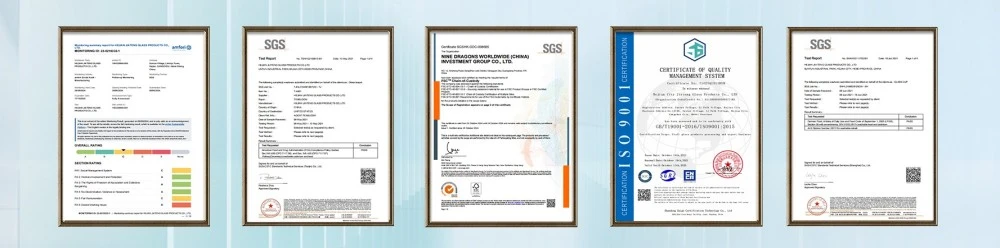
As corporate responsibility pledges drive supplier selection, sustainability certifications have a bigger impact on buying choices. Our production methods focus on making the best use of resources, reducing waste, and using the least amount of energy possible. The fact that glass can be recycled fits in with the ideas of the circular economy, and it is better for the earth than single-use plastics that add to trash streams.
The costs of testing and licensing are built into the price of the project, but they are necessary to lower risk. When products are turned away at customs because they don't follow the rules, it causes huge delays and could mean huge market loses that are far greater than the costs of approval. We stay up to date on the latest legal requirements in the world's biggest markets so that our clients can confidently manage the complex world of compliance.
Emerging Trends Impacting Custom Spirit Bottle Pricing
Sustainability and Eco-Friendly Material Innovations
Being aware of the environment changes how materials are chosen and how things are made all over the packing business. Glass is naturally more environmentally friendly because it can be recycled over and over again without losing any of its quality. Our dedication to making formulations without lead and using less energy in production is in line with what buyers want: responsible buying practices that leave as little of an impact on the earth as possible.
Lightweighting programs make glass lighter while keeping the structure's strength. This cuts down on the use of raw materials and pollution from shipping. These technological improvements need mechanical know-how to balance less weight with resistance to breaking, but they save money in the long run by saving materials and cutting down on freight costs. Lightweighting is a way for brands to show they care about the earth and could help their bottom lines by cutting down on packing costs.
Adding post-consumer recovered glass content is another new way to improve sustainability. While virgin borosilicate glass guarantees the best quality and uniformity, using recycled material whenever possible is better for the world. We keep an eye on changes in technology that make it possible for higher amounts of recycled content without affecting the performance or appearance of materials that are important for fine spirits packages.
Advanced Printing and Personalization Technologies
Digital decoration technologies make it possible to make smaller batches of Custom Spirit Bottles, which would not be possible with standard screen printing because of the cost. Variable data printing lets you customize each bottle with a unique serial number, a limited edition mark, or a special message just for the customer. These features open up new marketing chances and make customer interaction stronger by giving them more unique experiences.
When smart packaging is added to real drinks, they get digital features. Physical goods can be linked to digital brand experiences through NFC chips, QR codes, and augmented reality triggers that are built into signs or raised on glass. When customers interact with packages to get authentication proof, cocktail recipes, tours of distilleries, or to join a loyalty program, they build better brand relationships and give marketers useful information that helps them make marketing decisions.
These new technologies come with higher costs, but they open up ways to differentiate that aren't possible with traditional methods. Smart packaging investments pay off in a big way for brands that want to reach tech-savvy customers or stop bogus goods. These investments make customers more interested in the brand and give brands more control over the supply chain.
Luxury Market Premiumization and Design Innovation
Premium spirits categories have been growing steadily because people value quality over number and want unique goods for their own use and to give as gifts. This move toward premiumization makes wrapping more important as a way to show that the product is of higher quality, which justifies higher prices. New bottle forms, heavy glass construction, detailed embossing, and fancy painting methods are no longer nice-to-haves but necessary to stay competitive.
We're seeing a rise in the desire for sculptured bottle designs that can be kept as works of art long after the drinks are gone. These artistically ambitious bottles need advanced tools and careful handcrafting to make. This makes the production very expensive, but they look great on shelves and can be shared easily on social media, which increases brand exposure through user-generated content.
Price elasticity is higher in the luxury market, where people are willing to pay more if the packaging shows genuine craftsmanship and an exclusive place. This changes the game for brands that are willing to spend money on unique packaging that becomes an important part of their story and makes the product more desirable.
Global Supply Chain Dynamics and Material Cost Volatility
In the past few years, weaknesses in the supply chain have been found that affect the quantity of raw materials, the speed of shipping, and the ability to predict costs. Energy prices, the cost of silica sand, and shipping rates all change based on changes in the economy, pandemics, and geopolitics. Because these outside factors affect prices, buyers need to be able to adapt their buying strategies and work together with their suppliers.
Approaches based on long-term partnerships with key providers protect against short-term changes. Our long-term partnerships with raw material sellers and logistics providers give us better access during times when supplies are limited, and framework deals keep prices more stable. These structural advantages are better for clients who sign multi-year partnerships than for transactional buyers who are vulnerable to spot market instability.
The improvement of an inventory strategy weighs the costs of holding items against the safety of supplies and the stability of prices. Some procurement managers keep more safety stock during times when prices are expected to go up or when supplies are unclear. They are willing to take on more working capital in order to lock in good prices and keep production going. Others keep small stocks and depend on relationships with suppliers to make sure they can deliver on time.
Conclusion
Being clear about prices and understanding factors helps people make confident sourcing choices that balance quality, business goals, and budget facts. Final prices are affected by the type of material used, the complexity of the design, the amount of production, the decoration methods, and the supplier's skills. Custom Spirit Bottles cost more than standard options, but the benefits to brands that want to attract quality-conscious customers through brand differentiation, consumer interaction, and premium placement make the costs worth it. We are your perfect partner for high-quality packing that brings your products to the top of the market thanks to our 30 years of experience making things, our skill in borosilicate glass, and our ability to make any changes you want.
FAQ
What is the typical lead time for custom spirit bottles?
Production times range from 35 to 50 days from the time an order is confirmed until it is shipped, depending on the difficulty of the design and the size of the order. This includes making the model (if using current tools), planning the production, making the product, checking its quality, decorating it, and packing it. For projects that need a new cast to be made, it takes an extra 20 to 30 days to make the tools and get sample approval. Depending on the location and the freight method, international shipping can take an extra 20 to 40 days.
How do minimum order quantities affect custom bottle pricing?
Through set cost distribution, MOQs have a direct effect on unit economy. Our 10,000-piece minimum lets smaller brands get Custom Spirit Bottles while still making sure that production runs can be completed. When you place an order for 50,000 units or more, you get better price that reflects lower setup costs per bottle. When a client orders 100,000 pieces or more, they get the best prices because the process is more efficient and they save money on materials.
Are eco-friendly glass bottles more expensive than conventional options?
The cost of sustainable glass packaging depends on a number of factors. Our normal process for making borosilicate glass uses eco-friendly methods and offers reasonable prices. Lighter bottles that use less material may actually drop costs while making the environment better. Certifications that the production is carbon-neutral and the use of post-consumer recycled material can add small fees.
Partner with a Trusted Custom Spirit Bottles Manufacturer for Your Next Project
Jiateng can help you with your packing problems because they have been making glass for 30 years and are experts at it. They combine artisanal skill with industrial scale. The high quality of our borosilicate glass bottles made in Hebei Cangzhou is what made us partner with well-known Chinese liquor names like Xifeng Wine and Wuliangye. We make about three million bottles a year, which shows that our capacity is reliable, which is important for brands that want to plan for a lot of volume. Our handmade bottles come in 350ml, 500ml, and 750ml sizes, and you can choose any color, design, or finish you want. They give your spirits the high-end presentation they earn.
Our engineering experts and foreign trade team, which has 15 years of experience exporting, work together to provide a seamless one-stop service from the beginning design phase to the final delivery. We know what different markets and regulatory settings need because we've worked with users in more than 50 countries. Our OEM/ODM skills and ability to accept smaller orders give you the freedom to start craft whiskey, premium vodka, or artisanal gin that fits the needs of your business. Get in touch with us at lhd513@jtblzp.com to talk about your Custom Spirit Bottles provider needs, ask for samples, and get detailed quotes that will help your brand succeed. Contact
References
1. Smith, J. & Anderson, K. (2022). Premium Spirits Packaging: Design Trends and Consumer Psychology. International Journal of Beverage Marketing, 34(2), 145-168.
2. Chen, L. (2021). Glass Manufacturing Technologies and Cost Structures in Contemporary Production. Materials Science Quarterly, 18(4), 223-247.
3. Rodriguez, M. & Taylor, P. (2023). Supply Chain Dynamics in Global Beverage Packaging Markets. Journal of Procurement and Logistics, 41(1), 76-94.
4. Williams, R. (2022). Sustainable Packaging Materials: Environmental Impact and Economic Considerations. Packaging Technology Review, 29(3), 112-135.
5. Zhang, W. & Liu, H. (2021). Borosilicate Glass Applications in Food and Beverage Industries. Chemical Engineering and Materials Science, 15(2), 89-107.
6. Thompson, E. (2023). Brand Differentiation Through Custom Packaging: Case Studies in Spirits Marketing. Brand Strategy Journal, 37(2), 201-226.