



What types of closures are available for custom liquor bottles?
When choosing the right caps for Custom Made Liquor Bottles, you can choose from a number of different types that are meant to protect the quality of the product and make the brand stand out. Traditional cork systems, current screw caps, synthetic alternatives, and specialized tamper-evident solutions are all kinds of closures that can be used. Each type of closing has its own benefits when it comes to how well it works, how it looks, and how much it costs. Natural cork closures are often used on high-end drinks to give them a more luxurious look. However, modern companies are increasingly using metal and synthetic choices that seal better. The choice is based on the needs of the product, the tastes of the target market, and brand marketing strategies in the spirits business, which is very competitive.
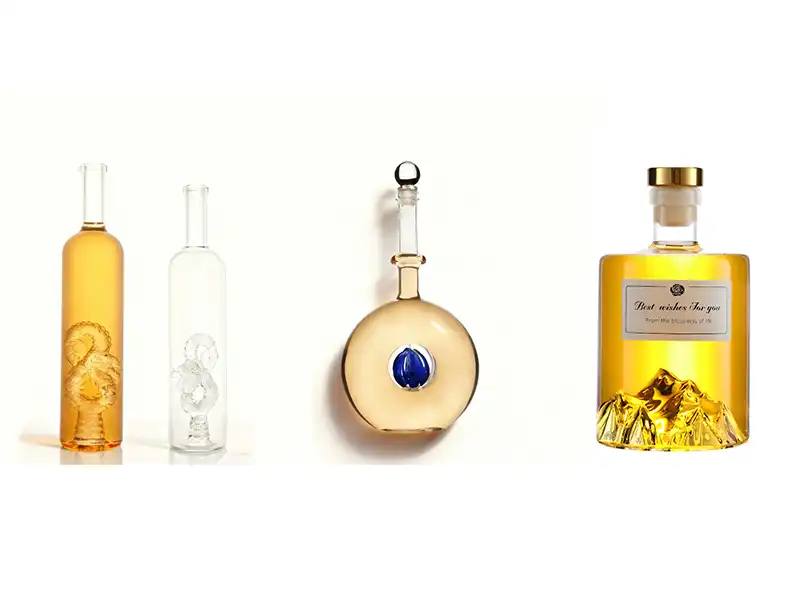
Understanding the Role and Benefits of Closures for Custom Liquor Bottles
For many reasons other than just closing a bottle, closures are very important parts. Their main job is to keep the purity of the product by providing better barrier qualities that stop oxidation and contamination. Quality caps make hermetic seals that keep the volatile chemicals that give premium spirits their unique smells and tastes.
The preservation part is especially important for old spirits because even a small amount of air can change the way they taste. Professional-grade seals keep the air inside the bottle steady and stop evaporation, which could change the volume and concentration of the product. Because temperatures change during travel and storage, covers need to be thermally stable to keep their seals intact in a variety of environments.
Enhanced Consumer Experience
Modern closing design puts the comfort of the user first without sacrificing function. When thinking about ergonomics, things like how easy it is to open, how comfy the grips are, and how smooth the removal processes are all improve the entire consumption experience. Resealability features let people keep the quality of a product after opening it for the first time. This is especially important for high-end drinks that are drunk over long periods of time.
Consumer study shows that the way a product is closed has a big effect on how valuable people think it is. Smooth operation and high-quality tactile feedback help people think of a good name, but closures that are hard to use or don't work right can lower total satisfaction, even if the product is of higher quality.
Brand Identity Reinforcement
Closures are strong branding tools that show what the brand stands for and where it fits in the market. Custom stamping, one-of-a-kind materials, and bright colors make visual elements that stand out on store shelves that are already full of goods. The closure is often the first thing a customer touches that reflects the brand, so how it looks and works are very important for making a good first impression.
Closures made of natural cork, heavy metal caps, or special synthetic substances can be customized by high-end names to strengthen their image as high-end. These options show that you care about quality and support charging more in competitive market areas.
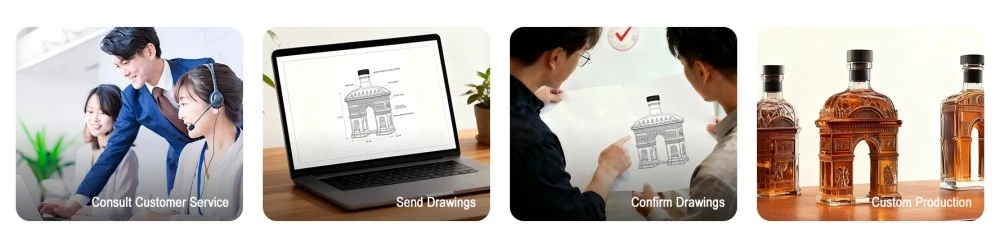
Comprehensive Overview of Closure Types for Custom Liquor Bottles
There are many types of closures that can be used to meet the needs of different products and tactics for placing them in the market. Knowing about a material's features, how it works, and whether it's right for a certain purpose helps you make smart choices that support your business goals, particularly when it comes to Custom Made Liquor Bottles.
Natural cork seals are still popular in high-end liquor and wine uses because they are traditionally linked to quality and workmanship. Cork's cellular structure makes it a great sealant while letting very little air pass through, which can be good for some old spirits. But because cork quality varies, you need to be careful when choosing a seller to avoid flaws that could make the product less reliable.
Traditional Cork Solutions
When bought from reliable sellers, natural cork is very durable and doesn't react badly with chemicals. About half of the world's cork comes from Portugal, and its constant quality makes it perfect for use in high-end drinks. Because cork is naturally pliable, it makes good seals that get better over time as the material molds to the shape of the bottle neck.
Concerns about uniformity can be eased with synthetic cork options that still look good. These designed materials get rid of the risks of cork taint while still performing in an expected way. New manmade materials have been developed that look and feel like real cork, but they are better at resisting chemicals and keeping their shape.
Metal and Screw Cap Systems
Aluminum screw caps are a cheap way to seal things and they have great barrier qualities and tamper-evidence features. Many new screw caps have lining technologies that keep metal from touching liquid and keep the caps' airtight seals. These closures work the same way even when a lot of alcohol is being made, which makes them perfect for small breweries that want to make more alcohol.
Closures made of stainless steel look great and last a long time without rusting or wearing down. Custom machining lets you make one-of-a-kind shapes that help your brand stand out while also being more useful. The heat conductivity of the material makes it feel good to touch, which raises the perceived value of the product.
Plastic and Synthetic Alternatives
Advanced polymer formulations give you a lot of options for color, texture, and useful qualities. They also help the environment by being recyclable. Nowadays, plastic covers are made of multiple layers that work just as well as older materials at keeping things out. With injection molding, you can make complicated geometric shapes that would not be possible with normal materials.
Biodegradable plastic replacements made from natural sources are being developed because of concerns about the environment. These materials meet the performance standards needed for fine spirits uses while also meeting the needs of regulators and consumers who want eco-friendly packing.
Specialized Closure Technologies
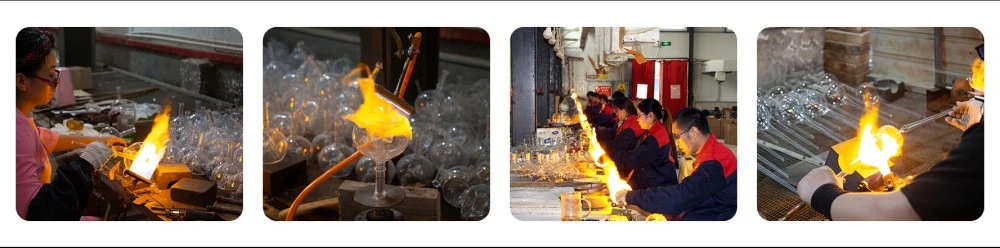
Custom Made Liquor Bottles often need unique closures that meet specific artistic or functional needs. Breakaway features in tamper-evident designs make it clear that the product is genuine, which is very important for high-end drinks and duty-free stores where security is very important. Embedded chips or QR codes in smart closing technologies provide digital identification features that allow consumers to interact with the product and protect against counterfeiting. These new ideas appeal to tech-savvy customers and offer brand protection features that are becoming more important in global markets.
How to Select the Ideal Closure for Your Custom Liquor Bottle?
For closure selection to work, a lot of different things that affect both functionality and business success must be carefully considered. Product suitability is the most important thing to think about because different types of spirits have different chemical environments that affect the choice of closing material.
High-proof drinks need materials that are very resistant to alcohol so they don't break down or get contaminated. Bourbon and whiskey can benefit from caps that keep the seal intact while letting little air in, which can help flavors develop while the bottle is stored. Vodka and gin need to be hermetically sealed to keep their neutral qualities and keep them from getting contaminated.
Consumer Preference Analysis
Market study shows that people's choices for close vary a lot from place to place, which affects how selection methods are used. People in Europe often choose traditional cork closures for high-end spirits because they are linked to history and workmanship. New closing technologies are being accepted more readily in American markets, especially by younger people who value ease of use and usefulness. Closure ideas are also affected by cultural factors. For example, in some places, certain materials are seen as signs of trustworthiness or quality. By knowing these tastes, brands can choose closures that appeal to their target audiences without making them think of bad things.
Sustainability Considerations
As brands try to meet government rules and meet customer demand for eco-friendly packaging, environmental effect assessments play a bigger role in choosing which closures to use. Life cycle studies compare where materials come from, how they are made, how they are transported, and how they can be thrown away at the end of their useful life to find the best environmental performance.
Recyclable materials are better in places where recycling is already common, while biodegradable materials are preferred by people who care about the environment, even if they may cost more. Some things that affect a company's carbon footprint are the amount of energy needed to make materials and the lengths that materials have to travel to get to production centers.
Supplier Evaluation Criteria
Supplier skills have a big effect on how well the closing goes and how well the project turns out. If a provider can meet the needs of a particular project while keeping quality standards across all production levels, that depends on their manufacturing capacity, quality control systems, and ability to make changes as needed. When a new product comes out or a holiday item comes out, planning is very important, so lead times become very important. The technical support services, such as design help and tests, are very helpful for improving the performance of the close. Before committing to full-scale production, suppliers with thorough testing facilities can make sure that the products will work together and last for a long time.
Comparison and Decision-Making Guide: Custom Closures vs Standard Solutions
When choosing between custom and standard closure options, you have to weigh a lot of things, like cost, the chance to stand out, and the difficulty of the process. Custom caps are very helpful for Custom Made Liquor Bottles that want to stand out in the market by adding unique design elements that strengthen brand identity.
Custom solutions allow for exact optimization for particular product needs, such as bottle neck dimensions, sealing performance, and blending in with the general design of the package. These customized methods often make higher prices make sense by increasing the value people think they are getting and making their experiences better.
Cost-Benefit Analysis Framework
Standard seals are available right away and have been shown to work reliably for a lower cost per unit. Standard solutions are appealing to brands that care more about saving money than standing out, because they can be made in large quantities at a lower cost. However, limiting the number of customization choices may make it harder to build a brand and gain a competitive edge.
Besides the original unit price, investment research must also look at the total cost of ownership. The costs of making a custom closure, such as the costs of tools, testing, and certification processes, need to be spread out over the expected numbers. Long-term perks like better brand recognition and the ability to charge higher prices usually make the original investment worth it.
Performance Optimization Opportunities
Custom closures let you improve speed in ways that standard options can't. Customizing the sizes makes sure that they fit perfectly with specific bottle designs, which gets rid of any problems that might arise with the security of the seal. The ability to choose materials in a variety of ways lets you get the best results for each product's features and storage needs.
One benefit of quality control is that specialized production runs lower the risk of contamination and make sure that performance traits stay the same. Custom design development lets you include particular quality standards and testing needs that are higher than the minimums set by the industry.
Risk Management Considerations
Standard options have been used before and have set supply lines that lower the risk of a project. When making a custom closing, there are a lot of unknowns that come up with issues like validating performance, getting governmental approval, and making the production scale up. Strategies for lowering risk include detailed testing plans and backup arrangements with suppliers.
Protecting intellectual property is another thing to think about when it comes to custom closing. Proprietary designs give companies a competitive edge, but they need security tactics to stop people from copying them without permission. For businesses to stay competitive, they need clear control deals and rules about privacy.
Future Trends and Innovations in Custom Liquor Bottle Closures
As technology improves, closing design and usefulness are always being changed. This opens up new ways for brands to stand out and get customers involved. Closures that use identification technologies to make sure the product is real and let customers interact with the product through smartphone apps are part of a big trend called "digital integration."
Near-field communication (NFC) chips built into covers let you share stories, drink recipes, and brand experiences that go beyond the usual uses of packaging. Younger people are interested in these tools, and they can help with marketing and product development by collecting useful data.
Sustainable Material Evolution
The main goal of material science innovations is to create long-lasting options that meet or beat current performance standards. Bio-based polymers that come from renewable sources are good for the earth and meet government requirements for eco-friendly packing. Modern recycling methods allow for closed-loop systems where closing materials can be recovered over and over again without losing their effectiveness.
Biodegradable materials made just for spirits uses take environmental worries and functional needs into account. Researchers looking into natural material alternatives are looking into things like hemp-based composites and farm waste products that could help brands that care about the environment in the long term.
Smart Technology Integration
Internet of Things (IoT) features let locks gather and send information about how products are stored, how they are used, and their states. Temperature and humidity sensors built into closures could let customers know when there are problems with storage, while also giving makers and marketers useful tools for keeping an eye on the supply chain. Using closure-embedded chips to connect to the blockchain makes the whole supply chain clear and protects against fraud. These technologies are becoming more important as the danger of fake high-end spirits grows in international markets.
Advanced Manufacturing Techniques
Three-dimensional printing technologies make it possible to make complex closing patterns quickly and in small batches, which wasn't possible with older ways of making things. Additive manufacturing lets you make complex geometric shapes and structures out of more than one material, which improves both function and appearance.
Nanotechnology is being used in closing materials to make them better at blocking out germs, killing microbes, and fixing themselves. This makes products last longer and keeps customers safer. The high prices of these new materials are often justified by the fact that they work better than other materials.
For brands that use our quality 500ml borosilicate glass construction for Custom Made Liquor Bottles, the choice of seal is especially important because our containers are so clear and strong. Because we can do thermal transfer printing, the design of the bottle and the look of the closure can be seamlessly combined. This makes for cohesive package solutions that make the most of your brand's effect.
Conclusion
Traditional cork closures, modern metal caps, new synthetic materials, and new smart technologies are just some of the many types of closures that can be used on custom booze bottles. Each choice has its own benefits when it comes to how well it works, how it looks, and how much it costs, and these benefits must be matched with the needs of the product and the brand's marketing strategies. To choose the right closure, you need to carefully think about how well the products work together, what the customers want, what the environment needs, and what the seller can do.
Custom solutions are becoming more popular because the market wants to stand out and be seen as high-end. At the same time, new technologies are making it easier to improve usefulness and get customers involved. To choose the best closure for competitive edge and business success, decision-makers have to weigh short-term practical needs against long-term strategy goals, especially when it comes to Custom Made Liquor Bottles.
FAQ
Q1: What factors determine closure compatibility with different spirit types?
A: Spirit alcohol content, pH levels, and chemical composition significantly influence closure material selection. High-proof spirits above 40% ABV require materials with exceptional alcohol resistance to prevent degradation. Botanical spirits containing essential oils need closures that resist extraction and maintain seal integrity. Aged spirits benefit from closures allowing controlled oxygen exchange, while neutral spirits require hermetic sealing to preserve purity.
Q2: How long do custom closure development projects typically require?
A: Custom closure development timelines range from 12 to 16 weeks, based on how complicated it is and how many tests need to be done. The first three to four weeks are spent on planning and testing. The next six to eight weeks are spent on making the tools. Three to four more weeks are needed for production approval and testing before mass production starts. It may take an extra 4 to 6 weeks if the patterns are complicated or the materials aren't common.
Q3: What minimum order quantities apply to custom closure projects?
A: Custom closing MOQs usually begin at 10,000 to 20,000 units, but this depends on how complicated the design is and what materials are needed. Simple designs that use standard materials may be able to get lower MOQs of around 5,000 units, but complicated closures with many parts need higher numbers in order to be cost-effective. Most of the time, standard seals have MOQs as low as 1,000 to 2,000 units and are available right away.
Q4: How do closure costs compare between custom and standard solutions?
A: Based on the material and amount, standard closures cost between $0.15 and $0.50 per unit. Custom solutions, on the other hand, usually cost between $0.40 and $1.20 per unit, which includes production costs that are spread out over time. Custom closures can cost more than $2.00 per unit if they are made of high-end materials or have complicated patterns. Price changes a lot based on volume agreements, with lower unit costs due to more efficient production for bigger orders.
Q5: What testing protocols validate closure performance?
A: Comprehensive testing includes checking the stability of the seal, seeing how well it works with chemicals, and seeing how long it will last mechanically. Tests that speed up the aging process mimic the conditions of long-term storage while measuring leakage, material stability, and useful performance. Drop tests and sound studies make sure that the closure is safe while it is being transported. Regulatory compliance testing makes sure that material approvals and food safety standards are met.
Partner with Jiateng for Premium Custom Made Liquor Bottles Solutions
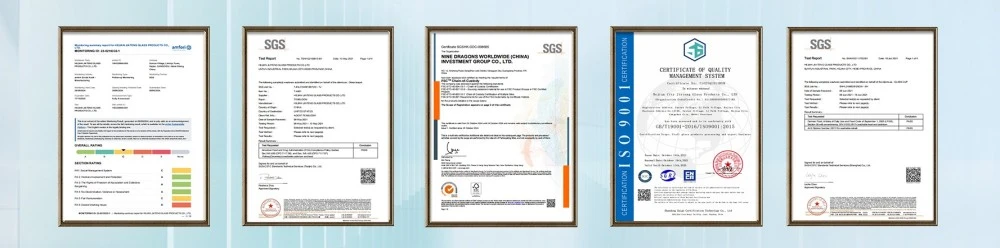
Jiateng's three decades of expertise in custom glass manufacturing position us as your ideal Custom Made Liquor Bottles supplier for comprehensive packaging solutions. Our handcrafted 500ml borosilicate glass bottles feature superior strength and clarity compared to standard glass materials, ensuring your premium spirits maintain integrity throughout distribution and storage. With thermal transfer printing capabilities and customizable color options, we create cohesive packaging designs that integrate seamlessly with your closure selections.
Our experienced engineering team provides complete support from initial concept through final delivery, while our flexible MOQ policies accommodate both emerging brands and established producers. Contact our international trade specialists at lhd513@jtblzp.com to discuss how our Custom Made Liquor Bottles manufacturing capabilities can elevate your brand presence and market positioning.
References
1. Smith, Michael J. "Advanced Closure Technologies for Premium Spirits Packaging." International Journal of Packaging Science and Technology, vol. 34, no. 2, 2023, pp. 145–162.
2. Rodriguez, Carmen A., and David Thompson. "Material Science Innovations in Beverage Closure Design." Packaging Engineering Quarterly, vol. 28, no. 4, 2023, pp. 78–94.
3. Williams, Sarah K. "Consumer Preference Analysis in Luxury Spirits Packaging Components." Journal of Consumer Marketing Research, vol. 41, no. 3, 2023, pp. 234–251.
4. Chen, Li Wei, et al. "Sustainability Trends in Alcoholic Beverage Packaging Systems." Environmental Packaging Review, vol. 19, no. 1, 2024, pp. 67–83.
5. Peterson, James R. "Smart Packaging Technologies for Anti-Counterfeiting in Premium Spirits." Security Packaging International, vol. 15, no. 2, 2023, pp. 113–128.
6. Anderson, Robert M., and Jennifer Liu. "Closure Selection Optimization for Custom Glass Bottle Applications." Glass Manufacturing and Design, vol. 52, no. 6, 2023, pp. 189–205.