



What You Need to Know about Custom Bottle Design
Custom bottle design is an investment that alcohol makers make when they want to stand out in the market. When looking into Bespoke Gin Bottles, it's important to understand the whole design process, from coming up with ideas to choosing the right materials to the end production. These beautifully made containers are more than just containers; they're strong brand ambassadors that talk about quality, tradition, and new ideas. Custom packaging for drinks lets brands get people's attention and make an impact that lasts, which helps people decide to buy and keeps them coming back in a competitive retail environment.
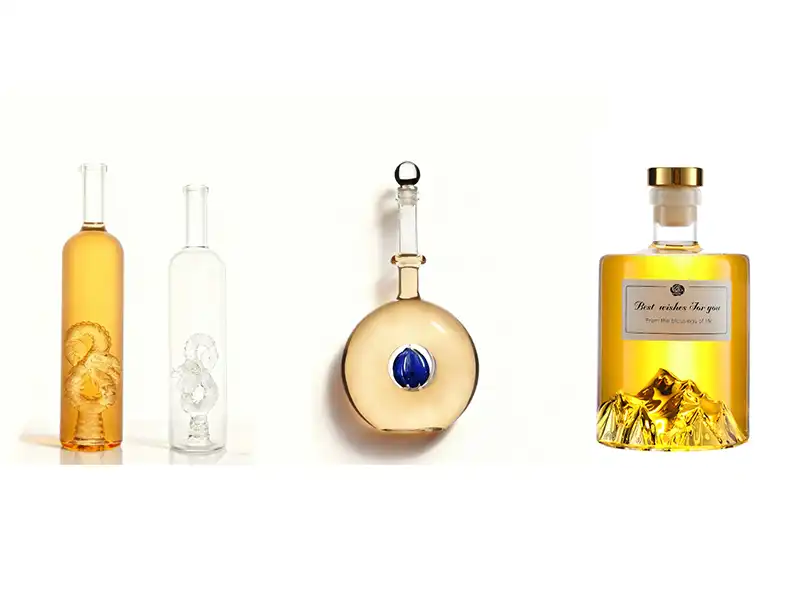
Understanding Bespoke Gin Bottles: Definitions, Benefits, and Materials
What Makes Bespoke Gin Bottles Different from Standard Packaging?
Bespoke Gin Bottles stand out because they have unique design features that other companies can't copy. Standard bottles that are mass-produced and can be used by any brand are not like these unique designs. They are made using proprietary mold development, which makes sure that your product stands out on shelves that are already full. Custom designs tell brand stories through shape, texture, and visual features that connect with target customers. This is more than just a matter of looks. This uniqueness makes it hard for competitors to enter the market and gives the company a high position in the market.
Key Benefits of Investing in Custom Bottle Design
Custom bottle design gives businesses measured results in a number of areas. When unique packaging makes visual anchors in a consumer's mind, brand recognition goes up faster. When unique shapes catch people's eyes while they browse in stores, they stand out much more on the shelves. When good packing shows that the product inside is great, consumers' opinions change for the better.
Buying personalized glass packaging makes your business stronger in the market in a number of ways:
- Better brand recognition: Your bottle is linked to your brand's story, making it easy to recognize right away and building brand value over time.
- Premium packaging: Premium packaging is worth the extra cost because it gets picky buyers who are ready to pay more for quality.
- Better shelf differentiation: Unique styles and shapes make your product stick out in both real life and online photos.
- Value as a gift or for collection: Unique bottles turn purchases into memories, keeping people interested in the brand beyond usage.
Because people will associate your personalized packaging with your business, these benefits will grow over time. The money spent on design and tooling at the beginning pays off by creating a market advantage that rivals can't easily copy.
Material Selection: From Borosilicate Glass to Eco-Friendly Alternatives
The materials you choose have a big effect on both how something looks and how it works. Borosilicate glass is very clear and strong, making it perfect for showing off high-end drinks while also being resistant to heat stress. This material is great for brands that value pure and quality because it shows off the color and brightness of liquids. The 500ml borosilicate glass used to make our personalized gin decanters makes them both attractive and long-lasting for packing spirits.
Standard soda-lime glass is still a cheap option for large production runs, and it can still be customized by changing the color, finish, and shape. You can decorate the material in a number of ways, such as by thermal transfer printing, frosting, stamping, and spray painting in clear or unique colors. More and more, brands that care about the environment are looking into recycled glass materials as a way to lower their impact on the environment without lowering the quality standards. To get the best results in terms of both image and profit, the choice of material should be in line with how the brand is positioned, what the target market expects, and the budget.
Customization Possibilities: Shapes, Colors, Finishes, and Beyond
Modern unique bottle design can go in any artistic direction. There are a lot of different shapes, from simple improvements to classic patterns to big, bold sculptures that stand out. Logos and designs that are embossed add a tactile layer that helps people remember a brand through touch. You can choose from clear glass that shows off liquid colors, colored glass that beautifully filters light, or opaque finishes that add mystery and class.
Surface treatments give you more ways to look at something. For example, shiny finishes make things look elegant, and glossy coats make things look bright. Decorative methods like hot pressing, laser etching, silk-screen printing, and electroplating make it possible to apply brand elements precisely. Custom closures finish off the package. You can choose from simple metal caps or fancy fake corks that make the unpacking experience better. When you put these things together, you get packaging that communicates your brand in three dimensions and tells your story before people even taste your product.
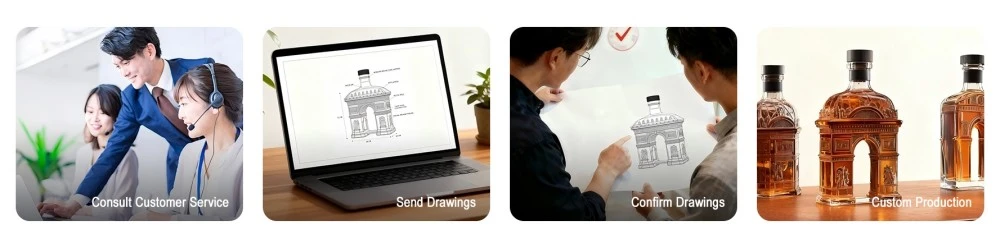
How to Design Bespoke Gin Bottles: A Step-by-Step Guide for B2B Procurement
Defining Your Design Goals and Brand Positioning Strategy
Clear goals and an understanding of the audience are the first steps to a successful Bespoke Gin Bottles project. Marketing and procurement teams should work together to figure out what the core brand traits are that packaging needs to express. Knowing how your competitors are positioned can help you decide whether to focus on tradition, innovation, luxury, or accessibility in your design. The choices about size, weight, and style that will work best are based on what the target buyer wants.
Market study shows you which design features make people want to buy in your area. By looking at great rivals, you can find ways to set yourself apart instead of copying their moves. Clear design briefs keep changes from being necessary later on, which can be expensive. Allocating budgets should be based on what brands are most important to you, and investments in tools should be balanced with expected volume and market effect. Design goals based on strategic thinking lead to packaging that helps businesses reach their goals instead of just looking good.
Core Design Elements: Ergonomics, Embossing, and Custom Closures
As much as decisions about how the bottle looks, they are also based on how it works. Ergonomics affects how comfortable it is to hold, serve, and store something, all of which affect customer happiness over the course of using a product. While bottle weight affects how good something is thought to be, it also affects shipping costs and the earth, so it's important to find the best mix. The capacity you choose, like our 500ml standard, should be based on how much you drink and what the rules are in your market group.
Embossing adds depth that photos don't do justice to but that people like when they see it in person. Raised names, patterns, or text make things feel more expensive and confirm how good people think a brand is. Custom ends finish off the design story. Glass lids on glass bottles make luxury displays that look good together, and special caps can have pour controls or other features built in. These parts work together to make the unboxing and use experiences memorable, which leads to return sales and social sharing.
Collaborating with Manufacturers: Communication and Prototype Development
For maker partnerships to work, everyone needs to be clear on what is expected and what isn't possible. Misunderstandings that cause delays can be avoided by sharing precise sketches, reference pictures, and dimensional needs. We help our customers come up with ideas and then turn those ideas into scientific drawings that show the neck size, height, diameter, capacity, and weight. Based on the first talks, our engineering team comes up with three to four suggested styles. This way, they can make sure the plan is possible before investing a lot of money.
With 3D printing, you can make a physical prototype that you can test before you buy expensive metal models. Assessing samples should check not only how they look, but also how well they work, such as how well the labels stick on, how well the caps fit, and how consistent the production is. The team keeps working together to improve the mold, make samples (usually 3–5 units at first), and check the quality. Clear information about wait times, minimum order amounts, and revision processes keeps the project moving toward a successful start and avoids surprises.
Budgeting and Timeline Management for Custom Bottle Projects
When setting a budget for handmade bottles, it's important to think about more than just the unit price. Mold development requires the biggest initial investment, which can be anywhere from a few thousand to tens of thousands of dollars, based on how complicated it is. This manufacturing cost is spread out over a large number of bottles, so custom bottles are most cost-effective for sales over 10,000 pieces, where the impact on each unit is much smaller.
From the first idea to the release of production numbers, the lead time is several months. Design development and mold making usually take 4 to 8 weeks. Sampling rounds can add another 2 to 4 weeks, based on how many changes need to be made. The schedule for production depends on the factory's ability and the size of the order, but for large orders, it usually takes 4 to 6 weeks. Purchasing teams should give new custom bottle projects a total time frame of 4 to 6 months, taking into account how complicated the projects are and how demand changes with the seasons. Adding extra time to the launch schedule stops delays and lets you make sure the product is fully tested before putting it on the market.
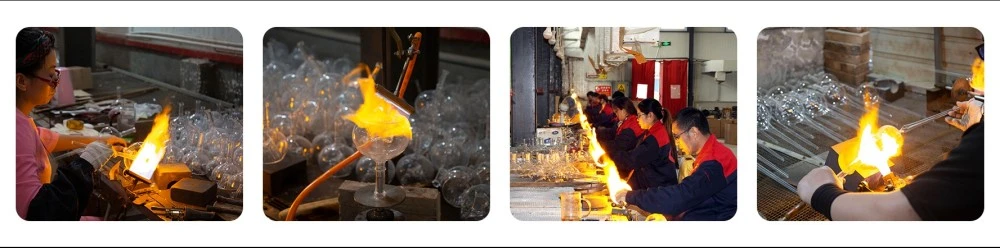
Comparing Bespoke Gin Bottles with Other Bottle Types: Making Informed Decisions
Customization Levels: Bespoke vs. Personalized vs. Standard Options
Knowing the range of customization options for Bespoke Gin Bottles can help you make better financial choices. Standard bottles are easy to get and don't cost much per unit, but they don't make your product stand out from others that use the same package. For personalized bottles, you can change the way they look by adding your own labels, writing, or making small changes to molds that are already there, all without having to buy special tools. This middle ground is good for brands that need to get into the market quickly or test ideas before committing to custom development.
Quality, Scalability, and Brand Impact Considerations
The amount of tailoring has a big effect on the quality of the production. Standard bottles are made with mature methods and consistent quality, but their stock look makes it harder to build a brand. The quality of personalized decorations rests a lot on how well the printer works with the material. With bespoke production, quality control can be built in from the creation of the mold all the way through production, making sure that every bottle exactly meets the requirements.
Long-term supply chain security is affected by worries about scalability. Standard bottles are always available, but they limit your business to styles that are easy for many people to find. Once the investment in tools is over, bespoke molds give production freedom, and capacity can be increased by doing more production runs. Lead times are very different. Standard bottles ship within days, personalized choices within weeks, and custom projects take months to make the first time but have reasonable lead times for reorders. A brand impact study should weigh the benefits of entering the market right away against the benefits of standing out in the long run and being able to compete more effectively.
Cost Analysis and ROI for Custom Bottle Investment
When you do a financial review, you have to look at both the short-term prices and the long-term benefits. Custom bottles have higher start-up costs for things like mold making, engineering, and samples, which are not needed for standard or custom choices. As more units are made, the cost of each unit goes down a lot because the cost of the tools is spread out over more units. When brands buy more than 100,000 units a year, they get cost savings that are on par with personalized choices while still having full design exclusivity.
Return on investment goes beyond the cost of making the product. When compared to normal packing, premium packaging often lets retailers charge 15–30% more, which means higher profit margins. Better shelf appearance leads to faster sales, which increases inventory turns and makes store partners happier. Building brand reputation through unique packing creates long-term value that can't be achieved with generic containers. To get a good idea of financial returns, you should use the total cost of ownership analysis to include these factors of income and brand value along with manufacturing costs.
Procurement and Supply Chain Insights for Bespoke Gin Bottles
Identifying Reliable Custom Bottle Manufacturers
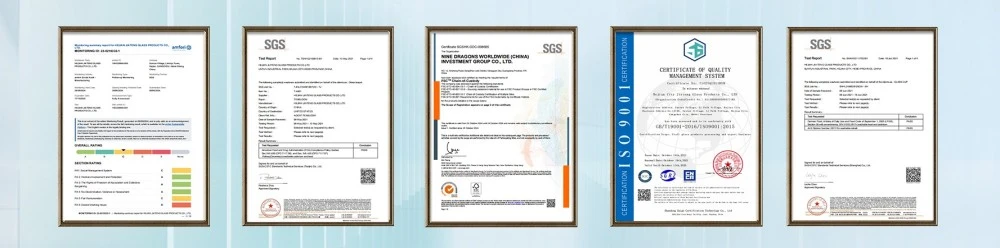
When choosing manufacturing partners for Bespoke Gin Bottles, you need to look at a lot of different aspects of their abilities. Your ability to successfully meet your number needs is based on your production capacity. Factories that make millions of bottles every year show scalability, which is important for growing brands. Technical know-how in creating custom molds and using complicated decoration methods makes sure that the design vision is correctly translated into physical goods. Quality management systems, such as ISO certifications, show that process control is very important for stability.
Jiateng Glass Products was founded in 1992 in Hebei Cangzhou. With 30 years of experience making unique wine bottles, the company is a great example of how reliable manufacturing can be. Since 2008, we've worked with well-known names like Xifeng Wine and Wuliangye to make about 3 million bottles a year. This shows that we can consistently deliver high-quality products on a large scale. We have been shipping to more than 50 countries for more than 15 years and have been a gold supplier for 9 years. This gives growing brands the security they need. Using reference checks and site trips to look at a manufacturer's track record lowers buying risk by a large amount.
MOQ Requirements, Bulk Pricing, and Negotiation Strategies
Minimum order amounts are based on the prices of making custom molds and setting up a factory. Custom bottles usually need at least 10,000 to 50,000 pieces to make the investment in tools and production runs worth it. Some makers have smaller MOQs for initial samples or market testing, and the prices change as more orders are placed. Knowing these levels helps buying teams achieve good terms that fit the growth plans of the business.
Through tiered discounts, bulk price systems reward customers who commit to buying in bulk. Orders of more than 100,000 pieces often get discounts of 15 to 25 percent off the minimum number price. Making an annual volume promise can sometimes lead to extra savings and better scheduling for production. When you show that you want to form a long-term relationship instead of just buying something, you have more negotiating power. Payment terms that balance the buyer's need for cash flow with the manufacturer's need to handle their finances, like requiring deposits on tools and payment for production only when the goods are shipped, are good for both parties and keep supply relationships healthy.
Quality Control and Consistency Throughout the Supply Chain
For quality standards to be met, there needs to be regular control from the planning stage through delivery. Mold approval is the most important control point. Sample verification makes sure that production tools meet the requirements before mass production starts. Monitoring quality in-process during production runs finds problems early and stops a lot of waste. We use tracking tools during the whole making process to make sure that every batch of high-quality glass bottles meets the requirements.
Post-production checking checks the accuracy of the measurements, the quality of the decorations, and the integrity of the packing before it is shipped. Independent checks are done by third-party inspection services for important items. Setting clear quality standards in buy deals, such as accepted defect rates, measurement tolerances, and decoration standards, makes it easy to decide whether to accept or reject a product. Building quality assurance relationships with makers who see inspection as a way to work together to make things better instead of an adversarial review leads to better long-term results and fewer expensive rejections or recalls.
Top Trends and Future Outlook for Bespoke Gin Bottle Design in 2026 and Beyond
Innovation in Materials and Sustainable Design Practices
As customers and lawmakers put more emphasis on sustainability, packaging choices for Bespoke Gin Bottles are becoming more and more affected by environmental concerns. Lightweighting technologies cut down on the use of glass without affecting the strength of the structure. This lowers the amount of pollution released during shipping and the cost of materials. Some makers are now able to use 30 to 50 percent post-consumer recycled glass, which lowers the impact on the earth while keeping quality standards high. Consumers who care about the environment give brands that stress their green qualities a competitive edge.
Premiumization and Consumer Experience Enhancement
As more people choose quality over number, the categories for premium drinks keep growing. This move toward premiumization makes packaging more important, with unique bottles supporting higher prices and boosting the idea of luxury. As more people share their unboxing experiences on social media, the effect of packing grows beyond the people who buy it. Limited edition collectibles create a sense of urgency and excitement, which leads to more interaction and higher resale value, which keeps the talk about the brand going.
Personalization technologies allow small-batch customization within bigger production runs. For example, variable data printing lets you add personalized notes or designs that make gifts more appealing. By using NFC chips or QR codes in smart packaging, real bottles can be linked to digital brand experiences, identification systems, and sites for engaging with customers. With these changes, bottles go from being inactive containers to being active brand connections that build relationships and collect useful customer data. When brands put money into immersive packaging, they stand out in crowded expensive markets.
Strategic Preparation for Evolving Market and Regulatory Landscapes
Regulatory settings are always changing when it comes to material safety, sustainable packing, and clear labels. Adhering to new standards before they are released can help you avoid expensive redesigns and problems getting into new markets. Extended producer responsibility laws put the costs of ending a product's life on the maker. This makes recycling and material efficiency more important from a financial point of view. Watching how regulations change in important places lets you make design changes ahead of time, before rules become law.
As competition gets tougher, market consolidation helps brands that stand out in a strong way. Custom packing gives businesses benefits over their competitors that are hard for new companies to quickly copy. As a business grows around the world, it needs packaging that can be changed to fit different cultural tastes and legal requirements. To make this easier, modular designs let you change the way the bottles are decorated while keeping the core tools. Investing in strategic packaging sets brands up for long-term growth, even as market conditions and competition change.
Conclusion
Custom bottle design for Bespoke Gin Bottles is more than just a matter of taste; it's a strategic investment in your business that will pay off in measurable ways by setting you apart, making you look more expensive, and getting more customers involved. Procurement workers can make choices that are in line with business goals when they understand the whole design process, from choosing materials to forming partnerships with manufacturers. Custom gin bottles and alcohol packaging give companies long-lasting benefits in high-end markets where good packaging shows that the product is good. To get through this complicated process successfully, you need to find manufacturing partners with a lot of experience, technical know-how, solid production skills, and the ability to work together to support long-term business growth.
FAQ
What Is the Typical Lead Time for Custom Bottle Production?
Custom bottle projects usually take between 4 and 6 months to finish, from the first idea to delivery. Design development takes two to four weeks, mold making takes four to eight weeks, sampling and approval takes two to four weeks, and production and shipping take six to eight weeks. Simpler designs or changes to a current mold may shorten development times, while complicated shapes or custom finishes may make them longer. Launch delays can be avoided by planning ahead.
How Much Does Custom Bottle Mold Development Cost?
Mold costs change a lot depending on how complicated the design is. For example, a complicated multi-piece design could cost $20,000 or more. Prices for standard bottle forms that can be changed a bit are usually between $5,000 and $10,000. The cost of the mold only adds $0.10 to $0.20 per bottle when the production number is 50,000 pieces. When you look at the mold investment against the long-term branding value and volume forecasts, you can figure out if the brand can afford it.
What Minimum Order Quantities Should I Expect?
Customized bottle MOQs are usually between 10,000 and 50,000 pieces, which is based on how much it costs to buy tools and set up a production line. Some manufacturers have smaller minimum orders (5,000 to 10,000 pieces) for the first order, and the price per unit goes down as the promise to buy more grows. Annual contracts that include several smaller shipments can sometimes get better prices than a single big order. This makes it easier to handle cash flow while still meeting the volume requirements that makers need to get good terms.
Partner with Jiateng for Your Bespoke Gin Bottles Manufacturing Needs
For more than 30 years, Jiateng Glass Products has been making glasses and now offers a wide range of customization options for spirits names that need unique packages. Our all-in-one service includes design help, mold making, samples, production, and shipping to over 50 countries around the world. As a well-known company that makes more than three million bottles a year for high-end partners, we know that your business needs consistent quality and reliable delivery dates.
Our engineering team helps with everything, from idea sketches to technical drawings, 3D printing samples, and decoration methods like frosting, embossing, thermal transfer printing, and custom color spray painting. We can make 500ml borosilicate glass decanters with glass lids or fully customized bottle designs that tell the story of your brand. Our production is reliable, and we pay close attention to every detail. Contact our international trade experts at lhd513@jtblzp.com to talk about how Jiateng can make your custom bottle ideas come true at a price you can afford from a maker with a lot of experience making custom gin bottles.
References
1. Smith, J. & Anderson, K. (2023). Premium Spirits Packaging: Design Strategies for Market Differentiation. Beverage Industry Press.
2. Thompson, R. (2024). "The Evolution of Custom Glass Manufacturing in the Spirits Industry," International Journal of Packaging Technology, Volume 18, Issue 2, pp. 145-167.
3. Martinez, L. (2023). Sustainable Glass Packaging: Materials, Processes, and Environmental Impact. Green Manufacturing Publications.
4. Chen, W. & Roberts, P. (2024). "Consumer Perception and Purchase Intent: The Role of Premium Packaging in Spirits Marketing," Journal of Brand Strategy, Volume 12, Issue 4, pp. 302-328.
5. European Glass Container Federation (2023). Technical Guidelines for Custom Glass Bottle Development and Quality Standards. Brussels: EGCF Publications.
6. Williams, D. (2024). B2B Procurement Best Practices in Beverage Packaging Supply Chains. Supply Chain Management Institute.