



why put whisky in a glass bottle?
When choosing packing for high-end spirits, it's not just about how well it works; it's also about how well it keeps the workmanship. A Glass Bottle To Store Whiskey is more than just a container; it protects the taste, smell, and safety of the brand. Glass doesn't react chemically with whiskey, so it won't change over time. This way, every sip has the same level of complexity that the company intended. This non-reactive quality, along with the fact that air and light can't get through glass, makes it the best material for storing whiskey around the world.
Understanding Why Whiskey Is Stored in Glass Bottles
Glass has been used to package whiskey for hundreds of years, and there's a good reason for this. Glass Bottle To Store Whiskey units are the best way to keep out outside contaminants while still meeting the high standards of quality that picky customers expect.
The Chemical Inertness Advantage
Glass does not leak chemicals into your goods like plastic or metal do. Whiskey has volatile chemicals and ethanol in it that can mix with some things and change the way they taste or even add flavors that you don't want. Borosilicate glass, which is what we use at Jiateng, is very resistant to both temperature changes and chemical reactions. This means that whether you're keeping bourbon, Scotch, or Japanese whisky, the original flavor will stay the same throughout its shelf life.
Historical Evolution of Glass Bottle Manufacturing
Since it became common to use glass bottles on a large scale in the 1800s, the art of making them has changed a lot. Modern ways of making things let us finetune the thickness, weight distribution, and structural stability of bottles. Jiateng is at the heart of these new ideas because our three-generational knowledge that goes back to 1992 has put us there. Since 2008, we've been making about three million bottles a year for partners like Xifeng Wine and Wuliangye, and we're always improving our methods to keep up with changing industry standards.
Glass Versus Alternative Materials
When people in charge of buying things compare different types of packing, glass is often put up against plastic or metal. Alternative materials might save you money at first, but they fall short in important ways. Plastic can add flavors that come from gasoline, and it doesn't have the high-end look that people associate with good drinks. While aluminum can be recycled, it doesn't have the clear appearance that lets people see the rich brown colors of whiskey. Glass is great for the environment because it can be recycled over and over again without losing any of its quality. This makes it the smart choice for brands that want to stay in the market for a long time.
Key Features of Glass Bottles That Benefit Whiskey Storage
There is more to the connection between bottle form and product protection than meets the eye. Every part, from the capacity to the way the lid seals, is important for keeping the quality of the whiskey high throughout the production and usage processes. A Glass Bottle To Store Whiskey selection must account for these strategic roles.
Bottle Shape and Capacity Options
Bottles of different types of whiskey need to be shaped in certain ways. Our borosilicate glass bottles come in four different sizes: 100ml, 250ml, 500ml, and 750ml. Each size is used for a different reason in the market. The 100ml size is great for flight service or sample programs, but the 750ml size is still the standard for selling in stores. The shape of the bottle affects how quickly it oxidizes. For short-term aging effects, wider shoulders provide more surface area, while taller, smaller forms reduce air contact for long-term storage. When brands release limited editions, they often choose one-of-a-kind shapes that become marks and make the items stand out on the shelf and make them more desirable to collectors.
Sealing Technologies That Preserve Integrity
How well the closure method keeps air out has a big impact on the quality of your whiskey. There are some good things about glass lids, cork stoppers, and plastic caps. At Jiateng, our bottles have lids made of precisely ground glass that seal out air, which is important for keeping volatile scent chemicals safe. Cork is still used for high-end expressions because it looks classic and lets a little air in, which some distillers think helps the alcohol age better. Synthetic options are consistent and don't pose the risk of cork taint. Purchasing teams should choose closure types that are right for the products they are selling. For example, ultra-premium brands may like natural cork for its accuracy, while value groups benefit from synthetic reliability.
Reusability and Sustainability Considerations
Environmental responsibility is becoming more and more important to B2B clients, along with practical needs. When used with the right cleaning methods, glass bottles can be used over and over again. Our lead-free glassmaking process makes sure that bottles can be used over and over again without losing their quality or getting dirty. By having bottle return programs, distilleries can save money on packing while also appealing to people who care about the environment. To get rid of leftover oils and labels without scratching the glass, the cleaning process needs to be done with specific temperature controls and alkaline solutions. This way, the glass stays clear and structurally sound through multiple fills.
Choosing the Right Glass Bottle for Your Whiskey Procurement Needs
Finding the best packaging means finding a balance between brand personality, useful performance, price constraints, and what the market wants. Strategic choices about buying a Glass Bottle To Store Whiskey have a direct effect on how customers see things and how efficiently things work.
Classic Bottles Versus Decorative Decanters
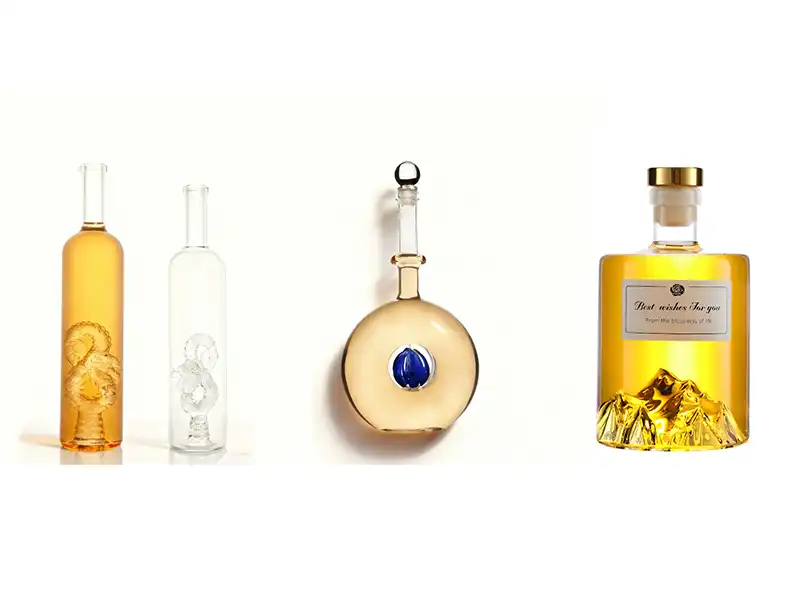
The difference between regular packaging and special styles shows how you want to place your brand. Clean lines and few decorations on classic bottles send a message of quality that will last forever, which appeals to both traditionalists and regular people. Decorative decanters with names that are raised, rough surfaces, or sculpted elements get more shelf space and are worth the extra money. Through our custom molding services, Jiateng has helped brands put famous mountains, building sites, and cultural symbols right on the bottles they make. With this method, the packaging is turned into speaking tools that show history and skill before the first pour.
Color Selection: Clear Versus Amber Glass
Protection of products and visual marketing are both affected by transparency. Clear glass lets the natural color changes of whiskey shine through, so people can tell by looking how old the whiskey is and how the barrels have affected it. However, ultraviolet light can break down some taste molecules after being stored for a long time. Amber and other colored glass types block out dangerous wavelengths, which makes goods more stable on store shelves where they will be exposed to direct sunlight for a long time. Our thermal transfer printing services let you choose from a wide range of colors, from clear presentation to deep amber protection. You can also choose custom color spray painting that fits your brand's rules while keeping the protective properties.
Cost Efficiency in Bulk Orders
Unit economics and ties with suppliers are directly affected by volume obligations. Most of our business-to-business customers order between 10,000 and 500,000 pieces per project, and they like to order more than three million bottles per year. This size lets you invest in private mold design, where the starting costs of the tools are spread out over many production runs. This lowers the price per unit while giving you unique bottle forms that your rivals can't copy. Lifecycle analysis should look at things like storage, how often things break while being shipped, and how to get rid of or recycle them. Reusable glass systems cost more to buy at first, but they cost less to keep up over time. This is especially helpful for regional breweries that already have established delivery networks.
Trusted Suppliers and Brands of Glass Bottles for Whiskey Storage
Finding the right production partner is what makes the difference in whether your package supports or undermines your brand promise. Technical skills, quality licenses, the ability to make changes, and the dependability of the supply chain should all be taken into account during the decision process for a Glass Bottle To Store Whiskey.
Quality Certifications and Compliance Standards
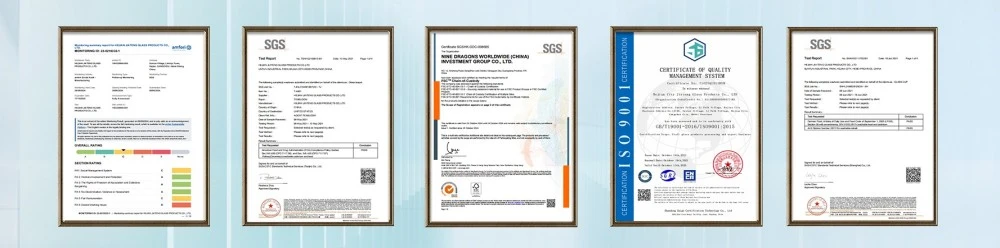
If you work with approved makers, you can be sure that your packaging meets safety and environmental standards around the world. As a nine-year Alibaba Gold Supplier with over four million dollars in confirmed deals, Jiateng is able to keep a close eye on quality throughout the whole production process. Our factory in Hebei Cangzhou follows ISO rules for making glass, getting materials, and keeping workers safe.
Compliance includes food-grade licenses that are needed for the packing of alcoholic drinks, as well as leach testing procedures that make sure no dangerous substances move from the glass to the liquid inside. These qualifications are especially important when entering controlled markets like those in the US, Europe, Australia, and Japan, where customs officials look at both the product itself and its package.
Customization Capabilities for Brand Differentiation
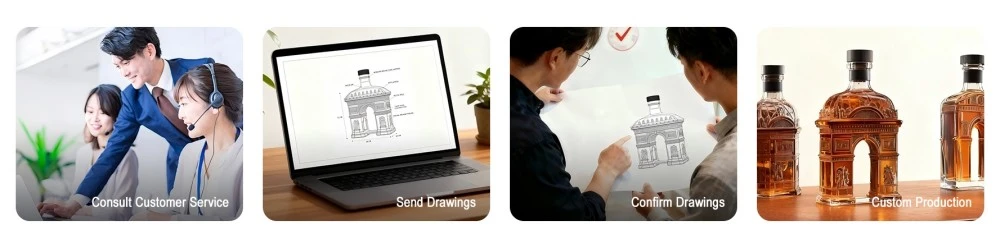
Generic wrapping doesn't help a brand's reputation. The first step in our full creation process is getting your concept ideas, such as rough sketches, mood boards, or examples of similar products from other companies. Then, our engineering team comes up with three or four improved designs that include exact details about the neck size, body width, weight distribution, and capacity. We use 3D printing to make real samples before we commit to metal models. This way, you can test the ergonomics, the compatibility of the caps, and the label application.
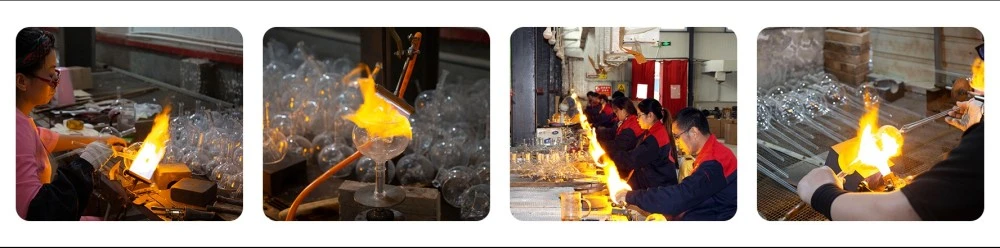
Once you give your approval, our mold-makers make tools for the neck, body, bottom, and letter features that are stamped. This ability includes many surface processes, such as frosting, hot pressing, spray painting, electroplating, laser engraving, and silk-screen printing. Each way of decorating has its own look and purpose, such as adding anti-slip textures or features that make it impossible to change.
Strategic Sourcing for Long-Term Partnerships
Value-oriented procurement workers know that their partnerships with suppliers go beyond just negotiating prices. Jiateng has been making glass for 30 years and has sold it to more than 50 countries. This shows how committed we are to long-term partnerships. Our team has been working in foreign trade for 15 years, so they know how difficult it can be to do business across borders and how different cultures can affect relationships.
We stress stable quality and reliable shipping times, which are important when planning product launches or holiday sales. Our one-stop service model includes design advice, samples, mass production, and organization of shipping. This makes things easier for your procurement team and makes sure that everything is the same from one order cycle to the next.
Maintaining Whiskey Quality in Glass Bottles: Best Practices
Even high-end packaging needs to be handled and stored in the right way for it to protect things as well as it can. Understanding these practical issues helps the warehouse and buying teams get the most out of the Glass Bottle To Store Whiskey products they buy and keep quality-related losses to a minimum.
Optimal Storage Conditions
Changes in temperature are the main natural threat to whiskey that has been bottled. The alcohol in the spirit will keep it from going bad, but high heat can speed up the evaporation process through the caps and possibly put stress on the glass structures. The best place to store things is somewhere between 15 and 20°C, out of direct sunlight, which fades labels and warms things up unevenly.
For fully sealed glass containers, bottle orientation is less important than for cork-closed wines, but vertical storage makes the best use of warehouse space and eases the strain on closure systems. Controlling the amount of light that gets into clear glass bottles is especially important. UV filters or dark storage areas stop photochemical reactions that can cause off-flavors over months or years.
Preventing Common Quality Issues
The most common problem with storing alcohol for a long time is that the seal breaks down. Closure tightness should be checked on a regular basis, especially in places where humidity changes can affect how flexible cork is or how well a synthetic gasket holds together. When moving and handling glass, there is a chance that it will break.
Our premium packaging materials include reinforced pallets and individual bottle separators that absorb impact forces. For brands that use reusable bottle programs, setting standard cleaning procedures keeps the glass clear and stops cross-contamination between batches. After controlled alkaline wash cycles that get rid of organic residues without etching surfaces, sterile air drying gets rid of water spots.
Maximizing Shelf Life and Consumer Satisfaction
How your customers see your products and how often they buy from you are directly affected by the quality of your packaging. People who buy high-end spirits trust glass bottles because they show that the spirit is durable and well-made. When making purchases, companies should think about the whole customer journey, from how the product looks on the store shelf to how it is stored at home to how it is poured.
Embossed branding that can be read even after the label is removed, weighted bases that keep the glasses stable on bar surfaces, and ergonomic profiles that make pouring easier all make for good user experiences. When put together by skilled manufacturing partners, these design elements turn functional containers into brand ambassadors that make people more likely to buy and share on social media.
Conclusion
Choosing which glass bottle to store whiskey in is a strategic procurement decision that affects the quality of the product, how people see the brand, and the company's long-term profits. Because it is chemically inert, environmentally friendly, and seen as a high-end product, glass is the only material that can be used to package whiskey around the world. You can turn packaging from a basic purchase into a competitive advantage by working with experienced manufacturers who offer full customization options, quality certifications, and reliable supply chain management. Specifications are important. Borosilicate glass construction, capacity options from 100ml to 750ml, thermal transfer decoration options, and OEM/ODM flexibility all help make unique bottles that protect your product and spread the word about your brand.
FAQ
What makes glass superior to plastic for whiskey storage?
Glass doesn't let any oxygen through and doesn't react chemically with flavor or alcohol compounds. Plastic containers can leak chemicals made from petroleum, and this can cause whiskey to slowly oxidize, which lowers its quality over time. Glass also gives spirits the high-end look that customers expect from good spirits.
How do I decide between clear and colored glass bottles?
Clear glass shows off the natural color of whiskey and appeals to people who like things to be clear. Colored glass, especially amber types, keeps UV light from damaging things when they are stored for a long time or on display in the sun. Based on the channels of distribution, your choice should strike a balance between the needs to present your brand and the needs to protect your product.
What minimum order quantities should I expect for custom bottles?
For custom mold projects, most professional manufacturers require at least 10,000 to 50,000 pieces, though the exact numbers depend on how complicated the bottle is. These numbers make it worth it to buy tools because they allow for cost-effective unit prices. When there is a chance of a long-term relationship, established suppliers will often do smaller beginning runs.
Partner with Jiateng for Your Custom Glass Bottle Manufacturing Needs
If you choose the right Glass Bottle To Store Whiskey supplier, your packing will go from being just something you need to do to something that represents your brand. Over the past 30 years, Jiateng has specialized in making customized spirit bottles for high-profile clients like Xifeng Wine and Wuliangye, who buy about three million bottles a year. Our factory in Hebei Cangzhou makes borosilicate glass bottles in 100ml, 250ml, 500ml, and 750ml sizes. They are made with both hand-crafted and modern production accuracy. We can do both OEM and ODM work.
Our 15-year international trade team will help you with every step, from basic design and 3D prototyping to making the mold, getting sample approval, mass production, and shipping around the world with high-quality packing. We know that buying workers want stable quality, reliable delivery times, and the ability to make changes that set your business apart in the market. Our dedication to relationship success is shown by the fact that we have been a Gold Supplier for nine years and have exported to more than fifty countries. Get in touch with us at lhd513@jtblzp.com to talk about how our glass bottle maker services can improve the way you package your whiskey brand and make an impact on your target customers that will last. Contact
References
1. MacLean, Charles. "Whisky: A Tasting Course." DK Publishing, 2018.
2. Broom, Dave. "The World Atlas of Whisky: More Than 200 Distilleries Explored." Mitchell Beazley, 2014.
3. Egan, Gerard. "The Science and Commerce of Whisky." Royal Society of Chemistry, 2017.
4. Lamond, John and Tucek, Robin. "The Malt Whisky File: The Connoisseur's Guide to Single Malt Whiskies and Their Distilleries." Canongate Books, 2011.
5. Buxton, Ian. "101 Whiskies to Try Before You Die: Revised and Updated." Headline Publishing Group, 2020.
6. Wisniewski, Ian. "Packaging and Preservation in Premium Spirits Distribution." Journal of Beverage Quality Standards, Vol. 12, 2021.