



10 Liquor Bottle Designs That Go Down Smooth
The term "bijzondere alcoholische dranken" refers to exceptional spirits that require equally exceptional presentation when consumers are looking for booze packaging that stands out. These unique alcoholic drinks look great in unique bottles that show off their handiwork before you even pour them. In today's competitive business-to-business world, the right bottle changes how people think about a product, strengthens a brand's personality, and directly affects buying choices. Bottle design isn't just about how it looks; it's also an investment that improves your place in the market and helps you build long-lasting relationships with dealers, brand managers, and OEM clients in the high spirits markets.
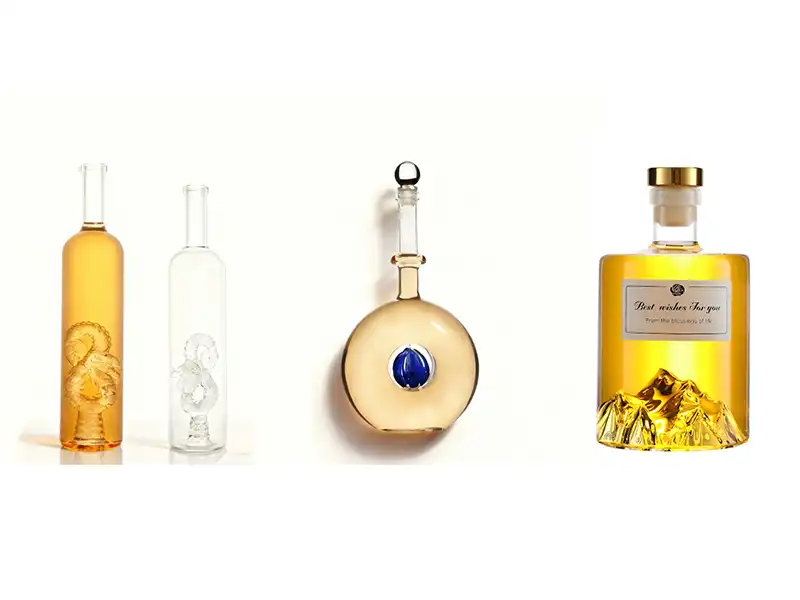
Understanding Unique Spirits and Their Design Impact
What Makes Liquor Bottles Truly Distinctive?
Special drinks have their own place in the market. Unlike mass-produced goods, these drinks need wrapping that shows their crafty roots and quality promise. Shape, material, and finish of the bottle send a message about the brand's values to customers before they even taste the drink inside.
Material Selection Drives Quality Perception
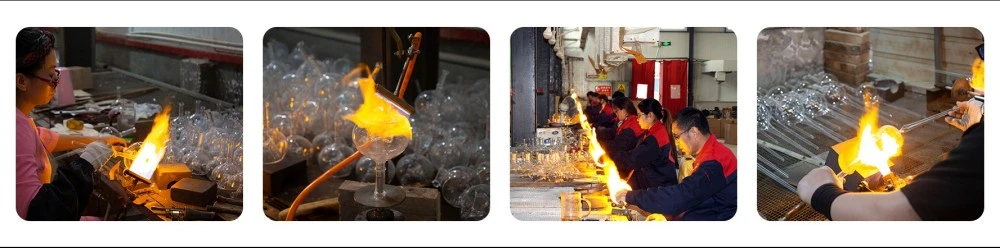
How people see quality depends on the materials they use. Borosilicate glass has become the best material for packing high-end booze. Compared to regular soda-lime glass, this special glass is more clear, so the natural color of whisky, vodka, or craft spirits can shine through without being distorted. The material is strong enough to handle changes in temperature during production, shipping, and storage, which is important for foreign purchasing managers who have to handle orders of 10,000 to 500,000 pieces.
Because high-quality borosilicate glass is clear, it makes a big visual effect on store shelves right away. Warm light shines from amber whiskeys, clear vodkas look spotless, and old spirits show off their rich depth. This important choice shows quality loyalty to B2B buyers who are looking at a supplier's skills for long-term relationships.
Design Trends Shaping Procurement Decisions
Market trends show that buyers in the US and Europe are putting more value on eco-friendly products, the ability to customize, and consistent output. When brand managers add new products to their lines or improve current ones, they need suppliers who can make private mold designs with unique bottle shapes that set their products apart in markets that are already full.
Top 10 Liquor Bottle Designs That Embody Smoothness and Sophistication
Classic Tapered Silhouettes for Premium Whiskey
The beautifully curved bijzondere alcoholische dranken whiskey bottle will always look good. This design has wide shoulders that get narrower toward the base. This makes it look stable and gives it the best possible shelf appearance. The classic shape and 500ml volume make it easy to hold, and they send a message of tradition and trustworthiness that is important for both established distillery brands and new craft makers.
Embossed features are often used on the body of high-end whiskey bottles to make the package more interesting to touch and increase the perceived value of the product. These raised parts can have names for distilleries, dates of establishment, or designs that change color when light hits them. These kinds of customization choices are especially useful for limited-edition items and commemorative items that are meant to be collected or given as gifts.
Minimalist Cylindrical Designs for Craft Vodka
Modern vodka brands that want to appeal to educated customers like clean, circular bottles with few decorations. The straight vertical lines give it a clean look that goes with vodka's neutral personality. The spirit's clear clarity becomes the main visual element in this design archetype, which is backed by simple but elegant label placement.
Offering custom color choices helps brands stand out in this area. Most vodka bottles are made of clear glass, but frosted finishes or faint colored glass, which can be achieved with special spray painting, give bottles a unique look on the shelf without losing the clarity that vodka customers expect. With these customization services, brand owners can stick to the rules of their category while still sticking out from rivals.
Angular Geometric Forms for Contemporary Spirits
Geometric bottle shapes with sharp edges and flat sides stand for new ideas and technology. These building shapes work especially well for modern gins and experimental drinks that want to draw people who care about design. The flat surfaces are great for thermal transfer printing because they let you make complicated drawings and tell a brand's story in great detail.
There are also functional benefits to buying angular shapes. The flat screens stack well during shipping, which could lower the cost of shipping for big orders. Business owners and buying managers like how smart design choices can make things look good and make things run more smoothly.
Heritage-Inspired Decanters for Premium Baijiu
Traditional decanter forms with intricate details honor cultural history while putting the focus on luxury. Often, these designs have detailed etching, custom glass lids, and heavy weight that lets you know the quality through touch. The bottles are now used for more than just drinking; they are also valuable as home decor and collectibles.
When Chinese Baijiu brands work with experienced makers, they can put famous mountains, buildings, or traditional symbols that are meaningful to people in China and around the world right into the bottle shapes. With this feature, packaging can become culture champions, which is especially helpful for brands that are entering new markets abroad.
Tall Slender Profiles for Artisan Liqueurs
Longer bottles look classy and elegant, which is perfect for showing off liqueurs. Vertical focus draws the eye up, giving the item a premium shelf appearance even in stores with a lot of other items. These designs usually have a volume of 300ml to 500ml, and their narrow widths make them feel nice in your hand while also making the best use of case packing density.
The slim shape works with a range of neck finishes, from traditional cork seals to modern screw caps that can tell if they've been tampered with. This adaptability meets the needs of a wide range of markets through a variety of methods of marketing and regulatory environments. This is an important factor for foreign trading companies that do business in many areas.
Textured Surface Bottles for Tactile Engagement
Bottles with raised designs, dimpled surfaces, or textures that make them easier to hold create memorable physical exchanges. The smooth parts do two things: they make the design more interesting to look at by playing with light and shade, and they're also useful for handling. Bartenders like bottles that don't slip around while they're serving, and customers remember names that feel unique.
When you mix frosted glass with some clear windows, you get complex contrast effects. A clear embossed name on a frosted bottle body lets brand features stand out brightly, drawing attention without taking away from the design. These specific processes need industrial know-how and quality control, which are traits of glass bottle companies that have been around for decades and know how to do them.
Sculptural Art Bottles for Ultra-Premium Positioning
Truly one-of-a-kind sculptured bottles go beyond being just containers and become works of art. There are irregular shapes, organic curves, or building elements that make strong statements in these designs. Because they are harder to make and cost more per unit, these bottles are considered ultra-premium. However, they offer unmatched difference for limited releases and luxury brand growth.
Purchasing officials who are thinking about artistic designs should work with suppliers who can help them with everything, from coming up with ideas to delivering the finished product. Custom 3D printed samples can be made before mold investments are finalized. This lowers risk and makes sure the finished product exactly matches the vision. This way of working together builds trust in business relationships.
Eco-Conscious Lightweight Designs
Sustainability is no longer just a trend; it's now something that buyers in the US and Europe expect. Lightweight bottle designs use less material and produce fewer emissions during shipping without lowering the quality that people think they are getting. To find this balance, engineers have to keep the structure's strength and high-end looks while reducing the weight of the glass.
Lightweight bottles can be used as real proof of a brand's commitment to being environmentally friendly. Making sure that the wall width is always the same and getting rid of weak spots that could affect longevity is the technical challenge. Large production runs of lightweight designs that meet strict quality standards can be made by manufacturers with a lot of experience and improved production tracking.
Vintage-Inspired Apothecary Styles
Old-world apothecary boxes make you think of quality and sincerity. These designs have square or rectangular bodies with raised measurement marks and heavy glass weight that suggests they were made with traditional methods and care. This style works well with botanical spirits, aged rums, and craft goods that highlight their small-batch origins.
The apothecary style goes well with natural materials like cork stoppers and handmade paper labels. This makes presents that look good and appeal to people who value authenticity. Brand managers who are writing stories about heritage-based products find that these bottle types make strong visual bases that help tell stories in packaging, marketing, and retail settings.
Multi-Chamber Display Bottles for Experiential Products
New multi-chamber designs add drama to the visual experience by adding landscape scenes, building elements, or items suspended inside the bottle structure. These bottles turn packaging into an experience by letting people look at the details and find stories hidden inside. The level of difficulty calls for highly complicated mold design and precise production management.
A bottle with a landscape on it—famous mountains, locations, or artistic interpretations of them—makes every serve a conversation starter. This idea adds to the value of the product beyond the drink itself, making it more valuable, which is why the price is higher. These kinds of innovations show how technically skilled and creatively collaborative a maker is.
How to Select the Right Bottle Design for Your Brand Strategy?
Aligning Design with Brand Positioning
To choose the right bottle, you must first be clear on your brand's personality and who you're trying to reach. For example, a craft bourbon aimed at whiskey fans needs a different design language than a modern vodka aimed at mixologists. Instead of just following trends or category norms, the bottle should truly reflect the brand's values.
Brand managers should think about how the style of the bottle affects the images on the label, the choice of closure, and any extra packing that is used. These parts make brand experiences that are consistent, which helps people recognize and accept the brand. Working with sellers who see things from this all-around point of view makes sure that design choices are in line with bigger marketing goals and don't stand alone.
Evaluating Production Capabilities and Quality Standards
Procurement managers for bijzondere alcoholische dranken should look into a possible manufacturing partner's production capacity, quality control methods, and ability to make changes as needed. A supplier that handles more than 3 million bottles of well-known names every year shows operating maturity and dependability, which are important for project-based buying that involves launching new products or updating older versions.
When sales go from 10,000 pieces for a test run to 500,000 pieces for production, quality stability is very important. Manufacturers with a good reputation use tracking tools to catch mistakes early on, before they affect delivery times or the quality of the product. This careful attention to process control keeps the brand's image safe and stops expensive refunds or unhappy customers.
Customization Options and Their Strategic Value
Private mold design costs a lot of money but gives you exclusive rights to bottle forms that other companies can't copy. As names grow and become more well-known in the market, this uniqueness becomes more valuable. When you make a lot of them, the starting costs of the molds become very small amounts of the costs per unit.
In addition to being able to choose only one shape, customization includes spray painting to change the color, surface treatments like frosting or embossing, and decorating methods like hot pressing, laser engraving, and silk-screen printing. With these choices, brands can make unique presents without always having to make new molds. Figuring out which types of customization work best for a brand's goals helps make the most of investment while also increasing difference.
Sustainability Considerations in Material Selection
Environmental duty is becoming more and more important in purchasing decisions. People who want to buy glass should ask about its makeup, the amount of recycled material, and the energy sources used to make it. Lead-free glass production is now normal among high-quality makers, but suppliers are not all the same when it comes to being open about how they treat the environment.
Reusability is another thing that sustainable packing plans think about. Bottles that can be used for other things, like home decor, storage, or craft projects, extend the life of a product and make people feel good about the brand. By taking this into account, package design is linked to a wider range of customer values, which strengthens the emotional bonds that keep people loyal to a brand.
Procurement Excellence Through Strategic Supplier Partnerships
Building Relationships with Experienced Manufacturers
Long-term ties with suppliers have benefits beyond just lowering transaction costs. Partners with a lot of experience know how to deal with problems in their business, can predict market trends, and are quick to offer answers that meet new needs. A maker who has been in business for 30 years has dealt with many technical problems and learned how to solve them in a way that protects the interests of their clients.
This way of working together is shown by Hejian Jiateng Glass Products Co., Ltd. The company has been around since 1992 and has grown through three generations, becoming very good at making unique wine bottles. Since 2008, partnerships with well-known Chinese names like Xifeng Wine and Wuliangye have shown that they can be trusted. Each year, they make about 3 million bottles for partners while keeping quality standards high.
The Value of Comprehensive Service Integration
One-stop service from planning to shipping makes the buying process easier and makes coordination easier. When one source handles making molds, samples, production, decoration, and logistics, it makes conversation easier and makes it clear who is responsible for what. This connection is especially helpful for companies that trade internationally and client managers who work with clients in other countries and time zones.
Professional technical teams that can turn idea sketches into production-ready drawings get rid of steps in the middle that can cause mistakes or delays. Making 3D-printed prototypes lets you test them out in real life before committing to steel molds. This lowers the risk and makes sure that the end goods meet standards. These skills show how mature the business is, which is what sets established makers apart from opportunistic sellers.
Navigating International Logistics and Compliance
To do foreign business successfully, you need to know about shipping rules, customs processes, and regional compliance requirements. Managing fragility is a part of glass packing, which calls for high-quality package methods that keep glass from breaking during shipping. Experienced importers who work with more than 50 countries have improved the safe packages they use and the transportation partnerships they use to keep breakage rates as low as possible.
Different regions have different rules about what kinds of bottles, lids, and labels are allowed. Suppliers who know about both American and European standards can help create specifications that make sure goods meet the needs of each market without having to be redesigned, which can be expensive. This kind of advice-giving is especially helpful for brands that are expanding their reach or joining new geographic areas.
Transforming Vision into Market-Ready Products
The Customization Journey from Concept to Delivery
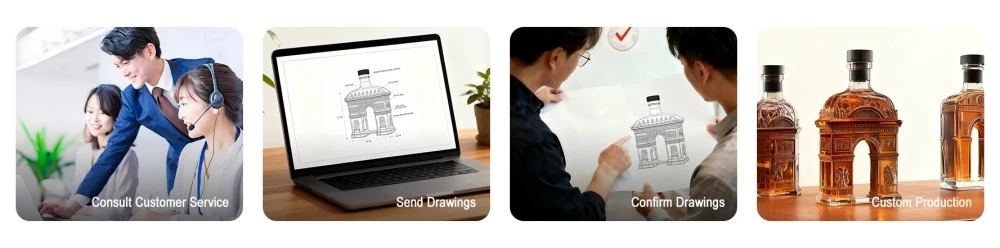
The process of customization starts with coming up with ideas about the form, size, volume, and surface treatment of the bottle that you want. Technical teams use rough sketches or reference pictures as starting points to make written proposals. Clear communication during this phase sets standards and stops misunderstandings that make later steps more difficult.
Technical teams make precise sketches that show the neck's length, width, height, capacity, and weight in pounds of glass. The field of mold making is based on these standards. The ability to print 3D copies lets you see how the final product will work before you invest in a mold. This lets you make design changes that make the final product even better. This iterative method strikes a mix between imagination and the ability to make things.
Mold Development and Sample Production
Molds that are of high quality are the basis for reliable output in bijzondere alcoholische dranken. Full tooling services that include sample molds, neck molds, body molds, bottom molds, and artistic element molds let you make changes that fit your needs. Once they are finished, molds are put on production lines so that samples can be made. Usually, three to five units are made for the client to test.
Checking samples lets you make sure of details, judge quality, and do real tests like matching caps and putting labels on things. This step of confirmation makes sure that the production bottles will meet operating needs during the labeling, filling, and shipping processes. Finding problems with compatibility during sampling keeps them from happening during full production runs, which can be very expensive.
Production Monitoring and Quality Assurance
Once the sample is approved, full production starts, and steps are taken to make sure that the quality stays the same. To keep specs the same across tens of thousands or hundreds of thousands of pieces, temperature control, precise forming, and annealing processes need constant attention. Established makers with quality management systems provide the stability that is needed to protect a brand's image.
Decoration Processes That Elevate Brand Presence
With the final touch of design, practical bottles become branded assets. Different methods, like painting, labeling, frosting, hot pressing, laser etching, and silk-screen printing, create different visual effects. The choice of decorations should help people remember the brand and fit in with the general style of the design.
Thermal transfer printing makes it possible to print complicated, highly detailed images that last a long time. This method works well for telling complex brand stories that need high-quality photos or precise type. Knowing the different design technologies out there and what makes each one good helps brands make decisions that balance how something looks with how easy it is to make and how much it costs.
Conclusion
Excellent liquor bottle design in bijzondere alcoholische dranken is more than just pretty packaging; it represents the brand, affects buying choices, and leaves long memories that keep customers coming back. The ten design patterns we looked at here show how careful bottle development can support a wide range of brand tactics in the premium spirits market. To be successful, you need to think strategically about how to choose materials, how much to spend on tailoring, and how to work with suppliers. When experienced manufacturers combine their technical knowledge with the ability to work together creatively, they can turn ideas into goods that are ready to go on the market, stand out on crowded shelves, and help brands place themselves in competitive markets.
FAQ
What defines exceptional liquor bottle designs beyond standard packaging?
Unique designs stand out by using premium materials like borosilicate glass, creating unique forms with private molds, using high-tech surface treatments like stamping and custom colors, and having high-quality decoration that helps tell the story of the brand. When you put these things together, you get shows that stand out, get people's attention, and explain their high prices in stores.
How can buyers authenticate new suppliers and verify production capabilities?
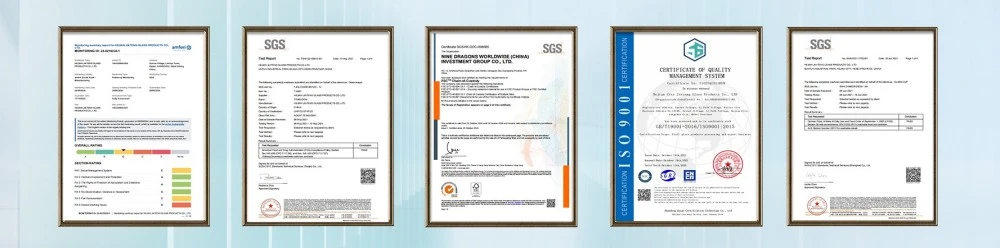
Ask well-known brands for specific information about their facilities, proof of their production ability, and client references. Carefully look at the quality of the samples, see how responsive the contact is, and ask about quality control methods. Long operational history, like more than 30 years of manufacturing experience, and partnerships with well-known names are signs of trustworthiness. International certificates and a history of exporting to more than 50 countries show that the company is capable.
Are sustainable and eco-friendly options available in premium liquor bottle manufacturing?
Of course. Reputable makers now make glass without lead, forms that are light so less material is used, and production methods that are less harmful to the environment. Bottles that can be used again and again for crafts, home decor, or storage increase their value over time. When reviewing possible sellers, buyers should make sure to ask about environmental certifications, recycled content options, and sustainable practices.
Partner with Jiateng for Exceptional Liquor Bottle Packaging
The package for your brand should stand out and give off a sense of quality right away. Jiateng, an established seller of "bijzondere alcoholische dranken" with more than 30 years of success in glass manufacturing, offers the customization options, consistent output, and partnership dependability that procurement professionals require. From the first sketches of an idea to the final delivery, our skilled engineering team takes care of everything. This includes 3D modeling, private mold development, and full decoration services.
With the ability to make more than 3 million bottles a year and successful exports to more than 50 countries, we know the quality standards and supply reliability that are important for names in the competitive American and European markets. You can change the colors, patterns, and finishes on the outside of our borosilicate glass bottles to make your goods stand out. They also meet strict safety and sturdiness standards. Email our foreign trade team at lhd513@jtblzp.com to talk about your project needs and find out how our all-in-one manufacturing services can help your brand stand out in markets for premium drinks.
References
1. Anderson, M. (2021). Premium Spirits Packaging: Design Strategies for Luxury Brands. Beverage Industry Press.
2. Chen, L. & Roberts, K. (2022). Glass Manufacturing Excellence: Quality Control in Custom Bottle Production. International Packaging Journal.
3. Hartman, D. (2020). The Art of Liquor Bottle Design: From Concept to Consumer. Design & Marketing Publications.
4. Martinez, S. (2023). Sustainable Packaging Solutions in the Alcoholic Beverage Industry. Environmental Business Review.
5. Thompson, R. (2022). B2B Procurement Strategies for Premium Beverage Packaging. Supply Chain Management Quarterly.
6. Williams, J. & Zhang, H. (2021). Borosilicate Glass Applications in High-End Spirits Packaging. Materials Science in Manufacturing.