



How to display unusual spirit bottles?
To display odd spirit bottles well, you need to make a plan that strikes a balance between how they look and how they work. Custom Spirit Bottles need special lights that can work with their odd shapes and sizes and draw attention to design elements with the right lighting and placement. When you show things in the right way, you protect fragile items, make sure products are easy to get to, and boost brand recognition. This turns packing into a powerful sales tool that connects with buyers on an emotional and business level.
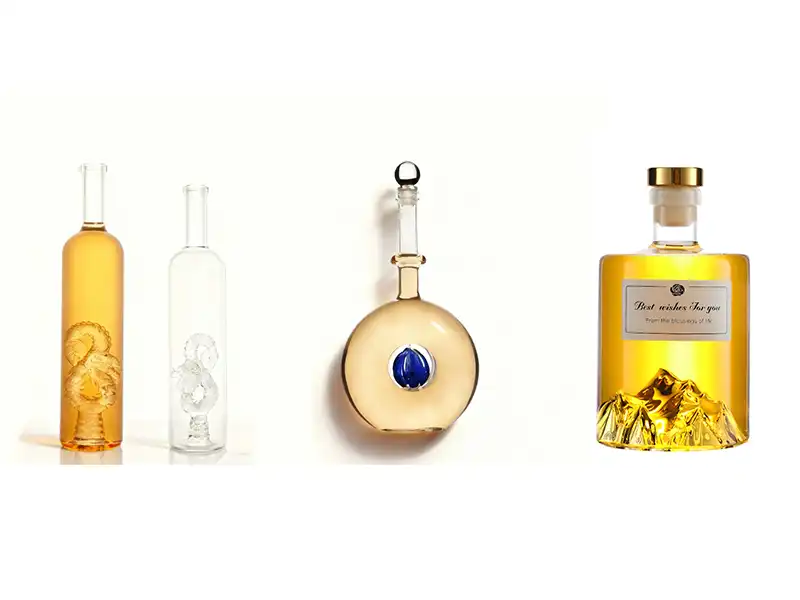
Understanding the Challenges of Displaying Unusual Spirit Bottles
As soon as you start handling the inventory for mid-range to high-end spirits, you learn that unusual bottle shapes cause display problems that regular shelves can't solve. These problems aren't just about looks; they also have a direct effect on how well your business runs and how engaged your customers are.
Non-Standard Dimensions and Weight Distribution
The height, width, and base stability of strange bottle forms change a lot. Hand-blown handmade whiskey bottles with an asymmetrical shape don't act like regular cylindrical containers do, so they need special shelf space and stronger supports. When bottles have heavy glass decorations or complicated stoppers, the weight distribution is very important because these parts change the center of gravity, which makes it more likely that the bottle will fall over when it is being handled or when a customer interacts with it. When building display systems, procurement managers need to take these factors into account to make sure that pieces can handle uneven loads without compromising safety or aesthetics.
Fragility and Material Sensitivity
Even though premium borosilicate glass is very strong and doesn't react with chemicals, elaborate bottle designs with thin walls or delicate protrusions can still be broken by impact. When bottles are on display, they can be affected by changes in temperature, vibrations from people walking by, and accidental touch. These risks can be reduced by using shock-absorbing materials, leaving enough space between items, and safety measures that don't cover up the bottle's design. Another thing to think about is that displays need to be protected from chemicals or scratches that could damage surface treatments over time. This is especially important for thermal transfer printing and custom color spray painting.
Achieving Optimal Visibility Across Retail Environments
Flexible display strategies are needed for a variety of sales outlets, ranging from high-end boutique stores to wholesale presentation areas. Different lighting conditions have big effects on how buyers see colored finishes, clear glass, and raised features. Your 350ml, 500ml, and 750ml bottles need to be placed in different ways to make them stand out on the shelf and keep sightlines clear. Larger forms stand out because of their height and volume, while smaller bottles look better when they are placed higher or grouped together. Even experienced marketing teams find it hard to keep these things in balance while keeping the brand consistent across multiple touchpoints.
Innovative Principles for Displaying Custom and Unusual Spirit Bottles
Strategic display principles for Custom Spirit Bottles turn problems with appearance into chances to build a brand, which improves how people see a product and makes them more likely to buy it. These methods blend artistic application with technical needs.
Customized Lighting That Accentuates Material Qualities
Lighting has a direct effect on how buyers judge the quality and ingredients of a bottle. Focused LED strips placed under or behind clear borosilicate glass create a lit effect that brings out the color and clarity of liquids. This works especially well for presenting high-end vodka or gin. Adjustable spotlights let you bring out the details of shiny finishes or gradient effects on bottles that have custom color spray painting without making a sharp glare. Amber drinks like whiskey look best in warm lighting, while clear and blue-tinted bottles look best in cooler temperatures. Adding adjustable systems gives you options for different times of the day and advertising events.
Thematic and Branded Setups That Reinforce Product Identity
The places where your business is shown should clearly tell its story. Putting together hand-blown glass wine bottles with materials that go well with them—for example, recycled wood platforms for a rustic look and polished marble for a high-end look—makes sense to the target audience. Using branded details like engraved signs or backgrounds that match the brand color helps people recognize it right away. Keeping the same theme across all of your products builds brand loyalty, especially when you're releasing new products or holiday ones. Your show stops being just a list of products and turns into an experience.
Balancing Durability With Ease of Access
Protective display stands must make it easy to check products and replace without slowing down operations. For trade shows and tasting events, open shelves with slight railings makes it easier to touch items, while glass-fronted cases keep things safe while still letting you look around. Modular systems are a good way to handle changing inventory amounts and product changes. When choosing materials, think about how much weight they can hold. For example, heavy-duty steel frames can hold bigger orders, and powder-coated finishes won't rust in temperature-controlled storage areas. Your display system should be able to meet both short-term sales goals and long-term relationship growth.
Space Optimization Through Modular Shelving and Versatile Orientations
Using wall-mounted racks that draw the eye up and make a strong visual effect, vertical displays make the most of the room in small store spaces. When customers can connect directly with goods, like in tasting bars and display areas, horizontal arrangements work well. Putting smaller 350ml bottles at eye level and larger 750ml bottles in the background anchors creates the illusion of depth. Rotating display units let you see everything from every angle, so they're great for showing off unique glass lids and logos that have been raised or pressed. When inventory changes with the seasons or during marketing efforts, flexible setups can be used without having to be completely redesigned.
Safety Measures Through Protective Casings and Anti-Theft Features
Inventory of high-value spirits needs to be kept safe without affecting the quality of the show. Tempered glass cases with hidden locking systems keep things clear while keeping them safe from theft. Heavy bottles are kept in place while being moved from the warehouse to the showroom by anti-tip frames. Adhesive-backed stabilizers keep bottles from moving around accidentally at trade shows and public events without leaving any residue on the bottles' sides. Surveillance-friendly plans put valuable things where cameras can see them, which stops thieves from stealing them when they have the chance. These safety measures show operating expertise to wholesale partners who are looking at your skills.
Showcasing Successful Cases of Unusual Spirit Bottle Displays
Implementations in the real world show how smart display design leads to measured business results. By studying different case studies, you can avoid common mistakes and find chances that are unique to your product line.
Intricately Shaped Whiskey Bottles Enhanced by Bespoke Fixtures
In Kentucky, a craft whiskey company worked with a specialty fixture maker to make cradles that fit their angular bottles with faceted bases. Individually made supports held each bottle at exact angles on the display system. This kept the bottles from moving and showed off the geometric pattern etched into the glass. LED strips built into the bottom of each seat lit up the amber liquid from below, making it glow and catch people's eye from all over the store. The investment in specialty display equipment was justified by sales data that showed a 34% rise in conversions compared to normal shelf placement. This method works especially well for limited-edition products where the way they look is enough to justify the higher price.
Eco-Conscious Spirit Bottles Integrated Within Sustainable Retail Environments
A European gin brand that cares about the environment made bottles out of recycled borosilicate glass and worked with stores to make display systems out of old materials. The brand's message about environment went well with shelving units made from used metal pipes and salvaged wood planks. Environmentally aware buyers were more likely to buy when they saw signs explaining how to recycle and how the product's carbon footprint was lessened. This unified approach led to strong brand loyalty and repeat sales, showing that choices about display go beyond how things look and involve marketing based on values. The approach worked especially well in markets where people actively look for goods that are in line with their own morals.
Wholesale Bulk Presentation Systems for Efficient Merchandising
A big company that sells liquor to bars and restaurants made a modular box system for showing buying managers 500ml bottles. The wooden crates could be stacked, and they had foam dividers that kept the bottles safe while they were being shipped and gave the show a nice rustic look. Customers could quickly check the quality and quantity of goods without having to open each unit. The method cut down on handling time by about 40% during delivery checks and made sure that branding was the same in all of the client sites. This useful answer fixed problems with how things were done while still meeting the high standards of professionalism expected in business-to-business deals.
Types and Materials of Custom Spirit Bottles Influencing Display Decisions
Knowing the different types of Custom Spirit Bottles lets you guess what kind of displays you'll need when you're making your purchases. Fixture standards and ways of displaying items are directly affected by the properties and form of the materials used.
Glass Stoppers Versus Cork Closures
Glass lidded bottles need to be stored vertically so that the stopper doesn't move. This limits the horizontal display choices that might work for corked bottles. Solid glass stoppers make the bottle's center of gravity higher, so it needs bigger base supports or recessed shelves to keep it from falling over. Stoppers should be put in a prominent place on display angles because they often have branded carvings or unique forms that show quality. Cork closures can be positioned in more ways, but they might need places with controlled humidity to keep from drying out, which is something to think about for long-term show setups.
Unique Shapes Compared to Classic Forms
Regular cylindrical bottles stack well and fit on standard shelves, but bottles with odd shapes need special solutions. Because an oval-shaped bottle takes up more side room, it limits the number of units that can be shown per square foot. Angular designs with flat panels make stable sitting surfaces, but they might need to be rotated to show off more than one decorative face. Due to the fact that hand-blown products have small differences in size, display stands must be able to work with tolerance ranges instead of exact specs. These things affect both the cost of the display and how it looks, so it's important to do a careful cost-benefit study when buying it.
Material Impacts on Durability and Lighting Considerations
Borosilicate glass is better than regular soda-lime glass at resisting thermal shock and chemical breakdown. This makes it perfect for places where the temperature changes, like outdoor tasting events or storage areas where the weather isn't always stable. The material is clear, so light can pass through it easily, which makes lighted displays work better. Customized color spray painting makes things stand out, but it can also block light, so you may need to use front or side lighting instead. Beautifully diffusing light, frosted finishes make things less clear, drawing attention away from the contents and onto the bottle itself. To get the visual results you want, your display lighting approach needs to match the materials you choose.
Personalization Techniques Affecting Visual Appeal
For complicated images and gradients that need to be seen in well-lit areas, thermal transfer printing is the way to go. Embossed names make things interesting to touch and cast soft shadows when lit in a certain way, which doesn't happen when light is shining straight down. Laser etching creates exact text and patterns that reflect light in a way that smooth glass doesn't, giving the piece more depth. When properly highlighted, these decorative features become focus points, which is why it's worth spending money on lighting systems that can be adjusted. Display designs should draw people's attention to the unique features that make your product stand out from others on the market.
How to Procure Custom Spirit Bottles for Optimal Display and Branding?
Choosing a supplier for Custom Spirit Bottles is a strategic concern because it has a direct effect on the success of the show. When you work with the right production partner, you can get bottles that are designed to work well and look great.
Evaluating Manufacturers and Customization Capabilities
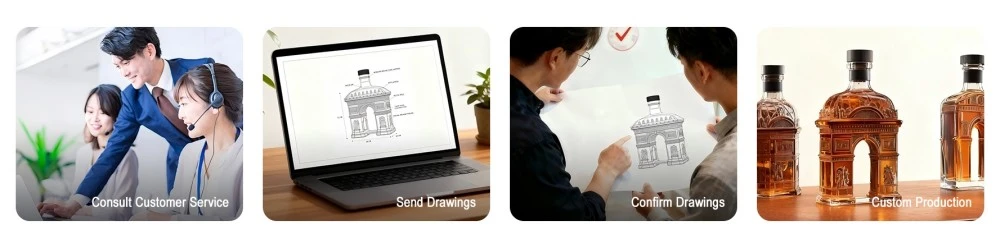
When looking at possible providers, give more weight to companies that offer full customization services, from the initial planning phase to the final delivery. Hejian Jiateng Glass Products Co., Ltd., which has been around since 1992 and has been using this integrated method to serve high-end names like Xifeng Wine and Wuliangye for 30 years. Their technical team takes rough idea sketches and turns them into detailed CAD drawings. They then make 3D-printed samples to test before investing in expensive mold production. Before mass production starts, this iterative process makes sure that bottles meet brand and show standards. Suppliers should show that they have experience with the capacity range you need. For example, our 350ml, 500ml, and 750ml options cover most normal spirits uses while still leaving room for special requests.
Understanding MOQ Requirements and Lead Times
Managing inventory and the economy of a project are both affected by minimum order numbers. When it comes to launch campaigns and regular production plans, manufacturers who focus on B2B partnerships can usually handle orders from 10,000 to 500,000 pieces. Lead times depend on how complicated the customization is. Stock molds allow for faster response, but exclusive designs need extra weeks for equipment manufacturing. Making project dates clear helps keep start delays to a minimum and makes sure that marketing campaigns are carried out in a coordinated way. Suppliers with established production capacity can keep quality uniform across large numbers, which is very important when building a brand's image through great packaging.
Assessing Quality Standards and Production Methods
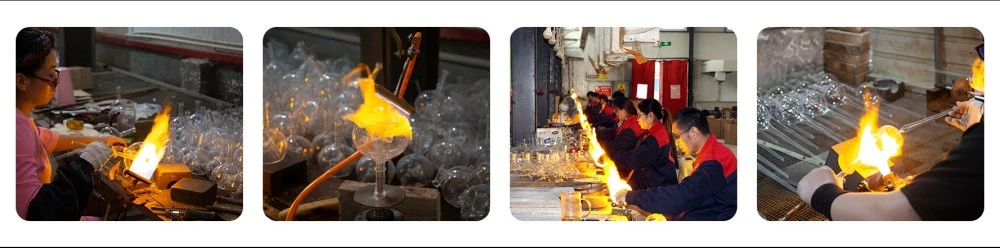
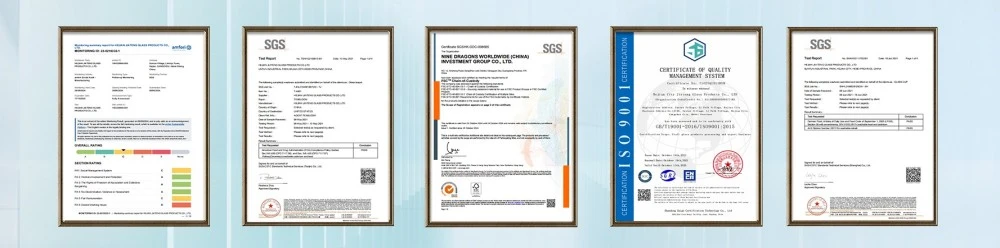
The unique character and small variations that come from hand-blown production methods appeal to premium market groups. This handmade method works well for limited editions and ultra-premium placement, where the fact that each item is one of a kind supports higher prices per unit. Automated production makes it possible to keep limits on dimensions smaller and save money for high-volume uses. Before agreeing to full production runs, ask for samples to check the quality of the finish, weight stability, and clarity of the glass. The building of borosilicate glass provides stability at high temperatures and resistance to chemicals, which protects the integrity of the product while it is being stored and shipped. As part of quality assurance procedures, flaws should be found through visual and pressure testing before the shipping.
Integrating Procurement With Marketing and Display Strategy
For successful product launches, buying packages and making plans for how to display the products work together. During the planning process, talk to your bottle supplier about possible show ideas. Fixtures and bottles should work together rather than against each other. When planning backlit screens, talk about the minimum diameter and brightness of the glass that will be used to get the most light through. When choosing colors for customisation, you should look at the color schemes of the store and the brand's rules. Shipping costs and damage rates are affected by the type of packaging, which has an effect on the total cost of ownership in addition to the unit price. Suppliers who give design advice can spot potential show problems early on and suggest changes that improve presentation without making production impossible.
Conclusion
To display odd spirit bottles well, you need to pay attention to design problems, new ways of displaying items, and smart buying choices all at the same time. Custom Spirit Bottles need special lights that keep fragile materials safe and boost brand recognition through careful lighting, placement, and theme consistency. Real-life case studies show that sales go up real amounts when display systems match the features of the product and the people who are most likely to buy it. Material choices, personalization methods, and the shape of the bottle all have a big impact on how well the display works, so it's important for the sourcing and marketing teams to work together early on. Working with skilled manufacturers who know how these parts fit together will make sure that your packaging investment has the most visual impact and business return in a variety of store settings.
FAQ
What display fixtures work best for irregularly shaped spirit bottles?
Universal shelving doesn't work as well for non-standard shapes as custom-made cradles and plastic supports. These special fittings keep the bottles from moving, lower the risk of them tipping over, and place them at the best viewing angles. For mixed product lines, modular systems with movable dividers are flexible, and glass-fronted cases keep things safe without hiding design details.
How does bottle material affect display lighting choices?
Clear borosilicate glass lets light through well for backlighting, but colored or frosted finishes need light from the front or side. Thermal transfer printing and spray painting can make it hard for light to get through, which shifts the attention from the inside to the outside design. Adjustable LED systems can handle different types of material on the same panel.
What minimum order quantities should I expect for custom bottles?
Reliable makers can usually handle orders as low as 10,000 pieces, and as the number goes up, the price per piece goes down. Project-based buying for new product sales usually ranges from 50,000 to 500,000 units per year, but this can change based on the size of the market and the routes of distribution.
Partner With Jiateng for Display-Ready Custom Spirit Bottles
The way you show your bottles has a direct effect on how people think of your brand and their choices to buy at every point of contact with them. Jiateng has been making high-quality glass boxes for well-known spirits names around the world for 30 years. Our hand-blown borosilicate glass bottles come in 350ml, 500ml, and 750ml sizes. They are very clear and durable, and they will show off your goods beautifully in any light. We can handle small orders and provide full OEM/ODM services.
Our proven six-step customization process turns your idea sketches into bottles that are ready to be put on display, starting with an initial meeting and 3D modeling and ending with mold production and decorative finishing. Our international trade team knows what sourcing managers go through in tough markets because we are a trusted Custom Spirit Bottles manufacturer that works with more than 50 countries. Email our experts at lhd513@jtblzp.com to talk about how our engineering know-how and high-quality materials can help you show your product better while staying within your budget and time frame.
References
1. Morrison, James T. (2019). Retail Display Design for Premium Spirits: Strategies for Visual Merchandising. New York: Commercial Press Publishing.
2. Chen, Wei and Anderson, Mark L. (2021). "Material Science in Glass Packaging: Borosilicate Advantages for Beverage Applications," Journal of Packaging Technology & Research, vol. 34, no. 2, pp. 145-162.
3. Rodriguez, Maria Elena (2020). Supply Chain Management in Alcoholic Beverage Industry: Procurement Best Practices. London: International Business Publications.
4. Thompson, Sarah K. (2022). "The Impact of Packaging Design on Consumer Purchase Behavior in Spirits Markets," Marketing Science Quarterly, vol. 48, no. 3, pp. 287-304.
5. Zhang, Lin and Müller, Hans (2018). Custom Glass Manufacturing: Technical Guide for Brand Owners and Procurement Professionals. Berlin: Industrial Materials Institute.
6. Williams, Robert J. (2023). Visual Merchandising for Luxury Goods: Display Strategies Across Retail Channels. San Francisco: Retail Innovation Press.