



Custom Rakija Bottle Solutions for Unique Liquor Packaging
Nowadays, custom rakija bottle design is more of a necessity than a pleasure if you want to set your spirits business apart in the extremely competitive market. Traditional rakija brands in Europe and new craft distilleries in North America have both realized that the way their products are packaged tells a story about the brand even before the first sip is taken. A well-thought-out bottle records history, shows skill, and makes an instant impact on the shelf that regular packaging just can't do. Investing in custom bottle solutions will help your product stand out and show off the quality inside, whether you're releasing a high-end line of rakija for serious fans or growing into new markets.
Comprehending Custom Rakija Bottles: Essentials and Design Strategies
What Makes Rakija Bottle Customization Strategic for B2B Markets?
When you customize packaging, it becomes a powerful tool for your business. For makers of alcoholic drinks and OEM producers, the custom rakija bottle is more than just a container. It's a way to market, a way to start a conversation, and a promise of quality. The global market for packaging spirits has become more complex as buying managers and brand directors have come to realize that the amount of money spent on packaging has a direct effect on how valuable the product is seen to be.
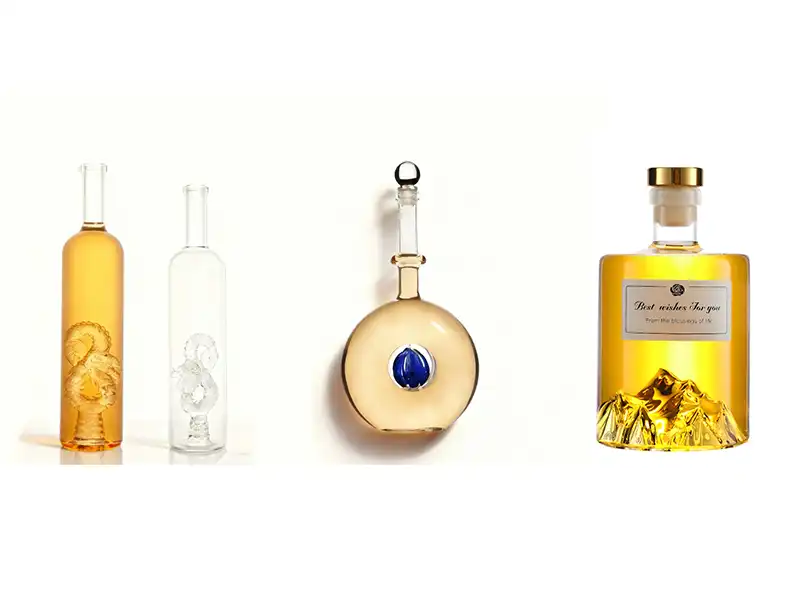
With a culture history that goes back to the Balkans and beyond, rakija should have packaging that respects custom while also looking modern. With custom patterns, you can incorporate local culture, family history, or new craft techniques into every curve and detail. This strategy works especially well in mid- to high-end markets where people are actively looking for uniqueness and sincerity.
Material Selection: Why Borosilicate Glass Elevates Your Product?
Premium 350ml borosilicate glass bottles are what we offer as standard. We chose this material because it is both useful and aesthetically pleasing. Borosilicate glass is better at resisting heat and lasting longer than regular soda-lime glass. This makes it perfect for displaying drinks in a variety of weather conditions. This material is very clear, so it shows off the color and cleanliness of the liquid, giving buyers an instant sense of quality.
The benefits go beyond how they look. Borosilicate glass keeps chemicals balanced, so the taste of your rakija won't change while it's being stored. This is especially important for craft distillers who spend a lot of time and money making their methods better. The material doesn't scratch easily, so bottles stay looking brand new during shipping and handling, and its weight gives goods the solid feel that people expect from high-end brands.
The choice of glass also takes into account environmental issues that are becoming more and more important to buying workers. Unlike plastic alternatives, glass can be recycled over and over again without losing any of its quality. This is in line with the business responsibility efforts that many foreign trade companies now put a high priority on.
Personalization Techniques That Drive Brand Recognition
Adding branding to the outside of plain bottles turns them into labeled works of art. Our main way of handling things is thermal transfer printing, which makes bright, long-lasting pictures that can handle the moisture that is common in bars and restaurants. With this method, you can print drawings, photos, and color gradients that are too complicated for standard screen printing.
In addition to printing, we offer a wide range of decoration choices, such as frosting for a classy matte finish, stamping for a more tactile feel, and spray painting in custom colors that make your brand stand out from across a store. Using shiny foils for hot stamping gives products a high-end look that is great for limited editions or special bottles.
Label placement is just as important as the label itself. We help our clients find the best placement that works for all of their products and leaves room for important legal information. The glass lid that comes with it adds a touch of class and provides useful resealing functionality that customers like.
Bottle Shape and Capacity Considerations
When it comes to rakija package, the 350ml size is just right. For standard serving designs, this size works, and the price is reasonable for a wide range of customers. The volume works just as well for high-end shopping items as it does for mass purchases in the hospitality business.
Shape choice quickly communicates company positioning. Angular building shapes remind us of modern ways of making things, while rounded shapes remind us of old-fashioned distilling methods. Regional patterns, like grapevines, mountain areas, or culture symbols, can be embossed into elements that tell your origin story without words.
Neck design needs extra care to make sure it works well. The standard opening diameter needs to be able to fit different types of closures, such as natural cork for high-end placement and synthetic options for stability and ease of use. We design neck shapes that keep liquid from dripping while pouring. This is a small thing that has a big effect on the user experience.
Comparing Custom Rakija Bottles: Making Informed Procurement Decisions
Custom Versus Standard: Understanding the Value Proposition
A lot of the time, procurement managers weigh the costs of customization against the benefits of regular supplies. The formula includes more than just unit price. It also takes into account building brand equity, setting yourself apart in the market, and keeping customers for a long time. Buying standard boxes from general inventory cuts down on the initial investment and speeds up the time it takes to get the product to market. But they make it very hard to show your brand and force your product to fight mainly on price instead of perceived value.
Custom rakija bottle development takes a bigger initial investment for making molds and trying out different designs, but the difference in cost per unit gets smaller over time as order numbers rise from 10,000 to 500,000 pieces. The real gain comes from having a stronger presence on shelves, making more money from premium placement, and spending less on marketing to get people to recognize the brand.
When our customers switch from standard to custom packaging, they see a clear increase in both store speed and distributor excitement. People remember unique bottles, bartenders put them in more visible places, and customers take pictures of them to share on social media. This kind of spontaneous marketing is impossible with generic packing.
Evaluating Material Trade-offs and Quality Benchmarks
Even though plastic bottles are easier to ship because they are lighter and less likely to break, they can't really match the quality image that glass gives to high-end drinks. Plastic is more often associated with cheap brands or mixes than with high-quality homemade drinks. Before people even read your name, the choice of material tells them where you stand.
When it comes to glass choices, differences in quality have a big effect on how the end presentation looks. Lower-quality glass might have bubbles, color differences, or size problems that hurt the brand's image. Our borosilicate glass comes from Hebei Cangzhou and meets strict standards for optical clarity and physical limits that make sure that all of our production runs are the same.
Surface treatments and decorations are also covered by quality assurance. Cheap embossing doesn't have the clear definition that shows workmanship, and printing that isn't up to par fades in UV light or gets worn down when handled. We do many quality checks during production, from looking at the molds to applying the final design. This makes sure that every bottle meets the standards that protect your brand's image.
Supplier Selection: Credentials That Matter for Long-Term Partnerships
Picking the right manufacturing partner affects the success of the project in more ways than just the price. Professional businesses can tell the difference between troublesome providers based on their production capacity, technical know-how, responsiveness to communication, and quality uniformity. Hejian Jiateng Glass Products Co., Ltd. was founded in 1992 and has three generations of glassmaking experience. Since 2008, they have worked with well-known names like Xifeng Wine and Wuliangye to improve their skills.
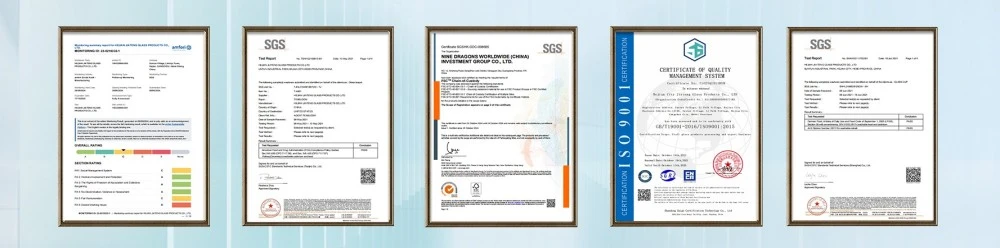
Our ability to make more than 3 million bottles a year for trusted partners shows that our operations are stable, which is important for buyers who are planning long-term supply lines. The factory has ISO certifications, has exported to 50 countries, and has been a gold seller on major B2B platforms for 9 years. These qualifications can be checked and lower the risk of buying from the factory.
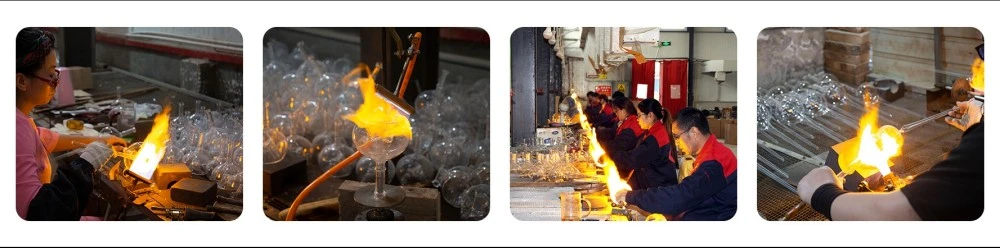
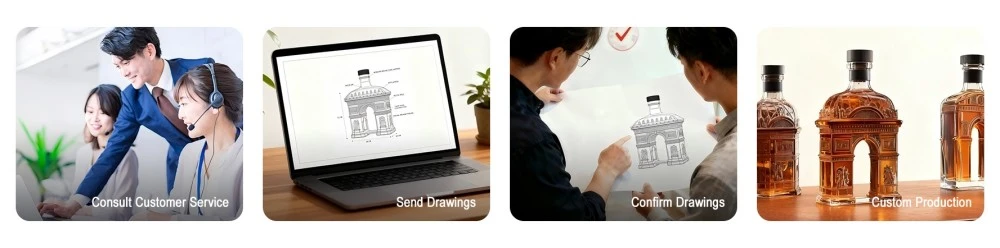
Technical skills are just as important. Our engineering team offers a complete service, from idea sketches to finished products. This includes 3D-printed samples that can be used for testing before investing in a mold. When compared to providers who only offer production services, this collaborative method cuts down on costly changes and speeds up time-to-market.
Bulk Procurement of Custom Rakija Bottles: Process, Pricing, and Delivery
Navigating Minimum Order Quantities and Volume Economics
Understanding the effects of MOQ changes how you buy things and plan for your cash flow. Making a custom rakija bottle involves making a special mold and setting up a production line, which only makes financial sense when enough bottles are made. Our usual minimum order size is 10,000 pieces, which strikes a good mix between how well the client manages their supplies and how efficiently the factory works.
As the number of units ordered goes up, the cost per unit goes down, which is an expected curve for volume price. When an order hits 50,000 pieces, the price is often 15–20% less than the MOQ, and when an order hits 100,000 units, even more savings are possible. Partnership pricing models reward trust and make long-term planning easier for contracts that cover at least 3 million bottles per year.
Because of these volume concerns, procurement managers have to handle planning supplies, figuring out warehouse space, and predicting demand. Many clients use staged delivery plans, in which production happens in bulk to get better prices and packages come in reasonable chunks that match the speed of sales.
Understanding Cost Drivers and Pricing Transparency
Custom bottle prices are affected by more than just the cost of the base glass. Material costs and shipping costs are directly affected by the weight of the bottle, so there needs to be a balance between solid feel and efficient logistics. Our 350ml design strikes a mix between these factors, giving you quality weight without adding extra weight.
The level of customization has a big effect on the price. Single-color thermal transfer printing is much cheaper than multi-color printing. Specialty finishes, such as gold spray painting or all-over frosting, cost extra. For embossing and debossing, mold changes are needed, which raises the original cost of the tools but only slightly raises the cost per unit over production runs.
The main upfront cost of personalized bottle programs is the cost of the mold. Tooling for simple geometric shapes can cost between $3,000 and $5,000, but tooling for complicated artistic shapes with lots of small details can cost between $10,000 and $15,000. These costs are spread out over the expected amount of production, and for names that order quarterly restocking, they usually become unimportant within the first year.
Lead Time Planning and Logistical Coordination
To schedule a production, you need to know about many different parts of the plan. Initial concept development and engineering usually take two to three weeks, during which time client feedback and mechanical improvements are made. Then, making the mold takes between 4 and 6 weeks, based on how complicated it is. It takes an extra two to three weeks for samples to be made and approved, which lets you test the fit of the cap, the compatibility of the labels, and the general quality.
Bulk output times depend on the size of the order and how busy the factory is at the moment. Standard runs of 10,000 to 50,000 pieces are usually finished in 3 to 4 weeks after the model is approved. Larger orders or decorations that are harder to do may take 6 to 8 weeks longer. During quotation, our production planning team gives you reasonable dates that let you plan an accurate market launch.
When you ship something internationally, the final timeline changes based on where it's going and how it's being shipped. Ocean freight from our plant in Hebei Cangzhou to major U.S. ports usually takes 4 to 5 weeks, but for pressing needs, air freight can cut the time it takes to get there to 7 to 10 days. We offer full packing with cardboard dividers and pallet stability that has kept damage rates below 0.5% for thousands of shipments.
Sustainable Solutions: Embracing Eco-Friendly Custom Rakija Bottles
Material Innovations Advancing Environmental Performance
Glass is naturally one of the most environmentally friendly materials for packing because it can be recycled over and over again without losing any of its quality. Plastics break down into less useful materials over time, but recovered glass keeps its qualities the same as new glass. As brands try to meet the needs of consumers and meet legal requirements, this closed-loop potential affects their buying choices more and more.
We also actively seek lightweighting as a way to be more environmentally friendly. Thanks to progress in engineering, we can now make bottle walls thinner while keeping their structural integrity. This saves material and cuts down on transporting emissions without affecting the quality of the presentation. Careful weight balancing is good for the earth and saves money on logistics for your custom rakija bottle needs.
We are also looking into ways to use post-consumer recovered glass in our production processes. Optical clarity rules currently limit the amount of recycled material that can be used in fine clear bottles. However, 30 to 40 percent recycled material can be used in colored bottles without affecting the quality that can be seen. This feature helps clients who are trying to get certain environmental certifications or reporting obligations.
Lifecycle Considerations and Reuse Potential
When evaluating sustainable packing, it's not just the materials used; it's also the useful life span and the routes that are taken after use. Rakija bottles that are both aesthetically pleasing and useful are more likely to be kept and used again instead of being thrown away right away. Many people turn pretty liquor bottles into home decor items like vases, candle stands, and olive oil pitchers, which greatly extends the product's useful life.
This possibility of reuse comes up in design talks. Bottles with labels that can be taken off make it easier for customers to reuse them, and standard cap opening lets users use different finishes for other uses. Some brands make series of collector bottles that people actively seek out and show, which has a marketing effect long after the original spirit has been drunk. Balkan families have a practice of refilling good bottles with their own homemade rakija, which adds another layer to the lifecycle. Bottles that are made to last can be used, washed, and refilled over and over again for years or even decades. This is better for the earth than single-use packaging.
Long-Term Business Benefits of Sustainable Packaging Investment
Environmental duty is becoming more and more important to all types of consumers, but especially to younger people and people who buy high-end goods. Brands that show they care about the environment through their package choices get more loyal customers and can charge higher prices that cover the extra costs of materials.
Regulatory trends also support taking the initiative to adopt sustainability. Extended producer responsibility laws, plastic reduction rules, and recycle content standards are spreading around the world. When brands buy glass packing, they get ahead of the rules and don't have to make expensive changes to their products when the new rules go into effect.
Sustainability scores are now often included in corporate buying plans when evaluating suppliers. Sustainable packing is important for international trade companies that work with clients who care about the environment to keep and grow their business relationships. Our readiness to provide lifecycle data, openness about where materials come from, and efforts to keep improving helps clients meet these institutional standards.
Best Practices and Trends in Rakija Bottle Customization for B2B Markets
Emerging Design Trends Shaping Market Differentiation
The latest styles in packing focus on simple designs that make a big impression. Quality workmanship can be seen without any visual clutter when there are clean lines, lots of empty space, and limited color schemes. Younger people who like craft spirits and prefer modest luxury to flashy embellishments really like this approach.
Textural contrast is another popular way to set something apart. Putting together matte frosted areas with smooth polished areas, raised embossing with deep debossing, or glass transparency with metallic details makes for interesting looks that make you want to touch them. These multisensory experiences make encounters with brands memorable, which leads to return purchases of your custom rakija bottle.
Heritage storytelling through package design is still growing. Putting historical photos, old typefaces, regional maps, or cultural symbols on bottles connects goods to origin stories that people value more and more. With thermal transfer printing, these story elements can be shown with picture precision that isn't possible with other ways of decorating.
Quality Assurance Protocols Protecting Brand Reputation
Tough quality control systems keep brands from getting hurt by bad packaging, which is expensive to fix. Our multi-step inspection process starts with checking the arriving raw materials to make sure they meet our standards for makeup and size before production starts. Statistical process control in manufacturing finds differences early on, before they spread through production runs.
After production, each bottle is inspected to make sure it is the right size, has good design, and doesn't have any flaws. Automated visual systems look for cracks, bubbles, and differences in size, while human testers check the alignment of the decorations, the accuracy of the colors, and the general quality of the look. With this stacked method, defect rates are below industry standards, which protects clients from problems with market quality.
We keep detailed records of all the steps that went into making finished goods, including when they were made, what materials were used, and quality checks. This feature lets you act quickly if problems happen, which makes it easier to do focused recalls instead of pulling products from the whole market. The paperwork also meets the rules in markets that need to keep track of lots and be clear about production.
Risk Management in International Packaging Procurement
Problems in the global supply chain showed how important it is to have a variety of buying methods and stable suppliers. Buyers are looking at operational resilience factors like building redundancy, a variety of raw material suppliers, and financial health more and more when choosing a production partner. Our stable financial situation and 30-year history of doing business give clients peace of mind that they won't have to deal with supply failures in the middle of a project.
Communication skills have a big effect on the success of a foreign project. Our international trade team has been working together for 15 years and offers project management, technical help, and quick problem-solving in English. This takes away the frustration that comes from providers who don't speak your language well. Misunderstandings about specifications that lead to mistakes in production and project delays can be avoided by being clear in communication.
Protecting intellectual property is another issue that comes up when doing business abroad. We have strict rules about keeping client designs secret, use safe ways to handle data, and give non-disclosure agreements that protect private designs and give legal options if they are stolen. These defenses are very important for brands that spend a lot of money on developing unique packages.
Conclusion
In the competitive alcohol industry, the money spent on packaging affects how people think about a brand, where it stands in the market, and how well it does in the long run. A custom rakija bottle lets you stand out in a way that standard bottles can't. They turn containers into brand champions that tell your story, show quality, and explain high prices. Customization has strategic benefits that far outweigh the extra money that needs to be spent on it. These benefits include better brand recognition, higher profits, and loyal customers.
Working with well-known manufacturers who know both the technical needs of production and the needs of B2B clients is the best way to make sure that a project is a success from the idea stage to delivery. Our thirty years of experience, wide range of customization options, and dedication to quality uniformity make for strong long-term partnerships.
FAQ
What minimum order quantity is required for custom rakija bottles?
For unique custom rakija bottle projects, our minimum order quantity (MOQ) starts at 10,000 pieces. This level strikes a mix between the fixed costs of making molds and setting up production and how most brands can handle their inventory. Larger orders get better prices per unit, and economies of scale start to show up at amounts of 50,000 pieces or more. We can talk about smaller test numbers for the first market validation, but the prices would represent the higher cost structure per unit.
How long does the complete customization process take?
From the first meeting to receiving the finished product, the whole process usually takes 12 to 16 weeks. Design development and engineering take two to three weeks, making the mold takes four to six weeks, making samples takes two to three weeks, and making a lot of them takes three to six weeks, depending on the size of the order. When you send goods internationally, it takes an extra 4 to 5 weeks by sea or 7 to 10 days by air. We give you a thorough schedule during the quote process to help you plan your launch correctly.
Can you accommodate special color requirements beyond clear glass?
Of course. While our basic product comes with borosilicate glass that is very clear and shows off liquid color beautifully, we can spray paint it in almost any color you can think of. You can also get shiny coats, frosted finishes, and gradient effects. We can match exact Pantone colors or make new colors based on your brand's standards. During the testing process, we include color samples to make sure that everything fits perfectly with your vision.
What decoration methods work best for detailed logos and designs?
With thermal transfer printing, you can get very accurate copies of photos, complicated graphics, and small text that you can't get with standard screen printing. This method gives colors great intensity and stability. We also do hot stamping with metallic foils for a high-end look, laser engraving for lasting writing, and embossing for logos that you can feel. Based on your artwork and brand placement goals, our design team can suggest the best ways to decorate.
Partner with Jiateng for Your Custom Rakija Bottle Needs
Hejian Jiateng Glass Products Co., Ltd. is ready to make your ideas for packing come to life and get them ready for the market. We are a reliable custom rakija bottle supplier that works with big names in the business, like Xifeng Wine and Wuliangye, so we bring years of experience to every job. Our engineering team offers a complete range of services, from the initial idea sketches to the finished products. These include 3D modeling, mold development, production, and full decoration. We understand how hard it is for purchasing managers to balance quality, time, and price, which is why we keep contact open at all times during the project. You can talk to our foreign trade experts at lhd513@jtblzp.com to find out how our borosilicate glass bottles can help your brand stand out and do better in the market.
References
1. Anderson, M. (2022). Spirits Packaging Innovation: Material Selection and Brand Positioning in Premium Markets. Beverage Industry Press.
2. Chen, L., & Rodriguez, P. (2023). Sustainable Glass Manufacturing: Environmental Performance and Lifecycle Analysis. International Journal of Packaging Technology, 15(3), 127-145.
3. European Spirits Federation. (2021). Packaging Trends in Traditional and Craft Distilled Spirits. Brussels: ESF Publications.
4. Morrison, K. (2023). B2B Procurement Strategies for Custom Beverage Packaging. Supply Chain Management Quarterly, 28(2), 56-72.
5. Thompson, R., & Wu, J. (2022). Borosilicate Glass in Food and Beverage Applications: Technical Properties and Market Adoption. Materials Science Review, 41(4), 289-307.
6. Zhang, Y. (2023). The Economics of Custom Bottle Production: Volume Pricing and Total Cost of Ownership. Packaging Economics Journal, 19(1), 34-51.