



Whiskey bottles with intricate designs
Whiskey bottles with complicated patterns are more than just packing. They represent the brand's personality and speak directly to picky customers before they even taste the whiskey. Artistry, skill, and smart marketing all come together in these Interesting Alcohol Bottles to make vessels that stand out on crowded shelves. The spirits business has changed a lot in the last ten years. Bottle style is now just as important as the liquid inside them, especially in the premium and ultra-premium segments. More and more, brand managers and procurement specialists are realizing that unique packaging makes emotional connections right away, gets higher prices, and sets their goods apart in competitive markets in North America, Europe, and developing Asian markets.
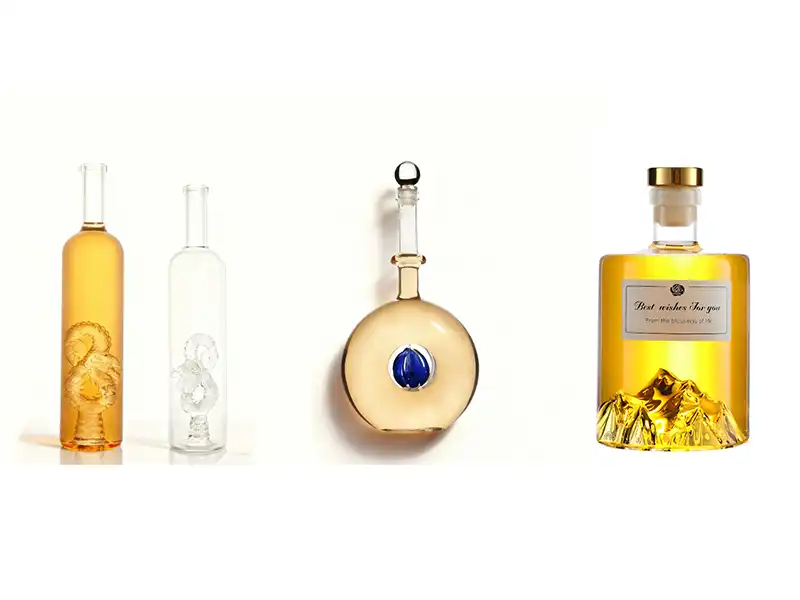
Understanding the Appeal of Whiskey Bottles with Intricate Designs
Changes in the way people experience and value alcohol are reflected in the way whiskey is packaged. What started out as useful glass cases has grown into works of art that tell stories, bring up memories, and show quality before the cork is taken out.
From Function to Brand Ambassador
The whiskey glass has changed from a simple container to a strong brand ambassador that instantly communicates value ideas. Premium whiskey brands found that unique bottle shapes give them shelf presence that can't be achieved with standard marketing. When a procurement manager looks at different package choices, they are judging how well each design will show off their brand in a range of retail settings, from small liquor shops to duty-free airports. If you choose the right bottle design, it will work like a quiet salesperson, bringing in customers and letting them know about quality standards without you having to say a word.
Psychological Impact on Purchasing Decisions
Consumer psychology research shows that the style of the package affects up to 70% of choices about what spirits to buy. Embossed details, unique shapes, and premium glass weight make you subconsciously judge quality in a matter of seconds. When buyers are looking at dozens of choices, they quickly make decisions based on what they see and feel. For example, a heavy bottle suggests that it has substance, detailed embossing suggests that it was made with care, and unique shapes suggest that the experience will be memorable. When it comes to competitive markets, brand managers who understand these psychological causes have a strategic edge. This is especially true when launching new goods or entering established categories where standing out is key to success.
Key Design Elements That Elevate Brand Value
Several important design elements work together to make bottles that appeal to target groups and explain their high price:
- Bottle Shape and Silhouette: Custom molds let brands make their own unique shapes that are easy to spot. Square decanters make you think of security and tradition, while bent organic shapes make you think of innovation and friendliness. The shape makes the name instantly recognizable from anywhere in a store.
- Embossing and Texture: The raised letters, crests, and artistic designs give the paper a tactile quality that regular printing can't match. These three-dimensional aspects show heritage and attention to detail, which is especially helpful for brands that focus on craft practices or historical accuracy.
- Glass Quality and Clarity: Premium borosilicate glass is clearer and lasts longer than regular soda-lime glass. The choice of material affects how light bends, how heavy something feels, and how long it lasts. Picky buyers notice these differences right away when they handle the item.
- Label Integration and Artwork: Label execution completes the brand story, whether it's applied, etched, or written straight onto glass using thermal transfer methods. When the design and graphics of a bottle work together in harmony, they create visual stories that are easier to remember.
The Manufacturing and Design Process Behind Unique Whiskey Bottles
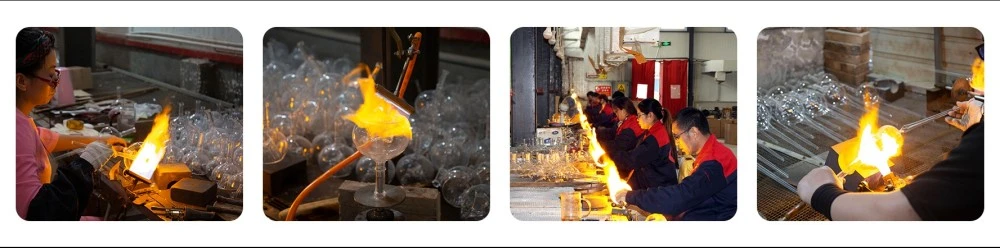
To make unique whiskey packaging, brand leaders and technical makers must work together and understand both the artistic possibilities and the production facts. Specialized knowledge, precise tools, and quality control measures are needed for the process, which sets apart exceptional providers from average glass makers.
Advanced Materials and Artisanal Techniques
Making whiskey in interesting alcohol bottles today is a mix of old-fashioned skill and modern material science. Borosilicate glass, which is usually used in labs, makes glass containers for drinks very clear and resistant to heat. This material is better than regular glass at handling changes in temperature during production and shipping. It also has better optical qualities that show off the color and clarity of liquids. Hand-blown production methods allow levels of tailoring that can't be achieved with fully automatic systems. For example, Jiateng is able to make bottles with character differences that give them an artisanal look while keeping them functionally consistent.
Custom Mold Development and Precision
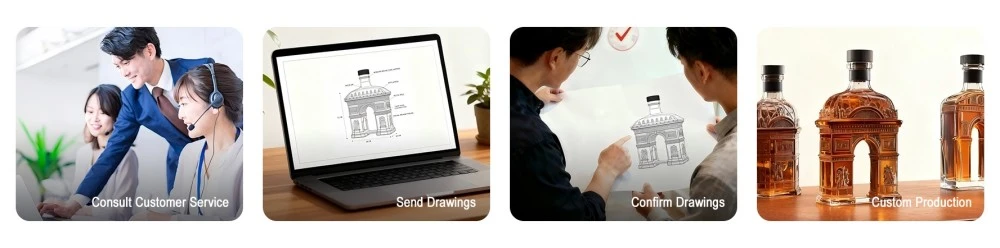
During the mold-making step, it's possible to see how well the design ideas work in real life. Mold development by experienced makers usually takes more than one step. It starts with 3D renderings, moves on to prototype samples, and ends with production-grade tooling that can be used to make thousands of units that are all the same. When brands need specific sizes for automatic filling lines or unique features like custom embossing that must stay visible across production batches, this technical knowledge comes in very handy. Good makers keep large mold files and the ability to change things, which cuts down on wait times for brand refreshes or seasonal changes.
Decoration Techniques That Enhance Visual Impact
Specialized methods are used for surface painting, which turns simple bottle shapes into unique brand assets: Thermal transfer printing makes it possible to make images that look like photographs and last a long time. They are also very resistant to water and handling. With electroplating, metal finishes are made that look high-end without being too heavy. Frosting and acid-etching make fine dull surfaces that look great next to shiny parts. Screen printing is still useful for big logos and covering that is hard to see. Laser etching lets you make changes that last, which makes it perfect for limited versions and high-end items.
Balancing Customization with Production Efficiency
When makers help brands find the balance between unique design and production feasibility, they form successful B2B partnerships. Suppliers with a lot of experience can help clients make changes that keep the design purpose while making the product easier to make, lowering the number of breaks, and increasing the shipping efficiency. These connections are especially helpful for brands that are expanding into new markets and need to change their packaging to fit new rules, weather, or distribution systems, all while keeping the brand's image consistent across all businesses around the world.
Top Whiskey Bottles with Intricate Designs: Market Leaders and Collectibles
There are many examples in the drinks industry of how new packaging has improved brand positioning and given companies a competitive edge that lasts through market cycles and changes in customer tastes.
Design Innovation in Premium Segments
Leading whiskey brands have shown how unique bottles can become part of a brand's property that goes beyond individual sales. Decanter-style bottles with heavy bases and hand-applied features show history and allow higher prices in markets with lots of competition. Modern geometric shapes with sharp edges catch the light in a big way and look good with today's style, while still being useful for both store displays and home bars. Sculptural organic shapes that are based on natural elements or the geography of the area make emotional links that go beyond taste profiles and make brand loyalty stronger.
Limited Editions and Collector Appeal
Because of special release packing, there are now secondary markets where empty bottles are worth a lot just because of their style. This shows how Interesting Alcohol Bottles can become cultural objects that have uses other than their original purpose. Brand managers know that limited edition packaging gets attention, rewards loyal customers, and creates a sense of urgency that leads to instant sales. The collectibility factor keeps people interested in a brand even after they've bought it; fans use bottles as decorations, which keeps marketing going even after the purchase.
Custom vs. Standard: Strategic Considerations for Procurement
When procurement professionals compare stock choices to custom bottle development, they have to make smart decisions. Custom models usually need an initial investment of between $3,000 and $15,000, based on how complicated they are. For cost-effective production, the minimum order quantity starts at around 10,000 units. These investments make sense for well-known names with steady sales, for new high-end products that need to stand out, or when exclusive designs give a company a strong place in the market.
Standard forms with custom decoration are a good middle ground because they require less initial investment while still letting brands stand out through label design and surface treatments. The decision framework should take into account the expected length of the product's lifespan, the need to place the company competitively, and the actual budget for multiple fiscal years.
Procurement Insights: Where and How to Acquire Intricate Whiskey Bottles?
To find unique whiskey bottles quickly and easily, you need to use strategies that combine quality control, lowering costs, and making sure the supply chain works well across foreign operations.
Identifying Reliable Manufacturing Partners
A successful buying process starts with a thorough review of the seller that looks at more than just price. It also looks at technical skills, quality systems, and culture fit. Manufacturers who have GMP approval show that they are dedicated to maintaining quality control across all batches of production. Flexible brand portfolio management is made easier by suppliers who offer a range of capacity sizes, from 100ml sample sizes that are great for tasting programs to standard 750ml forms. Companies that have shipped goods internationally before know what paperwork is needed, how to package things properly, and how to coordinate operations in a way that keeps costs low and avoids delays or damage during delivery.
Evaluating Technical Capabilities and Design Support
Collaborative design services that help brands achieve their creative ideas while avoiding technical problems are an important part of the best manufacturing relationships. Suppliers with in-house R&D teams and experienced engineers can help with choosing materials, suggesting design changes that make the product easier to make, and giving accurate timelines based on actual production capacity instead of vague promises. This consultative method works especially well for brands that want to try new package ideas but need to make sure they're technically possible before spending a lot of money on them.
Negotiation Strategies for Quality and Value
Negotiating prices is only part of effective buying. You also need to set rules that protect both quality standards and delivery reliability. Some things that should be talked about are how to approve samples with clear guidelines for what kinds of changes are allowed, how to check for quality control at different stages of production, and how to plan for delays or quality problems that might happen. Payment terms that properly balance risk, like deposits when the order is confirmed, progress payments based on production targets, and final payment after inspection, make sure that everyone's goals are met. Long-term promises to buy a lot of something can often get brands with steady demand better prices and earlier production schedules.
Building Strategic Supplier Relationships
Moving from transactional buying to strategic relationship has benefits that build over time and across multiple product cycles. Preferred suppliers put money into knowing how to place a brand, keep molds in storage so that reorders can be made quickly, and offer new ideas based on market trends and technological advances. These connections are especially helpful during times of rapid growth, when being able to adjust capacity and meet deadlines more quickly are necessary to stay competitive. When brands build relationships with their suppliers for Interesting Alcohol Bottles, they get access to better terms, the chance to work together on new ideas, and stability that can handle changes in the market.
Repurposing and Sustainability: Creative Uses for Intricate Whiskey Bottles Post-Procurement
Environmental duty has gone from being a nice-to-have to an important part of brand strategy, especially in markets where people are looking at purchases through the lens of sustainability more and more.
Eco-Friendly Manufacturing Practices
Forward-thinking companies have started using methods that are better for the earth without lowering the quality standards. When recycled glass is used in production, less raw materials are needed to make the glass and less energy is used during freezing. Optimized package designs use the least amount of materials while still keeping the structure strong for shipping safety. Getting raw materials and parts from nearby sources cuts down on traffic pollution across supply chains. These actions are in line with companies' social responsibility promises and often cut costs by making things run more smoothly.
Design for Reuse and Extended Value
Bottles that are made to be useful after the purchase, especially Interesting Alcohol Bottles, keep people interested in the brand for longer and support stories about sustainability. High-quality glass and appealing patterns make people want to reuse bottles as decorations, flower vases, or drink cases long after the original contents have been enjoyed. This longer lifespan makes the brand more visible at home and at social events, and it shows concern for the environment, which appeals to customers with strong morals.
Communicating Sustainability Commitments
When partners and customers are properly informed, purchasing choices that favor eco-friendly packaging can be used as marketing assets. Being open about the materials used, how they are made, and what happens at the end of a product's life improves the brand's image among buyers who know more about it. B2B clients know that qualifications in sustainability can help them get deals with stores that use eco-friendly packaging and appeal to groups of people whose environmental concerns have a big impact on their buying decisions.
Conclusion
Intricately designed, Interesting Alcohol Bottles have become strategic assets that communicate brand values, set them apart on the shelf, and support their high price point in markets that are very competitive. People who work in procurement who understand how design psychology, manufacturing skills, and market factors all affect each other can choose packaging that gets real business results. The best methods find a balance between creative goals and production facts, between custom uniqueness and cost effectiveness, and between aesthetic appeal and usefulness.
As concerns about sustainability grow and new markets demand more complex packaging, working with experienced manufacturers who can do everything from conceptual design to decoration and delivery gives you a competitive edge that lasts throughout the lifecycle of the product. Investing in unique packaging pays off in the form of better brand recall, higher sell-through rates, and stronger customer loyalty that lasts beyond individual purchases.
FAQ
What factors should procurement teams prioritize when selecting custom whiskey bottles?
Procurement teams should look at a supplier's technical skills, such as their knowledge of mold creation, the different painting technologies they offer, and the quality control systems they use to make sure that each batch is the same. Sizes ranging from 100ml to 750ml allow for stock management. The quality of the material, especially borosilicate glass, affects how long it lasts and how much it is thought to be worth. Inventory management and market launch plans are directly affected by lead times, minimum order amounts, and how reliable shipping is.
How can brands verify the quality and authenticity of custom bottle manufacturers?
Facility certifications, like GMP standards, that show organized quality control are the first step in verification. Ask for production samples that show specifics about the workmanship, such as the quality of the finish, the clarity of the embossing, and the uniformity of the glass. Checking references with past clients can give you information about how reliable someone is, how well they communicate, and how they solve problems.
Are eco-friendly bottle options available that maintain premium brand aesthetics?
Modern sustainable practices have come a long way, making it possible to package things in a way that is good for the earth without sacrificing style. Using recycled glass keeps the quality and brightness while having less of an effect on the earth. When paired with good design, lightweight engineering cuts down on the amount of materials used and the pollution caused by shipping without lowering the perceived value. Using water-based decorating methods gets rid of dangerous solvents and produces great effects. Manufacturers that care about the environment and want to set their brands apart from others often lead the way in new technologies that help both goals.
Partner with Jiateng for Your Custom Whiskey Bottle Needs
Jiateng is ready to turn your brand's ideas into unique glass packaging that makes your business successful in the market. Our GMP-certified factory in Hebei Cangzhou blends 30 years of experience making glass with new technologies like hand-blown production, heat transfer printing, and a full range of decoration services. We have a range of sizes and capacities, from 100ml sample sizes to normal 750ml forms. All of our products are made from high-quality borosilicate glass, which is clearer and lasts longer than other materials. We've been making Interesting Alcohol Bottles for a long time and have relationships in over 50 countries, so we know what quality standards, reliable delivery, and customization options B2B customers need.
Our experienced foreign trade team and engineering professionals help with everything, from coming up with the first idea to making the mold, getting permission for the samples, production, decoration, and safe delivery to your facility. Our OEM/ODM services can handle orders raBorosilicate glassnging from small batches for testing to more than 3 million units a year. This includes requests for unique bottle forms, custom colors through spray painting, stamped branding, or any other unique feature. Email our team at lhd513@jtblzp.com to talk about how our custom glass bottle solutions can help your whiskey brand stand out, improve its place in the market, and make packaging that speaks to your target customers around the world.
References
1. Robertson, G.L. (2016). "Glass Bottles and Jars: Design and Production Considerations." Food Packaging: Principles and Practice, Third Edition. CRC Press.
2. Stewart, B. (2019). "Premium Spirits Packaging: The Role of Design in Brand Differentiation." Journal of Brand Strategy, Volume 8, Issue 2, pp. 156-171.
3. Chen, M. & Anderson, P. (2020). "Consumer Psychology and Packaging Design in the Alcoholic Beverage Industry." International Journal of Marketing Studies, Volume 12, Number 4.
4. Thompson, R.K. (2018). "Sustainable Glass Manufacturing: Environmental Practices in Contemporary Bottle Production." Materials Science and Engineering Quarterly, Volume 23, pp. 89-104.
5. Martinez, L. & Cohen, D. (2021). "Collectible Packaging: How Limited Edition Bottle Design Creates Secondary Markets." Luxury Marketing Review, Volume 15, Issue 3, pp. 234-249.
6. Williams, J.H. (2017). "B2B Procurement Strategies for Custom Packaging in Global Supply Chains." Supply Chain Management: An International Journal, Volume 22, Number 6, pp. 567-582.