



A Quick Guide to the glass bottle for whisky gift
When you buy high-end whisky as a gift for business clients or a brand launch, the glass bottle is more than just packaging; it's what your brand stands for. A whiskey glass bottle made to be given as a gift mixes storage with visual stories, turning spirits into experiences that people will remember. Whether you're packing single malts, whiskey, or craft whisky, knowing about bottle design, material choices, and customization options will make your gift look classy and keep the liquid's quality for years to come.
Understanding Whiskey Glasses and Their Role in Whisky Gifts
There are more things than just booze that can be given as gifts. The amber spirit's container has cultural significance, a practical use, and a pleasing appearance that directly affects how people think about your brand.
Defining Whiskey Glasses in Premium Gift Contexts
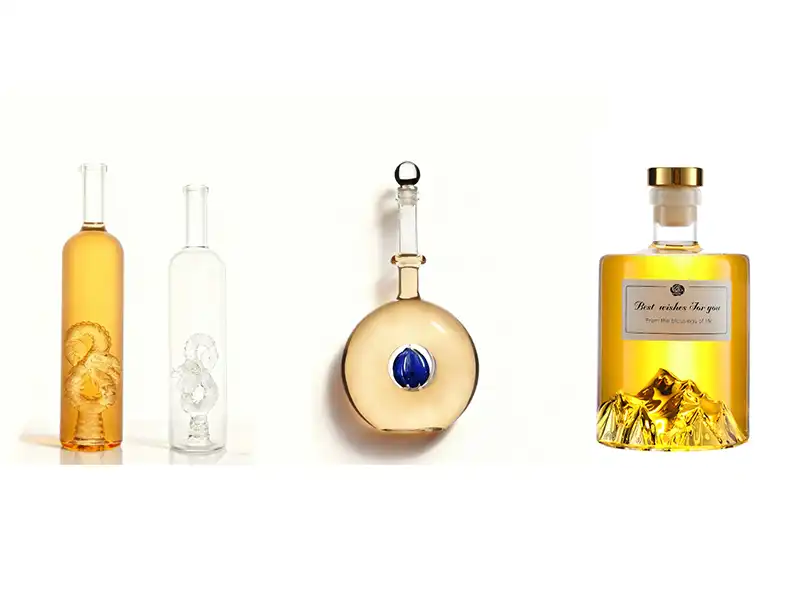
In the gift business, a "whiskey glass bottle" is a special case made from chemically inert materials, usually borosilicate glass or super flint glass, that is designed to keep whisky's flavor and aroma forever. In contrast to regular packaging, these bottles stop oxidation after they are sealed and UV breakdown that can flatten complex taste compounds. When we talk about Whiskey Glass containers at Jiateng, we're talking about bottles that come in sizes ranging from 100ml sample sizes to 750ml standard forms. All of these bottles are made of high-quality borosilicate glass that keeps the integrity of the liquid even when the temperature changes and the bottles are stored for a long time.
Quality glass makes the whisky's natural color stand out, whether it's a young bourbon's pale gold color or a 20-year scotch's deep red color. This clear picture becomes part of the brand story, letting the spirit itself show quality before the first taste.
Popular Whiskey Glass Bottle Types and Their Gifting Appeal
Different bottle shapes are used for different types of gifts and company placement. Classic decanter-style bottles with thick shoulders and heavy bases are a sign of custom and history. This makes them perfect for special releases or gifts for executives. A lot of the time, these designs have names or patterns that are raised in a way that makes them easy to recognize.
Square or rectangular bottles look better on shelves and take up less space when they're packed. This is especially helpful for marketing efforts that need to send out a lot of bottles. The flat sides are great for thermal transfer writing or putting on labels with a lot of detail. Also, artistic bottles with unusual shapes—those that include building elements, regional scenery, or cultural symbols within the glass—turn the bottle into a collectible item that keeps people interested in the brand even after the whisky is gone.
Jiateng is an expert at making unique molds that turn ideas for patterns into real things. In the glass structure of some of the bottles our engineering team has made, there are tiny copies of famous mountains, buildings, and cultural symbols. This method makes every bottle into a talking piece, which greatly increases the value that is thought to be attached to business gifts.
Historical Evolution from Traditional to Artisanal Designs
Over the past 100 years, whisky bottles have changed a lot in how they look. In the past, distillery bottles were designed to be practical, with uniform forms that made mass production and keeping easier. The standard cylindrical bottle with a long neck ruled the market because it worked well with automatic bottling lines and didn't break easily while being shipped.
Differentiation and stories are important in modern handmade bottle design. These days, people in charge of buying things want dishes that stand out in gift catalogs and social media posts that are already full. This change has led to new ways of making glass, such as complex shapes, uneven wall thicknesses for visual effect, and the addition of artistic elements that were not possible a few decades ago.
The change shows how the market is changing in general. As the market for high-end whiskies grew around the world, especially in Central Asia, Latin America, and Eastern Europe, brands needed packages that could communicate quality across cultures without just using label text. The bottle itself became a common way to talk about high-end products.
How to Choose the Best Whiskey Glass Bottle for Your Corporate Whisky Gift Set?
Finding the right bottle means finding a balance between how it looks and how it works in terms of production, cost, and long-term brand harmony.
Material Quality Considerations for Durability and Aesthetics
The choice of material is the most important part of making a good whisky gift bottle. Borosilicate glass is better at resisting thermal shock than regular soda-lime glass. This makes it perfect for storing drinks in places with changing temperatures, like warehouses and home bars where the temperature control changes all the time. This material can handle differences in temperature of up to 150°C without cracking, which is very important for goods that are sold in many different places.
Super flint glass is very clear, almost as clear as crystal, but it doesn't contain lead, which is a worry. This choice of material is especially important when the color of the whisky is used to show how good it is. Because normal glass doesn't have a greenish tint, amber colors look just like they did when they were aged in a barrel.
Weight is another important factor to think about. A bottle with a lot of weight—which can be achieved by making the base parts thicker or the walls larger—already gives you a sense of high quality. To make sure the package fits the price of the liquid, purchasing managers often set minimum bottle weights (usually between 500 and 800g for 750ml forms).
Matching Bottle Capacity to Whiskey Types and Gifting Occasions
The choice of capacity has a direct effect on both how useful something is and how valuable it is seen to be. The 100ml size is only used for certain things, like business sampling programs, flight comparisons at tasting events, or promoting new products. These smaller bottles help brands reach more people while keeping the costs of shipping down.
The 250ml capacity is a good size for both tasting and regular drinking. It works well for high-end gift sets that include whisky and glasses or other items to go with it. This size gives you enough drink for a lot of shared adventures while still being portable for events or travel.
Standard 500ml and 750ml bottles are most common when it comes to business gifts. The 750ml size is standard in the global spirits business, so it's easy for foreign customers to get used to and for customs officials to process shipments across borders. The 500ml choice is a good compromise; it's big enough to feel generous while still leaving room in the budget for better spirits or better packaging.
We've seen at Jiateng that bourbon and American Whiskey Glass brands like their bottles to be wider and shorter, while scotch and Japanese whisky brands like their bottles to be higher and thinner. These style tastes come from cultural history and help buyers identify certain types of whisky just by looking at the shape of the bottle.
Customization Options: Personalization and Branding Advantages
Customization turns plain bottles into brand advocates. Thermal transfer printing lets you put full-color photos directly on glass, so you can tell complicated brand stories, use images that are special to a vintage item, or send personalized messages to clients at production volumes as low as 10,000 units. This technology makes labels last longer than paper labels because the pictures don't get damaged when they're handled, wet, or changed temperatures.
By embossing and debossing, you can make lasting, three-dimensional brand marks that stop fakes and add a touch of luxury. Deep relief logos can be read even if the surface decoration goes off. This keeps the brand visible throughout the bottle's lifecycle, even if it is used again as a decanter or as a decoration.
Spray painting allows you to change colors, which gives you more ways to stand out. Clear glass bottles let the whisky shine through, but custom-colored bottles with finishes ranging from light frosting to bright shiny can match campaign themes, holiday sales, or limited-edition releases. Jiateng can paint with color effects, selected area application, and textured finishing that give the painting depth.
In gift-giving situations, the glass lid part needs extra care. Unlike metal caps or synthetic closures, glass stoppers show quality placement and offer better closing when they are ground to fit the neck's dimensions. When these closures are opened, they become memories in their own right, since they often have names or other decorative elements built in that promote the brand every time the bottle is opened.
Procurement Insights: Buying and Supplying Whiskey Glass Bottles in Bulk for Corporate Gifts
To find your way around the B2B buying world for custom glass bottles, you need to know how things are made, how much they cost, and the quality control rules that make sure you always get what you order.
Identifying Reliable Wholesale Sources and Manufacturing Partners
There are two main types of companies that make glass bottles: large-scale commodity makers and specialized custom manufacturers. Commodity makers are great at making standard forms in huge quantities for very little money per unit, but they don't give customers many ways to customize their products. Their production lines always use the same molds, so unique orders aren't possible unless the number of units ordered each year is more than a few million.
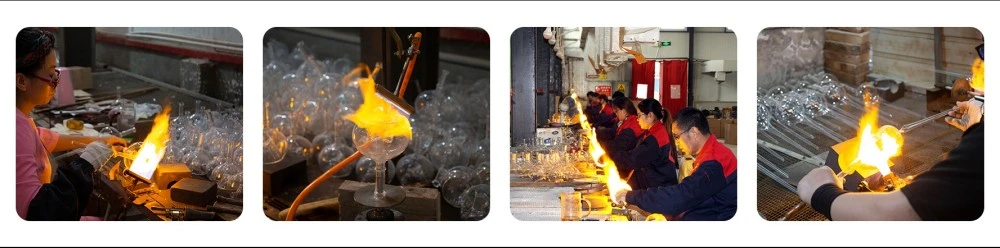
Jiateng and other specialized producers are in a different market situation. We've been making glasses for 30 years and have worked with big Chinese baijiu brands like Xifeng Wine and Wuliangye since 2008. As a result, we've built the right infrastructure for making special bottles. Every year, our plant makes about 3 million bottles for long-term partners and can also handle projects from new clients that require at least 10,000 units.
Aside from price, procurement managers should look at possible providers in a number of other ways as well. Consistency in lead times is very important when it comes to packaging spirits. Product launches, yearly campaigns, and special events all happen on set dates, and bottle delays can have a big effect on sales. Suppliers with specialized account management teams and clear production timing systems make it easier for everyone to work together.
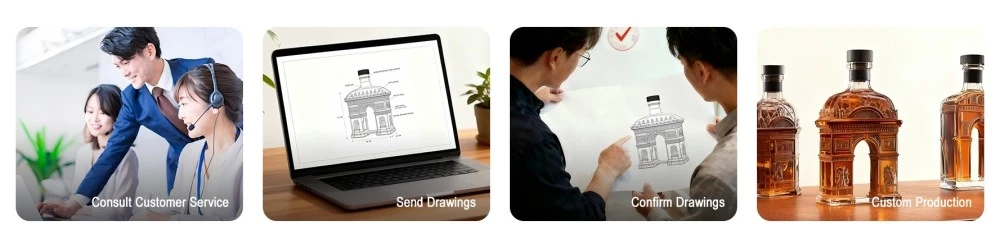
Technical building skills are what set good makers apart from great partners. Complex bottle shapes need complex mold design to make sure that the glass is evenly distributed, that weak spots don't form, and that the dimensions stay within the ranges needed for automatic filling lines to work. Jiateng's engineering team helps with everything from idea sketches to 3D-printed samples. This way, customers can test the ergonomics of the bottles and make sure they work with their filling equipment before committing to full mold production.
Pricing Strategies, Minimum Orders, and Customization Lead Times
Understanding how costs are structured helps buying managers make the best use of their budgets. Custom cast development costs the most up front, usually between $5,000 and $25,000, based on how complicated the design is, how precise the details need to be, and how many cavities are needed. If you make 50,000 units, the cost of the mold might add $0.10 to $0.50 per bottle. If you make 500,000 units, the difference is almost invisible.
Rates for each bit of glass depend on its size, thickness, and type. Prices for clear borosilicate glass 750ml bottles run from $0.80 to $2.50 per unit for 10,000 to 100,000 pieces. Prices go down as more are bought, but they never go below $0.60, even for sales of millions of units, because of raw material floors. Costs go up by the same amount for custom colors, specialty glass formulations, or parts that are especially thick.
Depending on how complicated the method is, decoration adds extra costs. Full-color heat transfer or multi-stage painting methods can add $0.50 to $1.00 per unit, while simple single-color screen printing might add $0.10 to $0.20 per bottle. Embossing that is built into the mold doesn't cost anything extra per unit besides the original cast premium. This makes it a good choice for long-term production projects.
There are different parts to lead times. Mold creation and production usually take 30 to 45 days after the drawings are accepted. It takes an extra 15 to 20 days to make the first sample, which includes installing the mold, doing test runs, and shipping. Full production runs rely on the number of orders and how the production lines are scheduled. For example, 10,000-unit orders might be finished in 20 days, but 500,000-unit orders might take 60–90 days to finish because of quality control checks and staged shipping needs.
Jiateng's buying managers and production planning team work together to make sure that orders are placed in a way that fits with campaign schedules. We keep extra goods on hand just in case there are rush orders. However, there are extra fees for changing the production schedule within 30 days of the start date.
Packaging Safety and Co-Branding for Enhanced Presentation
Protective wrapping for glass bottles keeps them from breaking and makes them look good when they're given as gifts. Standard industrial packing uses corrugated dividers inside master boxes, which are fine for storing items in a warehouse and sending them in bulk but not for presenting gifts directly. Better packaging includes things like individual bottle covers, foam inserts, or custom-fit box designs that keep the goods safe while they're being shipped and make them look good when they get to the store.
Jiateng offers co-branded packaging options for high-end business gifts. These include bottle cartons that have both the brand of the spirit and the logo of the company giving the gift. This method of using two brands works really well for campaigns to promote, thank employees, or show respect for channel partners where the company giving the gift wants to be linked to the high-end product.
The layout of the pallets and how well the containers are packed have a big effect on the landed prices of foreign shipments. The size of a 750ml bottle tells you how many units fit in a master box, how many cartons fit on a pallet, and how many pallets fit in a shipping container as a whole. When bottle shapes are optimized, container usage can go from 70% to 90%, which directly lowers the cost of freight per unit. During the design phase, our engineering team looks at these logistics factors and suggests changes that keep the aesthetic purpose while making shipping cheaper.
Enhancing Brand Trust Through Whiskey Glass Bottle Gift Sets: Case Studies and Best Practices
When used strategically, handmade glass bottle gifts are more than just a way to say "thank you." They can also be used to build relationships and get real business results.
Real-World Applications Across Distribution Channels
In the crowded Whiskey Glass market, it was hard for a Mid-Atlantic spirits importer to stand out. Together with Jiateng, they made a special 500ml bottle with the state borders of Kentucky pressed into the glass, which gave it a more realistic look. Retail accounts reordered 40% more often with the unique bottle design than with standard packing. Buyers said the "shelf presence and story value" were what made them buy.
An OEM client that makes craft whisky for various private labels wanted bottle designs that could be quickly changed between brands while still maintaining a high-end image. We made a modular system with a standard bottle shape, replaceable bands with designs, and personalized glass caps. This method cut the number of items they had to keep track of by 60% while still letting each client brand have its own look thanks to the design of the lid and the thermal transfer pictures on the decorative band.
These examples show that the shape of a bottle is more than just packaging; it's a strategic tool. The Kentucky bourbon bottle became something people talked about and store employees used to teach customers about the product. This turned the packaging into a sales tool. The modular OEM system fixed a problem with the way the business worked, which was managing supplies. It also kept the flexibility that smaller craft brands needed to place themselves in the market.
Integrating Product Education into Marketing Strategy
People who receive a gift get the most out of it when they know that both the booze and the way it was presented were chosen with care. Progressive brands include teaching elements in gift sets, like cards that explain how the bottle's design came to be, serving ideas that are specific to that style of whisky, or stories about the distillation process that connect the drink to its container.
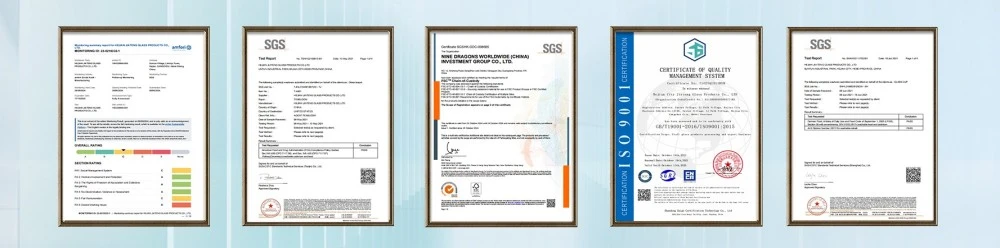
Jiateng tells clients that they can use our story about how we make things as part of their own brand story. Quality is guaranteed by the fact that the bottles come from a factory that makes 3 million units a year for big names like Wuliangye, and our ability to carry out highly customized designs shows that we pay attention to the little things. Some clients put short bios of the manufacturers in the materials that go with gift sets, using the choice of packing as proof of their commitment to quality.
Digital merging turns real gifts into ongoing interactions. Glass closures or QR codes etched into the glass can lead to tasting videos, drink recipes, or information about the background of the brand. With these links, a one-time gift becomes a way to keep in touch, and engagement data help procurement managers show leadership the return on investment (ROI) of gifts.
Leveraging Quality and Presentation for Client Retention
The relationship between gift quality and business outcomes appears in repeat purchase data. Clients who invested in premium custom bottles with substantial customization—embossing, custom colors, and enhanced packaging—reported 25-35% higher repeat order rates compared to those using standard bottles with simple labeling. The quality signal conveyed through packaging created perceptions of overall business professionalism that extended beyond the physical product.
Presentation consistency matters across order volumes. A brand that delivers the same bottle quality and packaging precision whether shipping 10,000 or 500,000 units builds supplier reliability perceptions that influence long-term partnership decisions. Jiateng's quality control protocols maintain consistent standards regardless of batch size, using the same dimensional tolerance checks, stress testing, and cosmetic inspection whether producing sample runs or full production volumes.
The bottles themselves generate organic marketing through social media sharing. Distinctive designs prompt recipients to photograph and post their gifts, creating authentic brand exposure that paid advertising cannot replicate. Procurement managers should evaluate bottle designs partially on their "shareability"—visual elements that photograph well and communicate brand identity clearly in social media contexts where label text becomes illegible.
Whiskey Glass Bottle Care and Maintenance Guidance for Long-Term Value
Proper bottle care that extends its lifecycle increases the worth of a gift and keeps brand associations good for longer periods of time.
Cleaning and Storage Best Practices
Glass bottles used for whisky storage require minimal maintenance but benefit from specific care protocols. Once emptied, bottles destined for reuse as decanters or decorative objects should be rinsed immediately with warm water to remove residual spirits before they dry and leave sticky films. Avoid detergents inside bottles intended for future spirits storage, as soap residues can alter flavor profiles. A rinse with neutral grain alcohol (vodka works well) followed by air drying with the bottle inverted provides optimal cleaning.
Storage positioning matters for sealed bottles. Unlike wine, whisky bottles must stand upright to prevent high-alcohol-content liquid from degrading closures over time. Glass lids provide superior longevity compared to cork or synthetic closures, but even glass-stoppered bottles benefit from humidity-controlled environments to prevent dust accumulation and label deterioration.
UV exposure represents the primary environmental threat to stored whisky. While borosilicate glass offers some inherent UV resistance, prolonged direct sunlight can still trigger photochemical reactions that degrade flavor compounds. Display storage should position bottles away from windows, or utilize UV-filtering glass cabinets for valuable collections. The clear glass we manufacture at Jiateng showcases liquid color beautifully but does require environmental awareness from end users.
Serving Recommendations for Optimal Experience
Bottle design influences serving experience in subtle but meaningful ways. Bottles with heavy bottoms and comfortable neck circumferences pour easily and don't drip. Bottles that aren't balanced right, on the other hand, make pouring angles that aren't natural and could cause spills. During the design process, our engineers think about ergonomics and try sample weights and balance points to make sure the pour mechanics work well.
Pour sizes are different for each type of whisky and each situation. A standard amount is between 1.5 and 2 ounces, which means that a 750ml bottle gives you about 12 to 16 serves. This helps procurement managers explain what the worth is of something—a high-quality gift bottle offers many shared experiences instead of a single use.
Opening a well-designed bottle with a glass stopper adds a ritualistic touch to gift-giving events. When people receive gifts, the weight and precise fit of high-quality seals make them feel good, which makes them think of both the whisky and the brand that sent the gift positively. Even though they are hard to measure, these psychological factors have a big impact on how gifts are remembered and talked about in professional networks.
Conclusion
When choosing the right glass bottle for whisky gifts, you have to think about how it will look, how it will work, how it will be made, and how you want to place your brand. From choosing the original size to the customization options and supplier, every choice affects how the receiver sees both the whisky and the brand of the gift. Borosilicate glass bottles with sizes from 100ml to 750ml are flexible options for business gifting programs.
They can be personalized through heat transfer printing, embossing, and color treatments, which lets brands show themselves in their own unique ways. When you work with experienced manufacturers, you can be sure of consistent quality, reliable production timelines, and tech help that turns ideas into real things. Custom whisky bottles are more than just packing when they are done with care. They can become relationship-building tools that create real business value by improving how customers see your brand and making stronger connections with clients.
FAQ
What makes borosilicate glass superior for whisky bottles?
Borosilicate glass can withstand temperature changes of up to 150°C without cracking. This keeps the glass from breaking when it is being stored or transported. This substance doesn't react with chemicals, so it keeps whisky's taste profile forever without adding any compounds to the spirit. Borosilicate glass is also better for showing off things than regular soda-lime glass because it is clearer.
How do minimum order quantities work for custom bottle designs?
For custom bottle projects, the minimum order size is usually 10,000 units in order to cover the costs of making the mold and setting up the production line. This limit allows for reasonable unit costs while also meeting specific design needs. Higher numbers (100,000 or more units) can save you more money and may allow you to get more customization choices or faster production schedules.
What lead time should procurement managers plan for custom bottle orders?
Complete unique bottle times range from 65 to 155 days, based on how complicated the design is and how many bottles are ordered. Designing and making the mold takes 30 to 45 days. Making samples takes an extra 15 to 20 days, and full production runs, depending on the number of items, take 20 to 90 days. With expedite fees, rush orders can cut down on wait times by 15-20%, but quality standards stay the same no matter how fast the plan moves.
Can bottles be designed to fit existing filling line equipment?
Of course. During the design process, Jiateng's engineering team looks at your filling equipment specs to make sure that the neck size, overall height, and base stability meet your automation needs. We give you full dimensional drawings and can change designs to fit the limits needed for vacuum filling, corking, or capping systems without changing the way they look.
How does thermal transfer printing compare to traditional labeling?
Heat-activated inks are used in thermal transfer printing to put images directly on glass surfaces. This makes a lasting decoration that is much better at withstanding moisture, handling, and changes in temperature than paper labels. This technology lets you print photos in full color and gets rid of the need to keep track of labels. However, you have to buy a lot of them at once (usually 10,000 or more), whereas label application can be cheaper for smaller amounts.
What customization options work best for limited-edition releases?
Differentiating features that show exclusivity are good for limited versions. For example, custom bottle shapes can be made with special molds, specialty colors can be added with spray painting, or edition numbers can be etched into the glass. Using a unique bottle shape along with design elements that can be changed (like colors or pictures but keeping the basic shape) lets each edition stand out while keeping mold costs low for multiple releases.
Partner with Jiateng for Your Custom Whiskey Glass Bottle Needs
Jiateng Glass Products has been making high-quality products for more than 30 years and can help you with your whisky packing projects. As a reliable provider of whiskey glass bottles to top spirits brands in more than 50 countries, we can turn your ideas into unique bottles that improve brand positioning and get customers more involved. Our wide range of services includes coming up with the first idea, designing an engineered mold, making a sample, testing it, making the whole thing, and decorating it to order using thermal transfer printing and special finishes.
With the ability to produce anywhere from 10,000 to 3 million units per year and partnerships with well-known names like Wuliangye and Xifeng Wine, we give procurement managers the quality stability and on-time delivery they need. Our factory in Hebei Cangzhou makes bottles with 100ml, 250ml, 500ml, and 750ml sizes. They use high-quality borosilicate glass and can finish them in clear or custom spray-painted ways. We also offer full OEM/ODM freedom. Talk to our foreign trade team at lhd513@jtblzp.com to find out how Jiateng can help you package your spirits with precision-engineered glass bottles that make every gift a lasting image of your business.Contact
References
1. MacLean, Charles. "Whisky: A Tasting Course - A New Way to Think About and Appreciate Whisky." DK Publishing, 2018.
2. Roskrow, Dominic. "The World Atlas of Whisky: More Than 350 Expressions Tasted - More Than 150 Distilleries Explored." Mitchell Beazley, 2014.
3. Packowski, John. "Glass Container Design and Manufacturing Principles for Spirits Packaging." Journal of Packaging Technology and Research, Volume 4, 2020.
4. International Spirits and Wines Association. "B2B Corporate Gifting Trends in Premium Spirits: 2019-2023 Market Analysis." Industry Report, 2023.
5. Chen, Wei and Liu, Jian. "Thermal Properties and Chemical Resistance of Borosilicate Glass in Beverage Applications." Materials Science Forum, Volume 892, 2021.
6. Roberts, Sarah. "The Psychology of Premium Packaging: How Container Design Influences Brand Perception in Luxury Goods Markets." Marketing Studies Quarterly, Volume 31, Issue 2, 2022.