



Alcohol Bottle Design Secrets That Turn Ordinary Drinks into Art
As you walk down the liquor line, there are some bottles that stand out right away. They feel different, more purposeful, and like statues. That instant visual attraction isn't a coincidence. To turn an Alcohol Bottle into a work of art, careful design choices are made based on material science, brand psychology, and the accuracy of the production process. Premium liquor makers know that the bottle itself says something about the quality of the drink before you even pour it. Whether you're starting a small distillery or buying things for a well-known brand, knowing these design secrets can have a huge impact on how you place your business in the market and how customers see you.
The Art and Science Behind Alcohol Bottle Designs
Historical Evolution of Glass in Spirits Packaging
In the 17th century, glass became the most common material for packaging an Alcohol Bottle, and it wasn't just because it looked nice. It was also more useful. Glass is completely inactive, unlike pottery or metal. It doesn't react chemically with high-proof alcohol, so the flavor of the spirit stays the same over time. In the beginning, bottles were just plain useful, but by the Victorian era, distillers knew that the shape of a bottle could show where it came from and what kind of alcohol it was. The steep shoulders of champagne made it less likely that sediment would settle, while the broad base of whiskey kept it stable during the shift from barrel to bottle.
Borosilicate glass, which is used in today's high-end bottles, is better at resisting heat shock and maintaining visual clarity. This choice of material has a direct effect on how people think about the liquid inside. A 2019 study in the Journal of Sensory Studies found that people thought similar spirits were 23% better when they came in heavier, ultra-clear glass bottles instead of normal soda-lime bottles.
Why Material Selection Defines Premium Positioning?
When businesses buy things from each other, the technical qualities of bottle glass are very important. With less than 0.02% iron, Super Flint glass is clear as crystal and shows off the spirit's true color without any warping. This is especially important for vodka and white spirit brands that want to be seen as very high-end. There is also a secret but important part for wall thickness distribution. A consistent thickness (usually within ±1.5 mm for complicated forms) stops stress concentration places that cause breakage in high-speed automatic filling lines, which cuts down on production losses.
Dark amber and blue glass are useful for things other than how they look. UV light with bands between 280nm and 400nm can cause photochemical reactions in drinks, especially those that contain botanicals. Amber glass stops up to 98% of UV radiation, which keeps the taste intact and extends the shelf life. This is an important factor for gin and liqueur makers who want to sell their products in foreign markets where storage conditions can vary.
The Role of Regulatory Compliance in Design Innovation
Labeling rules around the world have a big impact on how bottles are designed. The U.S. Alcohol and Tobacco Tax and Trade Bureau (TTB) sets rules for where labels can go and how easy they are to read. In the EU, high-ABV goods must have tactile signs. These limits actually spur creative new ideas. More and more, brands are adding debossed names and embossed surface textures directly to the glass mold. This gets rid of the need for a lot of paper labels while still meeting safety standards. This method lowers the cost of materials and makes the experience feel more high-end; the bottle itself becomes the brand message.
Comparing Alcohol Bottle Designs: Functional and Marketing Perspectives
Material Transparency and Brand Storytelling
The decision of whether to use clear, tinted, or dark Alcohol Bottle glass is both a practical and a business one. When it comes to drinks, clear bottles work really well for aged rums with deep brown hues, rosé wines, and craft gins with ingredients that can be seen. The freedom makes it possible to look at the information, which builds trust. On the other hand, opaque ceramic-style bottles create mystery and luxury. This works especially well for very expensive vodkas or limited-edition releases where the reveal doesn't happen until after the purchase.
There is an interesting middle ground between frosted and gradient-colored bottles. They protect against some UV rays and look good at the same time. Nielsen's 2022 beverage packaging study says that millennials and Gen-Z customers are 40% more interested in goods with different textures on the surface. This is why brands that want to reach these groups often use frosted bottles with metallic details.
Iconic Shapes and Psychological Anchoring
Some bottle shapes have become mentally linked to certain types of spirits. Whiskey bottles usually have wide shoulders and heavy bases, which sends a mental message of security and history, which whiskey drinkers like. Vodka makers often use tall, thin shapes that make them look sophisticated and up-to-date. These aren't just random choices; they're carefully thought-out design styles that meet the needs of the target audience.
Breaking these rules on purpose can make you stand out in a big way. The skull-shaped bottle of Crystal Head Vodka broke the rules for its category and made it stand out on store shelves, which helped it go from being a new brand to being widely available within five years. The unusual form solved the important "shelf invisibility" problem that many new spirits brands have, but it was hard to make the mold because it had to have undercuts and uneven curves while still being strong enough for automatic production lines.
Sustainable Design Without Compromising Luxury Perception
Concern for the environment is changing the objectives of buying. When bottles are transported, ones that are lighter lower their carbon footprint. A 15% weight decrease over a million bottles can save about 45 metric tons of CO2 emissions. But in the past, lowering the weight of glass meant lowering the perceived quality, since people link heavy bottles with being high-end.
This problem can now be solved by using more advanced manufacturing methods. The base and shoulders are given more weight through strategic weight distribution, while the middle of the body is made thinner. This keeps the luxury "feel" while lowering the amount of material used. Also, companies are looking into closed-loop systems where used bottles are sterilized and replaced instead of being scrapped. This way of doing things is becoming more popular in Europe, where 30% of people who buy expensive spirits actively look for refillable choices
Designing Alcohol Bottles That Solve Procurement Challenges
Custom Molds as Strategic Brand Assets
When you're looking for packaging for a new spirit or a refresh of an old brand, the Alcohol Bottle mold is a big investment that gives you a clear edge over your competitors. If you register and protect a truly unique bottle shape, it becomes intellectual property that other companies can't copy. This makes the higher selling price reasonable and builds long-term brand value.
The process of making a cast takes a lot of technical know-how. To keep seams from showing, complex forms need multi-piece molds with very tight alignment tolerances. For proper release during production, embossed names or surfaces with texture need draft angles that have been carefully determined. Working with an experienced glass maker makes this process go a lot more quickly. Over the past 30 years, Jiateng's engineering team has improved custom mold development. Each year, they make about 3 million custom bottles for partners, such as big Chinese spirit names. Before the final mold is cut, we use 3D printing to make samples. This lets us test how well the caps fit and how the labels stick before we commit to full production tools.
Logistics Optimization Through Design Engineering
The shape of the bottle has a direct effect on how well your supply chain works. Per-unit transportation costs are affected by how easy it is to stack during palletized shipping, how easy it is to nestle in packing, and how consistent the sizes are. When compared to less efficient shapes, a well-engineered 500ml bottle design with an optimized footprint can increase pallet density by 12–18%, which directly lowers freight costs for foreign shipping.
Durability engineering is important for brands that want to sell their goods abroad. When bottles are going to new markets in Latin America, Central Asia, or Eastern Europe, they have to go through rougher treatment. Breakage losses are kept to a minimum with reinforced base designs, thicker shoulder shapes, and smart glass distribution. When you're sending container loads worth hundreds of thousands of dollars, a 2% drop in loss rates saves you a lot of money and keeps your customers happy.
Specialized Designs for Niche Market Opportunities
Brand-new product groups open the door for creative bottle solutions. Ready-to-drink alcohol and cocktails in a can have become very popular, but glass bottles still show that the RTD is of high quality for more expensive drinks. Creating bottles with ergonomic grip patterns and surface treatments that prevent condensation for cold service meets practical consumer needs while setting goods apart.
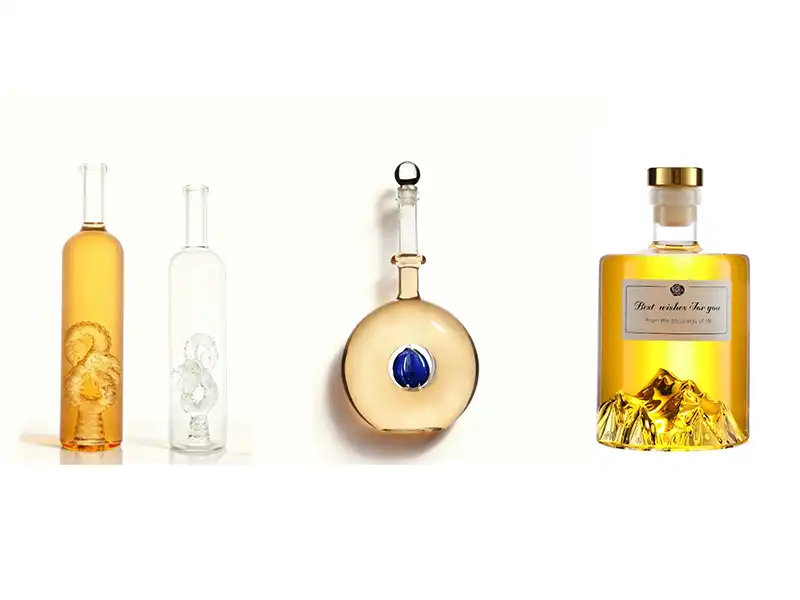
Bottles that are made to be used again are better for limited-edition sales. Decanters, flowers, and other artistic items keep brands in people's homes after they've used them. This method changes the cost of packing from a one-time fee to a long-term marketing investment, since the bottle keeps helping people remember the brand.
Guide to Sourcing and Procuring Premium Alcohol Bottles
Evaluating Manufacturer Capabilities and Reliability
Comparing prices per unit is only one part of choosing the right Alcohol Bottle provider. Production capacity, consistent quality, and the ability to provide expert help are all very important. When you're looking at possible partners, you should ask them to explain in detail how they handle quality control issues like uniform wall thickness, dimensional limits, and surface defect rates.
Lead times change a lot between sources, which has an effect on how you plan your production. Standard bottle designs usually ship between 30 and 45 days, but it takes 90 to 120 days for custom mold development and the first production runs. Manufacturers with a lot of experience keep the lines of communication open throughout the production process, updating customers on progress and preparing for possible delays ahead of time. Working with foreign clients for fifteen years has taught us that clear communication keeps misunderstandings from costing a lot of money and makes relationships last.
Another important thing to think about is the minimum order quantity (MOQ). For unique designs, many makers set MOQs between 10,000 and 50,000 pieces to cover the costs of making the mold and setting up the production line. When brands launch in their own area or test new goods before putting them on the market across the country, this fits in well. As relationships grow, volume promises can be changed. For example, yearly deals for regular orders can lead to better prices and guaranteed production capacity during busy times.
Matching Bottle Specifications to Product Requirements
Bottles for different drinks need to be made in different ways. High-proof liquor (above 50% ABV) need bottles that are very resistant to chemicals so that alkali doesn't leak out of the glass and change the flavors over time. To keep sparkling wines and fizzy drinks safe while they're being stored and moved, the bottles must be rated for an interior pressure resistance of at least 12 bar.
The details of the neck finish must match the closing method you choose. Screw cap designs and cork finishes are different, and bar-top pourers need specific hole sizes. When the bottle neck and seal don't work together, it slows down production and could lead to quality problems. Your bottle seller should give you detailed technical drawings with accurate neck measurements. This will let you confidently find caps that work with your bottles.
Scaling from Prototype to Mass Production
From idea to store shelf, everything moves along a set path. Once the design specs are finalized, sample production makes sure that the physical bottle meets all the needs for looks, usefulness, and production compatibility. When you get three to five sample units, you can do a lot of tests, like making sure the caps fit, applying the labels, and making sure the filling lines work with each other.
Approval of the sample starts the full production schedule. Consistent quality checks during production make sure that every bottle meets the requirements. Multiple stages of inspections are used in our production sites. Automated optical scanning finds differences in dimensions, and human checks check the quality of the surface and the strength of the structure. This strict method keeps up the high standards that well-known brands expect.
After they are made, simple glass bottles can be decorated to make them unique business assets. Screen printing, hot pressing, frosting, electroplating, and laser etching all make things look different. When you use more than one method together, like a frosted glass base with a metallic hot-stamped name, you get a premium store presence. Talking about decoration choices early on in the design process makes sure that the planned surface treatments will work with the design of the base bottle.
Trends and Future Directions in Alcohol Bottle Design
Smart Packaging Integration and Consumer Engagement
With near-field communication (NFC) chips and augmented reality (AR) triggers built into Alcohol Bottle caps and labels, silent packaging is being turned into interactive brand experiences. When people scan bottles with their smartphones, they can get authentication certificates (which are important for stopping people from fake expensive spirits), drink recipes, tours of distilleries, and the chance to join a loyalty program. These tools give brands useful information about their customers and make interactions more meaningful.
Even for mid-sized companies, implementation is still possible. NFC tags add about $0.15 to $0.40 per bottle based on volume, which is a small cost that can be easily covered by higher prices. Data insights like watching geographical distribution, figuring out consumption trends, and figuring out which customers buy from you again and again give a return on investment that is worth the money. Several craft breweries we've worked with say that smart package features bring 25–40% more people to their direct-to-consumer websites.
Circular Economy Practices Reshaping Procurement Strategies
Pressures for sustainability from both customers and government agencies are speeding up the use of circular design concepts. The Single-Use Plastics Directive in the EU and related laws around the world are pushing beverage companies to use packaging that can be used more than once and can be recycled over and over again. Glass easily fits this model because it can be recycled over and over again without losing any of its quality.
Brands are looking into deposit-return programs that would give customers money for returning empty drinks. To make reverse logistics run more smoothly, this model needs all bottle designs to be the same. This could limit design freedom but greatly improve environmental measures. Leading alcohol groups are working together to create standard bottle forms that can be used by many brands. This separates the package from the brand personality, which now only exists on the labels and closures.
Balancing Innovation with Cost Control
Adopting new trends while keeping an eye on budgets for purchases requires setting smart priorities. Not every new product needs revolutionary packaging. Core portfolio products do well with tried-and-true, low-cost designs. On the other hand, limited versions and new products deserve to spend money on innovative bottles that get people talking and trying them.
This balance is easier to achieve when you work with makers who offer full services from planning to delivery. Integrated providers create molds, make them, decorate them, and make sure they're of high quality all under one roof. This makes teamwork easier and lowers the risk of missing deadlines. Since 1992, Hejian Jiateng Glass Products Co., Ltd. has been there for brands at every step of the way. Our engineering team works with customers from the first sketches of an idea to the delivery of the final decorated bottles. This makes sure that everything goes smoothly, whether you're buying 10,000 bottles for a regional test or 500,000 for national distribution.
Conclusion
To turn plain Alcohol Bottle products into artistic brand assets, you need to find a balance between technical accuracy and aesthetic vision, between marketing effect and functional performance, and between innovation and cost efficiency. The most successful brands know that the design of their package isn't just for looks; it's an important part of how they place themselves in the market and how customers see them. Working with experienced makers who know both the art and science of making glass bottles is very helpful, whether you're starting a small distillery or taking care of the packing for a well-known brand. When you make strategic decisions about bottle design today, you gain an edge over your competitors that lasts for years as your brand grows and changes in markets that are getting more and more competitive.
FAQ
What minimum order quantity is required for custom alcohol bottles?
Depending on how complicated the design is, custom bottle projects usually need at least 10,000 pieces. This limit includes the costs of making the mold and setting up the production line. Standard Alcohol Bottle designs usually have smaller MOQs of around 5,000 to 10,000 units because they don't need to be made from scratch because molds are already made. Talking about volume during the first meeting can help you find the most cost-effective way to do things for your project's size and schedule.
How long does custom bottle development take from concept to delivery?
For fully customized patterns, the whole process takes about 90 to 120 days. This includes improving the plan for two weeks, making the mold for four to six weeks, making a model and getting approval for two weeks, and then making the whole thing and decorating it for four to six weeks. With standard Alcohol Bottle choices and personalized design, the wait time drops to 30 to 45 days. During the planning stages, experienced manufacturers give thorough project schedules that can be used to coordinate with marketing campaigns and product start dates.
Can bottles be designed to accommodate specific closure types and label sizes?
Of course. During the design process, you can change the technical details for neck finishes, label panel sizes, and shoulder angles to make sure they work perfectly with the closures, labels, and application tools you choose. By giving our engineering team closure examples and label measurements early on in the process, you help them find the best Alcohol Bottle shape. This way, we don't have to make any expensive changes after the mold is finished. When the bottles get to your filling plant, this integrated method will have made sure that production went smoothly.
Partner with Jiateng for Custom Alcohol Bottle Solutions
The package for your brand should show off its unique personality and high standards of quality. Jiateng Glass Products has been making custom Alcohol Bottle solutions for more than 30 years and works with high-end spirit names in North America, Europe, and Asia. Our wide range of services includes design advice, making custom molds, precise manufacturing, and decorative finishing. We offer complete solutions from the idea stage to delivery.
As a reliable provider of alcohol bottles, we stick to strict quality standards that have helped us build long-term relationships with well-known Chinese names like Wuliangye and Xifeng Wine. Our ability to meet number promises while still paying attention to detail is shown by the fact that we make about 3 million custom bottles every year. Our production sites and experienced foreign trade team make sure that your project gets delivered on time, whether it needs 10,000 bottles for a regional launch or 500,000 pieces for a national rollout.
We invite business owners, buying managers, and brand leaders to learn more about how Jiateng's one-stop service model makes getting custom bottles easier. You can talk to our team at lhd513@jtblzp.com to talk about your specific needs and get full technical plans that are made to fit your brand's vision and your budget.
References
1. Higgins, L. M., & McIlveen, H. (2018). Glass Packaging in the Premium Spirits Industry: Material Science and Consumer Perception. International Journal of Wine Business Research, 30(4), 412-428.
2. Castellano, S., & Ortega, R. (2020). Sustainable Packaging Design in the Alcoholic Beverage Sector: Balancing Environmental Impact with Brand Positioning. Journal of Cleaner Production, 267, 122-135.
3. Robertson, G. L. (2016). Food Packaging: Principles and Practice (3rd ed.). CRC Press, Boca Raton.
4. Fernández-Vázquez, R., Hewson, L., Fisk, I., Vila, D. H., & Mira, F. J. H. (2014). Colour Influences Sensory Perception and Consumer Preference of Food and Beverages. Flavour and Fragrance Journal, 29(3), 128-133.
5. Ampuero, O., & Vila, N. (2006). Consumer Perceptions of Product Packaging. Journal of Consumer Marketing, 23(2), 100-112.
6. Magnier, L., & Crié, D. (2015). Communicating Packaging Eco-Friendliness: An Exploration of Consumers' Perceptions of Eco-Designed Packaging. International Journal of Retail & Distribution Management, 43(4), 350-366.