



How Rakija Bottle Enhances Wine Tasting Events and Social Experience
Rakija bottles have become important parts of wine tasting events that make them more than just sampling occasions and into enjoyable social events. The unique tasting event bottle is both useful and beautiful. It keeps the delicate aromas while creating a stunning look that draws people in. During professional tests, these special dishes help keep the temperature just right and serve the right amount of each spirit, letting its true character shine through. In addition to being useful, Rakija bottles have cultural meanings that add to talks and get people more involved, turning ordinary meetings into elegant displays of craftsmanship and tradition.
Understanding the Role of Rakija Bottles in Wine Tasting Events
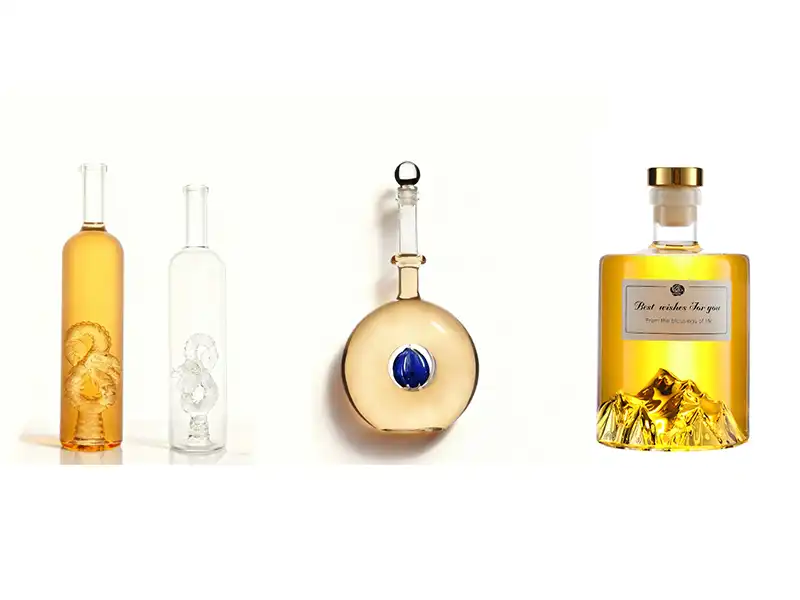
The special shape of Rakija bottles makes them useful for more than one thing, which regular containers just can't do when you're tasting wine. These vessels have features that were designed to bring out the best in spirits, from keeping the aromas fresh to making them look great.
Traditional Design Meets Functional Excellence
Rakija bottles usually hold a reasonable amount of liquid—about 350ml at most—so event planners can serve a lot of people without worrying about the leftover liquid going bad too quickly. The borosilicate glass structure protects the purity of the liquid by not reacting with heat or chemicals. This makes sure that delicate flavor profiles don't get messed up during long events. This material's clearness lets guests enjoy the color and brightness of the drink, which are important parts of a full spirit evaluation. During business tastings or brand shows, these visuals let people know about the quality of the product before they even take a sip.
Portion Control and Presentation Benefits
Event hosts like how Rakija bottles make it easy to serve the right amount of alcohol to each guest. The standard number makes sure that everyone gets the same amount of food to taste. This keeps things fair and stops people from eating too much, which could affect their performance in professional reviews. The bottle's shape makes it easy for sommeliers and brand representatives to hold it easily during demos, which gives them confidence and control. The glass lid that comes with good Rakija bottles keeps the bottles closed securely between serves, stopping evaporation and contamination while keeping the ritual aspect of opening each one during presentations.
Atmosphere Enhancement Through Cultural Connection
Rakija boxes naturally bring cultural stories to drinking events, especially when they contain spirits with roots in the Balkans or Eastern Europe, often paired with a tasting event bottle to enhance presentation and sampling experiences. People start talking about distillation practices, area production methods, and the historical importance of certain spirits just by looking at the bottle. This story element turns samples from just trying out products into teaching events that help people understand and connect with the products more deeply. Professionals in business-to-business buying know this extra value because it has a direct effect on how satisfied guests are and how memorable the brand is after events.
Key Features and Types of Tasting Event Bottles, Including Rakija Bottles
To choose the right tasting glasses, you need to know about the different kinds that are out there and how each one fits with the goals of the event. There are many options on the market, and each one has its own benefits for different work situations.
Material Considerations and Sustainability
Because it is better at resisting chemicals and staying stable at high temperatures, borosilicate glass is the best material for serious tasting uses. Borosilicate glass, on the other hand, can handle changes in temperature without breaking. This means it can be used for serving drinks at different temperatures. The non-porous surface of the material keeps flavors from absorbing and makes it easier to clean thoroughly between uses, which is very important in professional settings where cleanliness is very important. Environmental concerns are becoming more and more important in purchasing choices. Reusable glass bottles are a healthy alternative to single-use plastic bottles. Clear or custom color spray painting finishes are available on high-quality Rakija bottles to meet a variety of marking needs while still being eco-friendly.
Design Innovations Supporting Professional Use
Modern tasting event bottles are well-thought-out and have features that make them easier to use at events. Thermal transfer printing lets you put permanent branding on things that can be washed many times, so they look good for a longer time. The glass lid closing method makes sure that the lid stays closed securely without using corks or caps, which can get lost at busy events. Some unique designs have small measurement marks carved into the glass, which lets you pour precisely without any extra tools. The 350ml volume is just the right size—it's big enough for multiple plates but small enough to fit on a table easily during tastings of more than one bottle.
Customization Opportunities for Brand Alignment
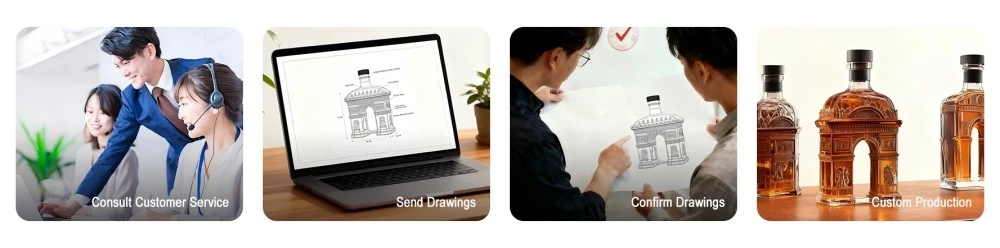
Procurement teams like it when tasting bottles can be customized to match the company's brand and the theme of an event. OEM and ODM services let you change things about bottles, from adding names to them to making them into completely different shapes through private mold design. Customizing colors goes beyond just coloring. It also includes frosted finishes, metallic coats, and multicolor spray painting, all of which make for striking visual effects. With these customization options, plain tasting dishes can be turned into branded items that support marketing messages and raise the perceived value of the product. When you can directly use famous locations, architectural icons, or cultural symbols in bottle design, you can tell strong visual stories that connect with your target audience.
How to Use and Maintain Rakija Bottles for an Optimal Wine Tasting Experience?
Handling tasting event bottles the right way will extend their usability and performance, while also ensuring a professional appearance that enhances brand presentation and improves the overall experience at promotional events and consumer tastings.
Filling and Serving Best Practices
When you fill Rakija bottles, you need to pay attention to a few things that can change the quality of the drink. The small hole means you have to be careful when filling to avoid spilling. For best results, use funnels made for moving spirits. When you fill it up, you should leave enough headspace—usually one centimeter below the lid—to allow for heat expansion and make closing the lid easier. Temperature control is very important; spirits should be filled at the temperature they will be served at so that the glass doesn't get too hot afterward. When serving, bottles should be held by the base instead of the neck so that heat doesn't pass from the hands to the drink. This keeps the taste at its best.
Cleaning Protocols for Reusable Bottles
Keeping the bottle clean ensures that the flavors stay the same after multiple uses and increases the vessel's lifespan. As soon as the bottles are empty, they should be rinsed with warm water to get rid of any remaining spirits and stop dried deposits. Warm water mixed with light, odorless detergent gets rid of oily leftovers well without leaving behind chemical tastes. Soft-bristled bottle brushes can get to the inside of bottles without hurting the glass. After cleaning, a thorough rinse is needed—multiple water rinses are needed to make sure all the soap is gone. Inverted air drying on drying racks stops water spots and lets all the water evaporate before storing. Do not put bottles in the dishwasher unless they say they are dishwasher-safe. Harsh chemicals and high heat can damage ornamental finishes.
Presentation Etiquette for Professional Settings
There are different cultural standards about how to show a spirit in different places, especially between European and American settings. When serving bottles in a formal American setting, making sure the labels are visible to guests and facing them shows respect and honesty. Letting guests hear the seal break when you open bottles at the table builds trust and truthfulness. Pouring should be controlled and planned so that there are no splashes and the talk stays on track. Putting the lids back on right away after serving protects the quality of the leftover drink and keeps the table neat. These seemingly small details send a message of professionalism and care for quality that affects how guests feel about the whole event.
Procurement Considerations: How to Choose and Source Rakija Tasting Bottles?
Strategic choices about sourcing affect both the success of an event right now and the consistency of the brand over time. This makes choosing a seller an important part of procurement.
Evaluating Material Quality and Durability
Quality testing is important when evaluating vendors because not all glass bottles meet professional standards. The makeup of borosilicate glass should be checked against the supplier's specs because this material works better than other types of glass. The width of a wall affects both how long it lasts and how well it keeps heat in or out. Thicker walls insulate better but are heavier and cost more. When you look at sample bottles, things like regular wall thickness, a smooth finish without bubbles or other flaws, and lids that fit perfectly and cover well all show that the bottles were made well. Thermal shock resistance should be tested by filling the bottles with hot water and then quickly cooling them down. This will mimic the conditions that the bottles will face in real life while they are being used.
Bulk Purchasing and Pricing Strategies
Unit economics is affected by volume in a big way, especially for businesses that hold tasting events regularly or send branded bottles to many places. Minimum order amounts are usually between 10,000 and 500,000 pieces, but can be higher or lower depending on how complicated the customization is and what the seller can do. When you place a larger order, you can get discount prices and it becomes economically feasible to make custom molds. This lets you make unique designs that set your brand apart in a crowded market. Tooling fees for custom molds are often added to payment structures separately from per-unit costs. This means that the total cost needs to be carefully calculated across all expected order amounts. Long-term supply deals with dependable suppliers keep prices stable and make sure there is enough capacity during times of high demand.
Supplier Reliability and Service Capabilities
In addition to the quality of the product, the success of a relationship depends on how well the provider manages projects and helps customers. Companies that have been around for a long time and have made a lot of products—like over 30 years—have stable and well-honed processes that keep mistakes and delays to a minimum. International trade knowledge makes it easier to do business across borders by taking care of paperwork, following customs rules, and coordinating operations, all of which can be difficult for buyers who aren't familiar with how imports work. One-stop service models that include everything from design advice to final delivery make procurement easier by putting all the work on one seller. Looking at a supplier's past performance by looking at customer references and transaction history for tasting event bottle procurement can help you figure out how reliable they are, especially when it comes to making sure orders are delivered on time and the quality stays the same over time.
Case Studies: Successful Deployment of Rakija Bottles in Wine Tasting Events
Real-life examples show that high-quality tasting bottles have real benefits in a wide range of work settings and market groups.
Corporate Brand Launch Enhancement
When a premium drinks supplier brought a new line of Balkan brandy to the US market, they had trouble making their product stand out in stores that already had a lot of other brands on hand. They had special Rakija bottles made with regional features embossed on them and thermal transfer logos that showed where the product came from. People noticed the unique 350ml bottles right away at trade shows and dealer samples because they were so different from anything else on the shelf. People who went said that the bottles themselves started talks about the history of the product, which kept them more interested for longer than usual presentation formats. Salespeople said that the bottles' solid feel and high-quality look supported their premium standing, which helped them charge higher prices. After the event, surveys showed that people remembered the brand 40% better than they did at earlier launches that used traditional tasting forms.
OEM Customization for Regional Market Adaptation
An foreign company that packages alcoholic drinks for customers in North America, Europe, and new Asian areas realized that different regions have different tastes in how things look, so they had to make the bottles look different in each one. Working with an experienced glass manufacturer that offers full OEM services, they made three different types of Rakija bottles for different markets: a simple design for Scandinavian customers, an ornately embossed version for Middle Eastern distributors, and a sleek, modern format for craft spirit makers in the United States. The ability to use private molds for customization made it possible to make batches as small as 50,000 pieces per version while still making the business profitable. Customers liked how well the bottles fit with what people in their area liked, which led to return orders of more than 3 million pieces per year across the entire product line.
Sustainability Initiative Integration
A big company that sells wine and drinks and cares about the environment was looking for eco-friendly alternatives to the single-use plastic small bottles that they used to hand out at events. They switched to Rakija bottles made of borosilicate glass that could be used more than once. At business trials, they set up a return program. The initial investment in 200,000 bottles was returned within eighteen months because no more plastic bottles had to be bought. The high-quality glass bottles improved how people thought of the brand, and environmentally conscious customers liked the environmental pledge. Because the bottles were durable, they were used an average of twelve times before they had to be thrown away. The old bottles were then given to art groups to be used in creative ways, completing the circular economy method. This effort got good press and made ties stronger with retail partners who care about the environment.
Conclusion
Rakija bottles are more than just containers for liquids; they are strategic assets that improve wine tasting events by keeping the quality of the spirit, allowing for professional presentation, and giving guests unforgettable experiences. Quality tasting event bottles, especially those made from borosilicate glass and thoughtfully designed, have unique qualities that have a direct effect on the success of the event and how people see the brand. When purchasing managers know the differences between regular containers and specially designed tasting bottles, they can make investments that pay off in a big way by making guests happier, helping the brand stand out, and reusing the bottles for a long time, which supports sustainability goals. When you work with experienced makers who offer customization options, you can make sure that the package matches your brand perfectly. This turns tasting bottles into powerful marketing tools that go beyond their original purpose.
FAQ
Why are Rakija bottles superior to standard sample bottles for wine tasting events?
Borosilicate glass, which is used to make rakija bottles, doesn't react chemically with spirits and can withstand sudden changes in temperature. This means that the flavors stay the same during long events. The moderate 350ml capacity is the right size for multiple serves without going bad too quickly, and the glass lid closing system keeps liquids from evaporating between pours. Standard sample cups are often made of lower-quality materials that can let tastes in or break when exposed to high temperatures, which spoils the tasting experience and makes the event look less professional.
What cleaning protocols ensure safety and hygiene for reusable tasting bottles?
Rinsing right away after use keeps residue from hardening. Next, wash with warm water and light soap that doesn't have any scent and soft-bristled bottle brushes. After several rinses, there are no more traces of detergent that could change the tastes of the next drink. Inverted air drying on racks lets all the water evaporate, which stops bacteria from growing. When done after each use, this process keeps the area safe for food, extends the life of the bottle, and keeps the glass clear.
Are eco-friendly Rakija bottle options available supporting sustainable procurement?
High-quality borosilicate glass Rakija bottles are naturally environmentally friendly because they are very durable and can be used over and over again, cutting waste by a huge amount compared to single-use options. The glass can be recycled over and over again without losing any of its quality, which is in line with the ideas of the circular economy. Many companies now use recyclable glass and energy-efficient production methods to make their products. This helps the environment even more while keeping the high quality needed for professional tasting uses.
Partner with Jiateng for Premium Tasting Event Bottle Solutions
For great tasting experiences, you need high-quality dishes made just for professional use. Jiateng has been making glasses for more than 30 years and brings both traditional craftsmanship and current production skills to every special tasting event and bottle project. Our 350ml borosilicate glass Rakija bottles have thermal transfer printing, a glass lid closure, and the capacity that procurement professionals need for business events, product launches, and brand shows.
As a renowned maker of tasting event bottles, we make more than 3 million bottles a year for long-term partners, such as well-known Chinese spirits brands. This shows that we can meet tight deadlines without sacrificing quality. Our foreign trade team has been exporting to more than fifty countries for fifteen years, so they know what American, European, and rising markets need. Our one-stop service, which includes the initial design advice and final delivery, makes buying easier, and our OEM/ODM capabilities let you make any changes that are in line with your brand's image.
Whether you need 10,000 bottles for a promotion in your area or 500,000 pieces for a national rollout, Jiateng offers consistent quality, reliable service, and prices that are low enough to support long-term relationships. For more information on how to make sure your tasting event bottles meet your needs, to see samples of our work, or to talk about unique design options that will make your next wine tasting event an amazing brand experience, please email our team at lhd513@jtblzp.com.
References
1. Anderson, J., & Williams, P. (2021). The Psychology of Wine Tasting: How Presentation Affects Perception. Journal of Sensory Studies, 36(4), 289-307.
2. Chen, L. (2020). Glass Container Manufacturing: Materials, Processes, and Quality Standards. Industrial Packaging Review, 15(2), 112-128.
3. European Spirits Organisation. (2022). Best Practices for Spirit Sampling and Tasting Events. Brussels: CEEV Publications.
4. Martinez, R., & Thompson, K. (2023). Sustainable Packaging Solutions in the Alcoholic Beverage Industry. Environmental Business Quarterly, 41(1), 56-74.
5. Roberts, S. (2021). Cultural Traditions in Spirit Production and Presentation: The Balkan Heritage. International Journal of Food and Beverage Studies, 28(3), 445-462.
6. Zhang, M., & Liu, H. (2022). Borosilicate Glass: Properties, Applications, and Manufacturing Innovations. Materials Science Today, 19(6), 234-251.