



Bespoke Bottle Guide: Materials, Design, and OEM Custom Options
The right bottle does more than hold liquid when you're starting a line of high-end drinks or updating your brand's packaging. It tells a story. When you order a bespoke bottle, you get a glass case that is specially made for your brand and its personality. These special molds make unique bottle shapes, embossed names, and finishes that make your products stand out on shelves and improve how customers see them. This is different from standard stock packaging, which any competitor can buy. This complete guide explains in detail the different types of materials, design processes, and OEM customization options so that brand owners and buying managers can make smart choices that balance style, usefulness, and long-term value.
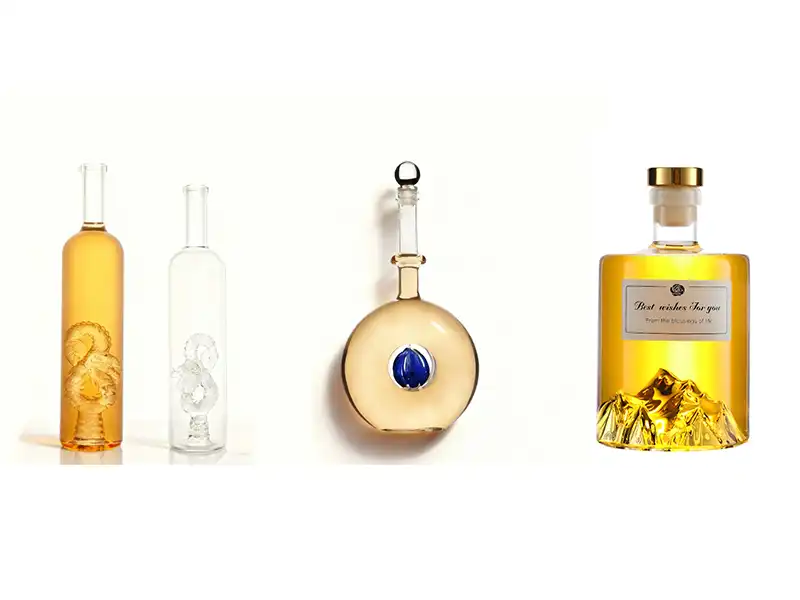
Understanding Bespoke Bottles: Definition and Uses
What Differentiates Bespoke Bottles from Standard Options
The word "bespoke" comes from the word "tailoring," which means "made to order" for a unique customer. When it comes to glass packing, bespoke bottles are cases that are fully designed to meet specific functional and branding needs. Bespoke bottles involve making unique tools that can make shapes that no one else can copy. Standard bottles are made from molds that are already made and used by many brands. This level of uniqueness stops people from copying other brands and makes the product stand out right away in busy stores.
Bespoke bottles help mid- to high-end alcoholic drink brands with important problems they face. Standard packing doesn't do a good job when your Baijiu or craft gin needs to show history, quality, or new ideas right away. You can change every size of a bespoke bottle, from the base thickness to the neck width so that the bottle stays stable during automatic filling lines. High-quality borosilicate glass is clear, and its unique geometric shapes make the color and brightness of your product look better. This makes the package itself a marketing tool.
Applications Across the Alcoholic Beverage Industry
Bespoke bottles are useful for more than just holding things. To show that they are high-end, premium whisky and brandy brands use heavyweight handmade glass with deep punt bottoms. Craft distilleries that make limited-edition drinks use unique bottle forms to make their products valuable and keep customers coming back. In foreign markets like the USA, Europe, and Australia, unique packaging helps new brands get sold by getting people's attention at trade shows and on store shelves.
This feature can also be used for promotional purposes, where brands can print event themes, commemorative messages, or holiday designs directly onto unique shapes. People who buy from bars and restaurants like bottles that are made with ergonomics in mind. For example, bottles with optimized pour geometry and controlled weight distribution are better for servers when they have to serve a lot of people at once. Empty bespoke bottles can be used as home art, vases, or candle stands, increasing brand awareness long after the product has been used.
Materials for Bespoke Bottles: Options and Sustainability
Glass Material Selection for Premium Applications
Selecting the right glass makeup is the first step in making bespoke bottles that work well. Because it is so resistant to temperature shock and chemical stability, borosilicate glass is a great choice for packaging alcoholic drinks. This material stays clear without getting cloudy, which is important for spirits because color shows age and quality. Our custom gin bottle, which is made of 500ml borosilicate glass and a lid made of the same glass, shows how the choice of material directly affects how a product looks and how long it lasts.
The way the weight is distributed in handmade glass bottles is important for more than just looks. Base parts that are heavier—often more than 800 grams for 700ml bottles—make goods feel more expensive, which is what people expect from higher-value products. But this method makes shipping more expensive and leaves a bigger carbon effect. Smart engineering moves the glass's mass to the base and shoulder areas while thinning the sides. This keeps the quality of the look without using extra materials. This balance is very important for buyers who are responsible for both brand positioning and environmental obligations.
The different colors of glass give brands more ways to tell stories. Clear glass makes the product look clear, which is important for white wines and clear drinks. Frosted or see-through finishes make things look more expensive and protect items that are sensitive to light. Custom color spray painting, which comes in almost every color, helps brands match the colors on the bottles to the colors on the labels or make unique colors that become part of the brand. Different color treatments need different finishing methods to make sure they last through filling, shipping, and customer use.
Sustainability Considerations in Material Sourcing
Environmental duty is becoming more and more important in global markets when it comes to buying things. Glass bottles are naturally environmentally friendly because they can be recycled over and over again without losing any of their quality. The amounts of recovered glass and energy-efficient furnace technologies should be checked by procurement teams analyzing bespoke bottle makers. As more brands promise to use post-consumer recycling (PCR) glass without damaging its structural stability or appearance, the circular economy model gains support.
New biodegradable covering technologies help solve environmental problems caused by printed ornaments and spray finishes. Ceramic inks and UV-curable coats that were once the only option are now up against water-based replacements that produce fewer volatile organic compounds while being made. When buyers ask about thermal transfer printing, like the way our gin decanter is decorated, they should ask about the ink's make-up and how it cures so that it meets the standards for business sustainability reporting.
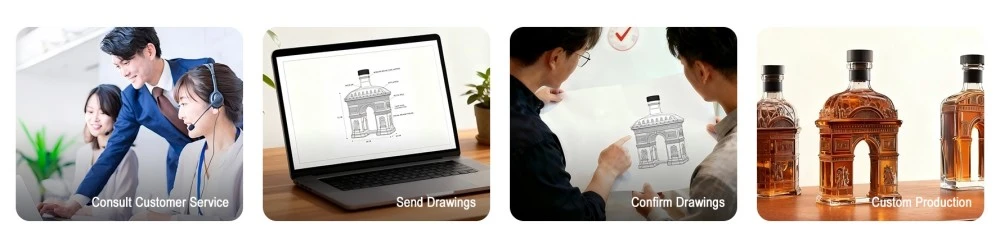
Designing Bespoke Bottles: From Concept to Creation
The Collaborative Design Process
Your team and factory engineers must work together in a structured manner to create a bespoke bottle that captures the heart of your brand while meeting technical production requirements. The first step is coming up with ideas. You can get ideas from the history of the brand, the tastes of your target market, and a study of your competitors. Our design team can take your initial ideas and turn them into production standards, whether you come to us with detailed technical drawings or rough concept sketches.
CAD software's three-dimensional modeling lets you see what the final product will look like before you spend a lot of money making a mold. At this stage, designers have to match their goals for aesthetics with the facts of production. Complex shapes, like hexagonal cross-sections or interior stamping, make beautiful visual effects but need special molds with many parts and production factors that need to be changed. Our engineering team checks every part of the design to make sure it can be shaped. They make sure that the neck finishes work with standard closures, the body curves keep the structure strong, and the base shapes work with automatic filling equipment.
Making physical prototypes with 3D printing changes the way approvals are given in a big way. Instead of having to wait for early mold samples, buying managers get real examples within a few weeks. This quick version lets you test how the bottle feels in your hand, make sure the label application areas are correct, and make sure the cork fits properly before investing in the final mold. Problems like not enough draft angles or weird weight distribution can be found in the prototype stage that might not be seen in drawings alone.
Design Trends Shaping 2024 and Beyond
Modern bottle design is a reflection of larger culture trends toward simplicity and realness. People who want real craftsmanship over fake embellishments like clean lines, honest materials, and modest grace. In ultra-premium segments, labels are replaced with names that are embossed directly into the glass. This creates a physical experience and keeps labels from getting damaged while the ice bucket chills.
Modular package systems are becoming more popular among companies that handle more than one product line. A basic bottle shape with interchangeable decoration parts, like glass lids of different colors or metal bands that can be taken off, makes production more efficient while still allowing products to stand out. This method is especially helpful for brands that want to add flavored spirits or seasonal releases without having to keep separate mold supplies for each SKU.
The limit of bespoke bottle innovation is the merging of smart packaging. Near-field communication (NFC) chips built into custom covers make it possible to verify identity and give customers more involved experiences. Laser engraving makes QR codes that are etched directly into glass surfaces. These codes link real goods to digital stories, tasting notes, and cocktail recipes. These technologies help stop fakes while also getting customers more involved after the original buy.
Bespoke Bottle Manufacturing Process and OEM Custom Options
Production Lifecycle from Mold to Market
Understanding the steps of production helps you talk to your sources better and make more accurate project schedules. Once the plans are approved, the mold is made, which usually takes 4 to 6 weeks for complicated shapes. Investing in high-quality molds is very important because their accuracy directly affects how consistent the end bottles are across production runs of hundreds of thousands of units.
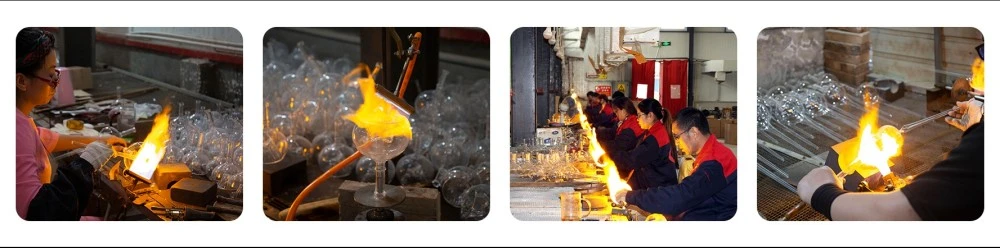
The blow-and-blow or press-and-blow methods are used to shape glass, based on the needs of the bespoke bottle. Molten glass gobs that are exactly the right size for the bottle's goal weight are put into the mold hole. Compressed air shapes the inside profile while the mold shapes the outside surfaces. Annealing heaters carefully control the rate at which metal cools so that internal stress doesn't build up and cause it to break on its own. During production, quality checks look for problems with the bottle's size, wall thickness, and appearance to make sure it meets the standards before it moves on to the decoration steps.
When OEMs customize, they change a lot more than just the shape of the bottle. Screen printing for high-opacity images, hot stamping for metallic details, and acid etching for lasting frosted effects are all ways to decorate the surface. Thermal transfer printing is available at our location. This is great for printing intricate drawings with lots of colors and photographic detail. Electroplating makes shiny finishes that look like mirrors, and spray painting can cover completely in color or make gradients. Each method has its own minimum order requirements, cost, and level of durability that buying teams should look at based on how the brand is positioned and their budget.
Bulk Ordering Considerations and Lead Time Management
Bespoke bottle projects use economies of scale that are very different from stock packing. Minimum order amounts for each production run are usually between 10,000 and 30,000 units. However, we have experience handling orders from 10,000 to 500,000 units, which gives brands at different stages of growth more options. Initial mold costs—which can range from $3,000 to $15,000 based on how complicated they are—are spread out over a big number of units produced, which makes the cost per unit go down a lot as the commitment level goes up.
Supply chain problems can be avoided by setting realistic deadlines. From concept approval to first delivery, the whole development cycle takes about 16 to 24 weeks. This includes finalizing the design (2–3 weeks), making the mold (4-6 weeks), making samples and getting approvals (2–3 weeks), setting up mass production (1 week), running the production run (3-5 weeks), decorating and packing (2–3 weeks), and shipping internationally (4-6 weeks). Brands that want to launch products during certain times of the year or at trade shows should start projects at least seven months ahead of time to allow for design changes and shipping problems.
Comparing Bespoke Bottles to Standard and Personalized Bottles
Design Flexibility and Brand Differentiation
There are three main choices in the package decision matrix: standard stock bottles from wholesaler catalogs, personalized bottles with custom designs on existing shapes, and fully bespoke solutions with custom molds. Standard bottles are easy to get and don't require large orders, but they don't make your product stand out—your rival can buy the same package. Personalized choices let you decorate with your brand while keeping lead times short, which is good for brands that want to test the market before making big investments.
Bespoke bottles give you unbeatable brand control. Competitors can't copy your unique package because the custom mold makes it illegal and hard for them to do so. This rarity is especially useful in duty-free and tourist stores, where visual differences make people buy things on the spot. Being able to build certain functional features, such as optimal pour spouts, ergonomic grip curves, or internal filtration ridges, gives technical benefits that go beyond how they look.
Total Cost of Ownership Analysis
At first glance, stock or custom choices may seem more cost-effective, but a more in-depth look shows that bespoke bottles are more valuable in the long run. When the number of bottles sold each year goes over 50,000, the cost per bottle of custom packaging gets close to the price of personalized decoration while still offering better separation. Brands that sell 3 million bottles a year, which is typical among our long-term partners, such as big Chinese booze makers, save a lot of money per unit, which more than covers the cost of the molds themselves.
Durability affects the total costs of ownership, which go beyond the purchase price. Custom engineering lets you change the wall thickness to solve certain distribution problems. For example, heavier parts can protect high-impact areas while keeping the total weight economy high. This focused strengthening lowers the number of breaks that happen during shipping and handling in stores. This keeps the market available and lowers the cost of replacements. Improved structure integrity also increases shelf life by better shielding materials from outside factors that harm product quality.
Selecting the Right Bespoke Bottle Manufacturer
To find a good manufacturing partner, you need to look at more than just price quotes. You also need to look at their skills and abilities that will help the project succeed. Checking a supplier's production ability is the first step in deciding if they can be trusted. Can they handle your current numbers and grow with your business? For 30 years, we've been making about 3 million bottles a year for partners like Xifeng Wine and Wuliangye. This shows that we can consistently do a great job and keep our relationships stable.
Technical knowledge is what sets good providers apart from great partners. Look for makers that offer full design help instead of just following the instructions you give them. Our professional engineering team has worked in foreign trade for 15 years and works together throughout the whole development process. They find possible production problems during the design stages so that problems aren't found after the mold has been made. This preventive method gets better results while saving time and money.
Certification compliance makes sure that you can get into markets and lowers your risk. Make sure that providers have the right quality control systems (ISO 9001), environmental certifications, and testing records for each product that is aimed at a particular market. Our long-term partnerships in the US, Europe, Australia, and Japan show that we can meet a wide range of regulatory needs and national quality standards.
Conclusion
Bespoke bottles are smart investments that turn packaging from something you need to do its job into a powerful brand asset. Brands of alcoholic drinks can make their products stand out in the market by using the right materials, like borosilicate glass, working together on design processes, and teaming up with experienced original equipment makers (OEMs). This helps customers choose their products and helps stores make money. The all-around method, from the first idea to decoration and delivery, makes sure that package solutions strike a balance between production reality and aesthetic ambition, meeting both the needs of the launch and the long-term growth goals of the business.
FAQ
What minimum order quantity should I expect for custom glass bottles?
The minimum order size for bespoke bottles made with special molds is usually 10,000 units, but this can change depending on the complexity of the bottle and the way it is made. Our facility can handle orders of 10,000 to 500,000 pieces per production run, which gives both new names and well-known makers a lot of options. The number of units ordered has a direct effect on the price per unit. This is because bigger orders spread the cost of the mold over more units, which lowers the cost per bottle while keeping quality standards.
How long does developing a custom bottle take from concept to delivery?
Complete bespoke bottle development takes 16 to 24 weeks and includes design, mold making, sample making, production, decoration, and foreign shipping. Complex shapes or multiple decoration techniques may make projects take longer to finish, while simple designs with well-known decoration techniques move along more quickly. We suggest starting custom bottle projects at least seven months before they need to be on the market. This gives you time for design changes and shipping issues, especially for seasonal releases or big marketing campaigns.
Can bespoke bottles meet sustainability requirements without compromising quality?
Of course. As a material that can be recycled over and over, glass bottles naturally support environmental goals. Our production methods use recycled glass while keeping the structural stability and visual clarity that are necessary for premium placement. Coatings that are water-based and heaters that use less energy also help the earth. By optimizing the spread of glass, bespoke engineering actually makes things more sustainable. For example, strategic thickness placement keeps the strength and quality feel while reducing total material use compared to uniformly heavy standard bottles. This lowers both the carbon footprint and shipping emissions.
Partner with Jiateng for Your Custom Bespoke Bottle Solutions
People will be more loyal to your brand if the package stands out and gets their attention. Jiateng Glass Products is the best bespoke bottle manufacturer for you thanks to our 30 years of experience and relationships with well-known names like Wuliangye and Xifeng Wine. We've sold our goods in more than 50 countries, and for 9 years running, we've been a Gold Supplier, which shows how committed we are to quality and dependability.
Our all-in-one service takes away the stress of coordinating. Our committed team takes care of every detail, from the first design advice to 3D prototyping, mold fabrication, production, decoration, and careful packing to make sure the products arrive undamaged. We provide steady quality that meets your exact needs, whether you need 10,000 bottles for a limited sale or 500,000 units for distribution across the country. Our factory in Hebei Cangzhou mixes high-tech manufacturing with one-on-one service. We offer customization choices like color spray painting, thermal transfer printing, and embossed logos that make your ideas come to life.
Email our foreign trade team at lhd513@jtblzp.com right now to talk about the needs of your project. Check out our portfolio at jtglass.com to see how Jiateng turns packing ideas into products that are ready for the market. Let's make bespoke bottle designs that will raise your brand and produce quantifiable business results.Contact
References
1. Smith, J. & Williams, R. (2023). Premium Packaging Design in the Spirits Industry: Materials and Manufacturing Innovations. International Journal of Packaging Technology, 37(4), 215-234.
2. Chen, L. (2024). Sustainable Glass Manufacturing: Circular Economy Principles in Beverage Packaging. Journal of Industrial Ecology, 28(1), 89-107.
3. Morrison, K. & Blake, T. (2022). Custom Mold Engineering for Specialty Glass Containers. Society of Glass Technology Conference Proceedings, London.
4. Zhang, W. (2023). Brand Differentiation Through Packaging Innovation: A Study of Chinese Baijiu Markets. Asia Pacific Journal of Marketing, 19(3), 142-159.
5. European Container Glass Federation. (2024). Technical Guidelines for Bespoke Bottle Development and Quality Assurance. Brussels: ECGF Publications.
6. Anderson, P., Liu, X., & Martinez, C. (2023). OEM Manufacturing Excellence: Process Control in Custom Glass Production. Manufacturing Science and Engineering Quarterly, 45(2), 78-96.