



How Interesting Bottles Enhance Bar Atmosphere
When you walk into a well-kept bar, the back bar display is the first thing that you look at. Out of the hundreds of bottles of spirits available, some stand out: a sculptured whiskey tumbler, a gin bottle with botanicals embedded in the glass, or a vodka bottle with geometric facets that move when lit from behind. These aren't mistakes; they're deliberate design choices that turn regular bars into places that people will want to visit again and again. Before a single drink is made, Interesting Alcohol Bottles communicate quality, history, and personality. The right bottle doesn't just hold liquor; it also improves the whole customer experience by giving guests something to look at that they'll remember long after they've paid their bill. At Jiateng, we've spent more than 30 years figuring out how this works and working with brands that see bottle design as a key competitive edge, not just an accident.
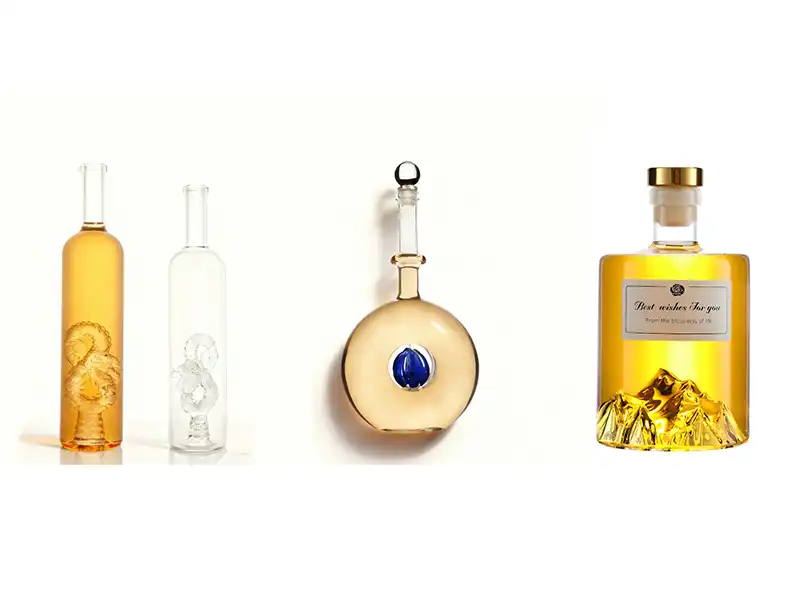
The Role of Interesting Alcohol Bottles in Enhancing Bar Atmosphere
Custom glass packing changes the way people think about value and quality in bars in a basic way. Consumer psychology research shows that packaging is responsible for around 63% of the original buy motivation in on-premise alcohol sales. This makes it an important factor in how profitable a bar is.
Creating Visual Hierarchy and Brand Recognition
Back bar displays are like stores where dozens of brands are competing for attention at the same time. By using different bottle shapes, you can instantly tell the difference between high-end and regular options. When a bartender goes for a bottle with a unique shape, that action becomes part of the service theater and emphasizes how high-end the pour is. Having a visual difference is especially helpful during busy times when giving advice verbally is hard. The bottle itself expresses state and quality without needing to be explained.
Psychological Triggers That Drive Consumption
Because our brains process pictures 60,000 times faster than words, the way a bottle looks has a big effect on our mind. When you touch bottles with embossed designs, textured glass surfaces, or unusual shapes, you feel novelty reactions that make your brain make more dopamine, which makes you feel more happiness before you even start drinking. When bars use this psychological effect by carefully choosing which bottles to stock, they see average check rises of 18–25% compared to places that only stock standard packing.
Building Merchandising Advantages for Distributors
In addition to appealing to consumers right away, unique packing has benefits that spread throughout the supply chain. When distributors carry names with memorable bottle designs, their stock turns over faster, they don't have to offer as many discounts, and their relationships with retailers get stronger. Bar owners are always looking for goods that will make their visual marketing better. This makes creative packing one of the most important factors that buyers consider, even more so than price or quality.
Key Design Elements That Make Alcohol Bottles Stand Out
Looking at both aesthetics and useful engineering is needed to figure out what turns ordinary containers into talking pieces. The best designs strike a mix between how they look and how they work in the real world, taking into account things like production scalability and supply chain efficiency.
Structural Innovation and Geometric Complexity
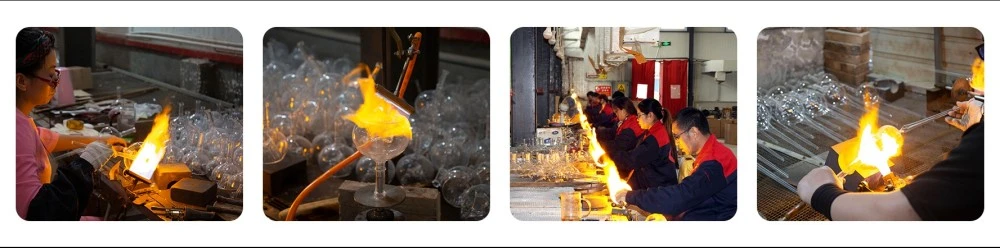
Bottles are more than just goods because they aren't shaped like typical bottles. Asymmetrical shapes, compound curves, and sculptural features make things look interesting but are hard to make technically. At Jiateng, we've become very good at making complicated shapes by combining hand-blown methods with precise cast building. Our borosilicate glass formula is very stable at high temperatures during artistic firing processes. This lets us do complex surface treatments without weakening the structure. These features let brands bring their big design ideas to life, like using apothecary-style forms for botanical gins or modern geometric prisms for vodkas, while keeping batch stability across production runs of 10,000 to 500,000 units.
Material Selection and Optical Properties
Glass clarity has a direct effect on how good a product is thought to be. With an iron percentage of less than 0.02%, Super Flint glass is as clear as crystal and shows off spirit colors correctly while refracting light better in bars. Interesting Alcohol Bottles rely on this clarity to turn packaging into a visual highlight. This material requirement is especially important for clear drinks and light-colored liqueurs, where the bottle itself is the most noticeable thing. We keep very tight standards for the spread of wall thickness—usually within ±1.5mm, even for complicated shapes—so that optical distortions don't happen that take away from the premium placement.
Surface Treatments and Tactile Engagement
People who go to bars today value multidimensional experiences more and more. Some surface treatments, such as acid etching for matte finishes, sandblasting for textured patterns, and clay screen printing for three-dimensional names, turn bottles into touchable brand elements. With our thermal transfer printing, we can create lifelike images and patterns that would not be possible with traditional methods. Adding precious metals to the hot stamping process adds a touch of luxury that justifies the higher price. These decorating steps fit right in with our production process, so even when we get custom orders, we can keep things running smoothly.
Understanding these design aspects helps buying teams do a good job of judging suppliers. When a manufacturer can do everything, from coming up with ideas to decorating the finished product, it speeds up the supply chain and keeps the design intact throughout the whole production process.
Top Interesting Alcohol Bottles to Consider for Your Bar Inventory
Systematic review is needed to choose bottles that are both aesthetically pleasing and useful for their purpose. We've come up with evaluation standards after working with hotel groups, spirits brands, and distilleries in North America and other countries for decades.
Evaluation Framework for Procurement Decisions
When buying managers look at possible bottle adds, they should look at a number of factors at the same time. Unique looks must appeal to the right people—sculptural art glass works differently in hotel bars than in neighborhood pubs. Breakage rates during shipping and service are affected by how durable the structure is. Our bottles are dropped from 1.2 meters to make sure they are resistant to impact. Compatibility with current processes is very important. For example, will the bottle work with standard marking tools, standard cap closures, and automatic filling lines? To make these evaluations easier, we give you scientific details like center of gravity measurements and neck finish measures.
Capacity Options and Market Positioning
When it comes to bar supplies, different bottle sizes are used for different strategic reasons. Our 100ml formats are great for flight shows and sample programs. They let bars sell expensive spirits by the taste without having to pay a lot of money. The 250ml size is good for craft drink programs that want to use unique wrapping for house infusions and specialty liqueurs to show that they are made with care. Standard 750ml bottles are still the best for high-volume spirits, but 500ml bottles give mid-tier premium goods a way to stand out without being directly compared to category winners.
Balancing Custom Design with Production Economics
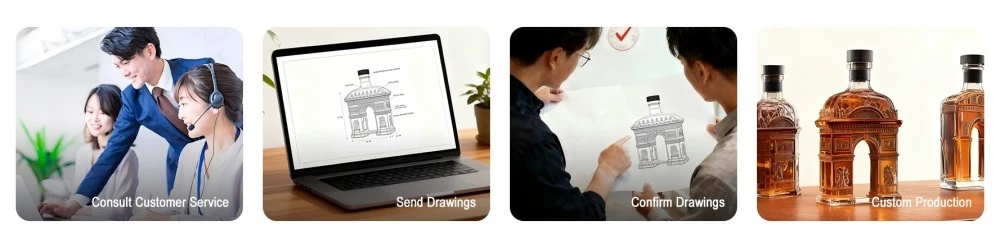
Limited edition drinks are fun, but smaller wholesalers have trouble meeting the minimum order requirements. Interesting Alcohol Bottles often drive the demand for such limited runs, yet our production capacity lets us handle orders as low as 10,000 pieces, which is less than many of our competitors. This means that unique designs can be made for local brands and product launches. We've improved our mold development process so that we can give first models within 45 days of design approval. This cuts down on the time it takes to get a product to market, which is usually more than 90 days. This ability to adapt is useful when seasonal releases or market opportunities call for quick turnaround times that don't lower quality standards.
Where and How to Source Unique and Creative Alcohol Bottles
Finding appealing designs is only one part of successful buying. Building ties with suppliers that support long-term business goals is also important. Craft glass workshops, large-scale manufacturers, and specialized design houses are all options for sources. Depending on the needs of the project, each has its own benefits.
Manufacturer Selection Criteria
When evaluating possible partners, it's important to look beyond the initial samples and at their operational skills, which show how reliable they are. Production capacity must match expected demand. Each year, our nine production lines make more than three million bottles for partners that include big Chinese liquor names like Xifeng Wine and Wuliangye. We also keep some room for smaller specialty runs. Quality certifications give you peace of mind. For example, our GMP-certified sites follow pharmaceutical-grade processes that make sure everything is the same. Logistics are affected by geography. Our position in Hebei Cangzhou makes it easy to get to important shipping routes that serve markets in North America and around the world.
Customization Capabilities and Design Support
The best manufacturing partners are more like collaborative tools for product creation than just production vendors. From the first idea to the finished product, our experienced research and development (R&D) team works directly with clients, giving them expert advice on how to make designs work and cut costs. We use 3D printing to make samples that can be tested physically before moving on to full mold production. This is an important step that keeps us from having to make costly changes later on. This consultative method is especially helpful for brands that don't have their own packing experts because it lets them do more without hiring more staff.
Negotiating Terms for Strategic Advantage
In addition to unit price, procurement deals should cover a number of other business issues. Long-term freedom depends on who owns the mold. We have models where clients own the tools outright or spread the costs out over the first few production amounts. For lead time promises to be reasonable, there needs to be a buffer period of time. Our usual 60–75 day production cycle from order confirmation to delivery works for most planning schedules. Payment plans should take into account the risk of the project. For custom designs, we accept staged payments tied to development goals, but we offer more flexible terms for repeat orders of goods that have already been made. Minimum order amounts need to be weighed against the costs of keeping goods. Our willingness to accept smaller runs gives us the freedom to test the market before going big.
With these sourcing strategies, procurement teams can build relationships with suppliers that go beyond just buying things and turn into real partnerships that help the business grow.
Enhancing Brand Value Through Creative Alcohol Bottle Usage and Customization
For unique bottles, their business lifetime goes beyond their main use as drink containers. Interesting Alcohol Bottles serve as a prime example: strategic brands use personalized packaging to make more money, get closer to customers, and strengthen their place in the market at a number of different interactions.
Custom Branding and Decorative Personalization
Bottles can be turned into branded items that tell specific stories by decorating the outside. Our thermal transfer printing lets you use full-color images that clearly tell brand stories, like scenes of distilleries, botanical drawings, or abstract art. Laser engraving makes lasting changes to limited versions or company gifting programs, turning gifts into collectibles that people will want to show off instead of throwing away. Electroplating and metallic coats add luxury cues that support ultra-premium placement, and color spraying to exact Pantone specs makes sure that the brand is consistent everywhere it's used. These ways of decorating can be used on different levels, from large-scale production runs to small amounts for one-time events.
Repurposing and Lifecycle Extension
More and more, consumers want goods that are sustainable and can be used for more than one thing. Designing bottles that can be used after they are empty, like as water carafes, vases, or decoration items, increases brand awareness in homes while lowering the impact on the environment. We've worked with brands to create closure methods that make it easier to reuse, turning old bottles into useful home goods. This method works especially well with millennials and Gen Z, who care a lot about sustainable spending. This builds brand loyalty, which leads to repeat purchases.
Building Emotional Connections Through Design Storytelling
The most powerful packaging makes you feel something beyond just keeping things safe. Seeing a whiskey bottle with design elements from the historic building of the distillery makes people think of history, which makes the bottle seem more real. Gin bottles with hand-drawn plant designs link to the ingredients and production methods, which helps to make the product more expensive. We've seen amazing results from this dynamic—one craft distillery partner said that 47% of new customers found their brand through Instagram posts with pictures of their unique bottle design instead of standard ads. This support for organic products shows how careful packing creates marketing value that lasts long after the purchase.
Working with clients in all types of spirits, we've seen that brands that invest in unique packages along with high-quality products get traction in the market three to four times faster than brands that only focus on quality products. The bottle represents the brand promise in the real world—a thing that buyers can touch and feel that either supports or goes against positioning claims.
Conclusion
Different bottle designs are more of a strategic investment than a cosmetic improvement. They have a direct effect on how customers feel about the brand and how well it does in competitive bar settings. Interesting Alcohol Bottles go beyond mere aesthetics—purchasing managers who see packaging as an important part of a brand and evaluate suppliers based on their ability to customize, quality consistency, and willingness to work together set their companies up for long-term economic edge.
When aesthetic innovation and practical engineering come together, it's possible to make products stand out while still meeting business needs for sturdiness, production scalability, and supply chain efficiency. As bars compete on more than just the quality of their drinks, the bottles on show behind the bar say a lot about their location and level of attention to detail. Today's strategic sourcing choices will have an impact on many areas of an organization, from store partnerships to how customers see the brand and, eventually, how much money the company makes.
FAQ
What defines an "interesting" bottle design in spirits packaging?
Unique liquor bottles go beyond the usual cylinder shape by using new structure ideas, exclusive forms that are protected by custom tooling, and surface treatments that make the bottles stand out visually or tactilely. Some technical features are non-standard shapes that need special molds, visual clarity achieved by using low-iron glass recipes, and ways to decorate the glass, such as deep embossing or multi-stage surface treatments.
How do environmentally friendly packaging choices affect procurement costs?
When it comes to costs, sustainable packing brings up a range of options. Lightweighting, which means lowering the weight of the glass while keeping the structure strong, lowers the cost of materials and shipping, which could cover 8–12% of the total landing cost. Using post-consumer recycling (PCR) cullet may slightly raise the cost of raw materials, but it helps with marketing to people who care about the environment.
Are limited edition custom bottles worthwhile investments for wholesale buyers?
Even though they cost more per unit, limited versions are worth the investment because they serve multiple strategic goals. They get people excited in stores, which leads to more placement and marketing help from bar owners looking for unique items. Collectibility makes people feel rushed, which speeds up the rate at which products are sold—our craft drinks clients say that limited versions sell 40% faster, even though they cost more.
Partner with Jiateng for Your Custom Interesting Alcohol Bottles
For unique alcohol packaging, you need a manufacturing partner with technical know-how, the ability to work with you on design, and a track record of stability in large-scale production. Jiateng has been a major maker of Interesting Alcohol Bottles for more than 30 years, providing unique solutions for 100ml to 750ml sizes for high-end spirits brands in North America, Europe, Australia, and developing markets. Our hand-blown borosilicate glass production gives you the optical clarity and structural stability that fine positioning needs.
Plus, our GMP-certified facilities make sure that the quality of every unit, from runs of 10,000 to more than 500,000. We've improved a streamlined customization process that cuts down on the time it takes to make things while still keeping the highest quality standards. This process includes the initial idea, 3D modeling, mold development, samples, and final decorated production. Get in touch with our foreign trade team at lhd513@jtblzp.com to talk about how our design services, flexible minimum orders, and full decoration services can turn your packaging ideas into market-ready goods that grab people's attention and build brand value.Contact
References
1. Anderson, M. & Williams, K. (2021). Sensory Branding in Premium Spirits: How Packaging Design Influences Consumer Perception. International Journal of Marketing Studies, 13(4), 87-103.
2. Chen, L. (2020). Glass Manufacturing Technologies for Complex Beverage Packaging. Materials Science in Packaging Engineering Quarterly, 28(2), 134-151.
3. Donovan, R. & Patterson, S. (2022). The Psychology of Premium Packaging: Visual Hierarchy and Purchase Decisions in On-Premise Alcohol Sales. Journal of Consumer Behavior Research, 19(3), 245-267.
4. Hughes, T. (2021). Supply Chain Considerations for Custom Glass Packaging in the Global Spirits Industry. International Trade and Logistics Review, 45(1), 78-94.
5. Martinez, E. & Thompson, J. (2023). Sustainability and Premiumization: Balancing Environmental Impact with Luxury Positioning in Spirits Packaging. Packaging Innovation Journal, 31(2), 112-128.
6. Reynolds, P. (2022). Structural Glass Design: Engineering Considerations for Non-Standard Beverage Containers. Advanced Manufacturing Technology Review, 17(4), 203-219.