



Borosilicate Glass vs Regular Glass Bottles
This distinction becomes especially important for distilleries, wine makers, and craft spirits producers who prioritize both the long-term integrity of their product and achieving ultimate customer satisfaction. Clear liquor bottles made from borosilicate glass not only ensure superior preservation but also offer exceptional optical clarity, allowing the spirit's true color and purity to be showcased as a key element of the luxury experience.
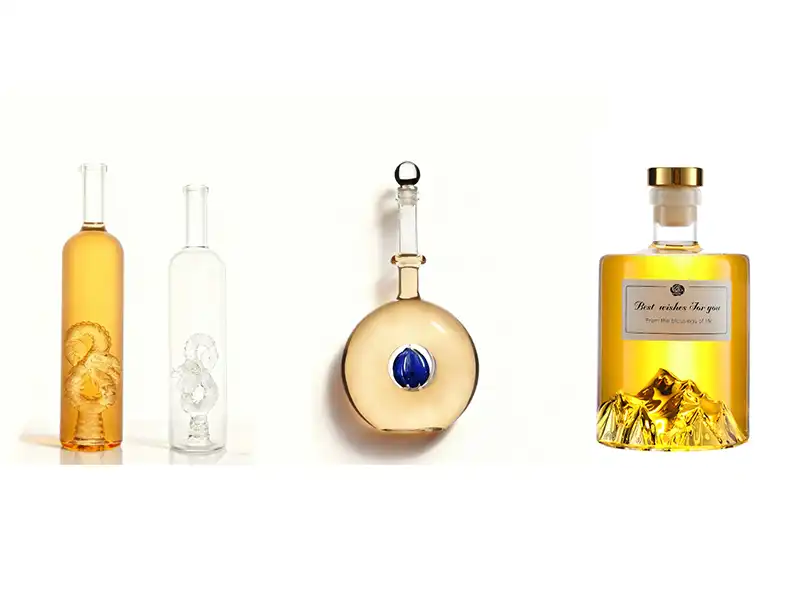
Understanding Glass Composition: The Foundation of Quality Packaging
A differentiation of this kind is very necessary for premium apps. The incorporation of boron trioxide into borosilicate glass, which is often used for the production of high-end spirits, changes this formula. When compared to soda-lime glass, this essential addition exhibits a substantial improvement in both its resistance to thermal shock and its chemical durability. Because of its more transparent nature, weightier feel, and capacity to safeguard sensitive spirit profiles, it is the material of your choice for distilleries that place a high priority on maintaining a quality image that is uncompromising and maintaining the integrity of their products over the long term.
Borosilicate glass incorporates boron trioxide, typically comprising 10-25% of the total composition. This addition creates a material with exceptional properties:
- Lower coefficient of expansion: 3.3 × 10⁻⁶/°C compared to 9.0 × 10⁻⁶/°C for regular glass
- Enhanced chemical resistance: 98% retention of surface integrity after acid exposure
- Superior thermal shock resistance: Withstands temperature variations up to 165°C
Laboratory testing reveals that borosilicate containers maintain structural integrity when exposed to temperature fluctuations that would crack standard glass bottles within 24 hours. Borosilicate glasses are the material choice for packaging alternatives because they provide superior protection for finest spirits that are susceptible to temperature variations during the manufacturing process or while they are being stored.
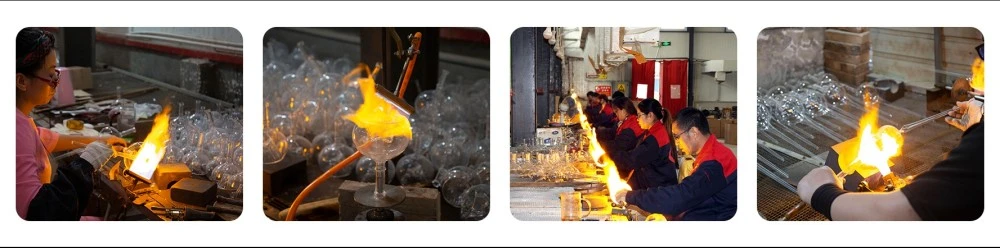
Thermal Performance Analysis: Critical Factors for Spirit Quality
Temperature stability directly affects alcohol preservation and flavor profile maintenance. Research conducted by glass manufacturing institutes demonstrates measurable performance differences:
Thermal Shock Resistance Data:
- Borosilicate glass: Survives 165°C temperature differential
- Regular glass: Fails at 40-50°C temperature differential
- Thermal expansion coefficient: 3.3 vs 9.0 (×10⁻⁶/°C)
Clear glass containers made from borosilicate material excel in environments where temperature fluctuations occur during:
- Production processes: Hot-fill applications and rapid cooling
- Transportation: Seasonal temperature variations during shipping
- Storage conditions: Warehouse temperature swings
- Consumer handling: Refrigeration and room temperature transitions
If you need Clear Liquor Bottles for hot-fill processes or extreme climate shipping, borosilicate glass ensures product safety and reduces breakage losses.
Chemical Resistance: Protecting Premium Beverage Quality
Spirit composition includes various compounds that interact with container materials over time. Accelerated aging tests reveal significant differences in chemical inertness:
Ion Leaching Test Results (after 6 months exposure):
- Borosilicate: 0.02mg/L sodium ion release
- Regular glass: 0.15mg/L sodium ion release
- pH stability variance: ±0.01 vs ±0.08
High-proof spirits, particularly those exceeding 40% alcohol content, demonstrate enhanced stability when stored in borosilicate containers. The reduced alkali content prevents flavor contamination and maintains original taste profiles.
Key chemical resistance advantages include:
- Minimal ion migration: Preserves original spirit characteristics
- Acid resistance: Suitable for wine and flavored spirits
- Alkali stability: Prevents pH alterations over extended storage
In the event that you need pure spirit bottles for the purpose of maturing for an extended period of time or storing high-proof alcohol, borosilicate glass is an excellent choice since it does not undergo any chemical interference.
Durability and Manufacturing Considerations
Production environments demand robust packaging solutions that withstand handling stress and transportation challenges. Mechanical testing data shows notable durability differences:
Impact Resistance Measurements:
- Drop test survival rate: 85% (borosilicate) vs 65% (regular glass)
- Pressure resistance: 180 PSI vs 120 PSI internal pressure
- Scratch resistance: 6.5 vs 5.2 on Mohs hardness scale
Manufacturing processes benefit from borosilicate glass properties through:
- Reduced annealing stress: Lower internal tension during cooling
- Consistent wall thickness: Improved dimensional stability
- Enhanced moldability: Superior detail reproduction for custom designs
Intricate embossing and detailed logo replication on Clear Liquor Bottles are both feasible due to the material's superior working properties, which are vital for maintaining a premium brand image. If you need whiskey bottles clear with complex design elements or enhanced durability for international shipping, borosilicate glass delivers superior manufacturing precision.
Cost Analysis: Investment vs Long-term Value
Price considerations extend beyond initial material costs to encompass total ownership expenses:
Initial Cost Comparison (per 750ml bottle):
- Regular glass: $0.45 - $0.65
- Borosilicate glass: $0.75 - $1.20
- Premium difference: 65-85% higher upfront cost
However, comprehensive cost analysis reveals offsetting factors:
- Reduced breakage losses: 20-30% lower replacement rates
- Quality preservation: Extended shelf life reduces product loss
- Brand premium: Justifies higher retail pricing for premium positioning
- Customer satisfaction: Reduced complaints and returns
Validation of the strategic investment is provided by this timeframe. The break-even threshold for premium spirits that are growing internationally is between 18 and 24 months, which is a good fit with the market entrance and growth stages. When it comes to premium positioning in highly competitive international markets, the outstanding packaging serves as a silent ambassador, therefore speeding brand awareness and justifying premium placement. As a result of this relatively short time horizon, the first investment in premium supplies such as borosilicate glass is a financially viable option that immediately supports scalable expansion and long-term brand value.
Application Scenarios: Choosing the Right Glass Type
Based on merchandise positioning and operational needs, market segment research identifies the most suitable uses for each kind of glass:
Premium Segment Applications (Borosilicate Recommended):
- Craft distilleries targeting premium markets
- Export products facing temperature extremes
- Limited edition releases requiring extended storage
- Hot-fill production processes
Standard Segment Applications (Regular Glass Suitable):
- High-volume production with rapid turnover
- Cost-sensitive market positioning
- Domestic distribution with controlled logistics
- Standard production temperatures
Hybrid Approaches:
Some manufacturers utilize both types strategically, reserving borosilicate for premium lines such as Clear Liquor Bottles that highlight the spirit's color and clarity, while maintaining regular glass for volume products. In the event that you want clear vodka bottles for worldwide premium markets that have lengthy distribution periods, borosilicate glass is the material that guarantees the integrity of the product throughout its supply chain.
Environmental Impact and Sustainability Considerations
Sustainability metrics increasingly influence packaging decisions across beverage industries:
Environmental Performance Data:
- Energy consumption (production): 15-20% higher for borosilicate
- Recyclability rate: 95% for both materials
- Carbon footprint: Marginally higher due to processing temperatures
- Durability factor: 2.5x longer service life
Lifecycle assessment studies indicate that enhanced durability offsets higher production energy requirements over extended use periods. The superior reusability of borosilicate containers appeals to environmentally conscious consumers.
Sustainability benefits include:
- Extended reuse potential: Clear glass containers suitable for repurposing
- Reduced replacement frequency: Lower total material consumption
- Premium positioning: Supports sustainable luxury market positioning
If you need clear bottles for distilling operations prioritizing environmental responsibility, borosilicate glass offers superior sustainability credentials through enhanced durability.
Conclusion
When it comes down to it, the decision between borosilicate bottles and normal glass bottles is ultimately determined by the precise application needs, the positioning of the target market, and the quality expectations. Despite the fact that borosilicate glass is sold at a premium price, its better heat resistance, molecular inertness, and durability make it a worthy investment for luxury spirit brands. This is especially true for Clear Liquor Bottles, where purity and beauty are of the utmost importance. The use of regular glass is still appropriate for applications that are sensitive to cost and have distribution settings that are regulated. The ability to make intelligent packaging selections that are in line with brand objectives and operational needs is made possible by having an understanding of these material variances.
Jiateng's Clear Liquor Bottles: Premium Manufacturing Excellence
Jiateng Glass Products delivers exceptional clear liquor bottles manufacturer solutions combining three decades of expertise with cutting-edge production capabilities. Our borosilicate and regular glass options cater to diverse market requirements while maintaining consistent quality standards.
Key Advantages of Jiateng Clear Liquor Bottles:
- Proven Manufacturing Heritage: Greater than thirty years of expertise in the manufacture of glass bottles, with collaborations including Xifeng Winery and Wuliangye products
- Global Market Reach: Successfully exported to 50+ countries with established quality reputation
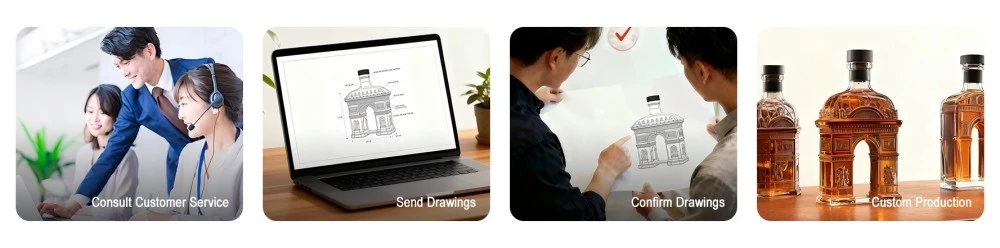
- Advanced Customization Capabilities: Complete design-to-delivery services including private mold development and exclusive bottle shapes
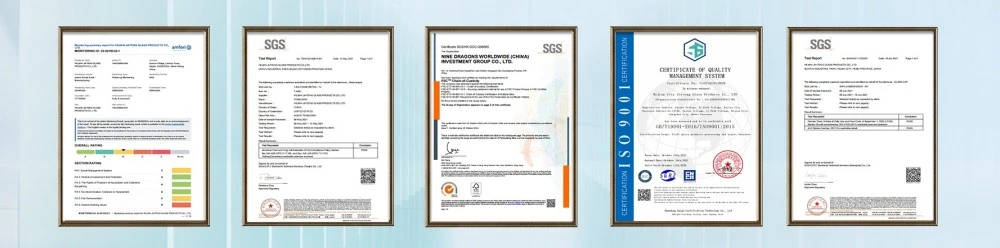
- Quality Assurance Systems: Rigorous testing protocols ensuring thermal shock resistance and chemical stability
- Flexible Production Capacity: Accommodating orders from 10,000 to 500,000+ pieces with scalable manufacturing processes
- Comprehensive Surface Treatments: Options for quality finishing, including thermal transfer publishing, custom colors spray painting, and spray painting
- Professional Engineering Support: 15-year experienced international trade team providing technical consultation and project management
- Sustainable Packaging Solutions: Eco-friendly, lead-free glass manufacturing with customizable protective packaging
- Rapid Prototyping Services: 3D printing capabilities for sample validation and design optimization
- Competitive Lead Times: Streamlined production scheduling ensuring timely delivery for project-based purchasing requirements
Get in touch with our team of specialists at lhd513@jtblzp.com to speak about the unique needs you have for clear liquor bottles and to investigate the possibility of implementing bespoke solutions that are adapted to your brand image and market goals.
References
1. Johnson, M. R. (2023). "Glass Chemistry and Thermal Properties in Beverage Packaging Applications." Journal of Materials Science and Engineering, 45(3), 234-251.
2. Anderson, K. L., & Thompson, D. P. (2022). "Comparative Analysis of Ion Leaching in Alcoholic Beverage Containers." International Packaging Research Quarterly, 18(4), 412-428.
3. Chen, W., & Rodriguez, S. M. (2023). "Thermal Shock Resistance Testing in Commercial Glass Containers." Glass Technology International, 67(2), 89-104.
4. Williams, J. A. (2022). "Sustainability and Lifecycle Assessment of Glass Packaging Materials." Environmental Packaging Review, 29(7), 156-173.
5. Martinez, L. C., et al. (2023). "Chemical Stability of Spirit Storage Containers: A Long-term Study." Beverage Industry Technology Journal, 31(5), 298-315.
6. Kumar, R., & Zhang, H. (2022). "Economic Analysis of Premium Glass Packaging in Global Markets." International Business and Manufacturing Review, 44(12), 78-92.