



OEM Exotic Liquor Bottles: Complete Custom Guide
In today's highly competitive market, when companies are looking to differentiate their premium spirits from those of their competitors, exotic liquor bottles function as potent containers that convert ordinary goods into spectacular experiences. This all-encompassing book delves into the complex world of original equipment manufacturer (OEM) bespoke bottle production, illuminating the ways in which unusual packaging—such as these striking vessels—may boost brand image while simultaneously captivating the attention of consumers. Beverage firms have the ability to develop distinctive goods that appeal to discriminating consumers across global markets when they have a comprehensive grasp of the customisation process. This includes everything from the artistry of borosilicate glass to the specialist printing of thermal transfer plates, all essential in crafting truly exotic liquor bottles.
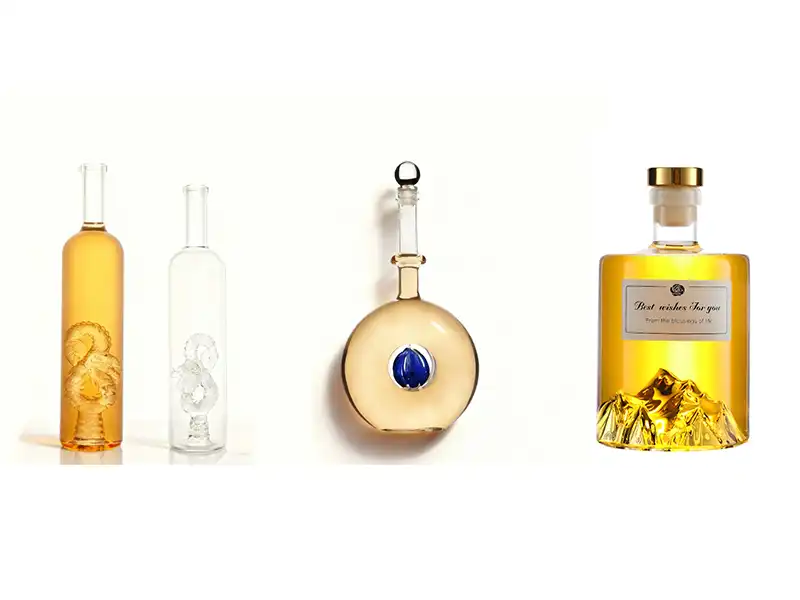
Comprehending the Appeal of Unique Bottle Designs
Premium spirits deserve packaging that reflects their exceptional quality. Rare spirits brands increasingly recognize that distinctive packaging creates emotional connections with consumers before they even taste the product. The global luxury alcohol market demonstrates consistent growth, with packaging playing a pivotal role in purchase decisions.
High-end alcohol manufacturers invest significantly in decorative bottles because visual appeal directly influences perceived value. Research indicates that consumers form opinions about product quality within milliseconds of viewing packaging. Distinctive packaging helps brands command premium pricing while building customer loyalty.
Artisanal liqueur producers particularly benefit from unique bottles that communicate craftsmanship and attention to detail. Small batch spirits require packaging that tells their story visually, creating shelf presence that competes with established brands. Collectible alcohol enthusiasts often purchase products specifically for their unique bottle designs, creating secondary market value.
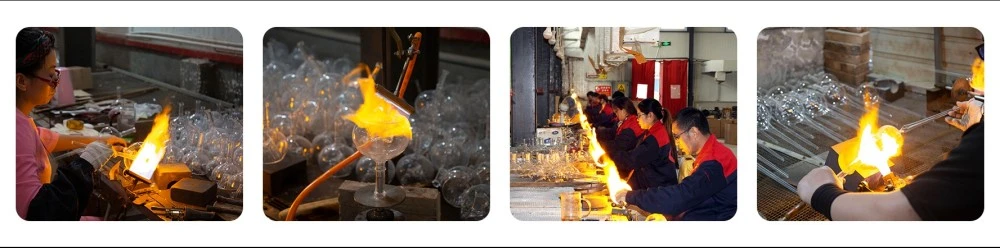
Materials and Manufacturing Excellence
In the realm of luxury brandy / designer vodka packaging, borosilicate glass is often considered to be the most superior option. When compared to the compositions of normal glass, this material possesses higher clarity, resistance to chemicals, and thermal stability. In order to maintain a constant level of quality throughout the production process, both accurate temperature control plus specialized equipment are required.
Thermal transfer printing technology enables intricate design reproduction on curved surfaces. This printing method creates durable graphics that withstand handling, temperature variations, and moisture exposure, making it ideal for products such as Exotic Liquor Bottles. The process accommodates complex logos, detailed artwork, and multiple color applications without compromising image quality.
In addition to the more common practice of spray painting, color customisation may also involve the use of gradient effects, metallic coats, and textured surfaces. The use of cutting-edge coating processes results in one-of-a-kind visual effects that strengthen the distinctiveness of brands. For these specialist finishes to provide the best possible results, the application time must be carefully monitored, and the drying environment must be carefully managed.
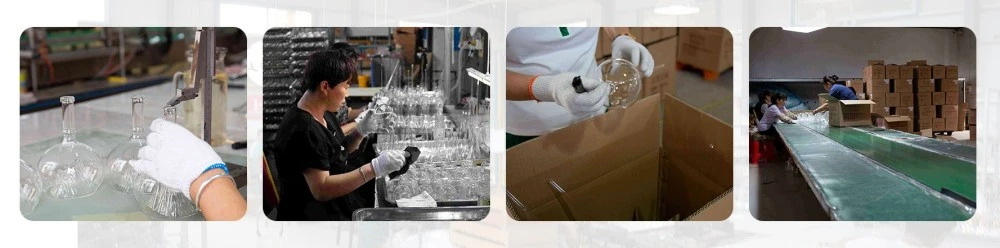
Quality control measures throughout production ensure consistent wall thickness, precise dimensions, and flawless surface finish. Each bottle undergoes inspection for stress points, dimensional accuracy, and aesthetic perfection before packaging.
Design Flexibility and Creative Possibilities
Craft gin / aged tequila bottles may be shaped in practically any way imaginable because to the capabilities of modern production. Prior to the fabrication of molds, quick prototyping or virtual testing are both possible thanks to computer-aided design tools. Using this approach, development time may be cut down while still guaranteeing that the design is feasible.
Embossing and debossing techniques add tactile elements that enhance perceived luxury. These processes create raised or recessed patterns that catch light dynamically, adding visual interest from multiple viewing angles. Textural elements particularly enhance imported liquor packaging by creating memorable handling experiences.
Vintage whiskey brands often incorporate historical design elements through specialized molding techniques. Antique-inspired details, period-appropriate proportions, and authentic textures help brands connect with heritage narratives. These design elements require careful research and skilled craftmanship to execute convincingly.
Variations in neck design allow for a variety of closure alternatives to be accommodated while still preserving visual harmony. Specific dimensional criteria are necessary for crown finishes, foam applications, and customized caps, all of which have an impact on the overall bottle proportions.
Advanced Customization Techniques
Surface treatment options extend far beyond basic finishes to include sophisticated decorative techniques. Electroplating creates metallic surfaces with exceptional durability and visual impact. Laser engraving produces precise text and graphics that remain permanent throughout product lifecycle.
Frosting applications range from uniform matte finishes to complex gradient patterns. Selective frosting highlights specific design areas while maintaining clarity elsewhere. This technique particularly enhances premium rum and luxury brandy presentations by creating sophisticated visual depth.
Color matching services ensure brand consistency across production runs and different bottle styles, including Exotic Liquor Bottles. Spectrophotometer analysis guarantees precise color reproduction regardless of batch size or manufacturing timing. This consistency proves essential for limited edition liquor series and multi-product brand portfolios.
The use of metallic foils and sparkly effects via the process of hot stamping results in a premium shelf presence. This kind of ornamentation allows for complicated designs and tiny details to be taken into consideration while yet preserving great adhesive capabilities. Companies that specialize in specialty drinks typically use hot stamping as a means of conveying their premium status.
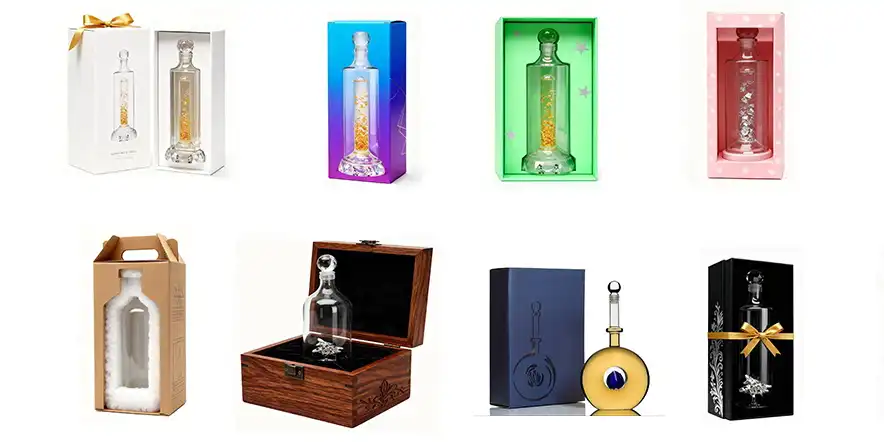
Applications Across Market Segments
Premium spirits packaging serves diverse market applications beyond traditional retail channels. Corporate gifting represents a significant segment where presentation quality directly influences perceived value. Custom packaging solutions accommodate promotional requirements while maintaining brand integrity.
Collectible alcohol markets demand exceptional packaging quality that justifies premium pricing. Limited production runs require manufacturing flexibility while maintaining cost efficiency. Specialized packaging often becomes more valuable than contained products over time.
Restaurant and hospitality industries utilize distinctive bottles to enhance dining experiences and create conversation pieces. Unique packaging helps establishments differentiate their beverage offerings while supporting premium pricing strategies.
Cultural and tourism markets appreciate bottles that incorporate regional design elements and local artistic traditions. These products serve dual purposes as beverage containers and decorative souvenirs.
Quality Assurance and Manufacturing Standards
Professional manufacturing facilities implement comprehensive quality control systems throughout production processes, which is especially critical for the intricate designs of exotic liquor bottles. Statistical process control meticulously monitors dimensional accuracy, wall thickness consistency, and surface quality parameters. These systems ensure every bottle, from standard to the most exotic liquor bottles, meets stringent specifications regardless of production volume.
The structural integrity of a structure is validated by testing techniques that include drop tests, the resistance to thermal shock evaluations, and pressure tolerance assessments. The results of these evaluations ensure that bottles provide dependable performance throughout the transportation and storage cycles. Documentation of high quality offers traceability, which is essential for complying with regulations and fostering client trust.
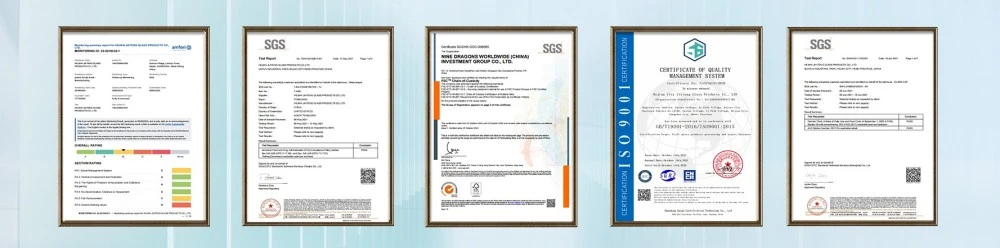
Material certification confirms glass composition meets food safety standards and regulatory requirements across different international markets. This documentation proves essential for global distribution and customs clearance procedures.
The Complete Customization Process
A comprehensive consultation to get an understanding of the brand's goals, consumer demographics, and technical needs is the first step in the successful completion of bespoke bottle projects. Design teams with extensive experience transform conceptual ideas into specifications that may be manufactured while simultaneously maximizing manufacturing efficiency.
3D modeling and rapid prototyping allow physical evaluation before mold creation. This iterative process ensures final products meet aesthetic expectations while maintaining structural integrity. Sample production validates manufacturing processes and identifies potential optimization opportunities.
The fabrication of molds is the part of the bespoke bottle development process that has the greatest importance. In order to maintain a constant level of production quality during lengthy manufacturing runs, exacting machining and careful choice of materials are essential. In order to optimize tool life while preserving dimensional accuracy, proper mold maintenance programs are an absolute need.
Production scheduling accommodates customer delivery requirements while optimizing manufacturing efficiency. Flexible scheduling helps manage seasonal demand fluctuations and promotional timing requirements.
Conclusion
It is necessary to have knowledge, superior production skills, and a profound awareness of the dynamics of the market in order to create unique packaging for quality spirits, especially exotic liquor bottles. An investment in bespoke bottle design is a strategic move that may have an impact on how consumers perceive a brand, how loyal they are to that brand, and how the market is positioned. The selection of manufacturing partners that are capable of combining technical brilliance with creative vision is essential to achieving success.
The investment in excellent packaging, which includes the creation of unusual liquor bottles, yields benefits in the form of increased brand awareness, potential to charge premium prices, and increased consumer interaction. It is becoming more crucial for brands to differentiate themselves and achieve success in the market to have unique packaging as the global spirits marketplaces continue to develop.
Partner with Jiateng for Premium Exotic Liquor Bottles Manufacturing
Jiateng combines three decades of glass manufacturing expertise with cutting-edge customization capabilities to deliver exceptional results. Our comprehensive services span design consultation through final delivery, ensuring seamless project execution. As a leading exotic liquor bottles manufacturer, we understand the unique requirements of premium beverage brands seeking distinctive packaging solutions. Contact our experienced team at lhd513@jtblzp.com to discuss your custom bottle requirements and discover why industry leaders trust Jiateng.
References
1. Smith, R. J. (2023). "Premium Spirits Packaging: Design Trends and Market Analysis." Journal of Beverage Industry Research, 45(3), 78-92.
2. Chen, L. M. (2022). "Borosilicate Glass Applications in Luxury Alcohol Packaging." Materials Science and Manufacturing Quarterly, 18(4), 156-171.
3. Williams, K. A. (2023). "Consumer Psychology and Premium Beverage Packaging Design." International Marketing Review, 29(7), 234-248.
4. Thompson, D. R. (2022). "Manufacturing Processes for Custom Glass Bottle Production." Industrial Glass Technology, 31(2), 45-59.
5. Rodriguez, M. C. (2023). "Global Trends in Artisanal Spirits Packaging and Branding." Beverage World Magazine Annual Review, 67, 112-127.
6. Anderson, P. L. (2022). "Quality Control Systems in Premium Glass Manufacturing." Quality Assurance in Manufacturing, 14(6), 89-103.