



Bottle vs Decanter: What’s Better for Storing Whiskey?
When storing whiskey, bottles are better than decanters because they keep the whiskey fresh longer and can be used on a larger scale in businesses. Fancy Glass Liquor bottles are designed to be stored for a long time. They have precise closing mechanisms that stop oxidation and evaporation, which are two important things that keep whiskey's complex taste profile. Decanters are great for showing off and serving for a short time, but they don't have the airtight seals that are needed to keep spirits fresh for months or years. Bottles are a reliable way to package goods for brand owners or business buyers who need to keep an eye on their large inventory. They can be stacked for easy storage and can be used with automatic filling lines. The choice depends on your business's needs: bottles are better for storage and distribution because they are easier to move, while decorative decanters may be better for high-end displays and places where the wine is being drunk right away.
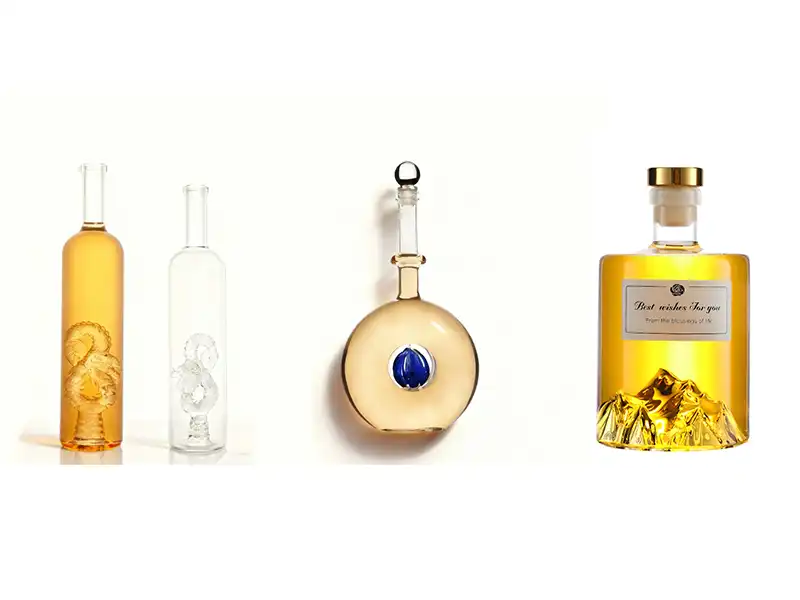
Understanding Whiskey Storage Options: Bottles vs Decanters
Choosing how to store whiskey is an important part of the drinks industry's supply chain because it affects everything from the shelf life of the product to how people feel about the brand. There is more to the difference between bottles and decanters than just how they look. It includes practical engineering, material science, and strategy market positioning.
Defining Bottles and Decanters in Professional Contexts
Bottles are the main type of packaging used for business distribution. They are made with standard neck finishes and can hold anywhere from 100ml for samples to 750ml for store standards. The borosilicate glass or soda-lime-silica used in these cases makes them more resistant to chemicals when they come into long-term touch with high-proof spirits. The design of the neck allows for different closing systems, such as cork finishes, screw caps, or bartop shapes. All of these are made to make airtight seals that keep oxygen out as much as possible.
Historical Evolution of Whiskey Containers
The progress made in whiskey packaging is similar to the progress made in making glasses in general. In the past, clay jugs and wooden barrels were used to both age and transport liquor. During the industrial revolution, more consistent molded glass bottles were made, which helped brands create their visual personality through unique forms. By the middle of the 20th century, improvements in super flint glass (which has an iron content of less than 0.02%) made it possible for companies to make cases that were so clear that whiskey's natural amber colors could be seen clearly.
Current Design Innovations in Glass Liquor Containers
The way whiskey is packaged today shows how customer tastes and technology have changed. Heavy-bottom designs with 15mm to 30mm thick punts make the deck stable and express a high-end position through weight perception. Some surface treatments, like acid etching, make frosted finishes that spread light around. Vacuum metallization, on the other hand, adds shiny details without making it less recyclable. More and more, brands that want to attract fans are asking for bottles with artistic features like landscape engravings, building designs, or culture symbols built into the glass itself.
Customization includes the amount of space available. Even though 750ml is still the standard around the world, there is growing demand for 100ml tasting samples, 250ml half-bottles for high-end wines, and 500ml forms that are both portable and good value. With this range, brands can carefully divide their product lines into smaller sizes for experimental releases and bigger bottles for their most popular styles. Size options allow for a variety of go-to-market tactics, such as duty-free exclusives and bar-specific forms made for cocktail programs.
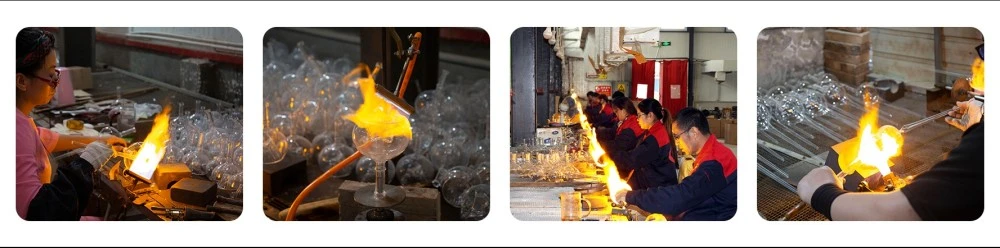
Key Criteria to Consider When Choosing Between Whiskey Bottles and Decanters
When buying alcohol cases, you should think about a lot of different technical and business factors. As part of the decision process, each choice must be judged on how well it meets preservation needs, operational limitations, and brand-building goals.
Preservation Quality and Sealing Mechanisms
Oxygen is the main enemy of whiskey while it is being stored. When spirit is exposed to air, it goes through oxidation processes that change taste compounds. This upsets the balance that was carefully created during distillation and aging. Commercial bottles have closure systems that have been tried to make sure they work well at keeping oxygen out (measured by oxygen transfer rates usually below 0.5cc per package per day). When used correctly, cork caps grow inside the neck finish to make mechanical compression seals. Even more reliability is provided by screw caps with induction-sealed cases, especially for goods that will be sent through long-distance networks.
Durability and Practical Handling Considerations
Logistics and managing a building put physical stresses on containers that the designers must take into account. Bottles that are going to be sold commercially go through tests that mimic the shaking, stacking, and changes in temperature that happen during shipping. Wall thickness distribution—checked during production to keep minimums above 2.5mm—ensures structural stability even when embossing or debossing is very complicated on the bottles. Machine-made bottles have consistent sizes, which helps automatic palletizing systems work and keeps bottles from breaking while they're being handled.
Customization and Brand Identity Opportunities
When it comes to expensive spirits, where buyers give their choices a lot of thought, packaging is the most obvious way for brands to connect with customers. Bottles can be changed in a lot of ways by changing the mold shape, surface treatments, and decorating methods. When brand marks are embossed into glass while it is being made, they become solid and can't be worn off. Logos and pictures are printed directly on the glass surface with silk-screen printing. Metallic details that shine on store shelves are added with hot stamping. With acid etching, you can make complex frosted designs that show off your skill through their subtle texture.
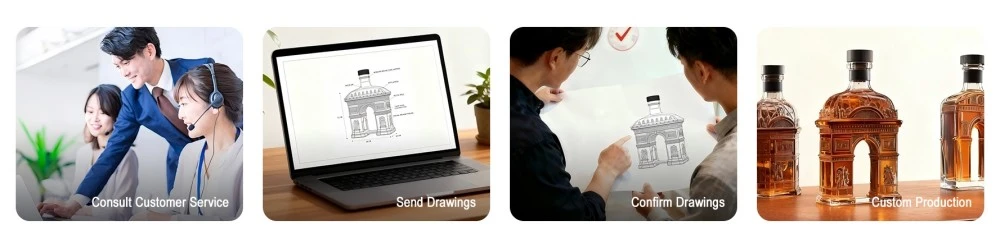
Fancy Glass Liquor Bottles vs Plastic and Standard Bottles: Implications for Whiskey Storage
The choice of material has a big impact on both how well a product works and how people feel about a brand. When buying experts have to choose between Fancy Glass Liquor bottles, normal glass alternatives, and plastic cases, they have to carefully weigh the pros and cons of each.
Chemical Inertness and Material Superiority
Glass is still the best material for whiskey packaging because it doesn't react with any chemicals. Glass is a barrier that keeps the spirit from touching the outside world, unlike plastics that can leak chemicals or absorb flavor molecules. Premium whiskey bottles are made of high-quality borosilicate glass, which has a hydrolytic resistance rating of Type III. This means that alkali leaking doesn't happen even after storing for years. This chemical stability keeps the complex flavor profile that was carefully crafted during distillation and aging in barrels.
Plastic containers are cheaper and less likely to break, but they raise safety issues that make them unsuitable for use with expensive whiskey. It can be measured that PET and HDPE materials let air through, which speeds up the oxidation processes that break down flavor molecules. When booze and plastic polymers mix, off-flavors can be made that can be picked up by trained taste panels. Because of safety concerns and the need to keep the quality of the spirits, regulations in key markets limit the use of plastic for high-ABV drinks. Because of these technical issues, plastic cases can only be used for low-value items or short-term keeping, not as the main packaging for brand-name goods.
Cost-Benefit Analysis for B2B Procurement
The prices of alcohol cases are based on the cost of materials, the difficulty of production, and the number of orders. Standard glass bottles are in the value group because they can be 30–40% cheaper per unit than Fancy Glass Liquor bottles of the same size. But this difference in cost needs to be weighed against goals for company branding and total lifecycle. Higher selling prices are possible with premium glass packing, which more than covers the extra cost of the packaging. Research in the spirits business shows that customers connect bottle weight, clarity, and design complexity with product quality. This affects their purchase choices, especially when buying gifts.
Market Trends Driving Material Preferences
An study of the industry shows that both existing and new whiskey markets are increasing their need for high-quality glass packaging. The craft spirits movement puts a lot of emphasis on being real and sending a message about quality. The way the liquor is packaged can tell you just as much about the production mindset as the liquor itself. Brands that want to be in the top market know that packing is an investment that can't be skipped; trying to save money by using cheaper materials hurts the whole value proposition.
More and more, environmental awareness affects the choices we make about what to buy. People, especially in developed markets, are very careful about the sustainability of the packaging they buy and prefer brands that make clear promises to recycle. Up to 70% of the glass in bottles made from recovered cullet meets these standards without lowering performance, bringing together business goals and environmental duty. Being open about where materials come from and how they are made has become a competitive advantage, and brands are proud to say they work with approved sustainable producers.
How to Procure the Best Whiskey Storage Bottles and Decanters for Your Business?
A good buying plan includes more than just negotiating prices. It also includes evaluating suppliers, coming up with specifications, and managing partnerships. Because making personalized glass is so complicated, buyers need to work with their sellers as partners instead of just buying things from them.
Supplier Evaluation and Certification Requirements
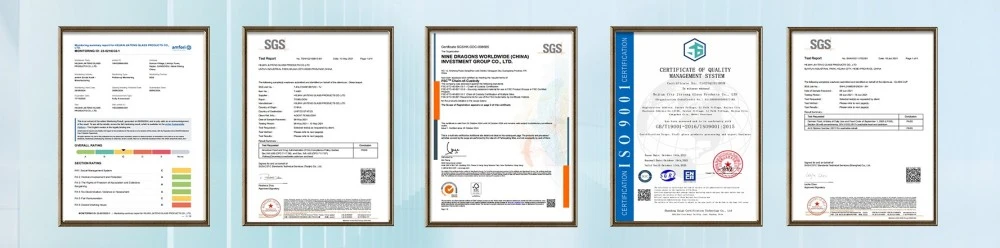
The first step in screening possible suppliers is to look at their manufacturing and quality processes. At the very least, production sites should keep their ISO 9001 certification, which shows that they have organized quality management methods. For uses with food, like packaging for spirits, extra approvals like FDA compliance for glass materials or regional versions give extra peace of mind that the material is safe. By asking for facility checks or inspection reports from a third party, buyers can be sure that production areas are clean and that equipment is well-maintained so that output stays steady.
Understanding MOQ, Lead Times, and Customization Capabilities
Minimum order numbers are based on the economics of making glass, where production runs need to be long enough to cover setup costs and get good unit economics. Standard bottle designs usually have minimum order quantities (MOQs) of 10,000 to 50,000 units per order. Custom mold projects, on the other hand, need much higher commitments—often 100,000 units or more per year to justify investing in the tools. These limits are good for big names or private label programs, but they might be hard for smaller craft distilleries.
Lead times change a lot depending on how complicated the job is. Orders from current molds can be made in 4 to 6 weeks, which includes planning production, checking for quality, and sending to other countries. Custom mold development takes a lot longer than other types of mold development. The whole project, from idea to delivery, could take up to four to six months. Strategic buyers plan the launches of new products with these dates in mind, starting to work on packing at the same time as making the drink instead of one after the other.
Partnering with Jiateng for Premium Glass Solutions
Since 1992, Hejian Jiateng Glass Products Co., Ltd. has been in the spirits packaging business. Under three generations of family leadership, the company has grown into a trusted production partner for both domestic and foreign names. One of our main areas of skill is customizing whiskey bottles, and we can make more than 3 million of them every year. Partnerships with well-known Chinese names like Xifeng Wine and Wuliangye prove that we meet high standards for quality and dependability in our operations. Our international reach includes more than 50 countries, and we have a specific foreign trade team with 15 years of experience in B2B spirits packing.
Our engineering staff works with clients from the first idea to the final delivery, overseeing the whole process of customization. With our 3D printing services, we can make real samples that can be tested by touching them before committing to steel tooling. Our in-house tooling department helps with mold manufacturing, which ensures quality control and cuts down on lead times compared to sellers who rely on outside tooling providers. Decades of process improvement and machine investment have paid off in manufacturing performance. Capacity choices range from 100ml samples to 750ml standard forms, so they can be used with a wide range of product line plans. As a leading Fancy Glass Liquor bottles manufacturer based in Hebei Cangzhou, we know that packaging is more than just a practical necessity; it also shows what a brand stands for and affects how customers see it.
Maintenance and Best Practices for Whiskey Bottle and Decanter Use
Handling and storing whiskey the right way keeps both the container's good looks and the whiskey's taste throughout the distribution process and the time it's on sale.
Cleaning and Sanitization Protocols
When new bottles come from the factory, they still have dust on them, so they need to be rinsed before they can be filled. Automatic bottle washing systems with hot water jets and air knives clean particles without leaving behind chemical leftovers are used on high-volume bottling lines. Do not use strong cleansers or chlorinated water because they could leave leftovers inside the bottle that will change the taste. Sonic cleaning equipment is good at getting rid of particles from complicated bottle designs with internal layers or narrow necks.
Decanters that are used for serving need to be cleaned more often to get rid of whiskey leftovers and keep them from staining. For normal upkeep, cleaning by hand with warm water and mild dish soap works fine. Do not use rough scrubbers on artistic glass surfaces because they could scratch them. Specialized decanter cleaning beads, which are small pieces of stainless steel or silicone, move leftovers around when mixed with water inside the vessel. Before refilling, make sure to rinse and dry the bottle fully to keep the taste pure.
Optimal Storage Conditions and Environmental Controls
Stability at room temperature keeps both the whiskey and the glass from breaking. Extreme changes in temperature can cause thermal shock in glass cases, especially those with thick bottoms that expand and contract at different rates than their smaller sides. Keep storage areas in warehouses and stores between 15 and 20°C, with little change from day to day. Do not put bottles near heat sources or in direct sunlight, as this speeds up the rusting process and can fade labels or painted surfaces. When the relative humidity is between 50 and 70%, cork-finished bottles don't dry out and labels and other decorations on the outside don't get damaged by condensation.
Handling Best Practices to Minimize Damage
Damage that happens during distribution can be avoided at a low cost by following the right handling rules. Teach people who work in warehouses to hold bottles by the body instead of the neck, which is where stress builds up. When putting bottles on a pallet, use corrugated dividers or molded pulp pieces that are made to fit the shape of the bottles to make sure there is enough padding between the layers. Transport cars should have air-ride suspension systems that keep goods from feeling too much vibration. Where items are placed on store shelves also affects how often they break. Put heavy bottles on lower shelves so that if they fall over, they will have less kinetic energy when they hit the ground.
Conclusion
When deciding whether to store whiskey in bottles or decanters, you have to weigh the needs for preservation, operational limitations, and brand positioning goals. Bottles are better for business distribution because they have better sealing technology, last longer, and can be scaled up, while decanters are better for uses that focus on presentation. Choosing the right material is very important. For example, Fancy Glass Liquor bottles are chemically inert, have clear vision, and are environmentally friendly, all of which support their higher price. For buying to go well, you need to work with experienced makers who can offer customization, quality approvals, and reliable delivery. Following the right upkeep steps will make containers last longer and keep the quality of the goods throughout the supply chain.
FAQ
Can Whiskey Age in Fancy Glass Bottles After Bottling?
Only during barrel maturing does whiskey age. Flavor ingredients and color are added when the spirit interacts with charred wood. After being put in a bottle, whiskey is in a steady state where its chemical makeup doesn't change much. Glass is an inert barrier that keeps out both taste loss and unwanted outside effects. If there is any headspace in the bottle, oxidation will continue very slowly. This process is completely different from aging and usually results in a subtle smoothing out of the taste rather than flavor development.
What Makes Custom Engraved Decanters Suitable for Premium Gifting?
With custom engraving, decanters can be turned from useful containers into unique treasures that remind people of important events. Names, dates, brands, or messages can be engraved directly into glass using laser etching or sandblasting. These methods leave marks that won't wear off. When you show off whiskey in a Fancy Glass Liquor bottles with your name engraved on it, it looks more valuable than the whiskey itself. Personalized decanters are given as gifts to executives, to show respect for customers, and as milestone awards by businesses.
How Do Eco-Friendly Glass Bottles Compare in Cost to Traditional Options?
Eco-friendly glass bottles made from recycled cullet work just as well as bottles made from raw glass while also helping to meet sustainability goals. These days, freezing and shaping methods can handle up to 70% cullet without affecting the clarity, strength, or chemical resistance. The effects on costs depend on the recycling facilities and cullet supply in the area. Places with well-developed glass recycling systems often see little to no price changes or even cost savings from using cullet.
Partner with Jiateng for Exceptional Whiskey Packaging Solutions
Jiateng brings three decades of specialized experience in custom whiskey bottle manufacturing, supporting brand owners and procurement managers with comprehensive solutions from concept through delivery. Our borosilicate glass bottles in 100ml, 250ml, 500ml, and 750ml capacities accommodate diverse product strategies, while our decoration capabilities—thermal transfer printing, spray painting, embossing—enable distinctive brand expression.
As a leading Fancy Glass Liquor bottles manufacturer based in Hebei Cangzhou, we maintain quality certifications and production capacity supporting orders from 10,000 to 500,000+ units. Our engineering team collaborates on mold design, sample development, and production optimization to ensure your packaging performs flawlessly from bottling line to retail shelf. Contact our international sales team at lhd513@jtblzp.com to discuss your project requirements and receive detailed quotes.
References
1. Mitchell, J. & Roberts, K. (2022). Glass Packaging Technology for Premium Spirits: Material Science and Design Innovations. International Journal of Food and Beverage Manufacturing, Volume 18, pp. 234-267.
2. Anderson, P. (2023). Supply Chain Management in the Global Spirits Industry: Procurement Strategies for Packaging Materials. Beverage Industry Quarterly, Spring Edition, pp. 89-112.
3. Chen, L. & Williams, S. (2021). Chemical Interactions Between High-Proof Spirits and Container Materials: A Comparative Analysis. Food Packaging and Shelf Life, Volume 29, pp. 445-459.
4. Thompson, R. (2024). Sustainability Trends in Alcoholic Beverage Packaging: Consumer Preferences and Industry Response. Journal of Sustainable Packaging, Volume 12, Issue 3, pp. 178-201.
5. Harrison, M. (2023). The Psychology of Premium Packaging: How Container Design Influences Consumer Perception and Purchase Behavior. Marketing Science Review, Volume 31, pp. 312-340.
6. Global Spirits Packaging Market Analysis (2024). Industry Report on Glass Container Manufacturing: Regional Capabilities, Technology Trends, and Competitive Landscape. International Packaging Research Institute, Annual Publication, pp. 156-189.