



How to Choose the Right Glass Bottle for Your Whiskey Brand?
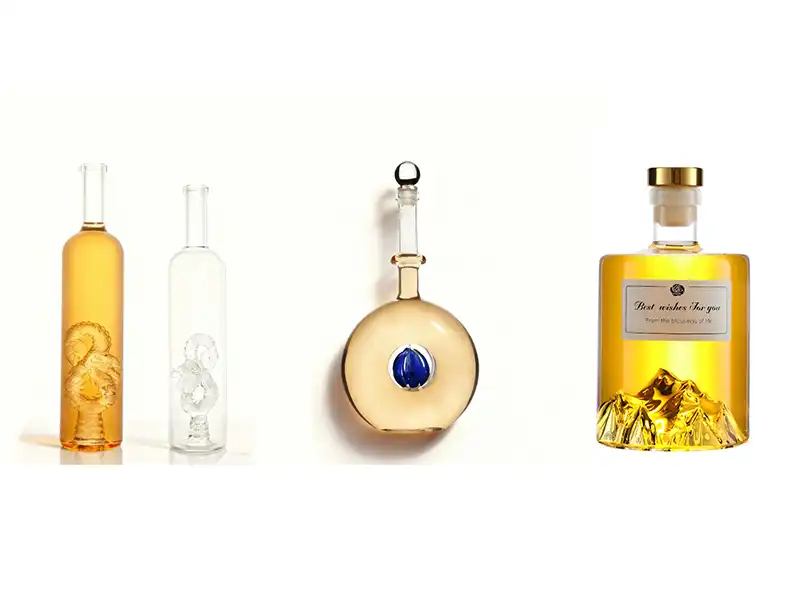
It's not enough to just find a container that works for your whiskey brand. You need to create an experience that your target audience will remember from the first look to the last taste. Whether you're starting a craft brewery, giving an old brand a new look, or making products for other companies, the bottle you choose will represent your product. Before people even taste the whiskey inside, a well-designed Glass Whiskey Decanter or classic bottle sends a message about quality, sincerity, and company values. Working with distillers and brand managers in North America, Europe, and new markets for many years has taught me that choosing the right package can make a huge difference in how well a product does in the market and how loyal customers are to that product.
Understanding the Importance of the Right Glass Bottle for Whiskey Branding
Glass wrapping is important for whiskey brands for two different reasons. The bottle keeps the spirit from going bad from rust and light damage, and it also looks good on store tables where there are a lot of other items. When it comes to high-end whiskey, the package is often the first thing that customers notice about the quality. According to research from the packaging business, people decide if a product is good or bad within three seconds of looking at a bottle. This means that design choices have a direct effect on buying decisions.
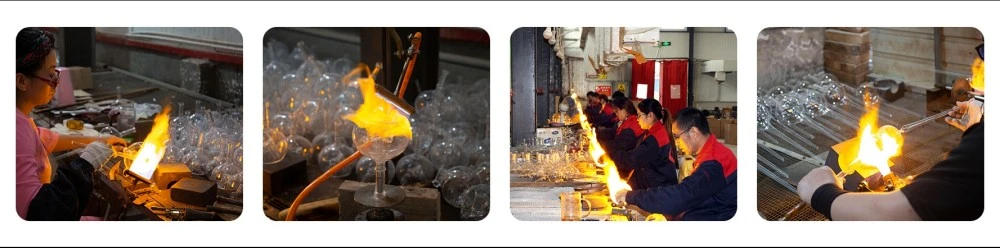
The makeup of the material is very important. High-quality borosilicate glass, which we use in our factories in Hebei Cangzhou, is better at withstanding changes in temperature and staying clear for longer periods of time. This is especially important when your whiskey has been sitting on shelves for a long time or when people buy bottles to keep as souvenirs. Because it is clear, the amber colors that whiskey fans like can be seen, and the drink itself becomes part of the performance.
Besides looks, following the rules is another problem that foreign brands have to deal with all the time. Different places have different rules about the size of bottles, how they should be closed, and what they need to say on the labels. In the US, certain neck ends are needed to fit tamper-evident caps, and European markets have their own rules about volume. It takes careful planning during the design phase to find a balance between these practical needs and creative brand expression.
The Connection Between Bottle Design and Brand Positioning
The way your bottles are built says a lot about your brand's history and the people you want to reach. Classic forms that remind people of the past are often preferred by traditional distilleries, while newer craft makers may choose shapes that aren't typical to show that they are innovative. This choice affects not only the first sales, but also how people remember the business in the long run. When people can recognize the shape of your bottle from across the room, you've built strong visual property that is hard for competitors to copy.
Material Quality and Consumer Perception
The weight and thickness of glass show how valuable it is thought to be. Heavier bottles usually mean a higher price, but this has to be weighed against the cost of shipping and the impact on the earth. Our manufacturing process lets us change the weight of the glass from normal business grades to heavy luxury presentations. We can handle orders for 10,000 to 500,000 pieces at a time. When a customer picks up your bottle off the shelf, the way it feels immediately makes an impact that either supports or goes against the price point you've set.
Key Criteria for Selecting the Perfect Glass Bottle for Your Whiskey Brand
To choose the right package, you need to carefully look at it from a number of different angles. When making a choice, marketing goals and operational limitations should be taken into account. This way, the end choice will help build the brand and make the supply chain more efficient.
For most whiskey names, standardizing the capacity is the first step. The industry tends to stick to standard sizes, like 100ml for flight service and sampling programs, 250ml for gift sets and travel stores, 500ml for foreign markets where that size is the norm, and the standard 750ml for North American distribution. Each ability has a different role in the market and affects how you plan your production. Smaller formats let people try high-end expressions without spending a lot of money, while normal 750ml bottles make the best use of shelf space and are more known to customers.
Glass Composition and Performance Characteristics
When it comes to materials for packaging drinks, borosilicate glass stands out. Unlike soda-lime glass, borosilicate glass stays the same size at different temperatures, which means it breaks less easily during shipping and filling. The low thermal expansion value of the material keeps stress cracks from happening when bottles go from room temperature in the warehouse to cold temperatures in stores. This technical edge means that fewer products are lost and the brand's image is improved by delivering quality products every time.
Clarity and color choices make brand displays even more unique. Clear glass lets the whiskey's natural color stand out the most, which appeals to people who like to judge things by sight. Custom color uses, like spray painting or coloring glass, make items stand out on the shelf. Light-sensitive mixtures can be protected from UV light by amber and green tints, though this isn't as important in modern whiskey production as it was in the past. With our heat transfer printing services, you can make brand features that go with any color scheme you want.
Functional Elements That Enhance User Experience
Closure fit is something that isn't always thought about enough when choosing a bottle, but it has a huge impact on customer happiness. The bottle neck needs to be the right size to fit the closing method you choose, whether it's a cork, a synthetic stopper, or a screw cap. Mismatches cause leaks, rust, or problems opening that hurt how people think of the brand. We include glass lids with our bottle designs, but many clients ask for different ends based on how they want to place their brand and what their target market wants.
How the pouring works depends on the shape of the neck and the size of the hole. A well-designed pour lip stops dripping and lets you control the amount of liquid that comes out. This is especially important for high-end drinks, where waste ruins the experience of luxury. During the planning process, these details may not seem important, but they become very important after thousands of customer interactions during a product's market lifecycle.
Comparing Glass Whiskey Decanter Types and Their Suitability for Your Brand
There are smart ways to make your brand stand out by using the difference between regular bottles and a Glass Whiskey Decanter. Traditional bottles put an emphasis on standardization and efficiency in production, which allows for high-volume marketing at stable prices. Decanters, on the other hand, value artistic expression and collectibility more, and their complex patterns often make them seem more valuable.
Classic bottle types use ground glass stoppers and geometric cutting designs to honor the history of glassmaking. People who like tradition and skill will like these styles, especially those who like single malt Scotch and premium bourbon. A well-made classic decanter communicates wealth through its weight and feel in a way that regular bottles can't. Some forms, like those used by Glencairn, have become associated with whiskey lovers, showing that the design of a vessel can go beyond just being a container and become a cultural item.
Modern decanter designs don't follow the rules. They use asymmetry, unusual pairings of materials, or forms with a theme. We can also embed scenery, building elements, or images that are specific to the brand straight into the structure of the bottle. One project that stands out was making bottles with tiny cityscapes hanging inside the glass walls. This made each bottle a conversation starter and kept people interested in the brand beyond the drinking experience. These ways of making art work especially well for limited versions, gift markets, and ultra-premium expressions where the cost of packaging is a smaller part of the total selling price.
When to Choose Decanters Over Standard Bottles?
How well an investment in artistic decanters pays off depends on how the market is positioned. When the price of a bottle in the ultra-premium market is more than $100, the complex packaging that supports the luxury image is justified. Unique containers for limited edition releases make them easier to gather and explain the higher price. Another great use is as a corporate gift. Companies that work in the defense, security, and outdoor industries often choose themed decanters that match their brand and show respect.
Specialty glasses can be used in a lot of different ways in the service industry. Different kinds of decanters are used in speakeasies and military-themed bars as part of the experience they offer. Bottle service packages cost more. In these places, the decanter becomes a part of the mood and is shot and shared on social media, creating free marketing value that lasts long after the purchase.
Balancing Uniqueness with Production Realities
Custom mold development takes a big investment up front, so it only makes sense for brands that plan to sell more than 50,000 units a year. Since it started in 1992, our three-generation family business has improved its methods to make these problems less of a problem. We offer 3D printing to test prototypes before moving on to metal cast production. This lowers the chance of making mistakes that cost a lot of money. This way of doing things has led to relationships with big names like Xifeng Wine and Wuliangye. Each year, they make about 3 million bottles for these well-known partners, while smaller initial runs help new craft producers get started.
Procurement Considerations: Sourcing High-Quality Glass Whiskey Bottles for B2B Buyers
A good procurement plan weighs the short-term cost of doing business against the long-term value of the relationship. Buyers who only look at per-unit prices often find hidden costs in the form of inconsistent quality, shipping delays, or a lack of customization options. The total cost of ownership is calculated by taking into account a number of factors in a thorough evaluation process.
Structures that set prices based on volume reward loyalty but need accurate predictions of future demand. Our normal price levels are based on how much it costs to make each piece. Orders below 10,000 units have higher per-piece costs because of the time and money needed to set up the mold and switch over the lines, but orders over 100,000 pieces get big discounts because of economies of scale. Buyers who plan to drink three million bottles or more a year get better prices because these partnerships make production more stable. This tiered method aligns the interests of both the buyer and the seller, which leads to long-term relationships that are good for everyone because demand is stable and supply is predictable.
Supplier Vetting and Quality Assurance
TThe things that different makers can produce vary widely, including items like a Glass Whiskey Decanter. Our sites use 30 years of process knowledge that goes from choosing the raw materials to doing the final check. To get uniform results, the production process needs to be carefully managed at every step, from batch melting to shaping, cooling, and decorating. When evaluating a seller, buyers should ask about quality control methods, reject rates, and corrective action procedures.
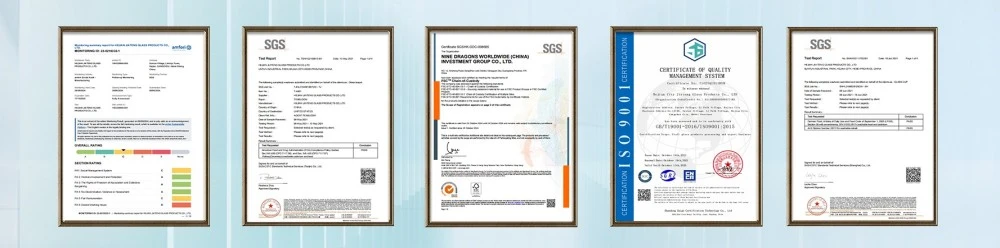
Certifications provide clear proof that production standards are met. Even though we have thorough quality control systems in place, buyers should make sure that any possible sellers have the right food safety certifications and export compliance paperwork. To get through customs quickly when shipping internationally, you need the right paperwork. Missing paperwork can cause packages to be held up for weeks, which can mess up product launches and marketing campaigns.
Customization Options That Amplify Brand Identity
Decorating the glass's surface turns plain glass into assets that are specific to a brand. Our thermal transfer printing can make complicated designs that stay true to color and last for a long time, even after being handled many times along the distribution chain. Besides printing, you can also use frosting, embossing, electroplating, and laser cutting. Each of these methods creates different visual and feel effects that are better for different brand personalities.
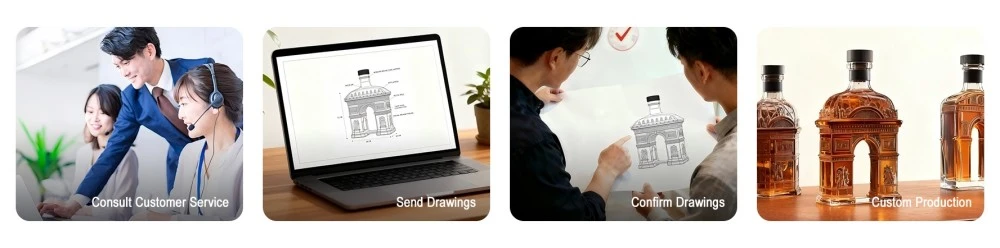
Understanding your brand's idea is the first step in the customizing process. After getting sketches, reference pictures, or full technical drawings, our engineering team makes official specs that include details about size, weight, and capacity. Once you give your permission, we make 3D samples for you to see and touch before we commit to making the metal mold. This iterative method has been very helpful for clients creating whole new brand identities or giving old goods a new look. It gives them faith that the final production run will meet their needs.
Logistics and Lead Time Management
Production times depend on how complicated the design is and how many items are ordered. Standard store items usually ship within a few weeks, but fully unique designs that need a new mold to be made take 8 to 12 weeks from approval to delivery. When buyers plan product launches, they should allow extra time for ocean freight, which usually takes 4 to 6 weeks to get to North American ports. Our foreign trade team has been exporting to more than 50 countries for 15 years. They handle paperwork and plan shipping so that there are as few delays as possible and your operations are made easier.
The quality of the packaging has a direct effect on how long the product will last during international shipping. We use specific packing methods that have worked well for tens of thousands of orders, such as individually wrapping each bottle, using partitioned boxes, and following palletization standards. Breakage rates drop below 0.5% because of this careful protective packing. This makes sure that your inventory comes in good enough shape to sell and protects the capital investment that each container load represents.
Care and Maintenance of Glass Whiskey Bottles to Ensure Product Integrity
Handling products properly can make them last longer and keep brand appearance standards high all along the supply chain. The durability of glass rests on more than just the qualities of the material. It also depends on how it is stored and how it is handled by everyone in the supply chain.
Cleaning methods change based on what the bottle is used for. When new bottles leave our plant, they are inspected for quality, but they may pick up dust while they are being stored or transported. Before filling, particulate matter can be removed with a simple rinse in clean water. Don't use strong cleaners on whiskey because the residue they leave behind could change the way it tastes. When a Glass Whiskey Decanter is meant to be displayed, such as in tasting rooms or store windows, it should be cleaned regularly with glass cleaner and a microfiber cloth to maintain clarity and remove fingerprints that affect its appearance.
Stability at room temperature stops heat stress that can damage glass. Do not put full bottles in places where the temperature changes a lot, especially places that go from cold to hot quickly. Even though borosilicate glass is better at resisting temperature shock than regular soda-lime glass, all types of glass can be kept safe by treating them carefully. Temperatures in storage spaces should stay moderate, and items shouldn't be kept near heat sources or where they will get full sunlight from windows.
Transportation and Warehousing Best Practices
Limits on stacking depend on the shape of the bottles and the strength of the cartons. The highest stacking heights in our packing standards are based on compression tests. These heights are usually between 4 and 6 box layers, but can be higher or lower depending on the thickness and shape of the glass. If you go over these limits, the bottom layer of the box could fail and the bottles could break. Workers in the warehouse should be taught the right way to handle things, and people who drive fork trucks should know how fragile glass items are so they don't break when they hit something while moving them.
Normal FIFO rules apply to inventory turnover, but glass bottles keep their quality forever if they are kept properly. The main worry is that label glue can break down in places with a lot of humidity, which can change the way something looks even if the glass and contents are still fine. These problems don't happen in places with high humidity or temperature changes because of climate-controlled storage.
Educating End Users to Enhance Brand Experience
Educating consumers increases the value of a brand after the initial buy. Putting care directions on high-end goods shows that you care about the customer experience and promotes proper handling that keeps the whiskey's character. Customers will know you care about their long-term happiness if you give them simple advice, like putting bottles upright to keep the cork from breaking down or keeping spirits out of direct sunlight.
Reusing empty bottles has become more popular as people become more environmentally conscious. Social media efforts that show how things can be changed into home art, planters, or craft projects can inspire people to be creative with reusing things. This method increases brand interaction, creates user-generated content for marketing reasons, and shows that your company cares about the environment without having to spend a lot of money on formal recycling programs.
Conclusion
Choosing the right glass bottle for your whiskey brand is a smart choice that will affect how you place your brand in the market, how customers see it, and how efficiently you run your business. It's important to find a balance between wants for the look and needs for functionality, between budget and quality standards, and between short-term needs and building a brand over time. Collaborations with skilled makers who know both the technical side of making glasses and the business side of selling spirits are most likely to lead to success. Putting money into the right packaging pays off in the form of a better appearance on store shelves, a better experience for customers, and stronger brand recall, all of which support higher prices and customer loyalty through all market cycles.
FAQ
What glass quality characteristics should I prioritize when selecting whiskey bottles?
To judge the quality of glass, you have to look at both the makeup of the material and how well it was made. Borosilicate glass is better at keeping its brightness and resisting heat than regular soda-lime glass, which makes it perfect for use in high-end spirits. Dimensional uniformity is a sign of good manufacturing quality. For example, the finish on the neck must match the closure specs within very small gaps to ensure a good seal. Optical clarity without seeds, stones, or other impurities shows that the raw materials were carefully chosen and the heating process was done correctly.
How can I make my whiskey bottles stand out in competitive retail environments?
Unique structure design and smart surface decoration are both parts of differentiation strategies. Custom bottle forms make them stand out right away, but you have to make sure that the cost of the mold is worth it by producing enough bottles. Surface methods make it easier to tell one thing from another. For example, embossing adds a tactile layer, shiny finishes make something look expensive, and custom color applications make a brand stand out. The best method combines several things: a unique shape, well-thought-out label design that goes with the glass, and maybe a special way to close the bottle.
What are typical lead times for custom whiskey bottle orders?
Lead times depend on how customized the product is and how much of the supplier's capacity is being used. Orders that use existing models from a manufacturer's catalog usually ship two to three weeks after the order is confirmed. It takes 4 to 6 weeks to make screens or move films and finish production on projects that need new decorations to be put on standard forms. Fully customized designs that require a new mold take 10 to 14 weeks longer because of the planning, mold-making, sample-making, and approval processes.
Partner with Jiateng: Your Trusted Glass Whiskey Bottle Supplier
Three decades of hard work have helped Jiateng become the best at making handmade glass bottles. Our factory in Hebei Cangzhou blends traditional artistry with modern production methods to make everything from simple 750ml liquor bottles to intricate Glass Whiskey Decanter designs that become brand icons. Whether you're releasing your first product or updating an old line, our engineering team can help you with everything, from the first sketches of an idea to the final delivery to your office.
Big names like Xifeng Wine and Wuliangye trust us to deliver quality on millions of units every year. We also offer the same level of commitment to new craft producers with smaller starting orders. Email our foreign trade experts at lhd513@jtblzp.com to talk about the needs of your project, get samples from our large catalog, or look into the possibility of custom development.
References
1. Anderson, P. & Williams, R. (2021). Packaging Design and Consumer Behavior in Premium Spirits Markets. Journal of Brand Management, 28(4), 412-428.
2. Chen, L. & Thompson, J. (2020). Glass Manufacturing Technologies for Beverage Applications. Materials Science and Engineering Review, 15(2), 89-106.
3. Davidson, M. (2022). The Economics of Custom Packaging in Craft Distillery Operations. Small Business Manufacturing Quarterly, 34(1), 56-71.
4. Foster, K. (2019). Supply Chain Management for International Spirits Distribution. Global Trade Logistics, 41(3), 234-251.
5. Harrison, T. & Zhang, W. (2023). Consumer Perception Studies in Alcoholic Beverage Packaging. Packaging Technology and Science, 36(6), 445-462.
6. Mitchell, S. (2020). Sustainable Practices in Glass Container Manufacturing. Environmental Management in Industry, 28(5), 178-195.