



Glass Quality Matters: Selecting the Best Whiskey Bottle
When it comes to packaging spirits, picking the right glass bottle whiskey container is about a lot more than just looks. Quality of preservation, company image, and customer trust are all directly affected by the type of glass used. Better glass packing is very important because it protects against oxidation, UV light damage, and contaminant movement, all of which can ruin the taste and smell of high-end whiskeys. Whether you're a brand manager introducing a new line of products or a purchasing decision-maker looking for dependable sellers, knowing the basics of glass quality will help you make smart buying decisions that protect the integrity of liquids and make your company more competitive in the market.
Understanding the Role of Glass Quality in Whiskey Bottles
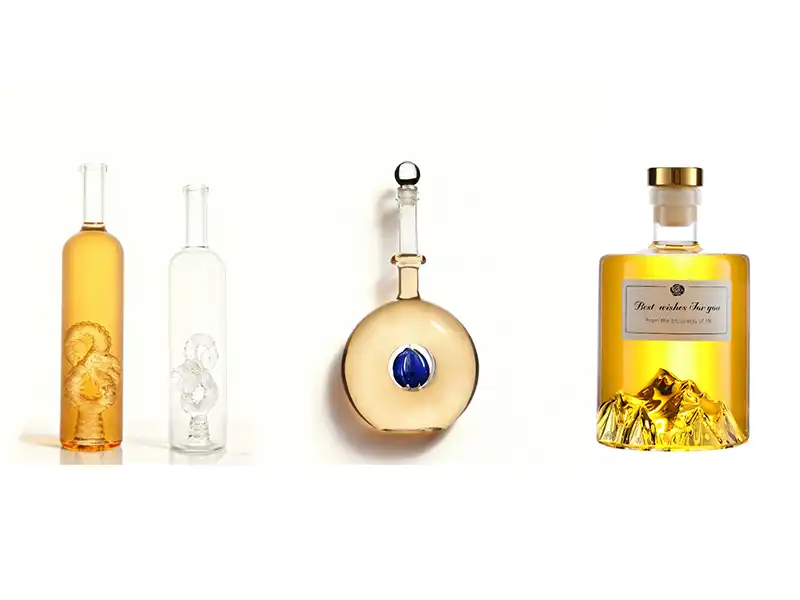
How well a whiskey bottle keeps its contents safe over time depends on the type of glass it is made of. While porous materials let oxygen pass through and semi-permeable plastics can let chemicals into high-ABV spirits, properly made glass provides an environment that is inert and doesn't respond. This quality makes sure that the complex congeners, esters, and phenolic compounds that form during distillation and aging stay fixed from the time the wine is bottled until it is drunk.
Material Composition and Manufacturing Excellence
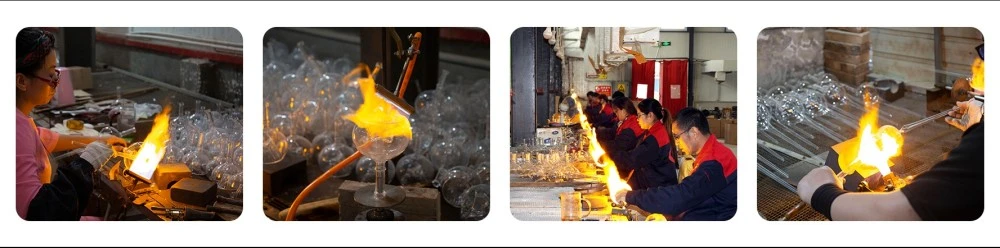
Soda-lime silica glass is usually used to make high-quality whiskey bottles, but borosilicate glass may be used in some cases for better heat protection. Borosilicate glass is made up of silica and boron trioxide, which makes it more resistant to chemical damage and thermal shock. This is especially useful for drinks that may go through temperature changes while being shipped across borders. Because the material has a low coefficient of thermal expansion, these bottles can handle quick changes in temperature without breaking. This is useful when moving containers from climate-controlled stores to different shipping settings.
The methods used in manufacturing have a big effect on the quality of the finished product. Precision molding methods make sure that the wall thickness is spread out evenly. This keeps the bottle from having weak spots that could break on high-speed automatic filling lines. Jiateng has been making glass products for three generations and has perfected production methods that consistently produce bottles that can withstand vertical load pressures and line friction. This means that breakage rates stay below industry averages even during high-volume production runs that make more than 3 million units a year.
Glass as a Barrier Against Degradation
Because quality glass doesn't have pores, it protects whiskey very well against oxidation and photolytic breakdown, which are the two main things that can go wrong with it. Even though whiskey doesn't keep getting better after it's been bottled like wine does, oxygen can dull the spirit's rich aromas and change its flavors. When used with the right covers, premium glass recipes make an impenetrable seal that stops the "angel's share" of liquid from evaporating and oxygen from the outside that would otherwise damage the liquid.
Another big risk is being exposed to UV light, which can cause photochemical reactions that can break down organic substances and bleach natural colors. Because it blocks wavelengths that cause "lightstruck" effects, amber-tinted glass blocks a lot of UV light. Clear "super flint" glass is best for showing off the color of whiskey, which is an important marketing factor, but it needs to be stored carefully out of direct sunlight. With our custom color spray painting choices, brands can find a mix between how they want their products to look and how well they protect them.
Brand Perception and Market Positioning
Before a customer even tastes the product, high-quality glass wrapping lets them know it's good. The whiskey bottle's weight, clarity, and level of design sophistication all make an instant brand impression that affects buying choices. When consumers see heavy-bottomed bottles that weigh 800 grams or more, they automatically think of the quality of the drink inside. This way of thinking is especially important in competitive business-to-business markets, where distributors, retailers, and original equipment makers (OEM) manufacturers look at possible partnerships based on more than just the liquid's properties.
Custom embossing, unique mold forms, and special surface treatments can turn ordinary packages into cars for telling a brand's story. We've helped partners put everything from famous buildings to local symbols directly onto the designs of bottles, making wrapping that is also valuable art. With these customization options, brands can stand out on store shelves that are already crowded while still meeting the technology requirements for reliable performance across delivery networks.
Criteria for Selecting the Best Glass Bottle Whiskey for Your Business
To choose the best glass bottle whiskey packaging, you need a planned review strategy that matches the bottle's features with your business goals. We suggest the F-1 Criteria Screening Approach, which checks each possible procurement situation against technology needs, goals for market placement, and practical limits.
Buyer Category and Market Alignment
Different types of buyers have different needs and chances when it comes to packing. Distributors look for bottles that can be shipped through multiple stages of logistics without breaking. This means that the bottles need to be structurally strong and of uniform quality across big orders. OEM makers need to be able to customize their products in a way that meets the needs of private labels while still keeping production running smoothly. Retailers look for designs that stand out on the shelf and appeal to customers, as well as ones that tell good brand stories.
Knowing your main market helps you choose the right bottle specs. Premium whiskey drinkers in the U.S. are increasingly drawn to unique bottle shapes with physical features like weighted bases, embossed names, or textured surfaces that make unpacking experiences that people will remember. European markets usually like simple shapes with fine details. But new markets in Latin America and Central Asia are becoming more interested in designs that are culturally relevant and connect goods to their history.
Technical Specifications and Performance Metrics
Glass thickness has a direct effect on both how well it protects and how much it costs. The walls of standard whiskey bottles are usually 3–5 mm thick, which is thick enough for normal handling and keeping. Premium groups can ask for heavier constructions of up to 7 mm, which give goods more longevity and the solid feel that comes with luxury items. When figuring out the thickness you need, you should think about how you plan to distribute the product. For example, shipping directly to consumers needs more structural support than big wholesale orders to established store partners.
Capacity choices should match how the product is positioned and what the target customer wants. Our usual sizes are 100ml, 250ml, 500ml, and 750ml, and each is best for a different market purpose. Small 100ml sizes are good for gift sets, trial programs, and travel shopping. The 750ml standard is used in most major markets, while the 500ml size makes premium goods more affordable. Light filtration qualities are affected by how transparent a material is. Clear borosilicate glass makes whiskeys with unique colors look their best, while amber versions offer better UV protection for long-term storage.
Business Priorities and Supplier Evaluation
Cost-efficiency is more than just unit price. It also includes total ownership costs, such as breakage rates, customization investments, and managing supplies. Even though price is important, smart business buyers know that high-quality glass packing pays for itself in the form of less product loss, better brand recognition, and loyal customers. We've seen that when brands spend money on unique, high-quality bottles, customers are more likely to buy them again and the bottles are better placed in stores than stock packaging options.
Different foreign markets have very different rules about how to follow regulations. Alcohol packaging in the U.S. has to follow FDA rules for materials and labels, as well as state-specific rules. The markets in the European Union follow strict rules about how to make sure materials are safe and can be recycled. Asian markets are putting in place more and more environmental rules that encourage reuse and recycled glass. Working with sellers who know a lot about regulations and have established ways of getting export documents makes customs processing faster and cuts down on delays in importing goods.
Supplier dependability may be the most important factor in choosing a supplier. We've been making things for 30 years and have built relationships with big Chinese brands like Xifeng Wine and Wuliangye that show we can achieve quality on a large scale. We can handle rising accounts and yearly changes in demand because we can make more than 3 million bottles a year. Our 15-year experience as a foreign trade team makes it easier for us to communicate and solve problems before they happen during the order delivery cycle.
Types of Glass Bottles for Whiskey and Their Impact on Quality
The B-1 Dimensional Analysis method looks at how the decisions made about glass bottle whiskey design affect both how well it works and how the market sees it. Shape, color, and structure design elements work together to make complete package solutions that are suited to each product's features and brand positioning strategies.
Standard Versus Custom Bottle Configurations
Standard bottle forms are good for well-known items with steady demand because they save money and take less time to make. Some common shapes are cylindrical bodies with tapered shoulders, square forms for easy shipping and shelf display, and the standard "fifth" proportions that whiskey lovers are used to seeing. These forms use molds that are already in stock, which cuts down on the cost of customization while keeping the quality of the professional presentation.
Custom bottle forms are a great way to set your product apart, and the extra money you spend on development is well worth it for new product launches and premium placement. People can quickly recognize brand assets with unique shapes. For example, people know what kind of bottle it is before they read the label. We've worked with clients to make bottles that include local scenery, building details, and cultural symbols that turn packaging into collectibles that get people talking. Custom development needs careful thought about how it can be made. Geometries that are too complicated could weaken the structure or make production less efficient, which would raise the cost per unit.
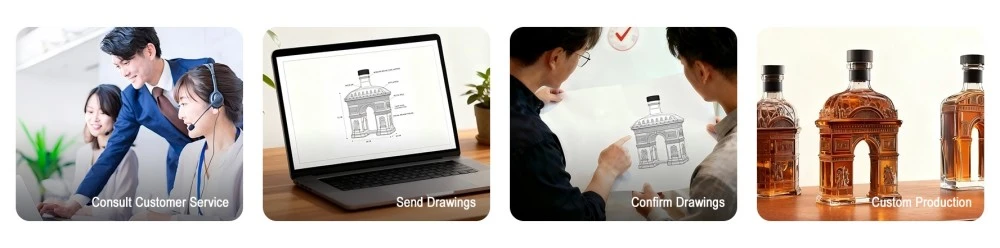
The customization process we've refined over three decades begins with joint ideation, where our engineering team turns rough ideas into detailed technical specs. Based on the first talks, we come up with three to four suggested design changes. Next, we make official drawings that show the neck size, body diameter, weight capacity, and weight distribution. 3D-printed models let you test things out before you spend a lot of money on production molds. This iterative process makes sure that the final designs meet both the creative goal and the performance needs of the real world.
Color Variations and Functional Implications
When choosing the color of glass, you have to balance business goals with the need for safety. Clear glass makes liquids easier to see, so people can enjoy the natural brown tones and brightness of whiskey. This clarity is especially helpful for high-end old whiskeys, where color strength shows how well the whiskey has aged. It's important to be careful about how you store clear bottles because UV light for a long time can cause photodegradation, which flattens out the smells and fades the colors.
Amber glass blocks UV rays very well while still letting some light through. The tinting stops the harmful wavelengths that cause lightstruck effects without covering up the whole look of the drink. Amber glass is popular for brands that want their products to last a long time and be easy to stock. The protective properties of amber work especially well in stores that get a lot of light or sun. Although green-tinted glass looks retro and provides some UV protection, it doesn't filter light as well as clear or amber glass.
Custom color spray painting gives you more ways to be artistic than just tinting glass. Surface processes can make glass almost any color while keeping the purity of the base glass. Frosted finishes add sophisticated visual effects, embossed patterns add depth to the feel, and shiny coats give things a high-end look. We can print complicated images, logos, and decorative elements using thermal transfer technology that gives you great clarity and long-lasting results. With these decorating choices, practical containers can be turned into high-end branded items that can be used for gift markets, limited editions, and releases aimed at collectors.
Design Interdependencies and Quality Preservation
The general success of preservation depends on the thickness of the glass, the color chosen, and the shape design. Heavier glass structures with amber or custom-tinted finishes protect drinks that need to be stored for a long time before they are sold the best. These stricter rules are necessary for premium single malts, limited sales, and whiskeys with age statements. On the other hand, goods that sell quickly, like mixers, value segments, and promotional releases, may focus on saving money by using lighter materials and standard forms.
How well bottles protect their contents depends a lot on how they are stored. Whiskey bottles need to stay straight because high-ABV liquids can break down natural cork materials over time, letting them leak or get tainted. Absolute temperature is less important than temperature stability. Changes in temperature can cause liquid amounts to expand and contract, which could weaken the seal. We suggest keeping your bottles out of direct sunlight and in climate-controlled spaces. This is especially important for clear glass bottles.
Environmental factors are becoming more and more important in choosing bottles. Most developed markets have facilities for recovering glass, and the fact that the material can be recycled over and over again without losing any of its quality supports the ideas of the circle economy. When designed correctly, lightweight bottle designs cut down on pollution from shipping without lowering the quality of security. When the specs allow it, we use recovered glass in our production methods. This helps brands keep their environmental promises while still meeting the performance standards their products need.
Comparison and Market Trends for Glass Bottle Whiskey Procurement
The D-1 Element Listing Approach gives you a structured way to compare different packing choices based on how the market for glass bottle whiskey is changing now and how new ideas are coming up in the future. When buyers know how big brands plan their bottles and where buying trends are going, they can make decisions that will still be useful as markets change.
Industry Leaders and Packaging Innovation
Premium whiskey brands are always pushing the limits of packaging to make their goods stand out and explain their high prices. New inventions include LED bases that light up liquid when bottles are on display, closure systems that combine synthetic materials with the look of traditional cork, and virtual reality stickers that let you tell a story about your brand through your smartphone. With these technical improvements, bottles go from being silent carriers to brand experiences that you can interact with.
In the middle-tier groups, companies try to stand out by using unique shape changes and surface treatments that don't cost too much. Embossed branding gets rid of the need for paper labels and creates a lasting way to identify a product that is not affected by water or handling damage. Textured glass surfaces, like those with pebbled finishes, linear lines, or geometric designs, make things look and feel more interesting without having to make expensive custom molds. Colored glass choices make shelves stand out for different product lines, so brand families can keep their visual consistency while still expressing themselves in their own unique ways.
Budget segments prioritize manufacturing efficiency and material economy. Standard bottle forms that use current molds save money on customizing costs. Materials and shipping costs are lower for glass structures that are lighter, but the specs must still ensure that they are strong enough for automatic bottling equipment. If you use paper labels instead of direct printing, the cost of decoration is lower for smaller runs. Even though people are cost-conscious, even value groups are becoming more aware of how package quality affects how people think about a product. For example, badly finished bottles make people worry about the quality of the liquid inside, even if the product itself is good.
Material Alternatives and Comparative Analysis
While glass dominates whiskey packaging, alternative materials should be looked at for certain uses. PET plastic is much lighter and less likely to break than other materials. This makes it useful for outdoor events, travel shopping, and advertising. But because plastic is only partially porous, oxygen and flavor compounds can pass through it. This means it's not good for high-end items or long-term keeping. The way people think also plays a big role. For example, studies show that people who buy whiskey constantly think that plastic packaging means lower quality.
Metal containers, like metal bottles and stainless steel flasks, keep out all light and last a long time. These designs work well for brands that focus on the outdoors and advertising items. Because they don't let much liquid through, they can't be used for goods where color look communicates quality. The cost of making metal bottles is usually higher than making glass bottles of the same size, but in some marketing situations, the lower risk of breaking the bottles may make up for the higher cost of metal.
Glass remains the preferred material for serious whiskey packaging due to its complete inertness, superior barrier properties, and positive quality associations. Comparative studies of material prices, environmental effect, and logistics always show that glass is better for both general and luxury markets. Concerns about sustainability are eased by the material's ability to be recycled, and its manufacturing age ensures stable supply lines and stable prices.
Emerging Trends and Market Dynamics
Glass making has a lot of room to grow when it comes to eco-friendly production methods. Compared to standard fuel-fired systems, electric furnaces put out less carbon dioxide. Using more recovered materials—some factories now use 50–70% post-consumer glass to make new bottles—reduces the need for new materials. Lightweight engineering methods keep the strength of the structure while lowering the weight of the glass by up to 30%. This lowers the amount of pollution released during transportation without lowering the level of protection.
Custom and limited edition releases are still popular in the market because brands want to stand out and get collectors excited. Celebrate anniversaries, geographic designations, or cultural events with special bottlings that sell for a lot of money and get more press than standard advertising costs. These projects really benefit from how easy it is to customize glass—unique shapes, colors, and surface details are all possible at surprisingly low order numbers when you work with experienced manufacturing partners.
Procurement channels are evolving beyond traditional distributor relationships toward direct manufacturer partnerships. B2B buyers value clear supply lines, consistent quality standards, and the ability to work together on growth more and more. Digital platforms make it easier to source goods from other countries, but strong communication tools and cultural awareness are still needed for relationships to work. Our nine-year history as a gold seller for foreign trade shows that we are committed to building relationships that go beyond transactions.
Ensuring Authenticity and Quality Control in Glass Bottle Whiskey
Using the E-1 Problem Alert Approach, you can find common quality problems and set up checks that keep glass bottle whiskey brands safe from inconsistent suppliers and bad manufacturing methods. Using strict quality control measures protects the purity of the product and the image of the brand along all of its foreign supply lines.
Common Quality Issues and Root Causes
When working with makers who aren't very experienced, dimension variation is a common problem. Changes in the height, diameter, or neck finish measurements make automatic filling operations more difficult. These changes can stop the line or require human action, which slows down production. Root reasons usually include not taking care of the mold properly, not controlling the process well enough during making, or trying to save money by speeding up production, which loses accuracy.
Defects in the way the glass is distributed cause weak spots in the structure that cause it to fail before it should. There may be thin spots in the walls of bottles that can't be seen at first glance, but they become clear during load tests or heat cycling. These flaws happen because the mold wasn't designed correctly, the tools were worn out, or there wasn't enough quality control during production runs. Bottles that pass the first check could fail horribly when they are being filled, capped, or shipped, losing the product and possibly putting people in danger.
Surface finish quality affects both aesthetics and functionality. Rough seams indicate inadequate mold alignment or finishing processes. Optical flaws like waves, bubbles, or inclusions take away from the quality of the presentation and may be a sign of bigger problems with quality control. When artistic elements are handled, coating bonding problems cause them to flake or peel. These problems are caused by tight production schedules, bad material specs, or not having enough professional know-how.
Verification Principles and Inspection Protocols
Effective quality assurance starts with choosing a provider and continues with building checks and reviews of capabilities. Check the age and upkeep requirements of industrial tools, as well as the independence of the quality department and process control systems. Instead of carefully prepared samples, ask for production samples from what's already in stock. Real production runs show what the true capability levels are. To make sure the structure is solid, you should do physical tests like drop tests, thermal shock evaluations, and load resistance measurements.
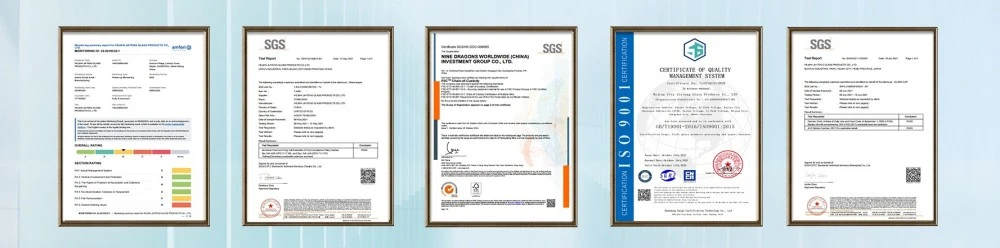
Certification requirements give you a basic idea of how well the product you're making meets standards. Getting ISO 9001 quality management certification shows that you are committed to controlling processes in a planned way and making them better all the time. Certifications for food-grade materials show that the glass's makeup meets safety standards for direct food contact. Being able to create export documents like certificates of origin, commercial invoices, and customs statements shows that you know how to do international trade, which is necessary for deals to go smoothly across borders.
Receiving review procedures and performance tracking across order cycles should be part of ongoing quality monitoring. Set clear acceptance standards that include acceptable measurement ranges, acceptable levels of visual defects, and required functional performance. Set up random sample plans that are right for the amount of orders and the level of risk that can be tolerated. Keep track of defect trends and let sellers know about them right away. This way, you can work together to improve things instead of competing with them.
Building Transparent Supplier Partnerships
Long-term procurement success rests on partnerships with suppliers that are open, respectful, and based on shared quality commitments. Our company's past spanning three generations shows that we value long-term relationships over one-time transactions. To keep working with big brands like Xifeng Wine and Wuliangye for more than 15 years, you need to deliver high-quality products on time, communicate clearly, and solve problems before they happen.
Transparency goes beyond quality metrics and includes planning production schedules, finding materials, and figuring out how much capability to use. We give our customers accurate lead time figures that take into account the process of making molds, planning production, and decorating. We let buyers know early on about capacity limits during times of high demand so they can make changes to their plans instead of finding out about transport problems at the last minute. Being honest like this builds trust, which makes partnerships stronger when problems come up.
Traceability tools let people act quickly when there are worries about quality. It is possible to find out exactly when and how any delivered goods were made with the help of lot codes and production paperwork. This knowledge speeds up the process of finding the root cause of performance problems in the field and putting corrective actions into place. We keep detailed records of all of our output and welcome checks from clients because we know that having a clear picture of the supply chain is good for everyone.
Conclusion
To choose the best glass bottle whiskey bottles for packaging, you have to balance the need for technical performance with the need to place the brand and meet realistic business needs. Quality glass keeps liquids from changing form by blocking oxidation and UV breakdown in an inert, non-porous way. It also sends a message of high brand values that affects buying choices. Buyers can match bottle specs with what the market wants, their business's abilities, and their commitments to sustainability with the help of systematic evaluation systems. New trends in tailoring, eco-friendly production, and open supply chains give brands chances to make their goods stand out and build long-lasting relationships with customers. In the end, successful procurement rests on working together with experienced makers who have the technical know-how and are willing to work together for the common good.
FAQ
What glass material provides the best protection for whiskey?
Compared to regular soda-lime glass, borosilicate glass is better at resisting chemicals and staying stable at high temperatures. It doesn't crack when temperatures change, which happens a lot during foreign shipping, because it has a low thermal expansion rate. The inert qualities of the material mean that it won't react chemically with high-ABV drinks. This means that the intended flavor profiles will last forever. Both materials work much better than plastic options that let air and compounds move through them.
How does bottle color affect whiskey quality?
To stop "lightstruck" effects and color loss, amber glass blocks UV bands that are harmful and cause photochemical reactions. Clear glass makes the whiskey look better by showing off its natural tones, but it needs to be stored carefully and out of direct sunlight. Green-colored bottles look nice and offer reasonable UV protection. Custom color spray painting lets you choose any color you want while keeping the safe qualities of the base glass.
What capacity should I choose for my whiskey product line?
Standard 750ml bottles are most common in major markets and are what most people expect to buy. The 100ml miniature sizes are great for gift sets, trial programs, and travel shopping. The 500ml size makes premium goods more affordable while still having a strong impact. Think about the tastes, price points, and methods of distribution of your target market when choosing capacity choices.
Should whiskey bottles be stored horizontally or upright?
Unlike wine bottles, whiskey bottles need to stand up straight. Natural cork materials break down over time when they come into touch with high alcohol levels, which can lead to taint or leaks. Proper upright keeping keeps the quality of the liquid and stops the seal from breaking down. Stable temperature is more important than exact temperature; stay away from places where temperatures change a lot every day.
How important is glass weight in bottle selection?
The weight of the bottle has a big effect on how people think about its quality. Premium segments usually have heavy builds that weigh more than 800 grams, giving them the solid hand-feel that people associate with high-end goods. When designed correctly, lighter forms can save money on materials and shipping without sacrificing safety. Consider weights while keeping cost limits and environmental goals in mind.
What customization options differentiate glass whiskey bottles?
Embossed names and patterns make brand recognition last forever because they are resistant to damage from water and handling. Bottles with custom forms become recognizable company assets and works of art that people want to collect. Surface processes like frosting, metallic coats, and thermal transfer printing make things look more expensive. Differentiation strategies, such as unique closures, proprietary colors, and different neck finishes, make goods stand out in crowded markets.
Partner with Jiateng for Premium Glass Bottle Whiskey Solutions
Jiateng has been making glasses for more than 30 years and works with brands that need reliable glass bottle whiskey makers who know how to strike the right balance between safety and style. Our engineering team offers full, one-stop service from the initial idea creation to the final delivery, making sure that your vision for the packaging is turned into solutions that are ready for production. We've kept long-term relationships with well-known names like Xifeng Wine and Wuliangye by regularly providing quality on a large scale—every year we make about 3 million bottles with great reliability. Our borosilicate glass production skills support your brand differentiation goals, whether you need a custom mold design for unique bottle forms, special color treatments, or a range of capacity choices from 100ml to 750ml. Get in touch with our international trade experts at lhd513@jtblzp.com to talk about how Jiateng's glass bottle whiskey production options can help you show your product better and place it better in the market.
References
1. Smith, R.J. (2022). Glass Packaging Technology for Premium Spirits: Material Science and Manufacturing Processes. Journal of Beverage Packaging Engineering, 18(3), 145-167.
2. Anderson, M.K. & Thompson, L. (2023). The Impact of Packaging Quality on Consumer Perception in the Whiskey Industry. International Journal of Brand Management, 31(2), 89-112.
3. Chen, W. & Martinez, P. (2023). Sustainable Glass Manufacturing: Innovations in Recyclability and Carbon Reduction. Materials Science and Environmental Technology Review, 45(4), 234-258.
4. Williams, D.R. (2021). Barrier Properties of Glass Containers: Protecting Flavor Integrity in High-ABV Spirits. Food Packaging and Shelf Life Studies, 27(1), 56-73.
5. European Container Glass Federation (2024). Technical Guidelines for Beverage Glass Container Quality Specifications. Brussels: ECGF Industry Standards Publication.
6. Patterson, J.L. & Hughes, K.M. (2022). B2B Procurement Strategies in the Global Spirits Packaging Market. Supply Chain Management Quarterly, 39(3), 178-201.