



What does a proper whiskey glass look like?
It's not just drinking glasses that are talked about when you think about what makes a good whiskey glass. A good whiskey glass is both useful and aesthetically pleasing. It should have a wide base for steadiness, a tapered rim to focus the aromas, and a clear, crystal-clear top to show off the spirit's natural color. But in the world of business-to-business buying, we also need to think about the Whisky Glass Bottle, which is both a storage and show container that keeps the integrity of the liquid and acts as a visual advocate for a brand. These bottles combine form and function, combining material science with market positioning to make packing solutions that keep products safe and make them stand out more on the shelf.

Understanding the Essentials of a Proper Whiskey Glass
When it comes to buying things, the difference between drinking glasses and storage containers is very important. While consumers are more interested in how a Glencairn or tumbler feels, business buyers need to know how the shape of the bottle affects how people see the brand, how efficiently it moves goods, and the value of a long-term relationship.
Defining the Difference: Glasses vs. Bottles
A whiskey glass is the container that people drink their liquor from. Common shapes for whiskey glasses include rocks glasses, nosing glasses, and tulip-shaped taste glasses. These focus on concentrating the scent and making the handle comfortable. On the other hand, Whisky Glass Bottles do two things: they protect the drink while it's being stored or transported, and they're also very useful for marketing. The bottle is the first thing that the customer touches that represents your brand, so the choice of material and the way the design is executed are very important.
Key Design Elements That Matter in Procurement
To make whiskey packaging that works, you need to pay attention to some basic design rules that affect both how well it works and how well it does in the market. The shape of the bottle shows how the brand is positioned. For example, a heavy, squared-off decanter style suggests a high-end placement, while modern craft companies like sleek cylindrical shapes. Seal quality and shelf life are directly affected by the thickness of the rim and the type of closure system used. This is especially true when goods are shipped across countries or left in climates that change over time.
Another important parameter is the wall thickness spread. When glass isn't distributed evenly, it leaves weak spots that can break during automatic filling lines or foreign shipping. High-quality molds make sure that the material flows evenly, which results in bottles that can handle the mechanical stress of fast-paced production settings while still being clear enough to show off the natural amber colors of your spirit.
Material Quality and Its Downstream Effects
The makeup of the glass itself affects how it works and how it looks. Because it is so clear and doesn't change the color much, super flint glass has become the standard for high-end drinks because it lets the liquid's natural color shine through without any changes. Before a single drop is tasted, this openness shows that the product is real and of high quality. The choice of material also affects thermal shock resistance, which is important when bottles go from temperature-controlled factories to stores or when people add ice to their poured spirit.
Compared to regular soda-lime mixtures, borosilicate glass is more durable and resistant to heat. This new material can handle changes in temperature better, which means it breaks less often during production and shipping. The money spent on better materials pays off in lower replacement costs and higher customer trust. This is because customers connect good glass quality with good products, which makes choosing the right materials a strategic brand choice rather than just a technical one.
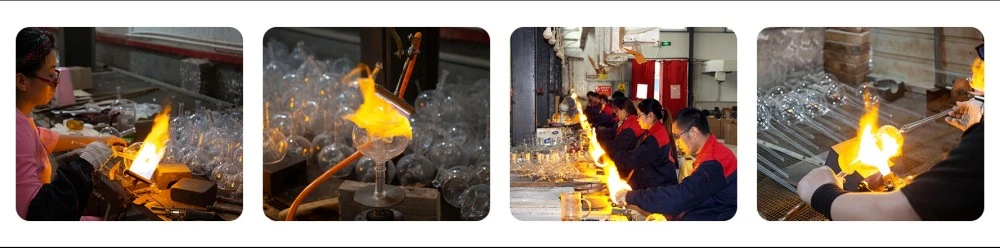
Types and Materials of Whiskey Glass Bottles: A Dimensional Analysis Approach
The changes in whiskey packages show how customer tastes and technology have changed over time. Knowing about these differences helps buying teams match bottle specs to the needs of the target market and the business. This dimensional analysis approach ensures every Whisky Glass Bottle meets strict functional and aesthetic requirements.
Traditional vs. Modern Bottle Architectures
Classic whiskey bottles are based on the forms of old distilleries. They have smooth shoulders, long necks, and deep punts (the depression at the base of the bottle). People who value custom will like these traditional styles because they show that the craft is real and that it has been around for a long time. Modern versions add angular shapes, uneven profiles, and simple designs that appeal to younger people who are looking for modern brand names.
The choice between traditional and new forms isn't just about how they look. Standard labels and closure sizes can often fit on bottles with traditional forms, which makes supply chain integration easier. Modern custom shapes may need special molds and unique closing solutions, which can raise the initial cost of the tools but set them apart in crowded market segments. Both ways can work, but it depends on how you want to place your brand and which retail sites you want to reach.
Material Comparison: Crystal, Glass, and Composites
Standard soda-lime glass is still the workhorse of the drinks business because it offers good clarity at a low cost for mass production. This mix is good for brands that compete mainly on price or that need to make a lot of products and the cost per unit is what drives buying choices. The material works well in most storage situations and can be decorated in normal ways, such as by screen printing or labeling.
Even though lead crystal is very heavy and very bright, it is not as popular as it used to be because of health and safety issues. Modern crystal replacements that don't contain lead have similar optical qualities without any safety issues. This means that they can be used for ultra-premium limited versions where the stunning visual effect supports the higher prices. These materials beautifully bend light, making rainbow effects that make items stand out more under store lighting.
When it comes to technical ability, borosilicate glass is the best in its class. The original purpose of this material was to be used in the lab. It is better at resisting temperature shock and chemical reactions than regular glass. Borosilicate's performance qualities make it worth the small price premium for distilleries that care about long-term liquid stability, especially those that age spirits in bottles or deal with extreme temperature changes in their transportation networks. The material can be decorated using normal methods and fits right into current production processes.
Capacity Variations and Their Strategic Implications
Choosing the right bottle size affects many practical and marketing factors. Standard sizes include 100ml samples that are great for flight service and tasting programs, 250ml half-bottles that are both portable and useful, 500ml sizes that are popular in duty-free shops, and the 750ml standard that is found everywhere. Each ability is used for a different group of people and at a different time.
Miniature versions work great for promotions because they let people try high-quality goods without having to buy the whole bottle. They need special tools to be filled, but sample conversion gives a good return on marketing investment. Travelers and casual shoppers who want quality but don't want to commit to or pay for standard bottles like 500ml bottles. The 750ml format is still the standard in the business because it strikes the best mix between how quickly it can be made, how cheaply it can be shipped, and how much people think it's worth. Larger sizes, like 1-liter bottles, are better for certain areas and on-premise accounts where the cost of pouring is more important than the look of the package.
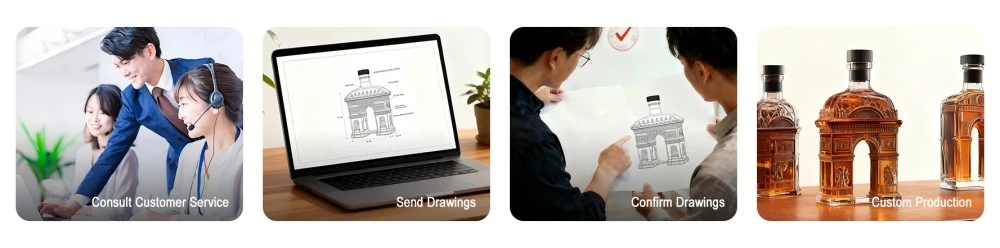
How to Choose the Right Whiskey Glass Bottle for Your Business?
When the spirits packaging industry makes decisions about what to buy, they need to use structured review systems that balance a lot of different goals. The F-1 criteria screening method gives these tough choices some structure by putting factors in order of how they affect business results. Selecting a high-quality Whisky Glass Bottle remains the cornerstone of this process.
Analyzing Your Procurement Context
The buying situation has a big impact on how bottles are chosen. OEMs that make private-label spirits for a number of different clients need flexible bottle designs that can be used with a range of branding strategies without the need to buy new tools. These processes focus on standard sizes, suitability with a wide range of closures, and the ability to decorate in different ways. When buying in bulk for well-known brands, it's important to make sure that the supply is reliable and consistent. Sticking to exact specs across multiple production runs keeps things looking the same on store shelves and stops expensive packing mismatches.
Customized supply lines that serve the premium and upscale markets have to follow different rules. These buyers want unique bottle shapes that physically show how their brand is different. They are willing to pay more per unit and wait longer for delivery in exchange for package uniqueness. Instead of just being a cost of production, custom mold creation is an investment in your brand's intellectual property and personality. The customer and supplier's relationship turns into a design partnership that needs close technical cooperation and a shared commitment to quality standards.
Core Selection Criteria for B2B Buyers
The main choice point is the makeup of the material, which affects everything that comes after. Choosing between borosilicate and regular glass changes how well it handles heat, how often it breaks, and how good it looks. Capacity selection comes next, and is based on what the target market wants and what the medium needs. Shipping costs and perceived worth are balanced by bottle weight. Heavier bottles show that they are more expensive, but they also have a bigger carbon footprint and cost more to ship.
Aesthetics in design need to be carefully aligned with business strategy. Embossed logos and rough surfaces make brand experiences more physical and help stop copying, but they make molds more complicated and production costs higher. Surface treatments like gloss, color finishing, or metallization make things stand out, but they also add steps to the manufacturing process and could make quality control harder. Closure systems have to find a balance between how easy they are to open and how well they can reseal and show that they have not been tampered with. There are many options, from cork and T-top closures to plastic alternatives and screw caps.
Pricing for business-to-business glass purchases are based on how long it takes to amortize tools, how much is being made, and how complicated the customization is. Standard catalog bottles that are in stock are easy to get and have the lowest cost per unit, but they don't make the product stand out in any way. Using unique decorations on standard bottle forms in semi-custom methods gives small differences at a moderate cost and wait time. Fully customized bottles made with unique molds cost more, but they give you a long-term competitive edge by being the only ones who can make that kind of packing. Instead of just looking at prices per unit, the economic study needs to look at the total cost of ownership over the predicted production volumes.
Supplier Evaluation and Benchmarking
Setting guidelines for evaluating suppliers stops expensive mismatches between what is expected and what is possible. You can tell if a provider can meet your number needs and growth plans by looking at their manufacturing capacity and production scalability. A partner that makes three million bottles a year for long-term clients shows managerial growth and financial stability that smaller businesses can't match. Technical skills in mold creation and custom glass formulation are what set strategic partners apart from stock providers and make it possible for brands to see their idea come to life.
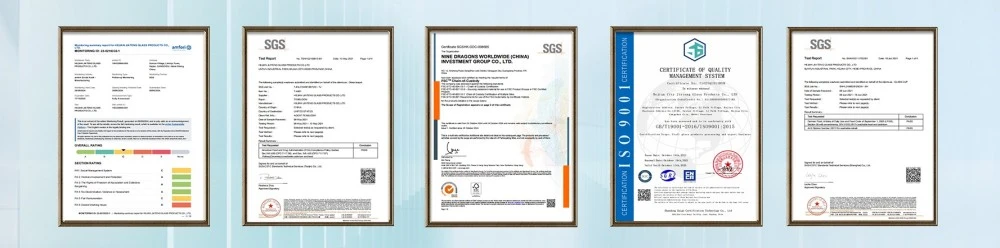
Quality control systems and testing methods make sure that specifications are followed and that consistent results are produced. Suppliers should show that they can do visual screening, mechanical strength testing, and checking for errors in measurements. Being close to filling activities cuts down on transportation costs and wait times, but this must be weighed against technical skills and the total cost of landing. Communication tools and English language skills are very important when working on complicated special projects with people from different time zones and cultures.
Track records with similar clients are the best way to guess how well someone will do in the future. A supplier that has been making glasses for 30 years and works with well-known Chinese liquor names like Xifeng and Wuliangye has a track record of being able to handle large amounts of work, keep quality high, and keep the supply chain running smoothly. This organizational experience shows survivor bias—companies that have been around for decades have learned the technical, financial, and relationship management skills needed for long-term partnerships to work.
Maintaining and Storing Whiskey Glass Bottles for Long-Term Value
Lifecycle management makes expensive glass packing more valuable after the initial buy. The right way to handle, store, and maintain each Whisky Glass Bottle protects investments and makes sure they get to filling operations and customers in perfect shape.
Storage Environment Optimization
Glass is very chemically stable, but it can still break under high conditions and mechanical stress. Keep the temperature in the warehouse between 50°F and 75°F so that thermal stress cycling doesn't happen, which can weaken the structure of glass over time. Controlling humidity keeps labels from wearing off and cuts down on condensation that could make bottles less clean before they are filled. UV light can change the color and taste compounds in liquids, so empty bottles aren't at much risk. However, bottles that hold spirits should be kept away from UV light while they are being stored.
Stacking methods need to pay attention to how the weight is distributed and where the contacts are. When you store things on pallets with the right tier sheets and corner boards, you avoid pressure points that could break the bottom tier. Maximum stack heights should follow the manufacturer's instructions and local safety rules. Depending on the shape of the bottles and the thickness of the glass, these heights are usually between 4 and 6 box layers. Proper packing not only keeps things from getting damaged, but it also makes the best use of building space, which lowers the cost of storage.
Cleaning and Handling Best Practices
Cleaning before filling gets rid of production leftovers, dust, and other possible contaminants that could change the quality of the liquid or the clarity of the image. At a large scale, automated bottle rinsing devices that use filtered water or compressed air give uniform results. Care should be taken when choosing chemical cleaners so that they don't leave behind leftovers that could react with the chemistry of spirits. Rinsing bottles with deionized water and then drying them with hot air gets rid of any unwanted compounds.
Breakages happen less often during inspection, painting, and filling activities when workers are trained in manual handling. Workers should know where to hold on, how to lift, and how to move things from one place to another. Automated handling systems reduce the need for human interaction, but they need to be serviced regularly to avoid scratches or hits caused by the conveyor belt. Impact-resistant packaging materials guard against the mechanical shocks that happen during internal transfers and outward shipping.
Total Cost of Ownership Calculations
When buying something, choices that are only based on the original purchase price often miss important costs and value drivers that happen later on. Breakage rates during production, packing, and shipping have a direct effect on the total cost per unit that can be sold. Premium glass with better mechanical strength may cost 10-15% more up front, but it will save you money in the long run because it will cost less to repair and throw away.
The effects of how people see a brand go beyond instant cash metrics. Quality of packaging affects how much people are willing to pay, how likely they are to buy again, and how much they promote a brand. Spirits brands get higher prices in part because the package shows that the brand is real and of high quality. Brand equity is actually stored in the bottle. A better container protects and reflects the value of what's inside, so good packaging is an investment in building the brand rather than just an operational cost.
Conclusion
When choosing the right Whisky Glass Bottle, you have to weigh your aesthetic preferences against the facts of production, logistics, and market positioning. When you mix the right bottle with the right material, design, and production, you get packaging that keeps the quality of the liquid inside and projects your brand's image. B2B procurement professionals can make choices that meet both short-term operational needs and long-term brand building goals by carefully looking at material options, capacity needs, provider capabilities, and market trends.
When both the brand and the glass provider pledge to quality, customization, and constant innovation, the partnership turns into a strategic union instead of a transactional one. As the spirits market continues to split into different price ranges and customer groups, flexible packing and quick responses from suppliers become just as important as the liquid itself as ways to stay ahead of the competition.
FAQ
What is the difference between whiskey glasses and whiskey glass bottles?
Whiskey glasses are drinking cups made to serve and enjoy spirits. They include tumblers, Glencairns, and nosing glasses that make tasting better. Whisky Glass Bottles are used to store the liquid while it's being shipped and displayed in stores. They protect the liquid and help with marketing. When buying from businesses, bottles are usually more important than glasses, but some sellers offer both.
How can I identify high-quality whiskey glass bottles?
The first step in judging quality is looking at the materials. High-end bottles are made of super flint or borosilicate glass, which is very clear and doesn't change the color much. The thickness of the walls should be the same all the way through the bottle. This shows that the mold was made correctly and that the glass was spread out evenly during the making process. The base should be flat and not wobble, and the finish (the hole at the top) should have clean, smooth edges that aren't chipped or rough.
What minimum order quantities should I expect for custom bottles?
Standard catalog bottles that can be ordered from stock usually have low minimum orders, sometimes as few as a few hundred units. This means that small brands can get good packaging without having to make huge promises. Custom bottles that need special molds have much higher minimum orders—usually 10,000 to 50,000 units for the first order—to justify the cost of the tools. However, suppliers who already have a large collection of molds may be able to offer semi-custom solutions with lower minimum orders by decorating existing bottle shapes in a way that is unique.
What lead times are typical for custom whiskey bottle orders?
Parts of the lead time are designing and making the mold, making samples and getting permission, and then doing the final production runs. Mold growth takes between 4 and 8 weeks, based on how complicated it is. Sample bottles are then made for another 1 to 2 weeks. Once the sample is approved, production wait times depend on the number of orders and the factory's ability. For moderate quantities, they usually range from 3 to 6 weeks. Usually, it takes 12 to 16 weeks from the first drawing to delivery of fully customized bottles.
Partner with Jiateng: Your Trusted Whisky Glass Bottle Manufacturer
Hejian Jiateng Glass Products Co., Ltd. turns ideas for packing into Whisky Glass Bottles that are ready to go on the market. These bottles will help your brand stand out and keep the integrity of the drink safe. Our three-generation family business has been perfecting the art and science of making personalized glass bottles since 1992. Each year, they make about 3 million bottles for high-profile clients like Xifeng Wine and Wuliangye.
Our skilled engineering team and 15 years of experience in foreign trade help us offer a wide range of services, from the initial design consultation to the final delivery. We can make solutions that are exactly what you want. These include custom color applications, exclusive mold development, borosilicate glass formulation, thermal transfer painting, and sizes ranging from 100ml to 750ml. No matter how many units you need—10,000 or 500,000—our Cangzhou plant always provides high-quality products that are backed by strict testing procedures and safe, high-quality packaging. Contact our team at lhd513@jtblzp.com.
References
1. Parviainen, H., & Anderson, T. (2019). Glass Packaging Materials in the Spirits Industry: Properties, Manufacturing, and Quality Standards. Journal of Beverage Technology, 34(2), 145-167.
2. Chen, L., & Martinez, R. (2020). B2B Procurement Strategies for Customized Glass Packaging: A Decision Framework for Alcoholic Beverage Brands. International Journal of Supply Chain Management, 28(4), 89-112.
3. O'Connor, M. (2018). The Evolution of Whiskey Bottle Design: Historical Context and Modern Innovations. Spirits Industry Quarterly, 12(3), 201-223.
4. Yamamoto, K., & Fischer, D. (2021). Material Science in Glass Container Manufacturing: Borosilicate vs. Soda-Lime Glass for Spirit Applications. Packaging Technology Review, 45(1), 34-58.
5. Thompson, S. J. (2020). Sustainability in Glass Packaging: Lifecycle Analysis and Environmental Impact Reduction Strategies. Environmental Packaging Journal, 17(2), 78-95.
6. Rodriguez, A., & Zhang, W. (2022). Brand Differentiation Through Premium Packaging: Case Studies from the Global Spirits Market. Marketing in the Beverage Industry, 31(1), 112-134.