



What type of glass is best for whiskey?
When distillers, brand managers, and packaging procurement experts are looking for the best container for expensive spirits, they need to know what kind of glass is best for whiskey. A Glass Bottle To Store Whiskey Must Be Chemically Inert, Non-Porous, and Designed To Keep The Spirit's Organoleptic Profile Over Extended Periods. Unlike other materials that might add tastes or chemical interactions that you don't want, properly made glass bottles—especially those made from borosilicate or soda-lime formulations—keep the whiskey's intended richness and stop oxidation and UV degradation. Because of this, glass is the only material that can be used by brands that are serious about quality. This makes sure that every bottle gives the exact experience the brewer intended, whether it's on a store shelf or in a private collection for decades.
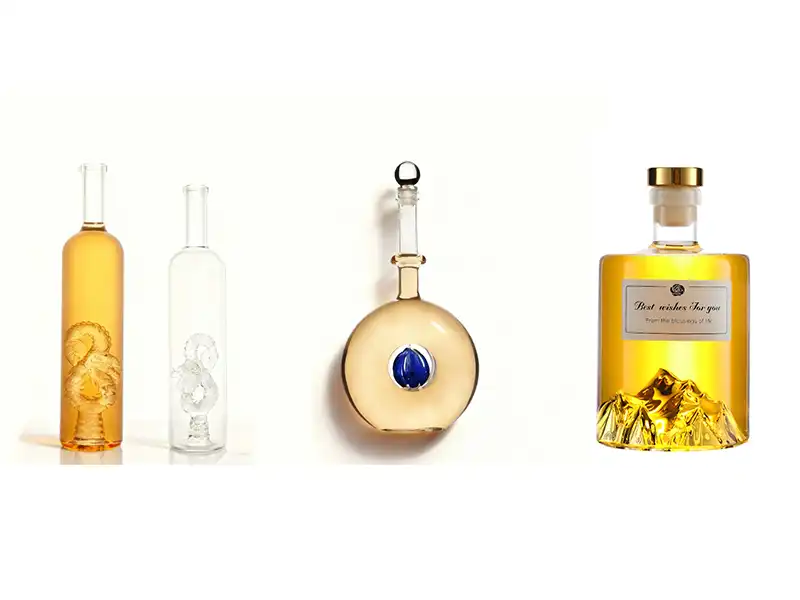
Understanding the Importance of Glass Type in Whiskey Storage
Material science is the basis for storing whiskey in the best way possible. Because it is chemically stable and doesn't let anything through, glass is the best way to store things. Glass has been the standard for hundreds of years for a number of important reasons that have an immediate effect on both the quality of the product and the image of the brand.
Why Glass Outperforms Alternative Materials?
Glass is perfect for storing booze for a long time because of the way its molecules are made. Plastics contain phthalates and other plasticizers that can get into high-proof drinks. Glass, on the other hand, is chemically neutral. This inertness keeps the carefully controlled congeners, esters, and phenolic chemicals in the whiskey from getting messed up by outside sources.
While stainless steel cases are strong, they aren't clear, so customers can't see the color and clarity of the whiskey, which are important marketing features for high-end goods. Plastic options are even more difficult because ethanol's solvent qualities can slowly remove compounds from polymer structures, bringing off-flavors that ruin the spirit's quality. We've seen this happen many times during quality control tests: whiskey that were kept in plastic for even short amounts of time changed in a way that could be detected.
The Science Behind Glass Preservation
The chemical structure of glass makes it impossible for oxygen to get in. Oxygen is the main thing that breaks down whiskey after it's been bottled. Once it's closed, a properly made glass bottle stops the "Angel's Share" effect that happens in barrel aging, where the liquid continues to change due to evaporation and oxidation. This steadiness is especially important for procurement managers who are looking for bottles for limited versions or archival goods that will be kept for many generations.
Borosilicate glass, which is what we use to make whiskey bottles, is better at withstanding temperature shock than regular soda-lime glass. This trait is very important for thermal transfer printing and for sending bottles across foreign borders, where the temperature can change quickly. Because the material doesn't expand or contract much when it gets hot or cold, bottles stay together in a wide range of climates. This means that fewer bottles break during shipping, which saves a lot of money for sales of 10,000 to 500,000 units.
Addressing Common Misconceptions About Glass Storage
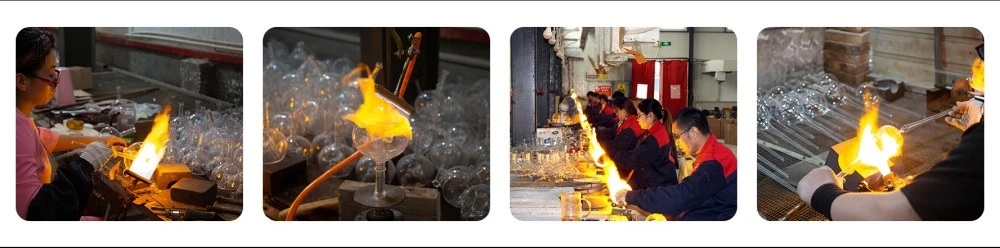
Many newcomers wonder whether a Glass Bottle To Store Whiskey has any effect on how long the whiskey takes to age. The truth is simple: whiskey stops maturing as soon as it leaves the barrel and goes into a bottle. Glass doesn't "age" whiskey; it keeps it in the exact state of maturity that it reached in the barrel. Because it can keep flavors fresh, glass is the best material for recording and keeping a distillery's desired taste profile.
Another myth is that the weight of the glass and its quality are related. While bigger bottles are often seen as more expensive, the quality of the function relies more on the type of glass used, how uniform it is, and how well it protects against UV light than on its weight. We've designed bottles with sizes ranging from 100ml to 750ml that are both aesthetically pleasing and cost-effective for shipping. This way, brand presentation doesn't have to sacrifice the ease of logistics.
Key Criteria for Choosing the Best Glass Bottle for Whiskey
Finding the right glass bottle means combining a lot of technical requirements with the needs of your brand. Professionals in procurement have to look at a number of linked factors that affect how well a bottle works from the production line to the customer's home.
Glass Composition: Borosilicate vs. Soda-Lime
The choice between borosilicate and soda-lime glass has a big impact on how well bottles work. We use borosilicate glass to make whiskey bottles because it has boron trioxide in it, which makes it very resistant to chemical weathering and heat stress. This mix is especially helpful for brands that want to use bold decoration methods like thermal transfer printing, where changes in temperature could damage less durable glass formulas.
When it comes to large production runs, soda-lime glass is cheaper, but it works well enough for most uses. Because the material is clear to the naked eye, it can be used to make clear bottles that show off the natural color of the whiskey. Both formulations are still totally lead-free, which addresses consumer health worries while keeping the crystal decanters' traditional good looks.
Based on the needs of the project, our expert team can help brand managers choose the right makeup. When customers ask for custom embossing or complicated bottle forms, we look at how the flow features of the glass during molding will affect the consistency of the wall thickness. This is a very important step to take to make sure there aren't any weak spots that could break during filling line pressures or shipping stresses.
UV Protection and Color Considerations
Light is one of the worst things that can happen to whiskey after it's been bottled. Ultraviolet radiation starts photochemical reactions that break down organic compounds, which fades colors and makes flavors worse. This is what the industry calls "lightstruck." Because of this concern, we've created customizable color spray painting options that do more than just look good.
Amber and dark green glass types block dangerous UV wavelengths while still being clear enough for brand recall. We have tried out different tint densities to find the best mix between security and visual marketing needs. Clear glass is still popular for high-end whiskeys, where the natural color of the whiskey shows how old and good it is. However, when storing these bottles and using them for other things, you should be very careful.
Because we offer a lot of customization options, brand managers can use RAL or Pantone references to give exact color specs. This way, bottle colors will match perfectly with overall brand color schemes. This care for detail helps make a consistent shelf appearance that makes it easier for customers to recognize in stores with a lot of other products on display.
Bottle Size, Shape, and Sealing Mechanisms
Capacity decision is more than just thinking about amount. Over time, oxidation rates are affected by the ratio of liquid volume to air. This is especially true for bottles that are only partly full after being opened. Our normal capacity range includes 100ml, 250ml, 500ml, and 750ml. These sizes are designed to keep the best liquid-to-air ratios for a wide range of market groups, from airplane miniatures to standard store items.
The shape of the bottle affects both how well it works and how the business is positioned. Square bottles take up less space on the shelf, while traditional round shapes make them look more traditional and handcrafted. We've made mold libraries with dozens of base designs that can be used as starting points for custom changes. This cuts down on the time it takes to develop products for procurement managers who are working to meet tight launch dates.
Sealing devices are the last line of defense against quality loss. Our glass bottles can have 21.5mm cork tops, synthetic seals, or screw caps, based on what the customer wants and what the target market expects. Cork seals are a sign of custom and high quality, but the material must be carefully chosen so that high-proof spirits don't taint or break down the cork. Screw caps are better at blocking air and getting rid of problems that come with cork, but some places think of them as less high-class. We work with our clients to find closing methods that fit with their brand's image and provide reliable preservation performance.
Comparison of Glass Bottles with Alternative Storage Solutions
Knowing how well glass bottles work compared to other storage choices helps buying teams make decisions based on facts that take into account the needs of all stakeholders, from protecting the environment to making sure that production runs smoothly.
Glass Bottles vs. Decanters
Decanters and storage boxes look a lot alike, but they are used for different things. Decorative decanters look great when they are being served because they often have intricate cuts and patterns that make them look better. These containers don't usually have the airtight locks that are needed for long-term keeping, so they can't be used for that.
Glass bottles made for storage put useful closing ahead of decorative features. However, our customization options let clients add decorative features without affecting the bottles' ability to preserve food. The main difference is how long the bottles are meant to be used for: decanters hold drinks that will be drunk within days or weeks, while good storage bottles keep their quality for years or decades. When a brand releases a limited edition item that is meant to be collected, the bottles should be made so that they can last a long time and not just be displayed for a short time.
Chemical Inertness and Flavor Preservation
A Glass Bottle To Store Whiskey is completely chemically neutral, ensuring that the flavors remain unchanged. No other material provides this level of purity and protection for the spirit.
The differences between glass and other objects are clear as day when we test them side by side. When whiskey is stored for a long time in stainless steel, it often picks up minor metallic notes. On the other hand, plastic containers add chemicals made from petroleum that dilute the spirit's depth.
This inertness is especially useful for high-proof drinks with an alcohol content above 50% ABV, because alcohol's solvent qualities aggressively remove chemicals from reactive materials. We know of cases where expensive single malts (hundreds of dollars per bottle) were ruined forever because the wrong container was used. These were expensive lessons that show how important it is to specify the right materials when planning a purchase.
Sustainability and Environmental Considerations
Glass has special environmental benefits that are in line with what people expect today when it comes to sustainability. Unlike single-use plastics, glass bottles can be recycled over and over again without losing any of their quality. We've seen procurement leaders put more weight on environmental qualities, especially those who serve markets in Europe and North America where customers value sustainable packaging more and more.
The energy-efficient burner technologies and recovered cullet integration at our factory in Cangzhou, Hebei, have made bottle production less harmful to the environment. With these changes, brand partners can talk about real promises to sustainability instead of greenwashing claims. Because glass is durable, it can also be used again and again. For example, empty whiskey bottles are often used as decorations, art supplies, or storage cases, which means the material can be used for longer than just packaging.
Procurement Guide for B2B Clients: Where and How to Source the Best Glass Bottles?
When you use the right sourcing strategy, buying glass bottles stops being a one-time thing and turns into a long-term relationship that helps your brand grow and your operations run smoothly.
Evaluating Supplier Capabilities and Track Record
A full review of the supplier's abilities is the first step in choosing one. Manufacturing experience is directly linked to quality consistency. Our 30 years of experience making glasses, which includes working with well-known names like Xifeng Wine and Wuliangye since 2008, shows that we have the technical skill needed to meet strict requirements. Purchasing managers should compare the production ability of suppliers to the number of orders to make sure companies can handle initial runs while also being able to expand for future needs.
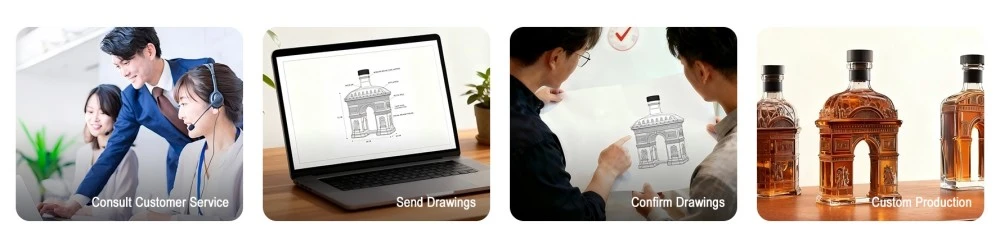
The technical skills go beyond simple making. Because we offer in-house mold creation, 3D modeling, and decoration services, project timelines are shortened because we don't have to coordinate with different providers. We have a professional engineering team that works with clients from the first sketches of an idea to the final delivery. This gives clients a single point of responsibility for the project, which makes it easier for busy buying departments to handle.
Experience with international trade is also very important. Because we've been dealing with export rules, customs procedures, and cross-border operations for 15 years, we can make sure that packages arrive on time and without any problems. Suppliers who work with global markets know what paperwork is needed, how to get quality certifications, and how to talk to each other in a way that makes working together across time zones and cultures easy.
Customization Options and Brand Differentiation
Generic bottle designs don't usually work with premium brand branding. When you can choose from different shapes, colors, and finishes, you can turn packing from plain packages into brand assets that make people choose one brand over another. The first step in our customization process is for procurement teams to share parts of their vision, which are then turned into written specs by our technical designers.
Advanced decorating tools give you more ways to be artistic. Thermal transfer printing makes detailed, full-color images that are on par with label quality and last longer. Frosting, hot pressing, and laser cutting make things more interesting to look at and touch, which helps them stand out on store shelves that are already full of things. We've come up with ways to directly include scenery photos, architectural sites, and cultural symbols in bottle designs. This lets us make packaging that tells stories about brands and connects with customers on an emotional level.
Mold development is the most expensive part of custom bottle projects, and the cost depends on how complicated the process is. We offer a range of flexible casting options, from sample molds to full production mold sets. This way, brands can test designs with real prototypes before committing to full-scale production. This way of reducing risk works especially well for new products whose reactions in the market are still unknown.
Negotiating Terms for Bulk Orders
The amount of an order has a big effect on the costs of each unit. Our usual client needs—single orders of 10,000 to 500,000 pieces and yearly needs of more than 3 million bottles—achieve economies of scale that make investments in customization possible. When purchasing things, buyers should set up their first orders in a way that balances the costs of keeping goods with the best prices per unit. They might even have to commit to annual sales goals in exchange for better prices.
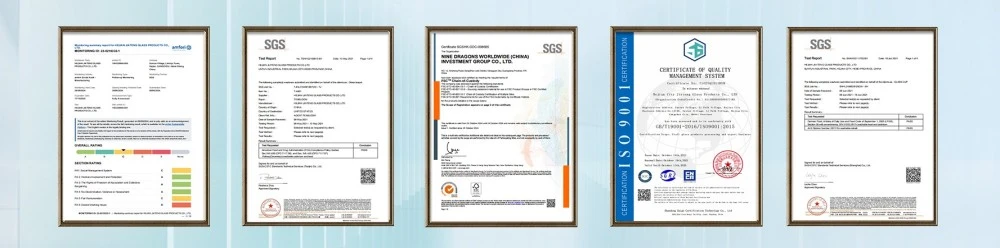
Terms of payment and guarantees of quality need to be carefully negotiated. We treat investments in design and tooling as different line items because we know that making a unique mold has long-term value that goes beyond a single production run. Our quality standards include checking the work as it's being done and doing a final check before sending it out. There is a lot of paperwork that goes with these steps that meets both our internal quality assurance needs and the needs of regulators.
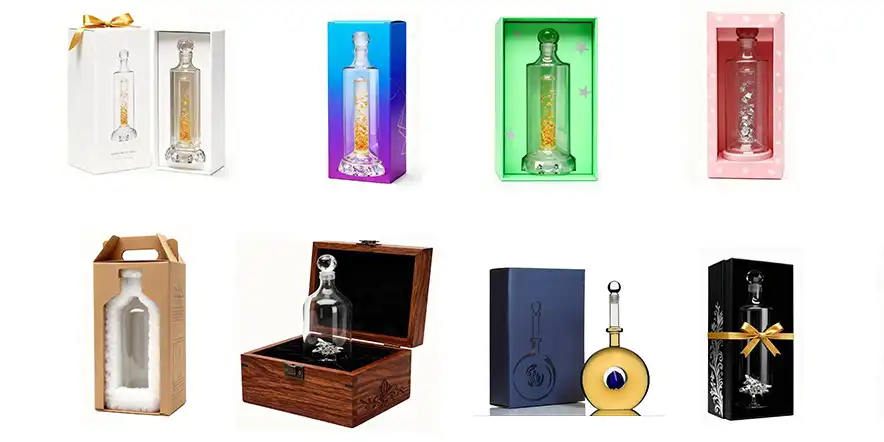
Total landing costs are affected by logistics plans just as much as unit prices. Our high-quality packing methods, such as compartmentalized boxes, corner protection, and moisture barriers, keep items from breaking during foreign shipping as much as possible. Procurement teams should use shipping damage rates as a key measure of how well a supplier is doing, since replacement costs and delivery delays caused by bad packing quickly cancel out any price benefits that might be there.
Best Practices: Maintaining and Handling Glass Bottles for Whiskey
Proper handling procedures throughout the supply chain protect both the product’s quality and the integrity of the packaging, ensuring that investments in high-quality Glass Bottle To Store Whiskey cases remain safe and intact.
Cleaning and Preparation Protocols
Before they can be filled, new glass bottles need to be cleaned very well to get rid of manufacturing leftovers and dust. Automated washing systems are used in our production processes, but extra cleanliness at the filling stations gives us extra peace of mind. Before putting valuable spirits into containers, managers of the filling line should set up screening procedures that look for glass pieces, dust, or other contamination.
To keep flavors from transferring, bottles that are used for "infinity bottle" projects or refilling must be cleaned very well. Heavy-peated whiskies leave behind phenolic chemicals that don't go away with normal cleaning. We suggest hot water rinses followed by neutral spirit flushes for bottles that have strong taste profiles that have been used before. This way, the new contents will not be affected by the leftover characteristics.
Storage Environment Optimization
Stable temperature protects both the quality of the whiskey and the structure of the glass. Extreme changes in temperature can put stress on bottle structures, especially around the neck ends where changes in thickness can make failure places. Temperatures in storage facilities should stay steady between 55°F and 70°F. Items shouldn't be kept near heating equipment or in uninsulated areas that can get very cold or very warm during certain times of the year.
Managing light is also very important. Even bottles with colors that protect against UV light do better when stored in the dark or in extra packaging that keeps light from getting to them. We tell our clients to keep their bottles straight instead of horizontally, which goes against the usual way of storing wine, because high-proof spirits can damage the cork over time, which could lead to leaks.
Inspection and Quality Assurance
Inspections done on a regular basis find possible problems before they get worse and cost a lot to fix. The people who work at the distribution center should check arriving packages for damage from shipping. They should look at the corners of the pallets, which are where most of the contact forces are felt. Our package designs can handle the normal stresses of shipping, but sometimes heavy handling causes one-off breaks that screening procedures can find and separate.
During bottle integrity checks, important stress points like neck ends, etched details, and base configurations should be looked at. Even if hairline cracks don't break right away, they can get bigger when filling line pressures rise or when temperatures change. For quality control staff to use during checks, we give them technical specs that spell out the acceptable ranges for changes in wall thickness, base stability, and consistency in dimensions.
Documentation systems that keep track of lot numbers, output dates, and information about suppliers make it possible to respond quickly to quality issues. When problems happen, this traceability lets you quickly find the affected items without having to do mass refunds that slow down distribution networks and hurt brands' names.
Conclusion
To choose the best Glass Bottle To Store Whiskey, you need to carefully consider the qualities of the material, the supplier's skills, and the needs for long-term preservation. Chemical inertness, UV protection, and long-term durability are some of the best qualities that glass, especially borosilicate versions, can offer. We've talked about how procurement workers can make sense of complicated decision trees that include choosing the right makeup, the ability to customize, and building partnerships with suppliers that help brands stand out in competitive markets. Brands make sure their premium drinks get to customers in perfect condition by following the right handling and storage rules. This upholds the quality standards that support the premium placement and build long-term customer trust.
FAQ
Can Glass Bottles Support Long-Term Whiskey Archiving?
If you store whiskey in properly made glass bottles, the quality will last forever. The material's impermeability stops oxygen from getting in, which would cause oxidation, and its chemical inertness stops taste compounds from getting into the spirit. Because bottles that stay sealed in controlled settings keep their contents for generations, glass is the only material that can be used for archival whiskey collections or distillery reference books.
What Glass Features Optimize Whiskey Aging After Bottling?
Once whiskey goes into the bottle, it stops maturing because glass protects spirits instead of aging them. The best ways to keep things fresh are with airtight seals, UV-blocking colors or dark secondary packaging, and thick bases that keep things stable while they're being stored. Wall thickness consistency stops stress clusters that could weaken the structure over many years of storage.
How Do Customized Bottles Affect Bulk Order Costs?
Creating a custom bottle requires an initial investment in a mold that can range anywhere from a few thousand dollars to tens of thousands of dollars, based on how complicated the design is. When you need more than a million units a year, these costs become almost nothing because they are spread out over many orders. We set our prices to reward customers who commit to buying a lot. Once an order hits 100,000 pieces, the cost per unit goes down by a lot.
Are There Minimum Order Quantities for Custom Designs?
For mold creation costs to be worth it, custom projects usually need at least 10,000 to 50,000 pieces. We can make smaller amounts of samples using 3D-printed prototypes or changes to an existing mold to test ideas before committing to full production. This method is flexible, so brands can test how the market reacts with little inventory exposure while still having choices for making more once it's clear that the product will sell well.
How Does Glass Compare to Crystal for Premium Positioning?
When it comes to sound and light, traditional lead crystal has better qualities that give it a unique look and sound. Due to the chance of lead leaching during long-term keeping, crystal is not a good choice for lasting whiskey containers, even though it looks nice. Modern super flint glass is just as clear as old-fashioned flint glass, but it doesn't pose any health risks. This means that expensive brands can specify brilliant, crystal-like clarity through lead-free formulas.
What Decoration Options Best Resist Handling Damage?
We are experts at thermal transfer printing, which makes pictures that become part of glass surfaces instead of just sitting on top of them like signs or painted finishes do. This method provides better resistance to wear and tear during marketing and customer treatment. Embossing and etching make design elements that won't wear away, but they make the tools more complicated to use. We help our clients choose decoration methods that work with the way their products will be sold.
Partner with Jiateng for Your Custom Whiskey Bottle Solutions
This is something we at Jiateng know: great whiskey deserves great wrapping. We have been making glasses for 30 years and have relationships with well-known brands like Xifeng Wine and Wuliangye. This makes us your reliable Glass Bottle To Store Whiskey source for difficult customization projects. We offer full solutions, from the first ideas for designs to the final delivery. Our services include borosilicate glass construction, thermal transfer decoration, and a range of size choices from 100ml to 750ml. We ship to more than 50 countries from our plant in Hebei, Cangzhou.
We have a skilled international trade team with 15 years of experience working across borders to help us. We invite you to look into how our engineering skills and customization options can improve the way your brand is presented, whether you're putting out limited runs that need special embossing or long-term supply partnerships for yearly needs of several million units. You can email our team at lhd513@jtblzp.com to talk about your specific needs and ask for samples that show how committed we are to quality work.
References
1. Whiskey Science: A Condensed Distillation, by Gregory H. Miller, published by Springer International Publishing, 2019.
2. Glass Container Manufacturing: Technology and Standards, by Edwin J. Franklin and Kenneth R. Martin, Society of Glass Technology, 2017.
3. Packaging Design for Alcoholic Beverages: Materials, Innovation, and Sustainability, edited by Sarah Thompson, Packaging Technology and Science Journal, Volume 34, Issue 6, 2021.
4. The Chemistry of Whiskey Maturation and Preservation, by David R. Wilson and Patrick J. O'Connor, Journal of Agricultural and Food Chemistry, Volume 68, 2020.
5. Industrial Glass Manufacturing Processes and Quality Control, by Heinrich Scholze, translated by Michael Lakin, Cambridge University Press, 2018.
6. Sustainable Packaging Solutions in the Spirits Industry: Environmental Impact and Consumer Perceptions, by Laura Bennett, International Journal of Sustainable Development, Volume 23, Number 3, 2022.