



Frosted vs Clear Alcohol Bottles: Which Is Better?
Whether you choose frosted or clear alcohol bottles relies on how you want to place your brand, the features of your product, and what your target market expects. Clear bottles show how clear and pure the liquid is, which is important for vodka, gin, and white spirits. Frosted bottles, on the other hand, show luxury, exclusivity, and premium positioning, which is great for whiskey, craft spirits, and limited versions. Both choices have their own benefits when it comes to UV protection, marking options, and how customers see the product. The best choice fits your brand's image, your needs for long-term storage, and your budget, taking into account things like customization options, minimum order amounts, and long-term relationships with suppliers.
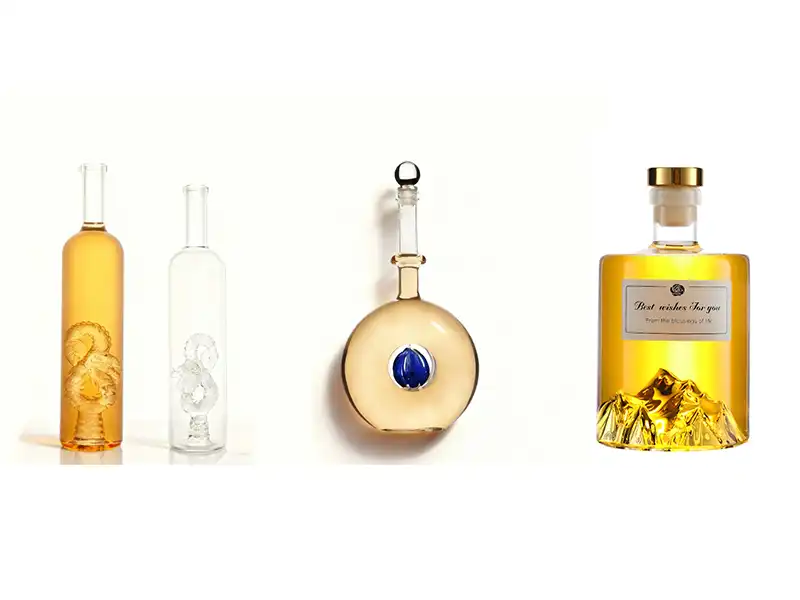
Understanding Frosted and Clear Alcohol Bottles
Whether you use frosted or clear glass for your package has a big impact on how people think of your drinks brand. We've seen how these two finishes meet different market needs and image goals by working with more than 50 countries and making millions of unique bottles every year.
Manufacturing Processes and Material Standards
To make clear glass, formulas for high-purity silica with little iron are needed. This makes the glass clear enough to meet Super Flint or Extra Flint standards. Strict quality controls are used during the making process to get rid of any bubbles, streaks, or color contamination that might make the product less clear. This level of clarity is necessary for spirits, where buyers decide right away whether to buy a bottle based on how pure the drink looks.
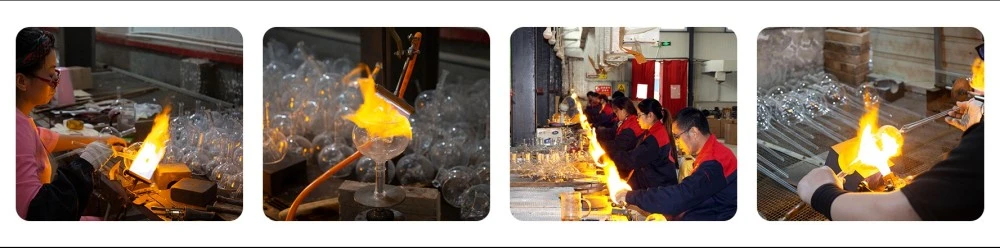
For frosted finishes, the surface needs to be treated more after the glass is formed. Acid etching uses chemical solutions to make the surface smoother and more consistent, while sandblasting uses high-pressure abrasive bits to make flat surfaces that are all the same. These methods only change the surface features of borosilicate glass or soda-lime mixtures; they don't affect their internal stability. Depending on the needs of the brand, frosting can have a range of depths, from light smooth effects to deep, opaque finishes.
Historical Context and Market Evolution
Over the years, customer tastes and new technology have caused the spirits business to change how they package their products. Early markets were ruled by clear bottles because they were cheaper to make and people wanted to see that the product was good. Later, premium brands started using frosted finishes to set limited editions apart and show that they were more expensive.
Today, both styles are popular in different types of markets. Vodka makers like to use bottles that are very clear to show off how pure the vodka is and how good the ingredients are. More and more, whiskey brands are using frosted glass to bring to mind old-fashioned workmanship and history. Depending on whether they want to show off the unique colors of the liquid or make a mysterious, high-end presentation, craft distillers try both styles.
Application Across Beverage Categories
Different types of spirits naturally go with different bottle styles because of how the products are made and what customers expect. Almost all vodka brands choose clear glass because it shows right away that the triple distillation and filtering processes that make this type of alcohol good are happening. People expect to be able to see through to the drink and check its cleanliness and clarity at the point of sale.
The people who make whiskey and bourbon have more options. Clear bottles are best for younger, lighter-colored spirits, while amber colors show that the spirit has been aged in barrels. Frosted bottles look good with limited editions, premium launches, and items that are priced higher than the average consumer item. The matte finish makes the object more interesting to touch and protects light-sensitive chemicals that form during long development.
When bright colors are important for selling liqueurs, cordials, and flavored spirits, like bright blue Curaçao or bright red Cherry Liqueur, clear packaging works best. On the other hand, cream liqueurs and plant spirits often come in frosted bottles to show that they are made with natural ingredients and traditional ways.
Key Factors in Choosing Between Frosted and Clear Alcohol Bottles
Aside from personal taste, there are a number of useful factors that should affect your choice of packing. These things have a direct effect on how well your brand does in the market, how well your products last, and how well you follow the rules.
Visual Branding and Consumer Perception
Packaging is like a quiet seller on store shelves that are already full. People can immediately see a link between your goods and clear bottles. At a glance, shoppers can see the color, brightness, and level of the liquid, which builds trust and makes them less likely to hesitate before buying. This openness works especially well for high-end vodkas, gins, and white rums that make purity a core part of their brand promise.
Frosted bottles show that the product is expensive, hard to get, and sophisticated. The matte finish nicely spreads out light, giving the surface a soft look that makes it stand out from shiny finishes. People naturally want to touch and handle glossy bottles, which increases the amount of time people spend engaged at the point of sale. Luxury whiskey brands use this effect to explain why their goods are more expensive and to promote them as gifts.
The finish you pick should help tell the story of your brand. A handmade brewery that values traditional methods and small-batch accuracy might choose frosted glass with logos that are raised on it. A modern, simple vodka brand aimed at younger people might choose ultra-clear glass with straight lines and big labels.
Functional Advantages: UV Protection and Preservation
Light over time lowers the quality of booze by changing its color stability, taste compounds, and aromatic properties. Clear glass doesn't block UV rays very well, so it's good for drinks that don't last long or products that are eaten right away after being bought. But for alcohol bottles containing spirits that are aged in reacting barrels, have herbs in them, or are colored naturally, they do better with extra light barriers.
Compared to amber or cobalt-colored bottles, frosted glass does not block UV light as well. The surface process spreads out light that comes in, which lowers the amount of direct contact with the liquid inside. When it comes to whiskeys, aged rums, and botanical gins, this safety is especially important because the complicated flavors can get worse in bright lighting or direct sunlight.
Clear bottles are great for letting customers and sellers see how the product is doing. Any changes in fill level, grit, or particulate matter can be seen right away, which helps keep quality standards high during distribution. This openness helps with quality control, but you need to be sure that your production is consistent for it to work.
Regulatory Compliance and Labeling Considerations
In the United States, alcohol laws require labels to have certain information, such as the amount of alcohol, how much is in the drink, information about the maker, and health warnings. Both straight glass printing and paper labels work just as well on clear bottles, giving designers the most options.
Frosted surfaces make marking difficult in their own way, but makers with a lot of experience can get around this by using special methods. If you don't prepare the surface properly, standard sticky stickers might not stick well to matte surfaces. Screen printing straight onto frosted glass gives beautiful results that last a long time, but it costs more to set up than writing on paper labels. At our Cangzhou plant, we use thermal transfer printing, which makes designs that look good on both clear and frosted surfaces.
Transparency rules are different for each country and type of goods. Clear bottles are preferred in some places so that customers can see the amount of liquid and its state. Others allow clear packages as long as all the required information can be read on the outside stickers. Knowing these details can help you escape expensive compliance problems when you first enter a market.
Procurement Insights: Which Bottle Type Fits Your Business Needs?
The success of buying depends on how well you match the bottles you choose to your business plan and customers. Different bottle finishes have different effects on design, prices, and the way the supply chain works.
Customization Capabilities and Design Flexibility
There are a lot of ways to customize both glossy and clear bottles, which turns plain packaging into unique company assets. At Jiateng, we offer private mold design services that let us make bottle forms that our competitors can't. This feature is especially useful for brands that want to stand out permanently instead of just changing their labels temporarily.
Clear glass can be decorated in almost any way, such as by hot pressing, electroplating, screen printing, or laser cutting. Clear bottles are great for brands that want to draw attention to detailed designs or multicolored logos because the clear surface shows them off so well.
When paired with selective polishing or clear windows that show what's inside, frosted finishes create subtle contrast effects. When used on matte backgrounds, embossed names stand out dramatically, creating a high-end physical experience that supports the positioning of luxury. We can change the thickness of the frosting, which lets you make gradient effects or strategic areas of transparency that balance product exposure with surprise.
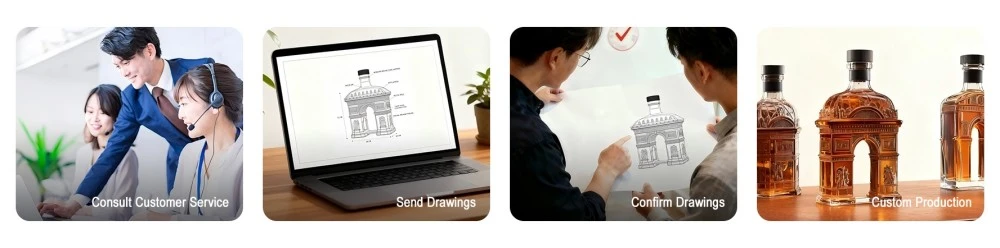
From the first idea to the start of production, our tech team works closely with brand managers. We take rough ideas and turn them into technical drawings. We also make 3D-printed models so that you can see how they work and make custom molds that include every detail of the design. This thorough method makes sure that your ideas are correctly translated into finished bottles that meet both the aesthetic and useful needs.
Cost Implications and Supply Chain Dynamics
Because the manufacturing process is simpler, making clear bottles usually costs less than making frosted ones of the same size. Not having to do any extra surface processes cuts down on both production time and the amount of work that goes into quality control. Clear glass is a good way for brands to save money without losing quality, especially if they are trying out new areas on a tight budget.
Frosted bottles are more expensive because they take more work to make and need to be handled in a certain way. The grinding or acid-etching steps require more work and take longer to finish. But these investments usually pay off big because the products stand out more on store shelves and can be sold for more money.
As the level of personalization and complexity rises, so do the minimum order amounts. Standard alcohol bottles with clear or frosted finishes may need a minimum order of 10,000 pieces. On the other hand, fully custom molds with unique shapes usually need a minimum order of 50,000 units to cover the cost of the tools. Our plant makes about 3 million alcohol bottles a year for long-term partners, showing that it can handle both new product starts and steady growth.
For custom tasks like mold making, trial production, and bulk manufacturing, the time it takes from approval of the plan to delivery is usually between 60 and 90 days. If you use current molds, clear bottles may ship a little faster, but the difference isn't as big if you make new ones. By planning buying rounds around these dates, you can avoid inventory gaps that could mess up product launches or holiday sales.
Sustainability and Environmental Considerations
As brands react to customer preferences and business sustainability requirements, environmental responsibility plays a bigger role in the packaging choices they make. Glass is naturally easier to recycle than plastic options. Both clear and frosted bottles are examples of materials that can be recycled over and over again without losing their quality.
Optical sorting equipment can easily tell the difference between clear glass and colored glass streams, which makes operations easier in recycling centers. This processing speed can help collect more materials and slightly lower the cost of recycling. Frosted bottles can be recycled just as well as plain ones, because the treatment on the outside doesn't change how the bottles melt or reform.
By reducing the weight of glass while keeping the structure's integrity, lightweighting projects cut down on shipping pollution and material use. Our borosilicate glass formulas have great strength-to-weight ratios, which means that bottle walls can be smaller without affecting how long the bottles last. Throughout the lifespan of your product, these optimizations help the environment in measured ways.
Reusable and refillable bottle programs are becoming more popular in the craft drinks market, especially among wineries in the area that serve customers from the surrounding area. These efforts can be supported by both clear and colored bottles, but clear glass may be better able to handle the many washing and checking processes needed for safe reuse. Making bottles with standard sizes and lids makes them easier to use in circular economy models that cut down on single-use consumption.
Case Studies and Practical Applications
Clear and frosted bottles are used successfully by brands to reach their business goals in the real world. These examples show ways to make decisions that can be used in a variety of market situations.
Premium Whiskey Brand Using Frosted Glass
A medium-sized American whiskey maker was looking for packaging that would allow them to raise the price of their 10-year-aged bourbon from $35 to $55. They chose frosted bottles with deep embossing that showed the times the brewery was founded and symbols of area history. The matte finish made it stand out right away from competitors who used clear glass, and the heavy 900-gram bottle weight made it look even more expensive.
In the 18 months after the change in packing, sales increased by 40%, even though prices went up. Customers said that the quality of the packaging was a big reason why they bought it. The frosted bottles did especially well when people were giving gifts; they made up 60% of December sales, up from 35% the month before. This case shows how smart investments in packaging can have a direct effect on sales and market positioning.
Vodka Producer Leveraging Clear Bottle Transparency
A craft vodka brand built their whole marketing story around a unique filter technique that made the vodka very clear. They picked Super Flint glass alcohol bottles that were very clear and had simple cylinder forms that showed off the optical purity of their product. The clear package gave them an edge over their competitors because it let them compare their products side-by-side, which showed small changes in how clear the liquids were.
Screen printing was used to print full descriptions of the filtration process directly on clear glass. This created educational packaging that kept customers interested and justified the higher price. Retail partners said the products did well on the shelves, and they said that the striking visual presentation that caught people's attention from across the aisle was a big part of that. This example shows how clear bottles can help brand strategies that focus on being open and honest.
Sustainability Outcomes in Recycling Programs
A spirits company looked at how much their different brands recycled and how that affected the earth. They used different types of bottles to do this. Because they are easier to sort visually, clear glass bottles had slightly higher recycle rates in city programs. But the total environmental difference was not very big when compared to things like the distance of transportation and the energy sources used in production.
The study found that choosing a finish had less of an impact on sustainability than reducing the weight of the bottle. After that, they used advanced models to remake both clear and frosted bottles in a way that cut the weight of the glass by 15% while keeping the structure strong. This method shows that it's often more important to optimize within one bottle group than to choose between them.
Operational Best Practices for Quality Maintenance
No matter what kind of finish is on the bottle, the quality stays the same during distribution and keeping as long as the right steps are taken. Before they are filled, clear bottles need to be carefully checked for any flaws, bubbles, or contamination that customers could see. Automated visual inspection systems quickly and accurately check large amounts of items, throwing away any that aren't up to par before they reach the filling lines.
Due to the matte finish's ability to hide flaws, frosted bottles can handle small surface faults better than clear ones. However, they have tougher rules about cleaning during decorating and filling because fingerprints, lint, or dust show up clearly on matte surfaces. Using sanitary rules and powder-free gloves for final handling helps keep the quality of the show.
Palletization techniques that keep touch damage to a minimum during shipping are good for both types of bottles. We use special cardboard barriers and corner protection to keep glass from touching glass, which keeps breakage rates below 0.5% even during international ocean freight. These practical details will protect the money you spent on packaging and make sure that goods get to customers in perfect shape.
Expert Recommendations and Final Decision Guide
To choose between frosted and clear bottles, you need to carefully consider a number of factors that are weighed by your unique needs and the current state of the market. We suggest this organized method because we've been making things for 30 years and work with well-known drink names.
Brand Identity Alignment
Instead of following general rules for the category, your package should truly show your brand's values and positioning. New craft brands often do well with unique frosted bottles that show they are made by hand and explain charging more at start. When well-known brands change their recipes or positions, they might use clear bottles to show that they are more open and committed to using high-quality materials.
Think about how the package fits in with other parts of the brand, like the style of the website, the look of the tasting room, and marketing materials. Visual uniformity makes it easier for people to recognize a brand and gives customers a consistent experience, which makes them more loyal. If your brand is all about modern simplicity, sleek clear bottles are probably a better fit than traditional frosted ones.
Preservation and Product Characteristics
Choose bottles based on how you want to store your drink and how long you think it will last. Spirits that contain natural colors, plant ingredients, or taste compounds that break down quickly in light need frosted or colored glass that blocks UV rays. Clear bottles work well for stable goods that are eaten soon after they are sold in stores.
Before you start making a lot of your product, make sure it works in both types of bottles and in real-life keeping circumstances. Using high temperatures and controlled light exposure to speed up the aging process shows possible breakdown patterns that help with packing decisions. This testing is especially helpful for new product formulas that don't have any stable data already.
Cost-Benefit Analysis
Find the total cost of ownership, which includes the price per bottle, the cost of decoration, the cost of keeping inventory, and any breaks that might happen during delivery. At the same volume, clear bottles usually cost 10–15% less than frosted ones. However, this difference gets smaller as the order size goes up because the costs of secondary processing go down as well.
Compare these straight costs to the amount of money that different packing options will bring in. Premium bottles that allow 20% higher selling prices easily support 15% higher costs of sourcing, which leads to big gains in margin. As an alternative, brands that compete mainly on price may find that clear boxes are necessary to keep their prices low.
Strategic Manufacturing Partnerships
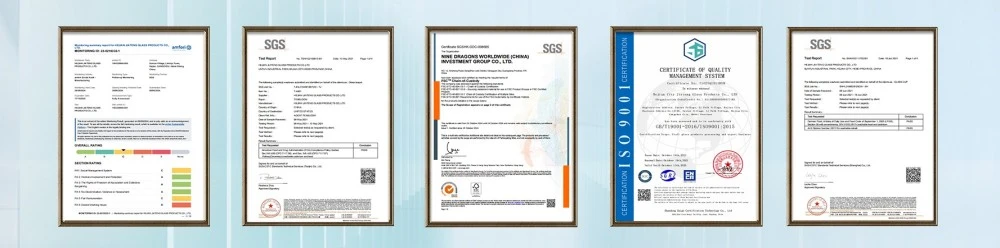
Long-term partnerships with skilled makers are much more valuable than one-time purchases based only on price per unit. Jiateng has been in business for 30 years and has partnered with brands like Xifeng and Wuliangye. This shows that we are dedicated to quality and dependability, which helps protect your brand's image.
Find providers that offer a full range of services, from helping with planning to arranging delivery. Our 15-person foreign trade team and experienced engineering staff offer one-stop help that makes buying things easier and speeds up the time it takes for new goods to hit the market. This unified method works especially well when introducing new packaging that needs close technical cooperation.
Check the production capabilities and the ability to grow. Partners who can consistently make 3 million pieces a year can help you move from regional to national sales without having to go through painful supplier changes. This continuity keeps quality standards high and protects the institutional knowledge that providers gain about your unique needs.
Conclusion
In the end, whether you choose frosted or clear alcohol bottles relies on how well the package fits with your brand strategy, product needs, and market positioning. Clear bottles are great for showing off how clear and pure a drink is, and they're also very cheap to make and give you a lot of design options. Frosted bottles send a message of wealth and privacy while also blocking some UV rays and making them stand out on the shelf. Both choices allow for a lot of customization through private mold design, surface painting, and the creation of custom shapes.
Making good choices about packing means balancing the need for good looks with the need to keep things fresh, follow the rules, save money on costs, and think about the environment. Working with experienced manufacturers that offer full design-to-delivery services will make sure that your investment in packing has the most impact on your business and is used as efficiently as possible.
FAQ
Which bottle type best preserves beverage freshness and flavor?
Frosted glass blocks light better than clear glass, which helps keep flavor compounds and color stability in drinks that are sensitive to light, like herbal gin and whiskey. But the way the drink is made and how it is stored are more important than the finish on the bottle. Spirits with a lot of alcohol and steady ingredients work well in clear or frosted alcohol bottles as long as they are kept out of direct sunlight. Products with natural colors, herbs, or lower alcohol levels do best when they are stored in frosted or amber glass that blocks UV light.
What are the cost differences between frosted and clear bottles in bulk procurement?
When ordering the same number of units, clear bottles usually cost 10-15% less than frosted ones. However, this difference gets smaller when ordering more than 100,000 units. The price difference is because frosted products need more work to treat the surface. But the costs of decorating may make up for these differences.
What labeling regulations impact bottle design and compliance?
The United States Tobacco Tax and Trade Bureau (TTB) rules say that all alcohol bottles packages must have certain information clearly visible, such as the amount of alcohol, health warnings, and information about the maker. These needs can be met by writing directly on the glass or putting labels on frosted or clear bottles. For labels to stick properly to frosted surfaces, you may need to use different writing methods or prepare the surface in a certain way.
Partner with Jiateng for Premium Alcohol Bottle Solutions
Every custom alcohol bottles project that Jiateng Glass Products works on is backed by their 30 years of experience making bottles and their long-standing relationships with top alcohol brands. Our factory in Cangzhou makes 3 million bottles a year using high-tech borosilicate glass that comes in both clear and beautifully frosted styles. We focus on helping alcohol bottles makers and brand owners who need highly customized packaging for 10,000 to 500,000 pieces per order. We can do all of this under one roof, including design, samples, and production.
Our skilled engineers take your ideas and turn them into unique packaging that builds brand recognition and improves store performance. We offer constant quality, backed by strict inspection procedures and safe foreign shipping, whether you need clear bottles to show how pure the liquid is or frosted glass to communicate a high-end brand. Email our team at lhd513@jtblzp.com to talk about your specific needs and get quotes for custom alcohol bottles solutions that fit your brand's vision and your schedule for purchase.
References
1. Soroka, W. (2009). Fundamentals of Packaging Technology (4th ed.). Institute of Packaging Professionals.
2. Robertson, G.L. (2016). Food Packaging: Principles and Practice (3rd ed.). CRC Press.
3. Marsh, K. & Bugusu, B. (2007). Food Packaging—Roles, Materials, and Environmental Issues. Journal of Food Science, 74. (3), R39-R55.
4. Twede, D. & Goddard, R. (1998). Materials and Development of Rigid Packaging. In Food Packaging Materials and Methods. Wiley-Blackwell.
5. Packard, V.O. (2002). Processed Foods and the Consumer: Additives, Labeling, Education, and Health. University of Minnesota Press.
6. Yam, K.L. (2010). The Wiley Encyclopedia of Packaging Technology (3rd ed.). John Wiley & Sons.