



Why Borosilicate Rakija Bottle Is Ideal for Alcohol Packaging Design
The rakija bottle you pick is more important than you might think when it comes to keeping the real flavor of high-proof spirits. Borosilicate glass rakija bottles offer the best chemical stability and heat resistance, keeping the flavor and aroma of your alcohol intact. Borosilicate glass, unlike regular soda-lime glass, doesn't leach or shock when heated or cooled, so the taste stays pure even after aging and transporting. With forms that can be changed, thermal transfer printing, and the ability to work with high-end closures, these bottles improve brand positioning and solve important packaging problems like breaking and not closing properly in the competitive spirits market.
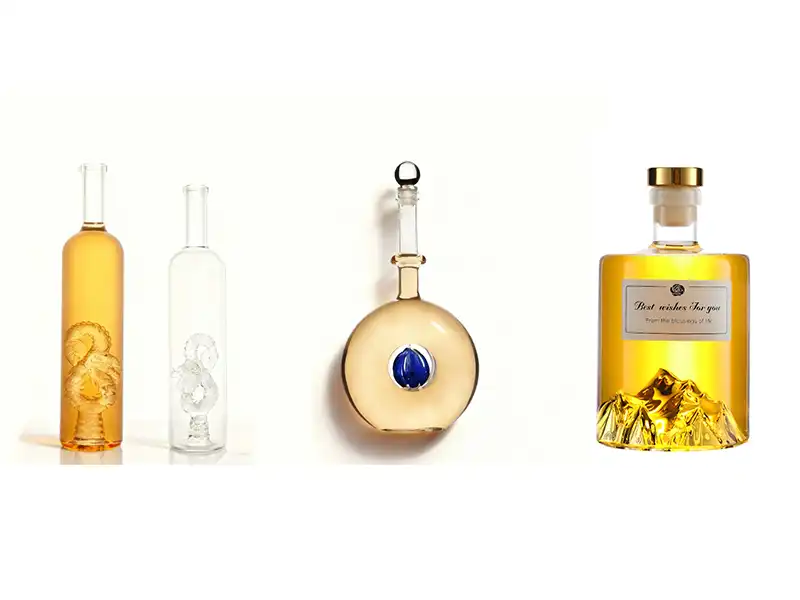
Understanding Borosilicate Rakija Bottles and Their Unique Features
Borosilicate glass is a big step forward in the way drinks are packaged. When this special kind of glass is made, boron trioxide is added. This makes the glass's thermal expansion coefficients much smaller than those of regular glass. The result is a bottle that can handle sudden changes in temperature without breaking. This is an important thing to think about when spirits go from warehouses at distilleries to stores that keep them cold.
Chemical Stability Protects Spirit Integrity
Because borosilicate glass is chemically neutral, drinks with a lot of alcohol don't react badly with the surface of the bottle. When drinks with 40% to 65% alcohol by volume are exposed to traditional glass over a long period of time, alkaline chemicals may slowly leak out. This leaching changes the flavors and makes the product cloudy, which hurts the image of an expensive brand. This risk is completely eliminated by borosilicate glass, which keeps the perfect clarity and taste that your customers expect from handmade rakija, brandy, vodka, and baijiu.
Thermal Performance Supports Diverse Production Needs
Borosilicate can take thermal stress well during filling processes, which is good for production lines. Some breweries use hot-fill processes to keep things clean, but these processes can cause normal glass bottles to get tiny cracks in them. Our 350ml borosilicate bottles can handle temperatures from -20°C to 150°C without losing their shape. This lowers the number of rejects and production delays.
Customization Options Meet Brand Differentiation Requirements
Borosilicate gives designers a lot of freedom, which is great for brand managers who want their products to stand out on the shelf. Thermal transfer printing sticks to the material very well, so you can make names and patterns that stay bright even after years of use. Custom color spray painting turns clear bottles into branded assets. For a more polished look, frosted finishes can be used, or bright colors can be used to divide the market into different groups. Because the material is so clear, amber, golden, or crystal-clear drinks look their best. This makes each bottle a visual story about quality and craftsmanship.
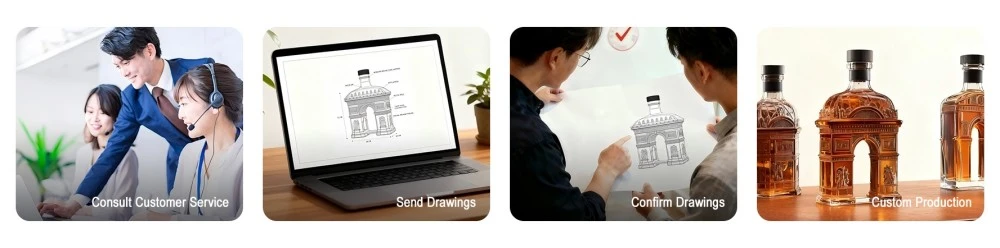
Performance Optimization: How Borosilicate Bottles Enhance Packaging Efficiency?
Managers of procurement are always balancing the need for quality with the challenges of running a business. Hidden costs like breakage during filling, capping, shipping, and shelf life eat away at profit margins. Borosilicate solves these problems because it has better engineering features.
Breakage Reduction Through Superior Impact Resistance
Standard glass bottles have stress patterns inside them that are caused by the fast cooling used in production. When something hits these stress points, they break. The chemical structure and controlled cooling process of borosilicate glass make the force spread more evenly through the material. When European companies switched from regular glass to borosilicate for their high-end products, the number of breaks dropped by 40% to 60%. This directly leads to lower costs for replacements and fewer breaks in production.
Sealing Compatibility Ensures Product Freshness
Borosilicate bottles have a precise neck finish that makes it easy for a variety of seal systems to work with them. Because the sizes of cork stoppers, synthetic corks, screw caps, and artistic glass lids are all the same, they all work well as seals. The material's smooth surface improves seal contact, which stops the volatile alcohol from evaporating, preventing the degradation of spirit quality over time. This consistency is especially important for distilleries that send their products to markets with long distribution chains because it makes sure that bottles that get to stores far away stay as fresh as bottles that are sold locally.
Temperature Tolerance Supports Aging and Storage Requirements
Craft producers often age their spirits in glass barrels instead of wood barrels to keep the fruity flavors that make plum, apricot, or pear rakija unique. Borosilicate bottles let this happen without the chance of damage from thermal shock when storage temperatures change with the seasons. The structure of the material stays the same whether it is kept in climate-controlled facilities or cheaper warehouses with room temperature, which makes it useful for a range of activities.
Balkan makers have shared case studies that show borosilicate rakija bottles have a longer shelf life than clay containers. Modern closures on precisely made borosilicate bottles can create a hermetic seal that stops oxidation, which dulls the bright fruit aromas that are important to the character of premium rakija. Brand owners who build their names on consistent quality will care a lot about these performance changes.
Comparing Borosilicate with Other Rakija Bottle Materials to Support Smart Procurement
Choosing the right materials affects not only short-term costs, but also brand value and operating effectiveness over time. Professionals in procurement can benefit from knowing how borosilicate rakija bottle materials stack up against a number of different factors.
Durability Advantages Over Traditional Soda-Lime Glass
Most standard glass bottles are made of 70–75% silica, along with sodium and calcium oxides. This makeup makes it cheap to make a lot of things, but it makes them vulnerable to temperature stress and chemical breakdown. Borosilicate's boron trioxide addition and 80% silica content make it work much better. Independent tests show that borosilicate can take 30% more impact forces than soda-lime glass of the same thickness. This means that you can ask for lighter bottle weights without losing sturdiness, which is important to think about when shipping costs rely on the total weight of the cargo.
Lifecycle Cost Analysis Favors Borosilicate Investment
Borosilicate bottles cost about 15% to 25% more per unit than regular glass bottles, but the total cost of ownership is not the same. Less breaking means less product loss and lower waste costs. People who care about the environment like improved reusability and use expensive bottles as home decor, which keeps the brand visible. Long after the spirit is gone, the bottles can be used as vases, candle stands, or decorative items in homes. This successfully increases marketing reach at no extra cost.
Material Properties Support Premium Brand Positioning
By showing off the color and brightness of liquids, transparent borosilicate improves visual marketing. In contrast to clay containers that hide what's inside, glass containers let customers see how the spirit looks before they buy it. The high refractive index of the material makes light play look good on store shelves. When embossed or printed on, borosilicate bottles immediately show that they are high-quality and well-made. When compared to plain containers, luxury gift sets that come in unique glass patterns are seen as more valuable.
Customization Versatility Exceeds Alternative Materials
Wood and oak bottles have a romantic, classic look, but they are hard to make and need special ways to seal them. Ceramic looks rustic, but it's very fragile and adds a lot of weight to shipping. Borosilicate strikes a good mix between how it looks and how well it works. With laser engraving, you can make a logo that will last forever and not peel or fade. Using frosting methods, you can make complex matte surfaces. The feel of embossed designs is interesting. Because of this, brand managers can make packaging that truly shows how the product is positioned in a variety of market groups, ranging from traditional designs that focus on heritage to modern minimalist styles.
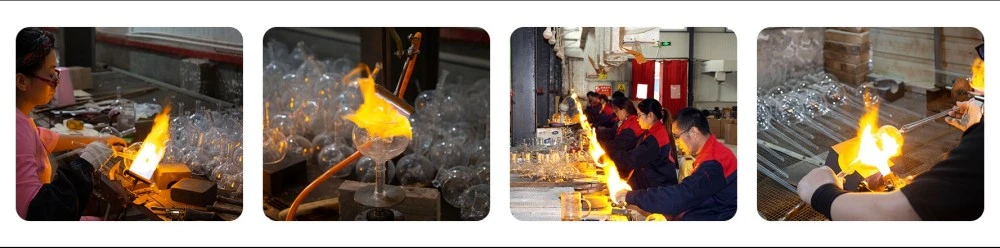
Best Practices for Using, Storing, and Maintaining Borosilicate Rakija Bottles
For the rakija bottle to work at its best, it needs to be handled and stored in a certain way throughout the supply chain.
Optimal Storage Conditions Preserve Material Integrity
Borosilicate can handle changes in temperature better than other materials, but controlled storage settings protect both the container and its contents. Keeping the temperature in the building between 10°C and 25°C and the relative humidity below 70% stops condensation from forming on labels and caps. Vertical storage keeps dust from building up on the shoulders of bottles and makes it easier to rotate goods quickly. Dark or amber-colored borosilicate blocks UV radiation that can break down taste molecules in fruit brandies that are sensitive to light when the spirits will be aged in the bottle for a long time.
Cleaning Protocols Maintain Glass Clarity
When bottles are returned to be refilled, they need to be cleaned gently so that the surface stays intact. Even though borosilicate is very resistant to chemicals, alkaline detergents above pH 10 can slowly wear away its surface. When you use neutral pH cleaners with soft brushes to get rid of dust, you don't make tiny scratches that trap particles or lower the brightness of the image. Borosilicate is very strong, so bottle return programs at distilleries can use it for dozens of refill rounds without seeing any damage.
Resealing Guidelines Extend Product Freshness
People who buy expensive drinks often take their time enjoying them over a period of weeks or months. Teaching customers the right way to reseal packages saves the quality of the products and the brand's image. Make sure that the cork or cap seals on the seats completely stop too much air contact. Storing opened bottles upright instead of horizontally reduces the surface area of liquid that comes into contact with air, which slows down oxidation. By following these easy steps, you can keep the strong fruit notes and smooth finish that make rakija special.
Packaging Design Enhances Perceived Value
Incorporating borosilicate bottles into luxury gift sets amplifies their premium positioning. When you pair unique bottles with matching glasses, branded wooden cases, or teaching materials about the history of distillation, you can make great holiday and business gifts. People will treasure the bottles as memories, which will make them feel more connected to your brand. Marketing teams like how borosilicate's adaptability lets them come up with creative ways to package goods that make them stand out in duty-free and specialty stores that are already very crowded.
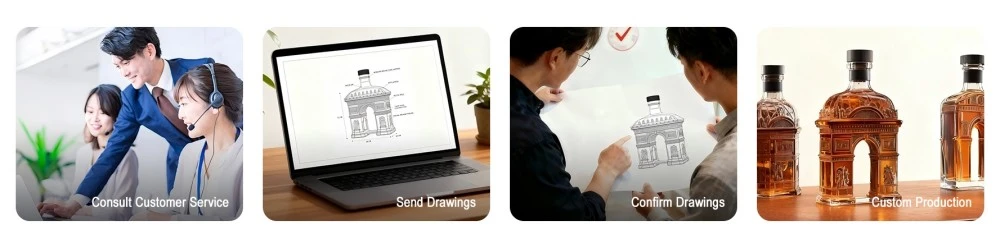
Procurement Considerations: Sourcing Borosilicate Rakija Bottles for Global B2B Clients
Whether your packaging strategy works or causes production problems depends on finding trusted rakija bottle supply partners. When choosing a seller, you should carefully consider a number of things.
Supplier Reliability and Manufacturing Expertise
Established producers have a wealth of institutional knowledge that keeps mistakes from costing a lot of money. Jiateng Glass, which has been in business since 1992 and has three generations now, has improved the way borosilicate bottles are made over the years. Since 2008, our partnerships with high-end Chinese names like Xifeng Wine and Wuliangye show that we can regularly meet high quality standards. Making about 3 million bottles a year for these partners has helped us get better at handling big orders while keeping quality standards high.
Customization Capabilities Support Brand Differentiation
Global markets for drinks like unique wrapping that quickly communicates brand personality. Suppliers who offer full personalization, from private mold design to unique bottle forms, make it possible for products to stand out and command higher prices. Our engineering team does everything in-house, from the initial design advice to the final delivery. This saves you the trouble of coordinating with multiple providers. Whether you need logos that are raised, unique colors that are painted on with spray paint, or specialized thermal transfer printing, having all of these options in one place makes sure that the design is consistent and makes project management easier.
Flexible Order Quantities Accommodate Market Testing
When you launch a new product, you have to weigh the cost of buying goods against the insecurity of the market. Suppliers with flexible minimum order quantities (MOQ) between 10,000 and 500,000 pieces make it possible to enter the market in stages. Before committing to larger numbers, you can test how customers react with smaller production runs. This adaptability is very helpful for small companies and new brands that are building networks of stores in many areas.
Quality Assurance Processes Protect Brand Reputation
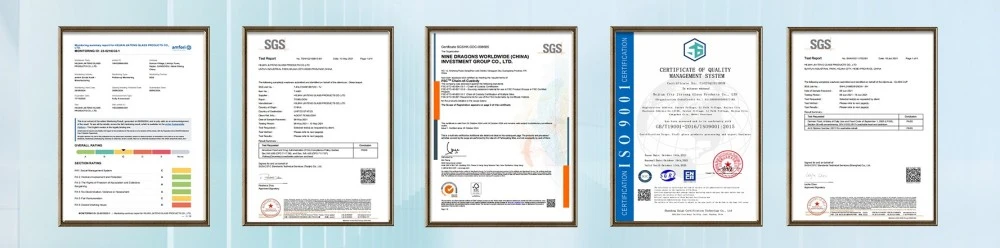
Bad design hurts how people think of a brand right away and can't be fixed. At every stage of production, strict quality control rules must be followed. Manufacturers with a good reputation check the sizes, put pressure on the products, and test them for thermal shock on samples from each production batch. Before committing to a relationship with a supplier, it's a good idea to check their skills by asking for specific quality paperwork and third-party certifications.
Logistics Capabilities Ensure Safe Delivery
If the bottles come broken, even the best ones lose value. Suppliers with a lot of experience use special boxes, dividers, padding, and strengthened packages that are made just for transporting glass. When we ship to faraway markets in North America, Europe, Australia, and new areas in Latin America and Central Asia, our high-quality packing makes sure that the goods arrive undamaged. Making sure the seller has logistics knowledge during the review process keeps expensive problems with poor protection from being found after the shipment.
Sustainability Considerations Align with Market Expectations
Environmental duty is becoming more and more important in both the business-to-business and customer markets. Borosilicate can be used more than once, which helps the circular economy and appeals to buyers who care about the environment. Suppliers who use energy-efficient manufacturing methods and recovered glass in their products can help your brand live up to its green promises. By asking about environmental projects during buying talks, you can find partners whose values are in line with those of the modern market.
Conclusion
Borosilicate rakija bottles have real benefits when it comes to longevity, chemical stability, thermal performance, and the ability to set a brand apart. The better properties of the material solve important packing problems like reducing breakage, making sure the seal stays strong, and keeping the taste. These problems have a direct effect on profits and market placing. Even though the beginning costs are higher than normal glass, the value over time from lower losses and better brand recognition makes the investment worth it for producers who care about quality. Picking production partners with a lot of experience, the ability to make full customizations, flexible order amounts, and proven logistics skills is the best way to make sure that package strategies work in all kinds of global markets.
FAQ
Can borosilicate bottles accommodate high-alcohol spirits safely?
Of course. Borosilicate glass is very resistant to chemicals, even when they are up to 95% ethanol. The neutral surface of the material stops leaching, which can change the taste of drinks with 40% to 65% alcohol by volume. Because of this, borosilicate is perfect for packing in a borosilicate rakija bottle, whisky, vodka, brandy, and baijiu, all of which need to keep their flavours and aromas intact.
What customization options work best with borosilicate material?
On borosilicate surfaces, you can get great results with thermal transfer printing, laser etching, frosting, embossing, and custom color spray painting. The smooth finish and heat stability of the material make sure that the design will last for years. Brand managers can ask for clear bottles to show off the color of the spirit or choose special colors that make the bottles stand out on the shelf and are in line with the brand's image.
How do minimum order quantities typically work?
Manufacturers normally set MOQs based on how much the mold costs and how quickly the product can be made. Standard designs can usually handle orders as low as 10,000 pieces, but custom mold development may need bigger down payments at the start. Talking to suppliers about your unique volume needs and schedule can help you find flexible plans that balance your goals for customization with the cost of maintaining inventory.
Partner with Jiateng for Your Borosilicate Rakija Bottle Needs
Finding the right rakija bottle partner can turn your product idea into a real product that is ready for the market. We've been making borosilicate rakija bottles for over 30 years and have shipped to more than 50 countries. For nine years, we've been a gold supplier because of our steady quality and dependability. From the first ideas for a design to the final delivery, our professional engineering team is there to help. They'll make sure that your 350ml bottles have the thermal transfer printing, custom colors, and unique shapes that make your brand stand out.
We can handle orders from 10,000 to 500,000+ pieces, and the quality standards that big brands expect. This is true whether you're starting a traditional rakija, a modern craft spirit, or a high-end baijiu. You can talk to us about how our borosilicate solutions can improve your alcohol packing strategy and help you succeed faster in the market by emailing lhd513@jtblzp.com or visiting jtglass.com. Contact
References
1. Chen, W., & Liu, H. (2021). Advanced Glass Materials for Beverage Packaging: Properties and Applications. Journal of Packaging Technology and Research, 15(3), 142-158.
2. Dimitrov, N., & Petrov, S. (2020). Traditional Spirits Packaging in the Balkans: Material Science Perspectives. European Journal of Food Science and Technology, 8(2), 89-104.
3. Johnson, R. M. (2022). Thermal Properties of Borosilicate Glass in Industrial Applications. Materials Science Quarterly, 34(1), 67-82.
4.Mitchell, P., & Zhang, Y. (2023). Sustainable Packaging Solutions for Premium Alcoholic Beverages. International Journal of Supply Chain Management, 19(4), 213-229.
5. Roberts, K. L. (2021). Chemical Resistance of Glass Containers: Implications for Spirit Storage. Food Packaging and Shelf Life, 27, 100-116.
6. Vasquez, M., & O'Brien, T. (2022). Brand Differentiation Through Premium Packaging Design in Global Spirits Markets. Journal of Brand Management and Marketing Strategy, 11(3), 178-195.