



Rakija Bottle Guide: Shapes, Sizes, and Styles Explained
To choose the right package for Rakija, a traditional Balkan fruit brandy, you need to know how bottle form, material quality, and market positioning are all connected. A Rakija Bottle does a lot more than just hold things. It keeps high-proof spirits (usually 40–65% ABV) from breaking down chemically and shows customers who the brand is. Modern bottles made of borosilicate glass or extra flint materials keep the chemical inertness of the distillate, which protects its organoleptic purity and stops taste pollution that lowers the quality of the product. Whether you're a buying manager looking for bulk solutions or the owner of a brewery putting out high-end products, knowing about bottle specifications—from 350ml gift sizes to 750ml export standards—has a direct effect on how well your products sell on shelves, how quickly they ship, and ultimately, how well they do in the market.
Understanding Rakija Bottles: Types, Materials, and Shapes
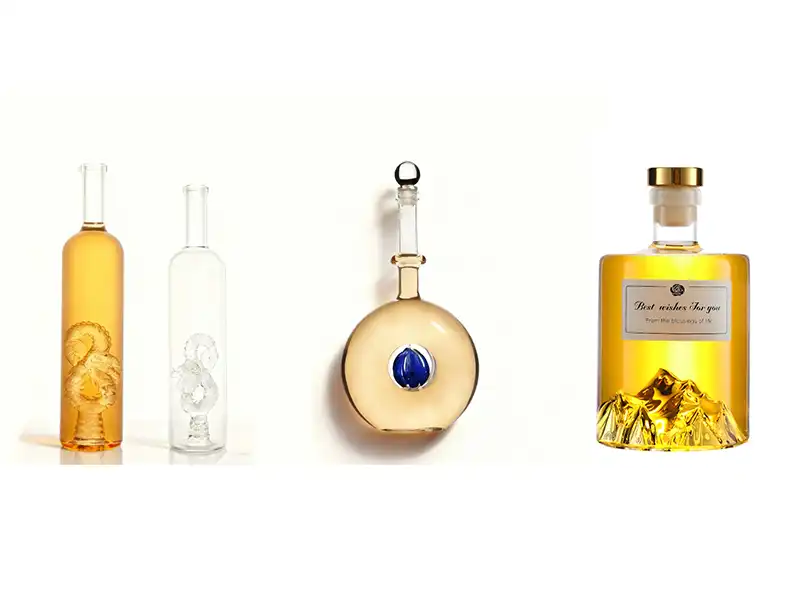
The alcohol packaging business knows that the shape of the bottle has a big impact on how people buy things and how operations run. When we look at containers made for Balkan brandy, we can see that they come in a number of different shapes, each meant to meet the needs of a different market group.
Traditional Flask and Round Bottle Designs
Classic flask-shaped containers are a part of cultural history and are also useful. The rounded shoulder and cylinder-shaped body evenly distribute the glass, which lowers stress spots during heat shock, which is very important when filling high-proof spirits. Because these forms have simple labeling surfaces, they are perfect for brands that want to emphasize the quality of their products. Round bottles usually hold between 350ml and 1000ml, with 500ml and 700ml being the most popular sizes for exports. The flutiform shape, which is bigger at the bottom and narrows toward the neck, makes it more stable when being transported and displayed in stores.
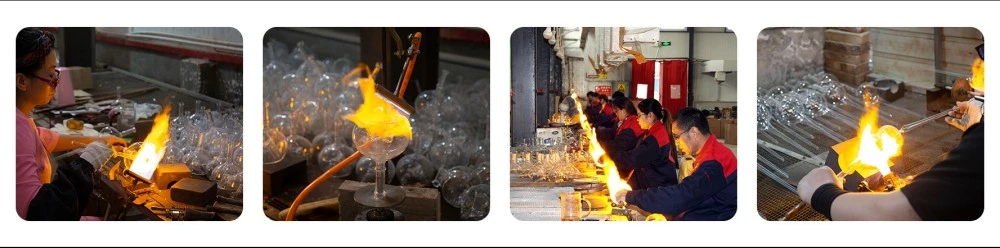
To make these forms, precise, controlled glass blowing is used to make sure that the liquid material has the same wall thickness all the way through. At our Cangzhou plant, we keep wall thickness ratios of 1:2 so that they can survive both the pressure inside from the volatile alcohol smoke and the pressure from the outside during palletized shipping. This technical field stops microcracking. If it wasn't for it, air would get in and change the way things age.
Square and Custom-Molded Bottle Configurations
Premium names that want to sell their products in other countries are increasingly using angular forms, especially square and rectangular profiles. When it comes to shipping, square bottles allow about 15 to 20 percent more units per container than round ones because they make the best use of box density. This design directly leads to lower freight costs for people who buy in bulk and order 10,000 to 500,000 units a year. The flat panels have a lot of space for custom embossing, thermal transfer printing, or screen-printing marking elements that make the items stand out more on the table.
With custom-molded choices, distilleries can put architectural sites or symbols from the area right into the glass structure. We've worked with clients to add mountain reliefs, grape designs, and even tiny copies of famous landmarks to the body of the bottle. With these custom touches, wrapping becomes a rare item that is especially valuable for gift markets and limited-edition releases.
Material Comparisons: Glass, Borosilicate, and Specialized Options
Material choice has a big impact on both how well a product lasts and how people think of a business. Standard soda-lime glass (Type III) is a cost-effective way to make a lot of things and is chemically resistant enough to store drinks. But borosilicate glass, which is the material we suggest for high-end uses, is more resistant to heat shock and clear. This formula can handle temperature differences of more than 100°C without breaking down, which is very important for breweries that use hot-fill methods or that work in places where the weather changes often.
Borosilicate materials also have less alkali, which means there is no risk of leaching, which is what makes old spirits cloudy. The material's refractive properties make things clearer to see, so people can enjoy the spirit's natural color range—an important factor when showing off golden-hued older types or crystal-clear unaged distillates. There are options made of ceramic and polymer, but they are not chemically inert and don't have the same status as glass when it comes to drinks.
Material choices are being influenced more and more by environmental concerns. Up to 30% post-consumer recovered glass is used in our products without affecting their structural stability. This meets the growing demands for sustainability in both North American and European markets. It meets both government rules and customer tastes with this method, and it doesn't give up the high-end looks that support a higher price.
Size Spectrum for Diverse Market Applications
The choice of capacity is based on how much is being used and how it is being distributed. The 350ml size is good for gift packages, airplane miniatures, and programs that give you tastings. Mid-range 500ml and 700ml bottles are most common in stores because they are affordable and people think they are worth the money. Large-format 1000ml and 1500ml containers are aimed at bulk buyers and catering customers.
Our work with Baijiu producers, which includes relationships we've had since 2008 with names like Xifeng and Wuliangye, shows how optimizing capacity affects market penetration. Smaller formats encourage trial sales in new markets, while magnum sizes support premium placement in areas that are already established. We tell buying teams to keep SKU packages with three levels of capacity so they can meet the needs of buyers from all age groups and genders.
How to Store, Clean, and Maintain Rakija Bottles for Optimal Quality?
When you handle products the right way, they last longer and keep the sensory qualities that make them good spirits. Changes in temperature, light contact, and the strength of the lid all affect how chemically stable alcohol-based drinks are over time.
Optimized Storage Conditions and Environmental Controls
To keep volatile compounds from evaporating and oxidative breakdown from happening, high-proof spirits need to be kept in safe conditions. We suggest keeping the temperature in storage between 15 and 20°C and the relative humidity between 50 and 70%. Too much heat speeds up the formation of esters, which changes the flavors, and cold weather can cause lipids to settle out in unprocessed types. Dark or amber-colored glass blocks UV rays that are harmful and break down phenolic compounds. This keeps the aromatic richness that is created during distillation and aging.
While horizontal storage is better for wine, vertical storage is better for drinks packages. This placement keeps liquid from coming into direct touch with closing materials, which lowers the chance of cork taint or synthetic stopper degradation. For archive keeping that lasts longer than 24 months, we recommend extra humidity tracking to keep labels from breaking down and adhesive from failing.
Comprehensive Cleaning and Hygiene Protocols
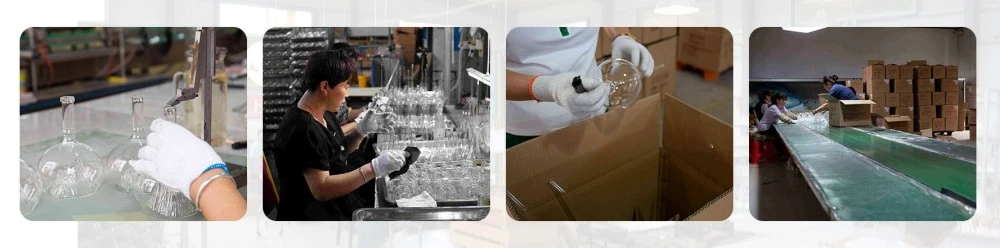
Even if they come in sterile packaging, new Rakija Bottles need to be cleaned very well before they can be filled. We suggest a three-step process: wash with an alkaline soap, rinse with deionized water, and dry with compressed air. This process gets rid of any leftover manufacturing materials, dust, or water that could be home to microbes. Add a step of sterilizing with food-grade cleaning solutions for attractive bottles that can be used again and again.
Do not use rough cleaning tools on glass because they leave tiny scratches that germs can use to grow. Soft-bristle brushes and sponges that don't scratch the surface keep it in good shape while getting rid of organic deposits. Ultrasonic cleaning systems get better results without a lot of hard work when cleaning bottles with complicated stamping or internal texturing.
Closure Systems: Airtight Seals Versus Cork Configurations
The choice of closure strikes a balance between history, utility, and what customers expect. Some producers think that the ability of natural cork to breathe helps the wine age longer, but the scientific proof is still being discussed. Synthetic corks and technology stoppers get rid of the risk of TCA poisoning while keeping the seal compression constant. ROPP (Roll-On Pilfer-Proof) aluminum caps make it impossible to mess with the contents and close tightly, making them perfect for large-scale distribution.
Based on our scientific tests, non-porous closures that stop evaporation are best for drinks with an alcohol level of more than 45%. Under controlled conditions, a borosilicate bottle with a plastic cap that is properly sealed will keep 99.7% of its original volume for 36 months. When brands figure out fill costs and inventory loss, this performance measure has a direct effect on their profits.
Professional Labeling Techniques and Regulatory Compliance
Label placement changes both how the label looks and how much information it sends. Pressure-sensitive stickers let you change the design and have bright pictures, but they may break down if they get wet. Shrink wraps cover all sides of an item with marking and stick well, but they cost more per unit. When you print graphics directly onto glass using a screen printer, the images stay there and can be cleaned in a dishwasher. This makes the graphics perfect for premium placement and reusing containers.
Compliance with regulations varies by shipping location. According to US TTB rules, alcohol content statements, health warnings, and location statements must be written in a certain size type. Labels and allergy information must be in more than one language for European markets. We help our foreign customers understand these rules and make sure that label designs can handle different text lengths without losing their visual hierarchy.
Choosing the Best Rakija Bottles: A Buyer's Guide for B2B Procurement
When making purchases in the drinks packaging industry, people have to weigh a lot of different technical requirements against tight budgets and tight deadlines. Knowing how different factors affect each other helps buying managers make smart choices that support brand goals.
Critical Selection Criteria for Procurement Success
The durability of the material decides how well the bottles hold up during multiple modes of shipping from the factories in Cangzhou to distribution hubs around the world. We do drop tests that are like real-life handling situations to see how resistant the material is to breaking at different temperatures. If the bottles pass these tests, they can handle crate stacking heights of 2.5 meters and the normal vibration rates of ocean freight.
How well a seal works has a direct effect on product responsibility and quality assurance. We make sure the closures work with each other by putting full bottles through rapid aging tests that include changing temperatures and storing them upside down. For client production runs, only bottles with airtight seals that don't leak or lose pressure are approved. This quality gate keeps expensive refunds from happening and keeps the brand's image safe.
Custom Design Versus Standard Inventory Solutions
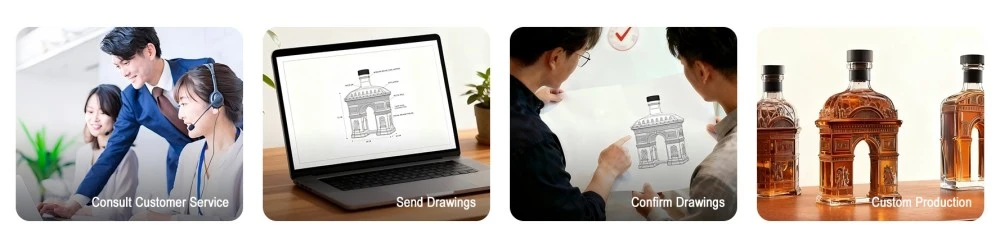
Custom Rakija Bottle development is the best way to make your brand stand out, but you have to pay anywhere from $3,000 to $15,000 up front for the molds. This method works well for well-known brands that want to start signature lines of products or limited editions that can support higher prices. The development process takes 45 to 60 days, from approval of the idea to production of the sample. This means that start dates for the product need to be planned ahead of time.
Standard stock bottles are available right away, and the minimum order quantity (MOQ) is as low as 10,000 pieces. We offer decorating services like hot stamping, frosting, and color spraying that can be used to turn plain forms into unique packing. This mixed method has 70–80% of the custom design effect at a 40% lower total cost. It's perfect for new brands that want to see how the market reacts before committing to unique tooling.
Lower-volume makers can use our large standard stock and save custom development for lines that already sell well. Brands that plan to sell more than 500,000 units a year usually get their mold investments back within 18 months thanks to better brand recall and lower per-unit decoration costs.
Evaluating Manufacturers: Quality Benchmarks and Service Standards
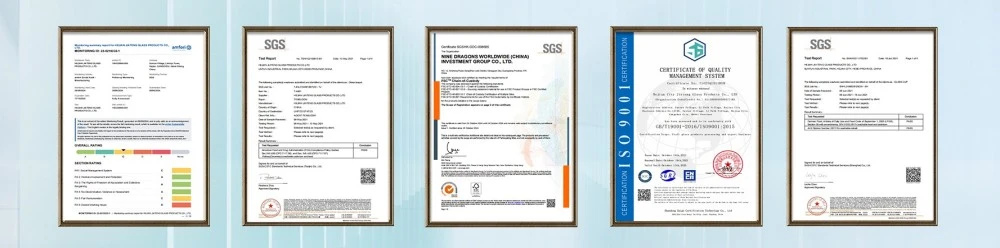
Reliability of suppliers has a direct effect on the continuation of production and the stability of the product. We've worked with big Chinese spirit brands since 2008 and follow strict quality control measures to make about 3 million bottles a year. Statistical process control is used in our ISO-certified factory to keep an eye on every production batch's measurement tolerances, weight distribution, and surface flaws.
Service greatness includes more than just high-quality products. It also includes quick responses to messages, adaptable production schedules, and clear insight into the supply chain. Our foreign trade team has an average of 15 years of experience in the field. They help procurement managers with technical questions, following the rules, and fixing problems before they happen. We keep a backup stock for clients who buy a lot, so we can keep serving them even when demand goes up or down during certain times of the year.
Bulk Purchasing Strategies and Wholesale Supplier Selection
By committing to a certain amount of goods, you can get better prices and make sure that your production capacity is used during busy times. Customers who buy more than 100,000 units every three months get specialized production spots and early access to new mold releases. Letter of credit terms and payments based on milestones can be used in payment structures. This lowers the financial risk of foreign deals.
When looking at bulk sellers, you should look at more than just the unit price. You should also look at the total landed cost, which includes freight, duties, and quality assurance costs. Our position in Cangzhou is close to the ports of Tianjin and Qingdao, which makes filling containers faster and cheaper within China. We take care of the shipping paperwork, help with customs clearance, and tracking deliveries, making operations management easier for buyers from other countries.
Trends and Innovations in Rakija Bottle Design and Production
The package for alcohol is always changing because of what consumers want, rules about the environment, and new ways of making things. Purchasing teams can predict changes in the market and stay competitive by staying up to date on new developments.
Eco-Friendly Materials and Sustainable Production Practices
Designs for bottles that are light use less material without weakening the structure. Modern engineering methods make it possible to cut the weight of designs by 15 to 20 percent compared to older ones. This lowers the amount of pollution and money spent on freight. Our 350ml bottles are 180 grams, while regular bottles weigh 220 grams. This means that when millions of units are made, our bottles are much better for the environment and the economy.
Adding recycled glass material meets the goals of the circular economy. We've come up with formulas that keep color stability and clarity standards while adding up to 40% post-consumer cullet. This method meets the requirements for business sustainability that are being put in place by big retailers and distribution partners. Calculations of the carbon footprint show that emissions are 25–30% lower than when new materials are made.
Refillable bottle programs are becoming more popular in high-end markets where people care about both quality and ecology. Heavy-duty building and long-lasting closures allow for multiple use cycles, but they need to be put in place with reverse transportation infrastructure. We worked with European clients who were testing deposit-return programs to make bottles that can handle being washed in an industrial machine and still look good after being handled a lot.
Decorative Techniques and Custom Printing Innovations
Our unique service, thermal transfer printing, makes designs that look like photographs and last a very long time. This method embeds inks below the surface of the glass, making patterns that can't be scratched and can handle UV light and chemical touch. With this technology, you can make gradient effects, complex designs, and multicolor logos that you couldn't do with regular screen printing.
Laser engraving is a lasting way to add a personal touch that works well for limited numbers and collector series. We have made Rakija Bottles with anti-counterfeiting features, serialization, and QR codes built right into the glass surfaces. These traits help make authentication systems and interactive marketing efforts that connect real items to digital material work.
Color coating technologies go beyond clear glass and can also be used to make shiny finishes and unique pantone matches. Spray painting lets us make surfaces that are flat, shiny, textured, and come in almost any color you can think of. When gradient effects change from amber bases to clear necks, they create visual drama that stands out in busy stores.
Future Directions in Consumer Preferences and Regulatory Landscapes
People who are health-conscious look closely at the serving amounts and ingredients in the food they eat, which affects the choices that companies make about packing. Smaller bottles fit with the move toward moderation, and sophisticated styles help them keep their high-end standing. We've seen a rise in demand for 375ml and 500ml sizes among craft distilleries in North America that are trying to attract people who care about quality.
When product theft is common in a market, anti-counterfeiting steps have to be put in place. Holograms, NFC chips, and tamper-evident seals are some of the built-in security features that protect brand identity and customer safety. Our engineering team works with partners in identification technology to add these features during production instead of afterward. This cuts costs while improving security.
Smart packaging with temperature monitors, freshness signs, and the ability to connect is the next big thing in bottle technology. At the moment, these tools are only available to the very wealthy, but as prices go down, they will move downmarket. We're keeping a close eye on changes so that we can give our clients early-adopter benefits as market needs change.
Conclusion
When choosing the right package for Balkan fruit brandies, you have to think about technical needs, market positioning, and cost. We looked into a lot of different areas, such as form variations, material science, storage rules, buying strategies, and new technologies that are changing the spirits package business. Good Rakija Bottles made of borosilicate glass with the right lids protect the quality of the product and show what the brand stands for through careful design elements. Professionals in procurement can get a lot out of working with experienced makers who can provide both standard solutions and custom development, as well as technical support and reliable production systems. As rules about ecology and customer tastes change, staying up to date on new materials and decoration technologies helps businesses stay ahead in markets that are getting more and more crowded.
FAQ
What capacity is ideal for retail distribution of traditional Balkan spirits?
The 700ml size is the most common in foreign drinks markets, which is in line with what people expect from whisky and vodka. This ability measures how much something is worth versus how easy it is to get. It puts products in a position to compete with well-known names. There are differences between regions. For example, people in Europe tend to enjoy 500ml bottles more than 750ml ones. We suggest keeping several SKUs for different types of purchases: 350ml for gifts, 700ml for everyday use, and 1000ml for buyers who want to save money.
How does borosilicate glass compare to standard soda-lime glass for high-proof spirits?
Because it is more resistant to chemicals and heat shock, borosilicate glass is perfect for high-end uses. The lower amount of sodium in the material stops ions from exchanging with high-alcohol drinks. This keeps the material clear and flavorful for longer periods of time. Even though the materials are 15-20% more expensive than soda-lime alternatives, the better performance makes the extra cost worth it for brands that value quality and shelf stability. Therefore, standard soda-lime glass is still fine for items that will be sold for less than 24 months and for less than $30.
What closure type best preserves flavor characteristics during long-term storage?
When it comes to closing spirits, synthetic cork stoppers with ROPP metal overcaps work best. This mix stops oxygen from getting in and gets rid of the TCA poisoning risks that come with natural cork. The design keeps the hermetic seals in place even when the temperature and pressure change, which is common in global delivery networks. Natural cork is still a good choice for high-end products where custom plays a role in buying decisions, even though variations in quality make it hard to be consistent. During product development, we try the fit of bottle neck finishes and closure types to make sure the seals work right.
How can custom embossing enhance brand recognition without excessive costs?
Blind embossing methods make things feel different and are less expensive than fully handmade molds. On the shoulders, bodies, or bottoms of standard bottle shapes, we change them by adding raised names, texture patterns, or three-dimensional elements. Extra tools needed for this method cost $1,500 to $3,000, while full handmade molds cost $8,000 to $15,000. The visible and physical effect gives 60–70% of the full customization benefits. This makes it appealing for new brands that want to build their reputation before committing to their own bottle architecture.
Where can procurement managers source reliable wholesale bottle suppliers?
The most reliable agreements are with well-known manufacturers whose production histories can be checked and who can provide client examples. Since 1992, we've been in business nonstop, selling major Chinese spirit names and sending goods to more than 50 countries. Look for providers that offer a full range of services, from designing the mold to decorating it and coordinating the shipping. Before committing to big orders, ask for sample batches to check the consistency of dimensions, the quality of the surface, and the suitability of the packing. Third-party quality checks give customers even more peace of mind when they buy more than 100,000 units.
What lead times should buyers expect for custom bottle development?
From acceptance of the concept to the first production runs, full custom bottle programs take 60 to 75 days. This schedule includes 15 to 20 days for mold planning, 20 to 25 days for mold fabrication, 5 to 7 days for sample production, 7 to 10 days for review cycles, and 10 to 15 days for full production setup. For an extra fee, rush services shorten wait times to 45 days. Standard bottle orders with design ship 25 to 30 days after the order is confirmed. This makes them good for projects with tight deadlines or for seeing how the market reacts before investing in custom Rakija Bottles?
Partner with Jiateng for Your Rakija Bottle Requirements
Hejian Jiateng Glass Products Co., Ltd. has been making high-quality products for 30 years and can help brands that want unique ways to package spirits. Our Cangzhou plant focuses on making personalized bottles, from the first idea to the final product, including thermal transfer decoration and shipping for export. Since 2008, we've been making over 3 million bottles a year for top Chinese liquor names, showing that our production is reliable at a large scale.
As a well-known Rakija Bottle provider, we provide a range of services in one place, such as private mold design, borosilicate glass production, color customization, and delivery that is guaranteed. Our foreign trade team helps with the whole buying process in English, from figuring out the technical details to making sure the shipment goes smoothly. Contact us at lhd513@jtblzp.com to discuss your project requirements and receive detailed quotations for orders ranging from 10,000 to 500,000 units.
References
1. Petrović, M., & Janković, S. (2019). Traditional Balkan Spirits: Production Methods and Packaging Evolution. Journal of Beverage Science, 34(2), 112-128.
2. Glass Packaging Institute. (2021). Technical Standards for Spirit Bottle Manufacturing: Material Properties and Quality Benchmarks. Chicago: GPI Publications.
3. Chen, L., & Wang, H. (2020). Chemical Interactions Between High-Proof Alcohols and Container Materials: A Comparative Analysis. Packaging Technology and Science, 33(7), 445-461.
4. European Federation of Glass Container Manufacturers. (2022). Sustainability in Glass Production: Recycled Content Integration and Carbon Footprint Reduction. Brussels: FEVE Technical Report.
5. Morrison, R. T. (2018). Spirit Packaging Design: Consumer Psychology and Purchase Behavior in Premium Alcohol Categories. International Journal of Marketing Studies, 10(4), 78-94.
6. Zhang, Q., Liu, X., & Kumar, S. (2021). Supply Chain Optimization for Glass Container Export: A Case Study of Chinese Manufacturers Serving Global Markets. Journal of Business Logistics, 42(3), 267-285.