


Personalizing A Liquor Bottle: Engraving Ideas
For making a strong brand impact in the competitive drinks market of today, Personalized Liquor Bottle And Glasses are more than just useful packing. When you design these boats, they become long-lasting brand agents that show how committed you are to quality and detail. Using engraving methods like laser etching, sand-carving, and thermal transfer printing, distilleries, brand managers, and procurement professionals can make unique packaging that connects with customers on an emotional level while still being strong enough for commercial distribution. This guide talks about useful engraving ideas that can turn your liquor boxes from ordinary containers into collectible brand objects.
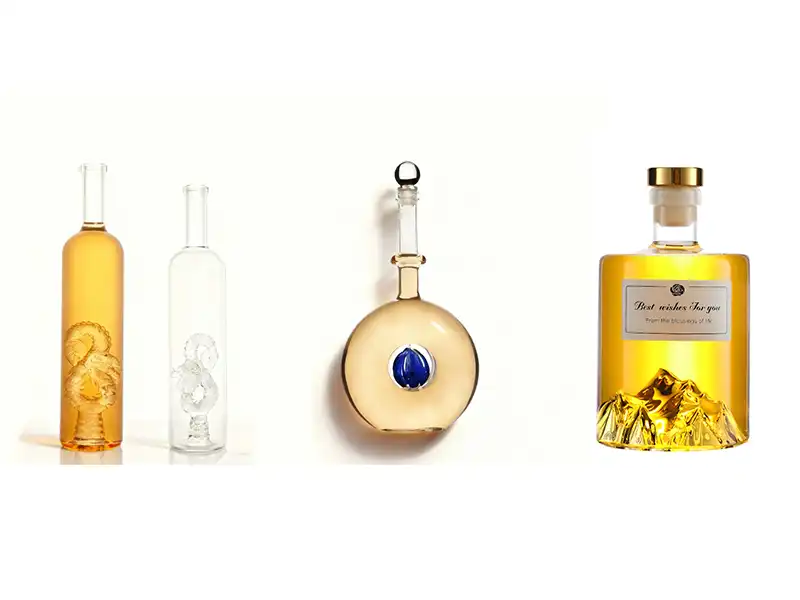
Understanding Personalized Liquor Bottles and Glasses
Custom glasses is a lot more than just putting a name on it. Today's Personalized Liquor Bottle And Glasses are high-tech brand touchpoints that blend good looks with precise production. The first step in customizing something is to understand the main differences between the methods that are offered and how they are used in business settings.
What Makes Glass Personalization Unique?
In the drinks business, personalized barware is useful for more than one practical reason. Labels made of paper can peel off or fade, but patterns that are etched into glass stay there forever. Because the bottles last a long time, the brand is seen for a longer time, especially when they are used as decorations or collectibles after the contents are gone. High borosilicate glass is often used in high-end uses because it is very clear and makes etched details stand out. It can also handle changes in temperature during production and use.
Choosing the right materials affects both how they look and how well they work. Super Flint glass is very clear and lets spirit colors shine through. It can also be deeply etched for feel logo experiences. When compared to shiny surfaces, frosted finishes look classy and make brand features stand out on store shelves. Craft drinks stores are selling more and more black glass gin bottles. To make them look even better, add metallic or white lettering that stands out.
Key Personalization Methods Compared
Different ways of customizing serve different business needs. Laser engraving is very accurate and can handle complex designs and changeable data personalization. This makes it perfect for limited editions or business gift programs that need to name each recipient. The process uses directed light to break up the glass surface very small. This leaves marks that can't be washed or handled again.
Deep etching, which is another name for sand cutting, removes glass material physically to make smooth, high-quality relief surfaces. When compared to laser methods, this method gives a smoother finish and lets you add coloring effects by changing the depth of the cut. The texture that was made has a slight luxury that draws to high-end customers.
When you use thermal transfer printing on colored glass, the ceramic colors become irreversible after being fired at high temperatures. This method allows for full-color printing and photographic images, which opens up more creative options for special versions or seasonal releases. When our 500ml black glass bottles are made in Cangzhou, Hebei, they use this method to get bright, long-lasting pictures that stay looking good after years of use.
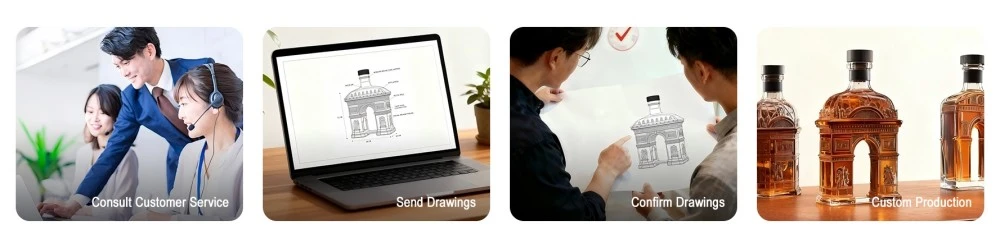
How to Personalize Liquor Bottles and Glasses: Step-by-Step Guide
For customization to succeed, it must be carefully planned so that design concepts align with production capabilities and market positioning. Personalization begins long before manufacturing, with strategic decisions about bottle structure and surface treatment—especially when developing Personalized Liquor Bottle And Glasses that combine uniqueness with practical production feasibility.
Selecting the Right Glass Canvas
The form of the bottle has a big effect on how well the lettering works. The most constant etching area is found on cylindrical surfaces. Architectural or angular bottles, on the other hand, create dramatic light reflection that makes etched details stand out. The width of the glass is very important. Walls that are 3–5 mm thick give you enough depth for deep etching without weakening the structure. When designing a cast, procurement managers should make sure that the wall thickness standards are met so that there is enough material for deep relief work.
Capacity issues go beyond just needing a certain amount of space. A 500ml bottle has reasonable sizes that allow for a lot of design space on both the front and back panels while still looking classy on the shelf. The neck diameter and finish type need to match the closing systems. This is especially important when custom caps or corks are part of the brand's general presentation.
Advanced Engraving Techniques in Production
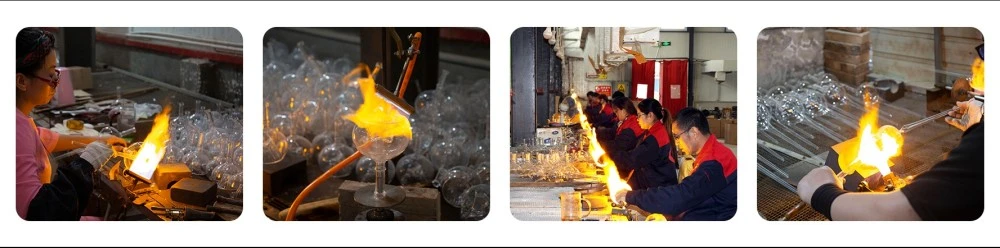
These days, factories use computer-controlled systems that turn digital artwork into exact etching designs. Vector-based designs make sure that edges are clearly defined at all sizes, while raster images use carefully controlled dot patterns to make photographic effects. When you buy a lot of something, the link between how complicated the art is and how quickly it can be made becomes very important. Patterns that are complicated and need more than one pass usually take longer to make.
Masking methods protect surfaces that aren't being carved while sand-carving is being done. Vinyl cutouts that are precisely cut stick to glass, letting abrasive media shape only the parts that are visible. The finish texture is affected by the size of the gritty particles. Coarser media creates rougher texture that works well with bold graphic elements, while finer grits make surfaces that are smoother and better for elegant script types.
When we work with spirits brands on special projects, our tech team looks at the artwork's viability during the first meetings. This proactive method stops delays in production and makes sure that finished goods are the same as samples that were accepted. Because we've been making things for 30 years, we know a lot about how design choices affect the qualities of glass and the limits of production.
Maintaining Engraved Glassware Standards
If you take good care of your unique bottles and cups, they will last a lot longer. Sand-carved surfaces don't wear down easily, but they do benefit from being cleaned gently with materials that don't scratch. When you're in a commercial cleaning area like a bar or restaurant, you need to be extra careful. Kiln-fired decorations can handle industrial washing cycles, but some shiny accents may need to be washed by hand.
The way something is stored affects how it looks over time. Glass can become stressed when it is exposed to strong chemicals or sudden changes in temperature, especially in deeply etched places where the material thickness is lower. Specifications for purchases should include requirements for packaging that keeps etched surfaces safe while they're being shipped. This can be done with custom die-cut foam inserts that hold bottles in place inside cardboard containers while keeping protective clearance zones.
Comparing Personalized Liquor Bottles: What Works Best for B2B Procurement?
Cost structures must be balanced against performance needs and brand branding goals in order for procurement decisions to be made. In different buying situations and market uses, each personalization method offers a different set of benefits.
Durability Analysis: Engraving Versus Printing
One important thing that sets modification methods apart is their permanence. When patterns are engraved into glass, they become part of the structure and can't be taken off of the base. This physical connection makes sure that images will last forever under normal use. Screen-printed designs look bright at first, but they might not stick well over time or if they are cleaned with rough materials. On the other hand, new clay inks fired at the right temperatures last a very long time.
When you touch engraved surfaces, you can have brand experiences that go beyond just seeing the logo. When customers handle bottles, they physically feel logo relief, which activates more memory circuits that help them remember the brand. This tactile factor is especially useful for positioning products in the high-end market, where experiences that involve more than one sense support higher prices.
Cost-Efficiency in Volume Production
The costs of setting up each tailoring method are very different. Engraving doesn't need many tools other than digital file preparation, so it can be done at a low cost even for small quantities. For screen printing, a new screen needs to be made for each color. This means that the starting costs are higher, but they are spread out over bigger production runs. Our way of making things makes the most of these economics—orders starting at 10,000 pieces get good per-unit prices while still letting you make changes that are needed by changing spirits markets.
Procurement planning processes are affected by lead time issues. Laser printing and thermal transfer work well with other production steps and usually only add a few days to the normal time it takes to make something. Complex multicolor uses or specialized finishing methods may cause schedules to slip, so buying teams and manufacturing partners need to plan ahead.
Market Preferences in Premium Spirits Packaging
User feedback from the US and EU markets makes it clear that people want to see signs of real workmanship. Deep-etched logos give the impression of handmade quality, which fits with the high-end marketing strategies used by small distilleries and limited-edition programs. The depth of field caused by shadow play in etched surfaces photographs very well, which is becoming more and more important as social media plays a bigger part in selling spirits.
Bourbon and whiskey go especially well with heavy-bottomed decanters that have a lot of engraving on them. Because the category is traditionally linked to history and workmanship, tactile customization works especially well in this case. Gin markets, on the other hand, love architectural bottle shapes with selective carving that highlights plant themes or regional identity. For example, our black glass bottles were made just for modern gin branding.
Where and How to Buy Personalized Liquor Bottles and Glasses for Your Business?
When making sourcing choices, suppliers need to be carefully evaluated across a number of performance factors. There are a lot of companies in the market for Personalized Liquor Bottle And Glasses, and their services, quality standards, and skills are all different.
Evaluating Manufacturing Partners
A supplier that has been around for a long time shows steadiness and knowledge. Established makers who have been in business for decades have improved their processes through many production cycles, building up institutional knowledge that keeps them from making the same mistakes. Since our company began in 1992, it has been owned by three different families. During that time, we have continued to invest in technology while still upholding traditional standards of craftsmanship that lead to great results.
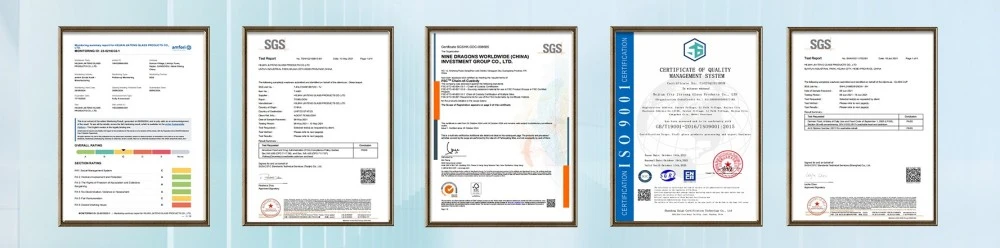
Quality certifications set concrete rules for how things should be made. Certifications for food-grade materials, ISO compliance, and export paperwork all show that a company is committed to meeting foreign quality standards. We work with well-known Chinese drinks brands like Xifeng Wine and Wuliangye, and since 2008, we've been making about three million bottles a year. This shows that top brands trust us to make consistent products.
Technical help is what sets capable sellers apart from basic makers. Having access to experienced engineering teams that can help with design optimization, mold development, and painting specification makes sure that projects go smoothly from the idea stage to delivery. Our international trade experts have been exporting for fifteen years, which makes it easier for buying teams that are in charge of global supply chains to communicate and file paperwork.
Streamlined Ordering for Bulk Procurement
Modern sites for buying things have design tools built in that let you see how different customization choices will look before you commit. Digital rendering lets brand managers see how names, text, and images will look on real bottle shapes, which cuts down on the number of changes needed and speeds up the approval process. These systems should be able to handle variable data for personalized gift sets or special versions where each unit needs its own content.
Depending on how far along a project is, the ordering process should allow for different starting points. Some clients come with full technical plans and only need the manufacturing to be carried out. Other clients, on the other hand, need full support from the first sketch of an idea to the final decoration specs. Our customization process covers this range by providing 3D-printed prototypes that allow physical testing before investing in a mold, making sure that designs meet both useful and aesthetic standards.
Budget Considerations Across Order Scales
Pricing systems that are clear help procurement workers make good use of their funds. As expected, as the number of orders goes up, the cost per unit goes down, but this isn't always the case for all types of customization. When you print more, the costs of screen printing go down more dramatically than when you engrave because the setup costs are spread out over time. Choosing the right material has a big effect on the price. Clear glass is the most basic option, while unique colors, frost finishes, or lead-free crystal alternatives cost more because they have better qualities.
The minimum order amounts are based on how glass is actually made. Dedicated production runs need a certain amount of work to warrant setting up the machines and making sure the quality stays stable. Our 10,000-piece minimum strikes a mix between making our products available to new brands and meeting the needs of efficient production. On the other hand, our ability to handle orders over 500,000 units helps established brands that are sold across the country.
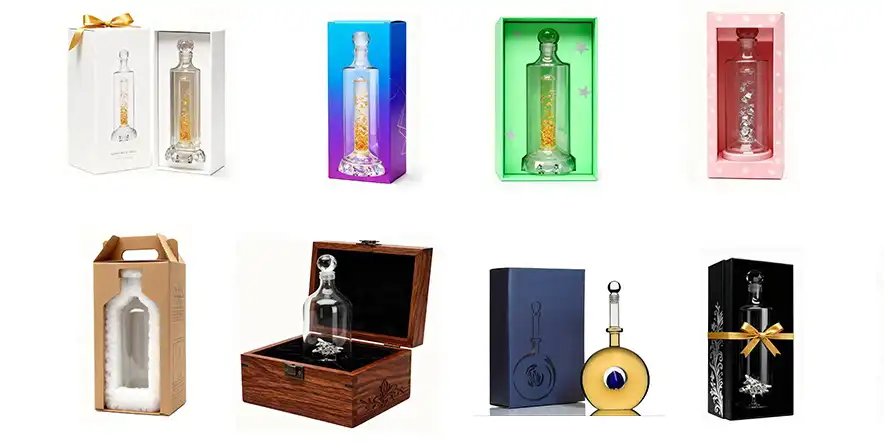
Engraving Ideas to Elevate Your Personalized Liquor Bottles and Glasses
When practical customization is carried out creatively, it turns into memorable brand expressions. When brand stories are reflected in thoughtful design choices, emotional ties are made that go beyond business relationships.
Signature Brand Elements
Adding a logo is the basis of most personalized projects, but the quality of the work varies a lot. When you just copy a brand, you miss out on chances to add depth. When you use deep etching with different depths, you can make shadow effects that make logos move when the lighting changes. Adding minor textural areas around brand marks—maybe geometric patterns that look like label designs—makes a visual order that draws attention to key brand elements.
Typography choice has a big impact on how people see a brand's style. Classic serif fonts convey history and custom, making them perfect for types of aged drinks with well-known origin stories. Modern sans-serif solutions go well with the style of modern craft distilleries, which value new ideas and being friendly. Script styles add a touch of class that works well for high-end brands, but they can be hard to read at smaller sizes, so be sure to check that carefully.
Adding a tagline to a message takes it beyond just being a picture. Every pour supports the brand's stance with a well-chosen phrase etched below the main logo. Engraved text makes implicit quality associations because it is permanent. Brands that are sure of their promises and are willing to cut them into glass show they are committed to high standards that will last.
Thematic Designs for Occasions and Seasons
Customization for an event provides a sense of urgency and collectibility that makes people want to buy. Holiday releases with the right seasonal images—frosted pine motifs for winter spirits, floral drawings for spring gins—turn regular goods into packages that look like they would make great gifts. Customization of corporate honor programs that recognize specific accomplishments or events is helpful. Personalized dates, recipient names, or commemorative notes can make gifts more meaningful than generic ones.
Numbering a limited print adds an air of exclusivity that buyers actively seek. By writing production numbers directly on bottles, like "Edition 347 of 2000," you create a false sense of scarcity that supports higher prices and sparks interest in the secondary market. When there is a real limit, like with barrel-select sales or distillery anniversary versions, this method works really well.
Geographic or cultural themes help build brand personality in a certain area. By etching outlines of cityscapes, topographic maps of spirit beginnings, or architectural sites, you can instantly connect visually with a place. These ways of designing bottles work really well in tourist markets, where they are used as experienced keepsakes, and in export markets, where being able to tell the difference between origins gives you a competitive edge.
Coordinated Bottle and Glassware Sets
When you combine personalized bottles with matched glasses, you get high-end gift sets that sell for a lot more than the individual items. Design consistency across the set, like using the same engraved designs, images that go well together, or matched lettering, creates a unified brand experience that raises the perceived value. A 500ml bottle and two cut drinking glasses make a ready-to-gift set that makes it easier for customers to buy and raises the average transaction value.
Functional concerns make bundles more appealing. For cocktail lovers, glasses with measurement marks etched into them are useful, and artistic etching around the sides makes them look nice without getting in the way of drinking. Base carvings on glasses can be seen while they are being used, which keeps the brand noticeable throughout the whole experience.
The boxes that these sets come in should also get some attention. When you open a premium rigid box with die-cut foam inserts that show off each part, you create an opening experience that leads to social media content, which naturally increases your marketing reach. This all-around approach to presentation takes into account that the experience of a product starts when the package is opened and continues with every contact after that.
Conclusion
Personalized Liquor Bottle And Glasses are smart investments that help brands stand out in drinks markets that are getting more and more crowded. Standard packaging can be turned into memorable brand touchpoints that last long after the initial purchase using engraving methods ranging from laser precision to hand-carving in sand. To make implementation work, you need to know the technical details of the different ways to customize products, choose manufacturing partners with a track record of success, and come up with unique ideas that tell true brand stories. Whether you're putting out limited versions, running company gifting programs, or setting up a permanent brand architecture, thoughtfully personalized glassware makes an effect that lasts longer than any generic packing.
FAQ
Can whiskey bottles be customized with deep engraving?
Of course. Deep engraving methods work especially well on whiskey bottles because they meet the category's standards for skill and durability. When it comes to high-end whiskey packaging, the thick glass walls make a great base for large relief levels that create dramatic shadow effects. Depending on the width of the bottle wall, sand carving can go as deep as 0.5 to 1.5 mm.
What are typical turnaround times for large personalized bottle orders?
Lead times depend on how complicated the job is and how many molds are already available. Orders with standard bottle forms and only decoration changes usually take 15 to 25 days from acceptance of the artwork to production finish. For projects that need a new cast, the schedule is extended by 35 to 45 days to allow for testing and making the mold. Sample production takes an extra 5–10 days, but it's important to make sure everything works before committing to full production runs.
How do you ensure consistent engraving quality across large production runs?
For consistent quality in large-scale production, the process needs to be controlled in a planned way at several steps. The quality standard that all future production must meet is set by the initial acceptance of artwork against actual samples. During production, samples are taken at set times—usually every 500 to 1000 units—to make sure that the standards are still being followed. Computer control keeps automated cutting systems consistent, so there is no room for human error. Skilled workers do keep an eye on the equipment's performance at all times, though.
Are engraved bottles suitable for commercial dishwashing environments?
Commercial dishwashing doesn't damage engraved surfaces because the change to the glass is permanent and can't be undone by chemicals or mechanical action. The main thing to think about is any other artistic elements that might go with the inscription. When professional washing chemicals and high temperatures are used on metal accents, especially valuable metal rims, they can break down. Unless properly kiln-fired, screen-printed parts may finally show wear when washed in an industrial setting.
What minimum order quantities typically apply to custom engraved bottles?
Minimum order requirements are based on how much it costs to make and decorate glass. For unique projects, most professional makers set minimums of between 5,000 and 10,000 units. However, this can change depending on the complexity of the bottle and the needs for decoration. These amounts allow for efficient production runs that make up for the time it takes to set up the machines and make sure the quality is stable. Some suppliers give higher-cost low-volume options for testing or very restricted releases.
Partner with Jiateng for Premium Personalized Liquor Bottle And Glasses Solutions
To every custom bottle job at Jiateng, we bring 30 years of experience making the best glasses. During the whole customization process, from the first sketches of an idea to the delivery of production-ready stock, our tech teams work together with brand managers and procurement professionals. We know how important accuracy and consistency are for successful spirits packing programs because we are a trusted Personalized Liquor Bottle And Glasses provider that works with over 50 countries.
Our relationships with top Chinese spirits brands show that we can deliver millions of bottles every year while still meeting the high quality standards that come with an expensive position. Our Cangzhou plant can make anything you need. This includes custom-shaped bottles with detailed engraving, sets of glasses that go with them, and full decoration services that include thermal transfer and metallic accents. Email our team at lhd513@jtblzp.com to talk about your unique needs, get samples of our black glass bottles and other high-end options, or get full quotes for the launch of your next product.
References
1. Chen, W., & Liu, H. (2021). "Advanced Glass Decoration Techniques in Premium Spirits Packaging." Journal of Packaging Technology and Science, 34(8), 445-462.
2. Morrison, K. (2020). "Brand Differentiation Through Tactile Packaging: Consumer Response to Engraved Glass Containers." International Journal of Marketing Studies, 12(3), 78-94.
3. Patterson, R., & Williams, D. (2022). "Manufacturing Process Optimization for Custom Glass Bottle Production." Glass Technology: European Journal of Glass Science and Technology Part A, 63(2), 112-128.
4. Reynolds, S. (2019). "The Evolution of Spirits Packaging: Material Selection and Decoration Trends in North American Markets." Beverage Industry Magazine Annual Review, 89-107.
5. Thompson, J., & Anderson, M. (2023). "Sustainable Practices in Customized Glass Manufacturing: Environmental Impact and Economic Viability." Journal of Cleaner Production, 298, 126-143.
6. Zhang, L., Wang, Q., & Yang, X. (2022). "Quality Control Systems in High-Volume Glass Container Manufacturing: A Case Study Approach." International Journal of Quality & Reliability Management, 39(4), 891-910.