



What are some iconic bottle designs?
What comes to mind when you think of your favorite spirit? Aside from the taste, iconic bottle designs make a lasting impact that shapes company identity and the customer experience. Interesting shaped alcohol bottles have gone from being simple containers to strong storytelling tools that grab buyers' attention at first glance. The simple Swedish beauty of Absolut Vodka, the hand-blown artisan bottles of Patrón Tequila, and the recognizable skull shape of Crystal Head Vodka all show that packaging is more than just a way to hold things. It's art, a conversation starter, and a way to gain a competitive edge. These unique containers solve problems with shelf exposure, show that the product is high-end, and make emotional links that influence buying decisions in markets around the world.
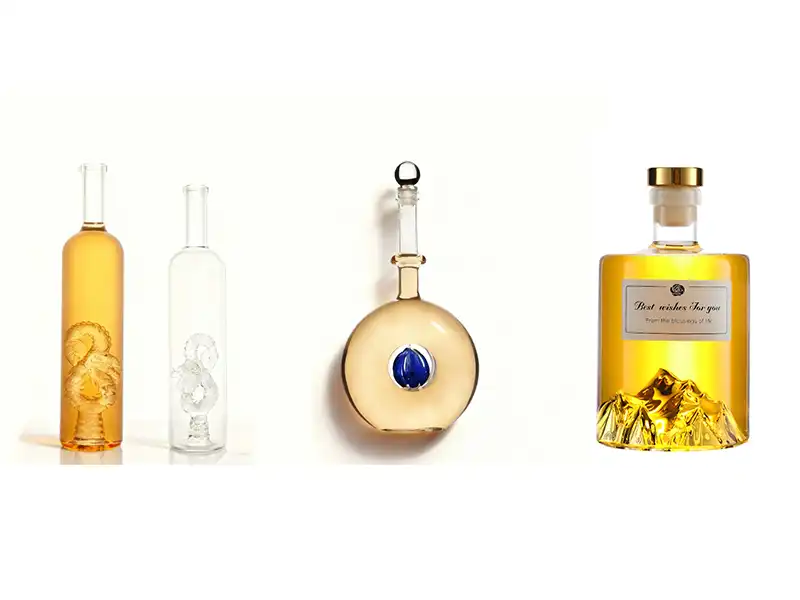
The Evolution of Iconic Alcohol Bottle Designs
The story of how booze packaging has changed over time is truly amazing. A long time ago, drinks came in standard cylindrical glass containers that were made to save money over be artistic. Because manufacturers only cared about standardizing production, it was hard for brands to stand out physically. In any booze shop in the middle of the 20th century, you would find rows of bottles that were almost exactly the same. The only thing that made them different was the paper labels on them.
When some brands saw that wrapping could be used as an unused marketing tool, everything changed. Absolut Vodka changed the business world in 1979 with its clear, medicine-bottle-style design, which was used as a canvas for more than 1,500 limited-edition art projects. It was shown by this change in strategy that bottle architecture could become linked to brand personality. With its distinctive square shape and 24-degree label angle, the famous Johnnie Walker bottle was made to stand straight during sea voyages—a useful invention that became a worldwide sign of quality.
Crystal Head Vodka went even further with their creative packaging by asking actor Dan Aykroyd to make a skull-shaped bottle based on a story about crystal skulls. The unique design started talks, created a lot of buzz on social media, and put the brand in the ultra-premium area, even though it was a fairly newcomer to the market. These case studies show how smart bottle design changes people's minds, gets goods more expensive, and turns everyday items into collectible statement pieces.
Modern bottle design is influenced by many things, such as changes in architecture, cultural heritage, nature landscapes, and even the shapes of bodies. We've seen vodka bottles that look like diamond cuts, whiskey decanters that look like Scottish castles, and tequila bottles that look like agave plants. More than just buying things, people today want experiences, not just things. This change in art represents that. They want packaging that tells a story, shows values, and looks good enough to be displayed in home bars after the contents are gone.
From Standardization to Brand Storytelling
The change from general containers to designs that were based on stories happened slowly but surely. Early users who spent money on handmade molds had big benefits over their competitors. Their bright bottles broke up the routine of crowded store shelves, caught people's attention during split-second buying choices, and justified the higher prices by making the products seem more valuable. Brands found that unique forms cut down on the need for large label images because the shape of the bottle itself communicated the essence of the brand.
Cultural Influences and Artistic Movements
Bottle makers now work with fine artists, sculptors, and culture historians to make bottles that appeal to a wide range of people. Japanese whisky brands use simple designs and traditional methods of handiwork, while American craft companies like things to look old and hand-made, which shows they are real. Well-known glassmakers are hired by European luxury brands to make limited-edition decanters that blur the lines between art and packing. This mixing of cultures makes the spirits category better and helps brands connect with their target customers in important ways.
Complex Engineering to stop Counterfeiting
In addition to looking nice, complicated bottle shapes are also useful for security reasons. Forgers who want to copy high-end goods have a hard time because complex molds that need special tools and technical know-how are a big problem. The money that is needed to make copies of irregular forms, multi-piece kits, or embossed surface textures keeps brands honest and keeps customers safe. When choosing package partners for high-value spirit launches, procurement managers are putting more and more weight on these features that stop imitation.
Dimensions of Unique Alcohol Bottle Designs
To fully understand what makes bottle designs truly unique, you need to consider multiple factors that align appearance with function, especially when dealing with interesting shaped alcohol bottles. Packaging solutions that work well meet people's desires for good looks while also being able to be manufactured, working with other parts of the supply chain, and being environmentally friendly.
The most obvious aspect is still artistic expression. Sculptural bottles turn drinks into high-end items that fans and experts who want to make investments will want. Limited-edition items with hand-painted details, valuable metal accents, or crystal embellishments sell for very high prices and give the brand status that spreads to all of its products. These works of art often go up in value after they come out, especially when they are connected to important anniversaries, famous partnerships, or historical events.
The practical factor looks at how the product is used in real life, which affects how satisfied customers are and how they feel about the brand. When there are a lot of customers, bartenders need to be able to easily hold on to bottles with strange shapes. It is especially important to think about ergonomics when bottles are used in fancy restaurants and bars for showy bottle service. Innovative solutions include mirrored surfaces that reflect LED lighting and give the item a textured feel for easy handling, weighted bases that keep the item from tipping over even when it has a heavy design on top, and pour spouts built into artistic neck formations.
As people become more concerned about the earth, sustainability becomes an even more important factor. Post-consumer recovered glass, lightweight materials that lower transportation pollution, and modular parts that make it easy to take apart for recycling are all used in modern bottle designs. Companies that believe in the cycle economy make bottles that can be used again and again. For example, high-end decanters are made to be fixed pieces of barware that customers can refill or use for something else. These eco-friendly methods are in line with government rules and customer preferences, and they might also lower long-term packing costs.
Research in the field backs up the idea that using unique shapes to place products in the market has real benefits. A study of how well spirits sell in stores shows that goods in unique bottles have 15–30% higher sell-through rates than the standards for the category during the first few weeks after release. The visual difference gives the items "stopping power" that breaks up normal shopping habits and makes people more likely to buy things on the spot. Premium brands take advantage of this by spending in their own bottle designs that become an important part of their brand personality.
Here are the main benefits that different bottle styles bring to everyone in the value chain:
- Brand Recognition Enhancement: Unique shapes make it easy to spot products in stores, which cuts down on the money that needs to be spent on marketing to educate customers. A truly famous shape becomes a way to quickly remember what a brand stands for and what a product is like.
- Premium Pricing Justification: Custom bottles show that they are of better quality, were made by hand, and are unique, all of which support higher prices. Consumer perception studies consistently show that the complexity of the package is linked to how valuable people think the product is. This is because people think that better bottles hold better goods.
- Retail Shelf Dominance: Shapes with three dimensions take up more visible room than cylinder-shaped bottles, drawing attention away from rivals. Strategic bottle design makes the most of shelf facings and turns bottles into mini-billboards in stores.
- Social Media Amplification: photogenic bottles create natural user-generated content when people take pictures of and share unique gifts. This free marketing exposure brings a lot of attention to the company and makes package investments worthwhile.
- Corporate Gifting Appeal: When companies choose expensive spirits as gifts for clients or as part of employee appreciation programs, they look for bottles that look nice and show that they care about the company and its employees. Unique designs make gifts seem more valuable than their goods alone.
When these benefits come together, they make competitive moats that protect market places and help build brand equity over time. When procurement professionals are looking at packing strategies, they should weigh these many benefits against the fact that they will cost more to make the first tools.
Material Innovation and Technical Specifications
New developments in material science have led to better bottle designs that allow for more artistic options. High-quality borosilicate glass is better at handling thermal shock, so it can be used for decorating techniques like hot pressing and thermal transfer without affecting the structure. This substance keeps its visual clarity, which brings out the color of the spirit—this is very important for brown whiskeys, golden tequilas, and crystal-clear vodkas. Extra-flint glass recipes reduce greenish tints, making the clear glass that high-end names want.
Careful testing is needed to meet the technical requirements for each bottle. Wall thickness changes for complicated shapes, so exact mold making is needed to keep the structure strong. Heavy-bottom designs that weigh 750 to 900 grams for standard 750ml bottles give the bottles a substantial feel in the hand that customers associate with quality. However, these specs raise the costs of raw materials and shipping weights, which affects overall procurement budgets. During the design development stages, it's important to find a balance between attractive goals and practical concerns.
Choosing the Right Iconic Bottle Design for Your Brand
To choose packaging that truly represents your brand and meets business needs, including interesting shaped alcohol bottles, you need to carefully consider factors like material quality, design uniqueness, durability, functionality, and how well the packaging protects the product while appealing to the target market. The choice affects when things are made, how complicated the supply chain is, how well stores do, and eventually, how successful the market is. We've helped a lot of brands through this strategy process, and what we've seen over and over again is that long-term success depends on how well the bottle design fits with the essence of the brand.
Figuring out who your target audience is helps you make design choices. Millennials and Gen Zers are drawn to bottles that look good on Instagram and are good for the environment. People in these groups care about authenticity and quality workmanship, and they like bottles that have obvious flaws that show they were made by hand. On the other hand, well-known luxury shoppers often like understated elegance—sleek shapes with small features that show class without being flashy.
Conventions in the spirit group affect design parameters and provide chances for planned chaos. Whiskey usually comes in square or round bottles with wide shoulders, which are a sign of history and strength. The packaging for tequila often has hand-blown details and handmade touches that honor the customs of Mexican workmanship. Vodka glasses tend to be simple and clear, which is in line with current and pure style. When brands know these category rules, they can either follow them to look trustworthy or go against them on purpose to stand out.
A budget includes more than just the obvious mold costs. It also takes into account how efficient production is, how hard the design is, and how it affects the supply chain. Automatic filling lines can handle 200 to 300 standard cylinder bottles per minute. More complicated forms may need 30 to 40 percent slower speeds and special stabilization tools. Because of these effects on output, the cost of making each unit is higher, which needs to be explained through pricing methods. Procurement managers should ask for thorough cost studies that include the total cost of ownership costs across all expected output numbers.
As brands try to meet customer and government demands for sustainability, they choose packages based on these promises more and more. When designed carefully, lightweight bottle designs leave smaller carbon footprints during shipping without lowering the quality that people think they are getting. Mixed-material parts that make recycling harder to do are not used in mono-material designs. Some brands that are thinking ahead are looking into refillable bottle programs. With these programs, unique designs become fixed household items that customers keep and use, which builds brand trust through repeat purchases.
Partnering With Specialized Manufacturers
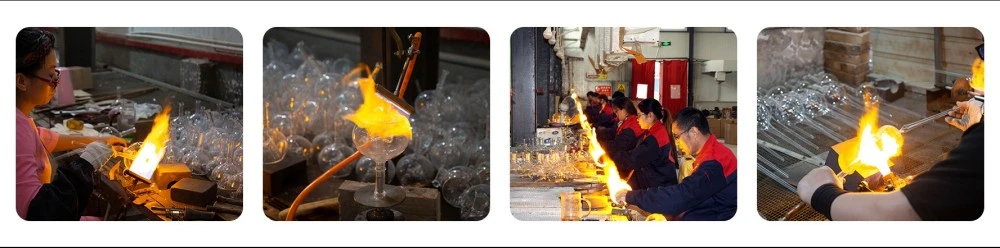
For custom bottle programs to work, they need production partners with certain skills and a history of success. For over 30 years, Jiateng has been making over 3 million custom bottles a year for high-end names like Xifeng Wine and Wuliangye. This gives us the knowledge we need to handle difficult tasks. We know that bottle design is a big investment for the business and needs to be done carefully.
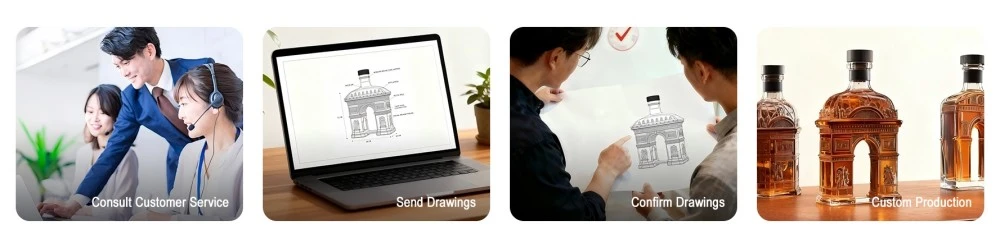
When evaluating possible suppliers, you need to look at their production ability, technical skills, quality assurance methods, and willingness to work together. Manufacturing partners should provide a full range of services, from coming up with the initial idea to delivering the finished product. Our engineering team uses 3D models, fast prototyping, and iterative refinement techniques to turn rough ideas into specs that can be used in production. This joint method makes sure that designs meet aesthetic goals while staying within the limits of what can be made and how much it will cost.
The precision and speed of output depend on the quality of the mold. Superior molds made from superior materials have longer useful lives, consistent dimensions, and a high-quality surface finish that doesn't need any extra work. We buy high-tech CNC machines and precise tools to make molds that can make detailed features like logos that are embossed, surfaces that are textured, and complex shapes that simpler tools can't do. These quality principles keep production from being held up, which costs a lot of money, and make sure that brand standards are always met, even when making a million units.
Where and How to Procure Iconic and Unique Alcohol Bottles?
To find the right way to buy specialized packaging, you need to know how business-to-business (B2B) relationships work, how to evaluate suppliers, and how complicated foreign trade can be. When you buy handmade bottles instead of generic ones, you have to build relationships with makers who can make your brand's ideas come to life.
Direct relationships with manufacturers offer the best value and collaboration possibilities. Working directly with production sites gets rid of markups that happen in between and lets you communicate more closely during the development stages. We've seen that relationships work best when both sides work to understand each other's goals. Brands should be clear about their positioning goals and practical limitations, while manufacturers should offer technical knowledge and process optimization ideas.
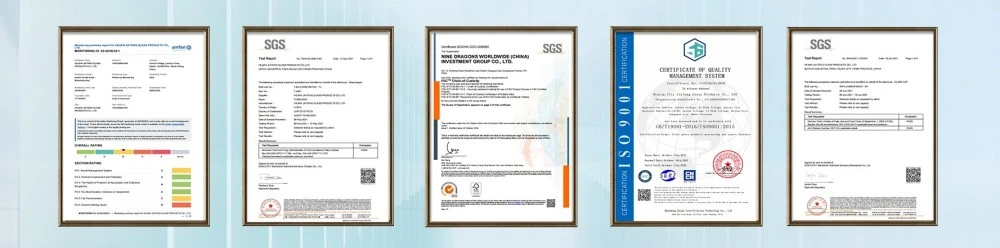
Evaluating a supplier's qualifications, you should look at more than just the price they give. Production capacity determines how well a brand can grow with it. Facilities should show flow that is higher than what is needed right now to handle success scenarios. Quality qualifications, such as ISO standards and export compliance paperwork, show that safety and accuracy are managed in a planned way. Our plant keeps up-to-date certifications for the North American, European, and Asian markets. This makes sure that bottles meet the legal standards for each area without any changes.
Keeping track of lead times is important for planning supplies and coordinating product launches. Custom bottle projects usually take 12 to 16 weeks from the time the design is finalized until the first shipment of the bottles. This includes making the mold, making samples, waiting for approvals, and manufacturing. To cut down on the time it takes to get a product to market, strategic procurement managers start working on packing while the product is still being made. Keeping a safety stock of unique bottles requires planning ahead for demand and coordinating storage space in a way that weighs the costs of keeping inventory against the risks of running out of stock.
Sampling methods keep production from getting out of whack, which can be very expensive. A complete sample should include several units for testing on the inside, making sure the caps work with the bottles, practicing putting on the labels, and checking the quality of the full product while it's being stored. Before agreeing to full production runs, we make sample batches of three to five units for the client to approve. This lets us fully check the accuracy of the measurements, the quality of the glass, and the way the design looks. When brands find out about mismatches after buying a lot of goods, this quality gate stops that from happening.
International operations and following the rules can be hard and require specialized knowledge. Fragile goods like glass bottles need special packing like custom die-cut inserts, corrugated dividers, and pallet shapes that keep them from breaking while they're traveling around the world. Our team handles all the details of shipping, such as freight forwarding, customs paperwork, and regulatory licenses that are different for each target market. If you know about tariff classifications, import taxes, and compliance requirements, you can avoid unexpected costs and delays at the border that throw off start schedules.
Long-Term Partnership Benefits
Building long-term ties with suppliers has benefits that go beyond individual projects. Through institutional knowledge, manufacturers who know your brand's standards, quality goals, and working rhythms can give you better service. We've helped partners with product line extensions, seasonal changes, and limited versions by keeping design libraries, mold files, and production histories that speed up orders for the same thing.
Collaborative innovation comes from trusted agreements where suppliers offer changes for the better, new materials, and better ways to make things. Our tech team often suggests ways to make things better based on changes in the industry, new ways of making things, and chances to cut costs. These additions that add value help brands stay ahead of the competition while also making buying more efficient.
Future Trends Driving Alcohol Bottle Design Innovation
As technology improves and customer tastes change, the packaging scene—including interesting shaped alcohol bottles—is evolving rapidly. Innovations in glass molding, sustainable materials, and creative design allow brands to stand out, improve shelf appeal, and meet consumer demands for unique, eye-catching, and functional packaging. Procurement pros can predict changes, look at new possibilities, and keep packaging relevant in markets that are always changing by staying up to date on new trends.
Digital decoration technologies change the ways things can be customized and the costs that can be incurred. Modern ceramic printing lets you print full-color photos directly on glass surfaces without using screens or plates. This gets rid of the setup costs that used to make small-batch customization too expensive for most people. Brands can now make unique limited versions of 5,000 to 10,000 units that are still affordable for special sales and regional differences. This makes it easier to use test-market methods and agile marketing plans that were previously limited by the cost of packing.
Adding smart packaging to your products makes them more dynamic and connects your real and digital brand experiences. NFC chips built into bottle bases or stickers let customers prove who they are, get access to special content, and connect their reward programs by tapping their phones. These linked packages give brands information about how much their products are being used, protect against counterfeiting, and give them direct ways to talk to customers. We think that within three to five years, smart features will be common in premium segments as the prices of the parts go down and people become more familiar with them.
New sustainable materials are being made because of pressures from the environment that are changing how businesses work. Researchers are working on bio-based glass options, recycled content formulas, and lightweight designs that look great and leave less of an impact on the earth. As rules get stricter and more people care about the environment, brands that are at the forefront of environmental changes gain a competitive edge. Procurement plans that look to the future should look at new products and build partnerships with suppliers that are ready for changes.
Personalization on a large scale is possible now that production technologies allow mass modification that wasn't possible before. Variable data printing lets each bottle in a run have its own text, graphics, or serialization. For example, whiskey bottles could have personalized messages or special versions with unique numbers. With these skills, you can make more money through direct-to-consumer outlets and programs that let you experience marketing. The technology needs partners in manufacturing who have powerful digital infrastructure and production systems that can be changed easily.
Adding augmented reality to bottles turns them from static objects into moving brand experiences. When people scan bottles with their phones, they can access virtual material like tours of distilleries, drink recipes, brand histories, or games-like experiences. These digital layers make interaction go beyond actual consumption and collect information about the customer. Visual cues that are designed for augmented reality (AR) are being used more and more in packaging designs, which affects choices about shape and surface decoration.
Preparing Procurement Strategies for Evolution
To keep up with these changes, procurement teams need to use more than just standard manufacturing measures to judge suppliers. It's important to look at technological skills, relationships for creativity, and experience with digital integration. We're always putting money into new technology, training for our staff, and relationships that put our clients at the cutting edge of innovation.
Flexible purchase deals can adapt to fast changes in the market and new projects. Framework contracts that set prices, quality standards, and wait times while letting order quantities and specifications change help flexible brand strategies. We set up partnerships that focus on working together and both of our success instead of transactional relationships with strict rules.
Conclusion
Iconic bottle designs are more than just pretty packaging; they represent a brand's personality, influence buying choices, and set a lasting difference in the market. As people have learned more about how to use packing as a strategic tool, it has changed from normal containers to works of art. Brands that invest in unique bottle designs get real benefits like better recognition, the ability to justify higher prices, and emotional ties with customers. To be successful at buying, designs must be looked at from an aesthetic, practical, and environmentally friendly point of view, and makers must be partnered with in order to give technical knowledge, quality commitment, and collaborative approaches. As new technologies like digital decoration, smart packing, and eco-friendly materials change what's possible, brands can stay successful in the competitive drinks market by staying informed and keeping their strategies open to change.
FAQ
What makes a bottle design truly iconic?
Iconic bottle designs achieve instant recognition through distinctive silhouettes that become synonymous with brand identity. They balance aesthetic boldness with functional practicality, often incorporating cultural references or innovative materials that resonate emotionally with target consumers. The most successful designs tell coherent brand stories while offering practical advantages like ergonomic handling or anti-counterfeiting security.
How much does custom bottle mold development typically cost?
Custom mold investments vary significantly based on design complexity, ranging from $8,000-$15,000 for moderately complex shapes to $25,000-$50,000 for intricate multi-piece molds with detailed surface features. Complex geometries requiring specialized tooling and extended development timelines command premium pricing. However, mold costs amortize across production volumes—brands ordering 100,000+ units annually achieve reasonable per-unit economics despite higher initial investments.
What minimum order quantities should brands expect for custom bottles?
Most specialized manufacturers establish minimum order quantities of 10,000-50,000 units for custom bottle production, reflecting mold investment amortization and production efficiency optimization. Brands should plan procurement strategies accounting for these thresholds, potentially staging launches or coordinating multiple SKUs to achieve economical volumes. We work with clients to structure orders balancing inventory carrying costs against per-unit pricing advantages.
How do unique bottle shapes impact production and filling operations?
Complex geometries typically reduce filling line speeds by 20-40% compared to standard cylindrical bottles due to stabilization requirements and handling sensitivities. Brands may need custom star wheels, pucks, or conveyor modifications to accommodate unusual shapes. These operational impacts affect manufacturing costs and capacity planning. However, experienced co-packers develop specialized handling solutions that minimize efficiency penalties while our design team considers production feasibility during development phases.
Can sustainable practices coexist with elaborate bottle designs?
Absolutely—modern glass formulations incorporate substantial post-consumer recycled content without compromising clarity or structural integrity. Thoughtful design optimizes material usage through strategic thickness distribution, reducing overall weight while maintaining premium aesthetics. We actively develop lightweight alternatives and mono-material constructions that enhance recyclability. Sustainability and distinctive design represent complementary objectives rather than competing priorities when approached systematically.
What decoration methods work best for shaped bottles?
Shaped bottles with compound curves and irregular surfaces present decoration challenges that traditional paper labels cannot address effectively. We recommend ceramic screen printing, heat transfer decals, or shrink sleeves for seamless coverage across complex geometries. Direct glass decoration through hot stamping, acid etching, or laser engraving creates permanent brand elements resistant to wear during handling and refrigeration. Our decoration specialists evaluate each design to recommend optimal techniques balancing aesthetic goals, durability requirements, and budget parameters.
Partner With Jiateng for Your Custom Bottle Manufacturing Needs
Your company should have packaging that stands out and expresses quality at every touchpoint. We've made millions of unique, interesting shaped alcohol bottles for well-known names on international markets as a reliable glass bottle seller with more than 30 years of manufacturing excellence. Our full range of services includes initial design advice, final delivery, and support from experienced engineers, state-of-the-art production facilities, and tried-and-true quality systems.
We use quality borosilicate glass that can be decorated with thermal transfer to make unique bottles for whiskey, vodka, tequila, baijiu, and other craft spirits. The sizes of the bottles range from 100ml to 750ml. Our Cangzhou facility has the customization options, production capacity, and technical know-how your project needs, whether you're releasing new goods or giving old names a new look. Get in touch with our team at lhd513@jtblzp.com to talk about how we can make your packing ideas come to life and set your spirits up for success in the market.Contact
References
1. Robertson, Gordon L. Food Packaging: Principles and Practice, 3rd Edition. CRC Press, 2012.
2. Stewart, Bill. Packaging Design Strategy: Bringing New Products to Market. Laurence King Publishing, 2018.
3. Klimchuk, Marianne R. and Krasovec, Sandra A. Packaging Design: Successful Product Branding From Concept to Shelf. John Wiley & Sons, 2013.
4. Ampuero, Olga and Vila, Natalia. "Consumer Perceptions of Product Packaging." Journal of Consumer Marketing, Vol. 23, No. 2, 2006.
5. Orth, Ulrich R. and Malkewitz, Keven. "Holistic Package Design and Consumer Brand Impressions." Journal of Marketing Research, Vol. 72, May 2008.
6. Wells, Linda E., Farley, Heather, and Armstrong, Gary A. "The Importance of Packaging Design for Own-Label Food Brands." International Journal of Retail & Distribution Management, Vol. 35, No. 9, 2007.