



What are the most popular bottles of alcohol?
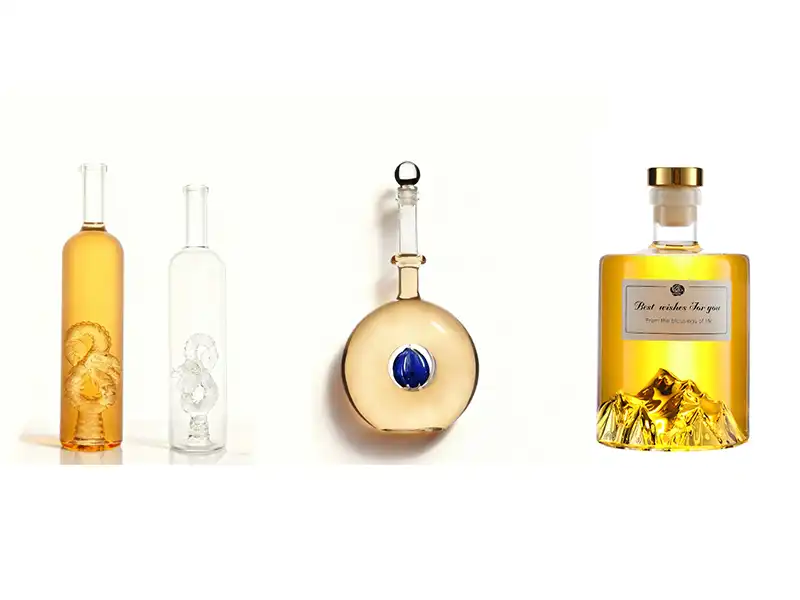
When looking into the world of high-end spirits packaging, the most popular alcohol bottles are those that mix great style with new ways of doing things. In today's competitive market, Interesting Alcohol Bottles have become important ways to set a brand apart. They take everyday packaging and turn it into a memorable experience. Classic bourbon decanters with deep punt bottoms and modern tequila vessels with artistic shapes are some of these unique containers. Their success comes from the fact that they can tell brand stories to people before they even try the product. Purchasing managers know that bottles with unique shapes, felt embossing, and good visibility not only stand out on the shelf but also support higher prices. These designs are the result of decades of experience making glasses and current research on how people buy things. This makes them very useful for brands that want to stand out in the market.
Evolution and History of Alcohol Bottle Designs
The history of alcohol bottle design shows how practicality turned into art in interesting ways. Knowing how this changed over time helps procurement workers understand why certain bottle features are appealing to collectors and customers today.
Origins of Bottle Shapes and Their Purpose
In the 1600s, glassblowing methods got good enough for mass production that liquor bottles made of glass came into being. In the early designs, function was more important than style. For example, thick walls kept them from breaking during shipping, and wide bases kept bar tables stable. With its high shoulders and straight sides, the famous Bordeaux bottle was made to catch sediment while the wine is being poured.
In the same way, Burgundy bottles got shoulders that sloped down to make the flow of wine smoother. In the past, these answers to storage problems led to design marks that makers still use today when making custom bottles. Knowing where these things came from helps brand managers base new designs on well-known practices while adding new elements.
Iconic Vintage Bottles That Changed the Market
Throughout history, some bottles have changed the way the business works and what customers expect. Even though the Coca-Cola contour bottle wasn't for booze, it showed how unique shapes could be used to create strong brand symbols that could be protected as trademarks. In the 1890s, the Jack Daniel's square bottle changed the way whiskey was packaged by showing quality through its weight and unique shape.
Cognac houses were the first to use artistic glass methods like complex embossing and precious metal applications that set the standards for luxury packing. These cutting-edge designs showed that bottle architecture could go up in value and create markets for collectors. Today's procurement experts look at these past wins to see if investments in custom molds will produce the same level of brand value and market differentiation.
Cultural Significance in Bottle Design
Bottle design has deep societal meanings that go beyond just being a way to package things. In Chinese baijiu culture, ceramic vessels with traditional designs show history and sincerity, which is why they are necessary for high placement. Some wine places in Europe made bottle forms that are so unique, like Champagne's heavy punt and reinforced walls, that they can tell you where the wine comes from without labels.
European bottle standards were used by Japanese whisky brands, but they made small style changes that appeal to Asian tastes. Because of these different societal layers, designing a successful bottle means knowing the visual language and symbols that your target market uses. When brands go into new areas, they do better when they work with makers who understand these differences and can change their designs to fit. Cultural resonance is often what makes packages emotionally connect with people or stay just useful.
Top Unique and Popular Alcohol Bottles to Consider in 2024
Because of brand competition and customer desire for unique packaging, the market today has a lot of amazing new Interesting Alcohol Bottles. All types of spirits use these trends to guide their purchasing decisions.
Artistic Whiskey and Bourbon Bottles
Architectural bottle design has become an important part of the marketing plan for high-end whiskey brands. Light reflection effects that improve the color of amber spirit are created by bottles with geometric faceting. These effects work especially well in store lighting. Heavy-base decanters with substantial punt bottoms show quality through their physical weight, which is a sense that people associate with high-end goods. Hand-blown variations add small differences that make you think of handmade production methods, which fits with the craft distillery setting.
Some designs use geographic textures on the outside of the bottles to make them look like the places where grains are grown or whiskey is stored. These story-telling features turn bottles into storytelling tools that support higher prices than regular spirits. When procurement managers choose whiskey bottles, they should think about how the weight distribution affects shipping costs while keeping the high-end feel that makes people want to buy at retail.
Innovative Tequila and Mezcal Containers
Tequila packaging has changed a lot over the years. Brands use bottle design to stand out in a market that is getting more and more crowded. Tall, thin bottles with long necks have beautiful shapes that on-premise places that want visual drama will like. Some makers use multi-layer shaping to create three-dimensional internal features that are embedded in glass walls to look like agave plants. Artisan mezcal makers like to use bottles with odd shapes and labels that are applied by hand. This shows that the mezcal is made in small batches by purposely having flaws.
Colored glass applications—deep blues and greens—that protect the quality of the spirit and make it stand out on the shelf have also grown in popularity. These new designs meet specific needs in the market, such as being seen in nightclubs, being good as gifts, and being interesting to collectors. Brands that are going to release tequila should think about how the bottle architecture works in all of these different situations. This will help them make designs that are flexible and take advantage of all of the market possibilities.
Distinctive Gin and Vodka Packaging
Because the architecture of the bottle can be seen clearly without any color interference, clear drinks present unique design challenges and chances. As a response, gin brands have come up with very creative bottles in the shapes of apothecary jars, geometric crystals, and plant shapes. These designs add to the herbal richness of gin and make production stories. Surface treatments like debossing, deep embossing, and feel designs turn bottles into sensory experiences that let you know about their quality before you even open them.
Vodka packaging is becoming more and more simple and elegant, with clean lines and perfect clarity showing how pure the product is. Some high-end vodka bottles have glittery or frosting effects that catch the light without taking away from the design. The technical challenge is to keep the clarity of the glass while making complicated forms. This is a skill that sets experienced providers apart from mass producers. Professionals in charge of buying things should make sure that the companies they work with can provide high-quality super flint glass with little iron content. This way, the bottles will show off the spirit instead of distorting it.
Eco-Friendly and Sustainable Bottle Trends
Sustainability has gone from being a niche issue to a common procurement goal, which has changed how bottles are made and how they are designed. Lightweight bottle engineering makes glass lighter without weakening its structure. This lowers the cost and pollution of shipping. Some makers can now cut weight by 30% by using more advanced mold design and better glass distribution. Post-consumer recovered cullet integration has gotten a lot better. Leading manufacturers now use up to 60% recycled glass while still meeting standards for visual clarity. Because of these technological advances, brands can work toward green goals without giving up high-end looks.
Bottle sustainability is improved by using different closing methods, such as reusable caps and choices without cork. Some new designs put refillability first, with thread finishes that are stronger and can handle more than one use. Purchasing managers are asking suppliers for lifetime studies more and more, which look at the environmental impact from getting the raw materials to recycling them at the end of their useful lives. This all-around method makes sure that claims about sustainability can stand up to scrutiny from customers and government agencies that care about the environment.
How Unique Alcohol Bottles Are Made?: Materials, Design, and Innovation
Understanding how Interesting Alcohol Bottles are made helps buying workers make smart decisions about where to buy things and how to talk to sellers. The production process has many specialized steps, and each one adds to the quality of the end result.
Material Selection and Glass Composition
Borosilicate glass is the best material for high-end booze bottles because it lasts longer than soda-lime options. Silica sand, boron trioxide, and aluminum oxide make up this material makeup. It makes glass that is very resistant to temperature shock and chemical stability. Because the thermal expansion rate is low, bottles don't crack when the temperature changes during shipping, storage, and filling. Borosilicate construction stops alkali leaking that could change the taste of drinks that have been aged in glass for a long time or that have been exposed to changes in temperature.
Super flint glass, which has an iron percentage of less than 0.02%, gives upscale brands the clear vision they need. This level of clarity makes sure that bottles show the color of the spirit correctly, without the reddish tint that most glass has. The choice of material has a direct effect on the cost of production. For example, borosilicate and super flint glass are more expensive, but they work better than cheaper glass, so mid- to high-end brands are willing to pay more for them. To make sure that suppliers give the right quality materials, procurement specs should clearly state what kind of glass is needed.
Mold Design and Production Techniques
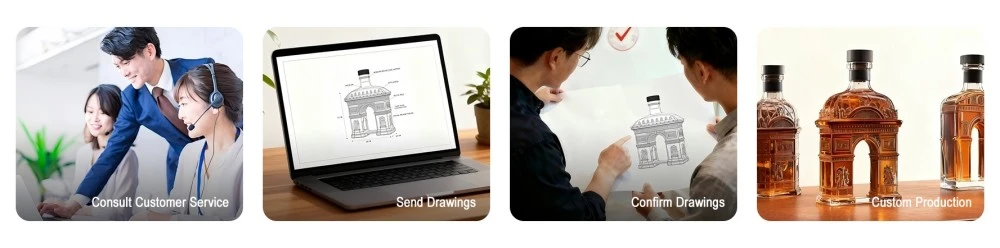
Precision cast engineering is the first step in making custom bottles. This is where design ideas are turned into production tools. To do this, thorough CAD models must be made that show every measurement, from the diameter of the neck finish to the depth of the punt. Then, people who make molds make multi-part steel molds that shape liquid glass into the shapes that are wanted. Complex shapes need complicated mold designs with lots of different parts, which raises the cost of production and the level of expert skill needed.
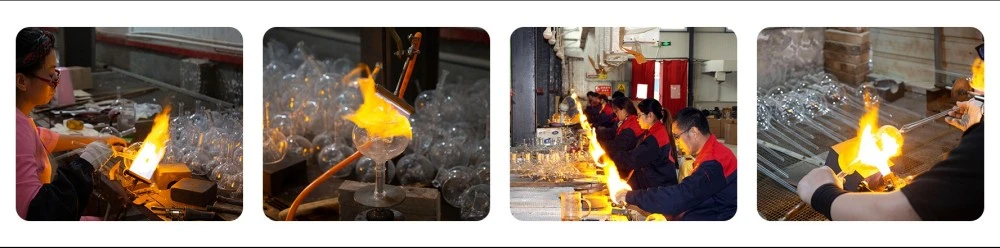
Even though it takes longer and costs more, hand-blown production lets you add artistic touches and unique features that can't be done with automatic methods. This method works well for ultra-premium and limited edition bottles where the fact that each one is unique supports a higher price per unit. It is possible to make a lot of bottles quickly and consistently with individual sections machine (IS) production, which can reach 200 units per minute. Which production method to use relies on the size of the order, the price, and the look that is wanted. When brands buy between 10,000 and 500,000 units, IS machine production usually works best. For smaller luxury runs, hand-blown production may be better.
Surface Treatments and Decoration Methods
Using different application methods, bottle decoration can turn simple glass into branded items. Heat-activated paints are used in thermal transfer printing to put detailed images directly on glass surfaces. This makes designs that last even when they get wet or are handled. This method works well for photography and artwork with lots of colors. Screen printing has great opacity and color intensity, making it great for logos and other design elements with a lot of color. When the screen printing clay paints are fired, they permanently fuse with the glass. This makes sure that the decoration lasts a long time.
Spray painting and color finishing make it possible to color the whole bottle, giving the product a unique look on the shelf in custom colors. Based on the brand's style goals, these coats can give surfaces a matte, shiny, or textured finish. Frosting uses acid etching or sandblasting to make beautiful see-through effects that add texture while keeping the glass's structure. With hot stamping, shiny foils in gold, silver, or other colors are applied, giving items a high-end look at a reasonable price. When making purchases, people should think about how long the decorations need to last.
Innovations in Sustainable Manufacturing
Leading producers have made big changes to their production methods to make them more environmentally friendly. Traditional gas-fired melting furnaces have been replaced by electric ones. This cuts down on carbon emissions and makes it easier to control the temperature. This technology is especially helpful for making borosilicate glass, which needs to keep the temperature just right. Closed-loop water filtration systems don't release trash, which is better for the environment and saves money on running costs. New technologies for sorting and cleaning cubes of glass allow for more recovered glass without losing its strength or clarity.
Some buildings get certified as carbon-neutral by using green energy and participating in programs that offset emissions. This gives brands marks that can be checked for credibility when it comes to sustainability. Digital tracking systems that record where materials come from and how they are made have made the supply chain more clear. With these new technologies, buying teams can check a supplier's claims of sustainability with real data instead of just accepting general environmental statements. Asking for building certifications like ISO 14001 and third-party sustainability checks makes sure that environmental promises are kept.
How to Select the Best Alcohol Bottles for Your Business Needs?
Strategic bottle selection means weighing a lot of things, from how well the brand fits with the product to how reliable the supply chain is. In a variety of business settings, the following structure helps people make choices about procurement for Interesting Alcohol Bottles.
Defining Your Brand Identity Through Bottle Design
The design of the bottle should clearly explain the brand's core values and where it stands in the market. Craft breweries often choose bottles that have handmade features, like hand-blown flaws, shapes that look old, or heavy glass weight, that show that the alcohol is from a small batch. On the other hand, modern spirit brands might choose simple geometric shapes with straight lines that look modern and classy. The bottle turns into a three-dimensional brand manifesto that talks about quality, history, and the lifestyle of the target customer. Besides how something looks, how it works is also very important.
Bottles made for serving cocktails need to be easy to pour, while items meant to be given as gifts benefit from forms that look good and don't need extra packaging. Brands that sell through a variety of outlets should look at how the style of their bottles looks on store shelves, back bars, and in online photos. Manufacturers can come up with good solutions if they have a detailed design brief that describes the brand's positioning, its target audience, and its usage scenarios. This way of working together makes sure that the end bottle choices are true to the brand character and meet business needs.
Budget Considerations and Volume Planning
The price of bottles varies a lot depending on the design, the way of production, and the number of bottles ordered. Custom mold development requires a big down payment, usually between $25,000 and $50,000, based on how complicated the shape is and how many cavities it needs. This fixed cost is spread out over the number of bottles that are made. Brands that plan to buy 3 million bottles a year can handle mold costs at a rate of pennies per unit, while smaller projects have to pay more per bottle. Production minimums also affect viability. For custom designs, most makers need at least 10,000 units to be ordered.
Some brands that don't need a lot of molds might want to use stock molds that are decorated in a way that fits their brand without having to spend a lot of money on custom tools. The weight of the glass has a direct effect on the prices of materials and shipping. This is why lightweight engineering is useful for saving money. When brands work with experienced suppliers, they can find ways to save money without sacrificing style. For example, they might reduce embossing details or change how the wall thickness is distributed. Clear cost breakdowns that separate mold investment, per-unit production costs, decoration costs, and shipping help buying teams get a good idea of how much the whole program will cost.
Evaluating Supplier Capabilities and Reliability
Supplier choice has a big effect on the success of a project, so it's important to do a full evaluation. How well suppliers can meet order numbers and delivery dates depends on their manufacturing capacity. For example, brands that need to ship 500,000 units need partners with enough warehouse room and production capacity. Different makers have very different technical abilities. For example, complex shapes and tight tolerances need high-tech tools and skilled workers. By asking for production examples from past projects, you can compare the quality of the real manufacturing with what was promised.
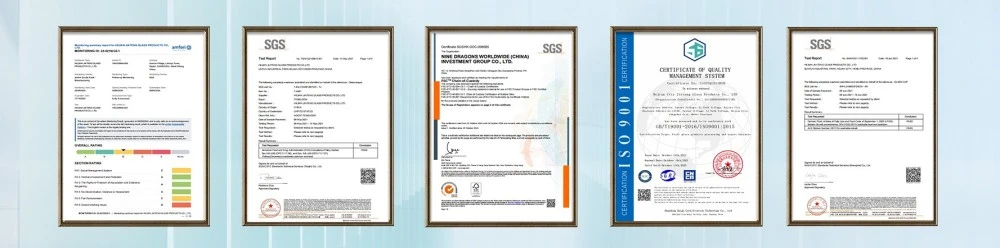
Certification for quality management systems, especially GMP and ISO 9001, means that processes are uniform and produce the same results every time. Stability in the supply chain is very important. Problems getting raw materials or fixing broken production equipment can delay starts and cost money. Getting to know sources who keep backup systems and raw material on hand can help you deal with problems that come up out of the blue. Communication skills should also be looked at, especially when working with people from other countries.
Matching Bottles to Distribution Channels
Different sales outlets have different needs when it comes to how bottles look and work. Bottles that stand out in stores are needed for the few seconds that people have to look at the shelves. Visual disruptions like big shapes, bright colors, or interesting surface treatments are what stop buyers and make them think about a product. On-premise channels, like bars and restaurants, like bottles that look good in photos for social media and make for exciting presentation moments. These needs can be met by tall, artistic bottles or patterns that have lighting effects.
For e-commerce sales, different things need to be thought about. For example, bottles need to look good in photos from a variety of views and be able to withstand the stresses of shipping. Shipping boxes with small forms are more efficient, which lowers the cost of operations per unit. Gift shops benefit from bottles that look good enough to give without any extra wrapping. This saves money on gift boxes while still making a good show. Duty-free shops often choose unique bottles that show quality to foreign visitors who don't know brand names.
Conclusion
Thoughtful bottle design in the world of high-end booze packaging opens up amazing chances for brands to stand out. In markets that are already full, unique packages that strike a balance between new looks and ease of production give companies an edge. To be successful in procurement, you need to know how designs have changed over time, what the current market trends are, how things are made, and what your suppliers can do.
When brands buy custom bottles that match their brand personality and place in the market, they build visual value that lasts beyond label changes and campaign updates. There are well-known partners in production with decades of experience, a wide range of skills, and a track record of dependability. Choosing the right suppliers and building relationships with them can help your packing investments go further. Bottles can go from being just containers to becoming valuable brand assets that can support higher prices and help you build long relationships with customers.
FAQ
What defines an Interesting Alcohol Bottles?
Bottles earn the Interesting Alcohol Bottles designation through unique structural features that set them apart from normal forms. On shelves that are already full, complex designs like asymmetrical shapes, deep embossing with lots of small details, or sculpted forms stand out. Innovations in materials, such as colored glass, textured surfaces, or better visual clarity, help people remember things.
How can procurement managers verify bottle quality before large orders?
Checking for quality should be done in a planned way, starting with evaluating samples. To test the real output of a manufacturing process, ask for production samples instead of examples that have been specially made. Use calipers or computer measuring tools to check the regularity of wall thickness and make sure that any differences are within acceptable limits. Check the visual clarity by looking at the bottles against white and black backgrounds in different lighting situations and finding any bubbles, distortions, or other flaws.
Are custom bottles cost-effective for emerging brands?
Custom bottles require upfront mold expenses, which can be hard for new brands on a budget, but there are ways to make it more feasible. When manufacturers accept small order minimums—around 10,000 units instead of 100,000 units—they lower the risk of inventory and the original volume promises. As a brand grows, some providers let you spread the cost of the mold payment over several production runs. Another option is to use stock bottles that have been heavily customized through decoration. This way, you can make your brand stand out without having to make unique tools.
What capacity options work best for different spirit categories?
There are set capacity norms for each spirit category that affect what consumers expect and how they buy. 750ml bottles are most common for wine and full-size spirits. This is the normal size that people expect for everyday goods. This ability helps most families find a balance between how they think about worth and how much they buy. Premium whiskeys and cognacs often come in 500ml sizes to appeal to people who want high-end goods at reasonable prices. This makes premium brands easier for people to try. Craft spirits, specialty liqueurs, and limited versions that need to be priced higher per milliliter because they are unique should come in 250ml bottles.
How do sustainable bottles compare in cost and performance?
Sustainable bottle choices have gotten a lot better, and their performance is getting closer and closer to that of regular bottles. The most obvious cost savings come from lightweight engineering, which uses less glass and makes things lighter to move. Due to their technical complexity, these designs usually add 5–10% to the cost of making a mold, but they save money in the long run by saving time and money on materials and shipping. With the addition of post-consumer recycled cullet, quality is now on par with new glass, and material costs are cut by 10–15 percent, based on the amount of recycled content.
What lead times should brands expect for custom bottle production?
Custom bottle timelines vary considerably based on project complexity and whether molds exist. New custom molds require 8–12 weeks for design, fabrication, and testing before production begins. Complex geometries with deep embossing or unusual shapes extend toward the longer timeframe. Sample production adds 2–3 weeks for mold installation, production runs, and shipping. Brands should allocate 2–4 weeks for internal sample evaluation, cap testing, and label application verification. Approved samples trigger full production scheduling, which depends on manufacturer capacity and order volume.
Partner with Jiateng for Your Custom Alcohol Bottle Needs
Brands ready to transform their packaging into competitive advantages deserve manufacturing partners with proven expertise and comprehensive capabilities. Jiateng brings over 30 years of glass bottle specialization to every project, supported by state-of-the-art GMP-certified facilities and an experienced international trade team. Our custom solutions span every capacity from 100ml sample sizes to standard 750ml bottles, all crafted from durable borosilicate glass with hand-blown precision when your vision demands it. As an established interesting alcohol bottles manufacturer, we understand that distinctive packaging drives premium positioning and market success.
Our engineering team collaborates closely with your brand vision, translating concepts into production-ready designs through comprehensive services encompassing design, sampling, production, and global delivery. Whether you're launching craft spirits requiring artisanal bottle character or scaling an established brand needing reliable high-volume production, our flexible approach accommodates diverse business needs. Contact our team at lhd513@jtblzp.com to discuss how our custom glass bottle solutions can elevate your brand and capture market attention.
References
1. Mitchell, Rebecca. "The Art and Science of Premium Spirits Packaging Design." Journal of Beverage Marketing, Vol. 47, No. 3, 2023, pp. 112-128.
2. Thompson, David and Sarah Chen. "Glass Manufacturing Innovations: Sustainability Meets Quality in Alcohol Packaging." International Glass Review, 2024 Annual Edition, pp. 67-89.
3. Anderson, Michael. "Historical Evolution of Bottle Design in the Global Spirits Industry." Packaging Heritage Quarterly, Vol. 19, No. 2, 2023, pp. 45-63.
4. Rodriguez, Maria Elena. "Consumer Psychology and Premium Bottle Design: Purchase Decision Factors." Marketing Science Review, Vol. 31, No. 4, 2024, pp. 203-221.
5. Williams, James and Catherine Liu. "Supply Chain Strategies for Custom Glass Packaging Procurement." Industrial Buyer's Handbook, 2024 Edition, pp. 156-174.
6. Zhang, Wei. "Borosilicate Glass Applications in High-End Spirits: Material Science and Market Trends." Advanced Materials in Packaging, Vol. 12, No. 1, 2024, pp. 88-104.